Gold · United States · Canada · Saudi Arabia and the Gulf · mid-tier producers and funds
Producing gold mines for sale in Brazil: what “fully operational” must prove
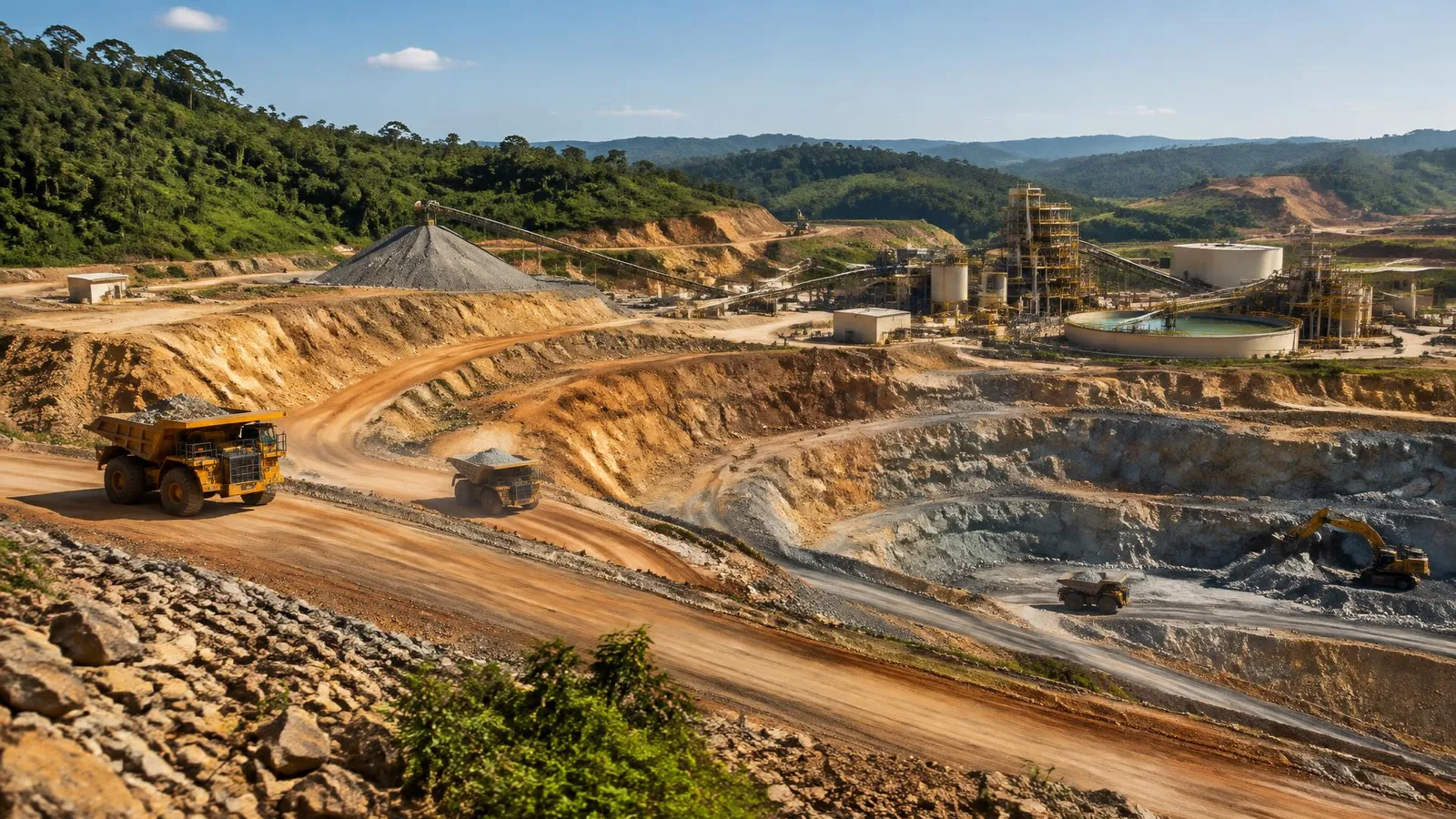
A Brazilian gold mine is “fully operational” only if it holds a mining concession, a valid operating licence, a plant that is actually processing ore, and a record of gold sold with electronic invoices and royalty payments. Anything less is a project, however it is marketed. Producing gold mines for sale in Brazil do exist, and international groups have paid serious money for them. This guide shows how to separate those from the teasers.
Key takeaways
- An operating gold mine needs a mining concession, not a garimpo permit, for industrial-scale production by a company.
- The operating licence (LO) from the environmental agency, and the tailings dam's status in the ANM's public SIGBM registry, are as important as the title.
- Production is proven by paper that third parties issued: electronic gold invoices, CFEM royalty receipts and the annual mining report filed with the ANM.
- Reserves and resources reported under NI 43-101 or JORC support value; historical or ANM-only estimates must be read with care.
- Real benchmarks exist: CMOC agreed in December 2025 to buy Equinox Gold's Brazilian operations for up to US$1.015 billion.
In this article
Search for an operating gold mine for sale in Brazil and you will find two very different markets. One is the market of listed companies and funds: Equinox Gold selling its Brazilian mines to CMOC, G Mining Ventures buying the Tocantinzinho project in Pará from Eldorado Gold in 2021 and building it into a mine, Hochschild buying the Monte do Carmo project in Tocantins in 2024. Those deals come with technical reports, audited accounts and regulators watching.
The other is the market of teasers: two-page PDFs and WhatsApp messages offering a “100% operational” mine, “certified reserves” and a price in the hundreds of millions, with no process number. Some of those assets are real and simply badly presented. Many are not mines at all. The documents below are how you tell.
§ 01 · Definition
When are producing gold mines for sale in Brazil really “fully operational”?
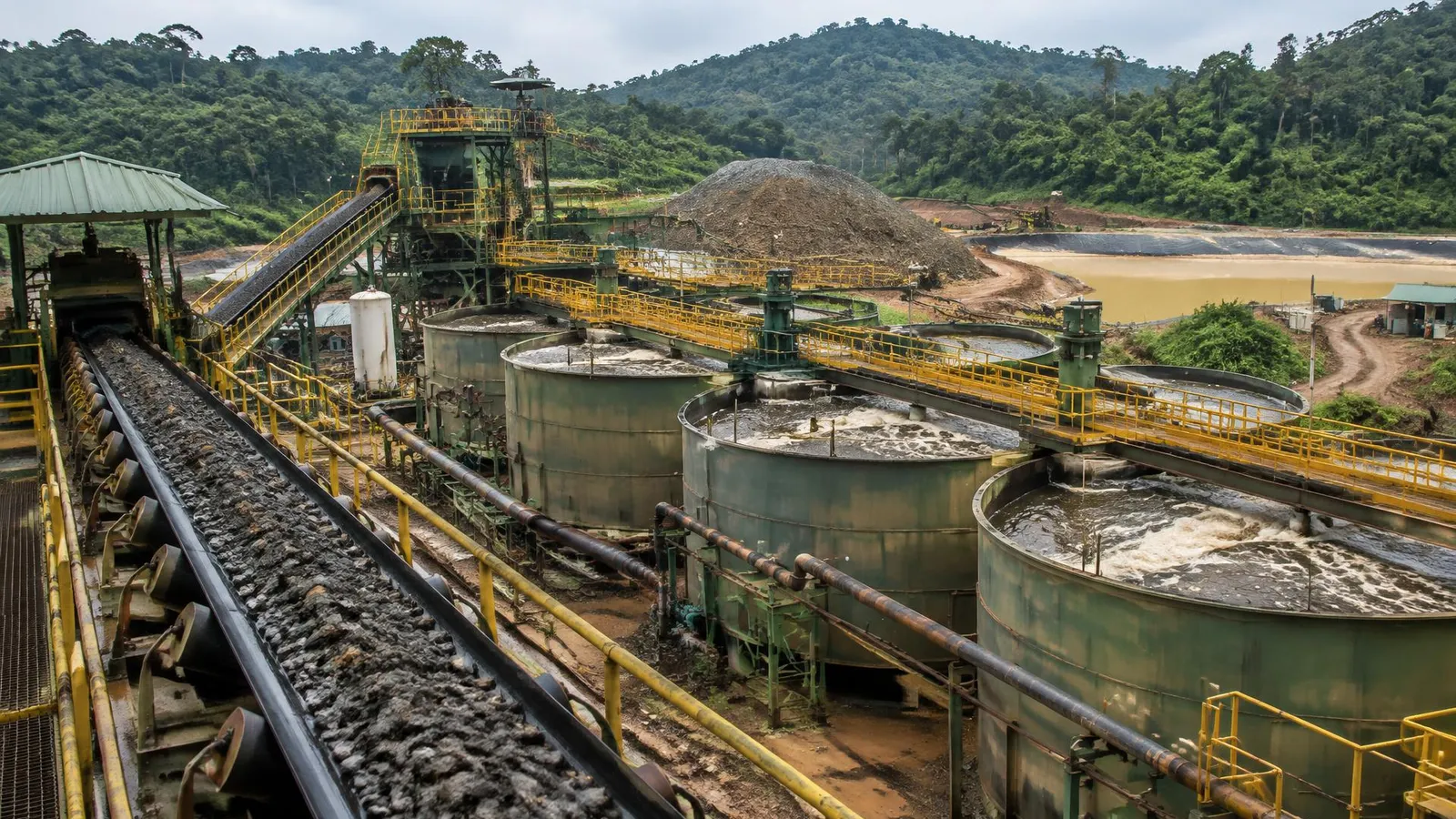
A fully operational gold mine in Brazil is one where five things are true at the same time: the company holds a mining concession for gold, it has a valid operating licence, ore is being mined and processed, gold is being sold with electronic invoices, and the CFEM royalty is being paid on those sales. Remove any one of them and the asset is something else: a licensed project, an idle mine, or an informal operation.
Concession
A concessão de lavra for gold, held by a Brazilian company, in good standing with the ANM.
Operating licence
A licença de operação from the environmental agency, valid, with its conditions being met.
Mine and plant
Ore extracted and processed in a plant whose throughput and recovery you can observe and reconcile.
Sales
Gold sold to identified buyers with electronic gold invoices, mandatory since July 2023.
Royalty
CFEM paid at 1.5% of gross gold sales revenue net of sales taxes, consistent with the invoices.
Sellers often use “operational” loosely. A mine that has a plant on site but no operating licence is not operational. A garimpo producing gold under a small-scale permit is operational in its own terms, but it is not the industrial asset a teaser describes. A concession whose plant stopped two years ago is a restart project. Each has value, and each deserves a different price.
This is the distinction behind our wider guide to verifying a gold mining concession. Here we go further, into the evidence that a concession is actually producing.
§ 02 · Title
Which mining title must a producing gold mine hold?
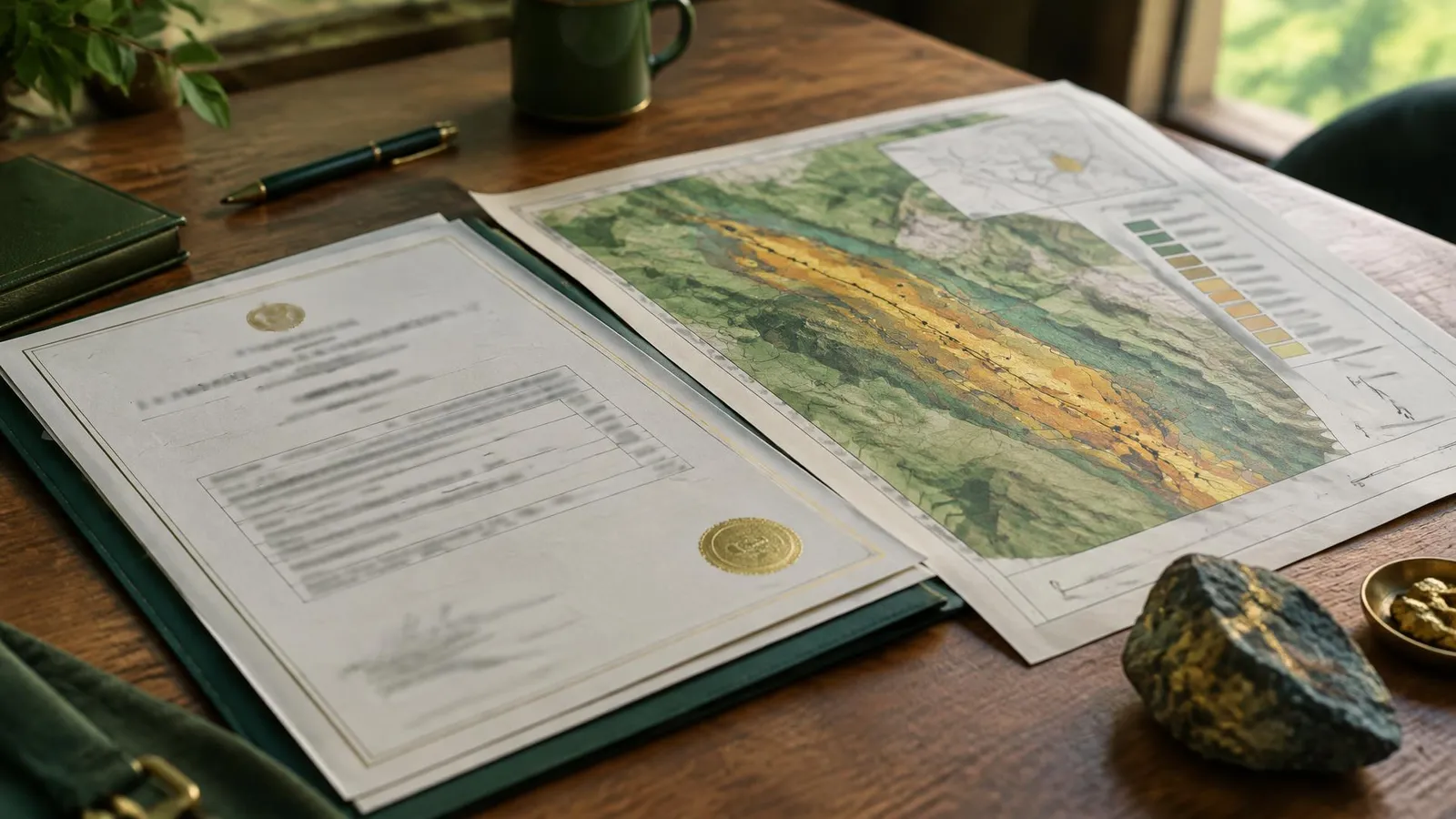
A producing gold mine operated by a company must hold a mining concession (concessão de lavra) for gold. The concession comes at the end of a regulated path: an exploration authorisation, a final research report approved by the ANM, and an economic development plan (PAE) that describes how the deposit will be mined. It is published officially and recorded in the ANM's public registry under a process number.
| If the title is… | Then the asset is… | Price it as… |
|---|---|---|
| Mining concession for gold, active | Potentially a producing mine | A producing asset, subject to the checks below |
| Exploration authorisation with a Guia de Utilização | An exploration project with temporary, capped extraction | An advanced exploration project |
| PLG (garimpo permit) | A small-scale operation, limited area and term, not holdable by an ordinary company | A partnership or supply opportunity, not a mine acquisition |
| Concession application pending | A project waiting for its title | A development project with title risk |
| No process number | Nothing you can verify | Nothing |
The gap between a PLG and a concession is the single most common misrepresentation in Brazilian gold offers. Our article on PLG versus mining concession explains it in full. In short: a PLG is limited to 50 hectares for an individual, lasts up to five years and belongs to Brazilian individuals or cooperatives. It is legal, but it is not an industrial mine.
Ownership of the concession holder matters as much as the title. Foreign buyers acquire the Brazilian company that holds the concession, or take an assignment with the ANM's prior consent. See can foreigners buy a mine in Brazil for the structures.
§ 03 · Environment
Which environmental licences and dam records must a producing gold mine have?
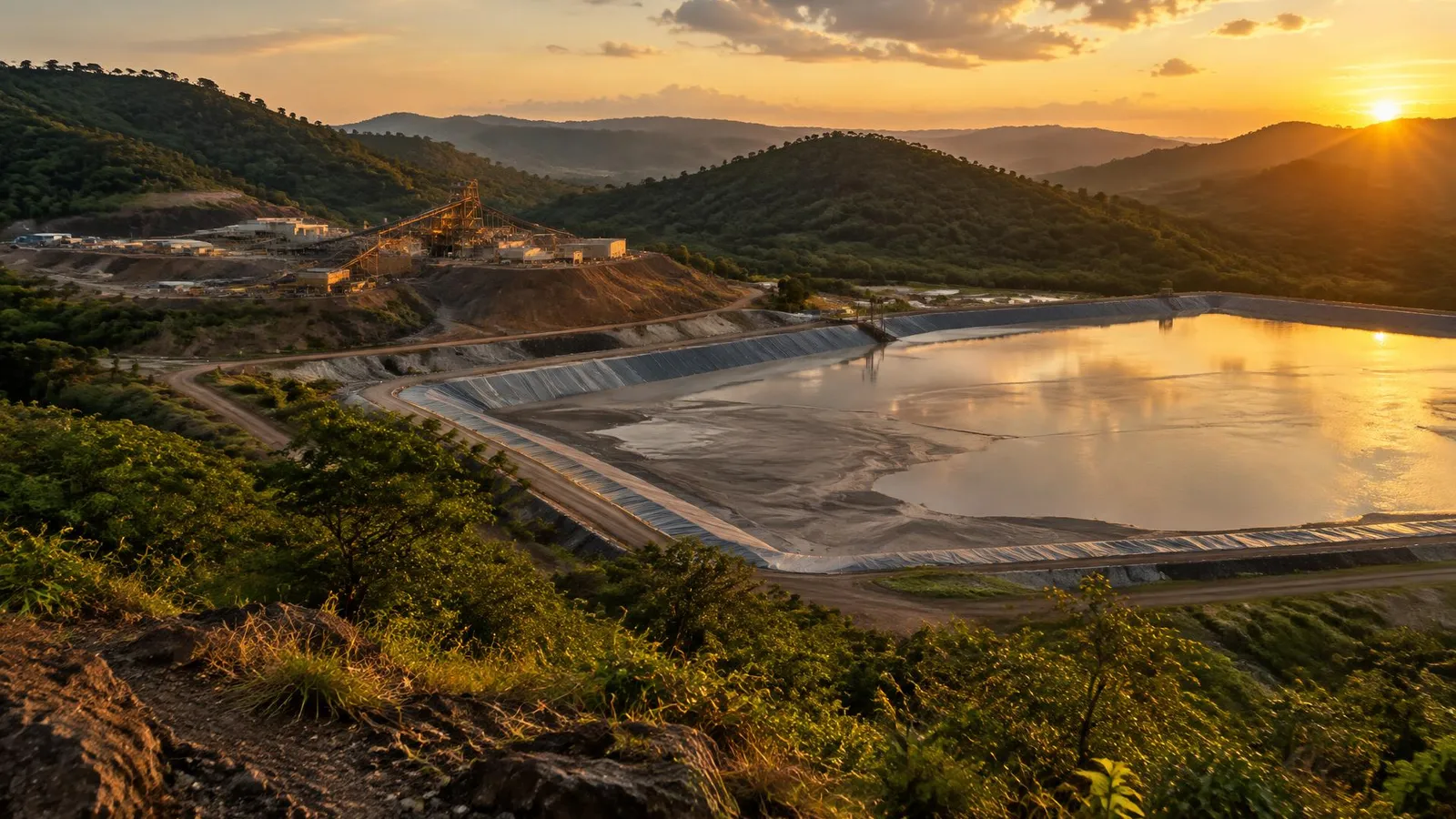
A producing gold mine must have a valid operating licence (licença de operação, LO) and, if it stores tailings behind a dam, a dam registered in the ANM's dam safety system. Industrial gold mining is a significant-impact activity in Brazil, so most projects pass through an environmental impact study and three licence stages: preliminary (LP), installation (LI) and operating (LO).
- 01
Get the LO
Ask for the operating licence, the issuing agency (usually the state agency, such as SEMA in Mato Grosso or SEMAD in Minas Gerais and Goiás), its conditions and its expiry date.
- 02
Check compliance
Ask for the latest compliance reports on licence conditions and for any infringement notices, fines or embargoes.
- 03
Look up the dam
Mining dams are registered in the ANM's SIGBM system, which has a public panel updated daily. Check the dam's category, risk and damage potential, and inspection status.
- 04
Check the construction method
Law 14,066/2020 reinforced the ban on upstream-raised tailings dams and set a deadline for decommissioning existing ones. An upstream dam is a liability, not an asset.
- 05
Water, cyanide and explosives
Confirm the water-use grant, cyanide management (many operators follow the International Cyanide Management Code) and the Brazilian Army registration required for explosives.
Mercury deserves a word. Brazil is a party to the Minamata Convention, and mercury use in gold processing is a serious legal and reputational issue, particularly near informal mining. An industrial concession should not use mercury. If the plant visit or the licence suggests otherwise, the asset is not what was described.
§ 04 · Production
How do you prove a gold mine in Brazil is really producing?
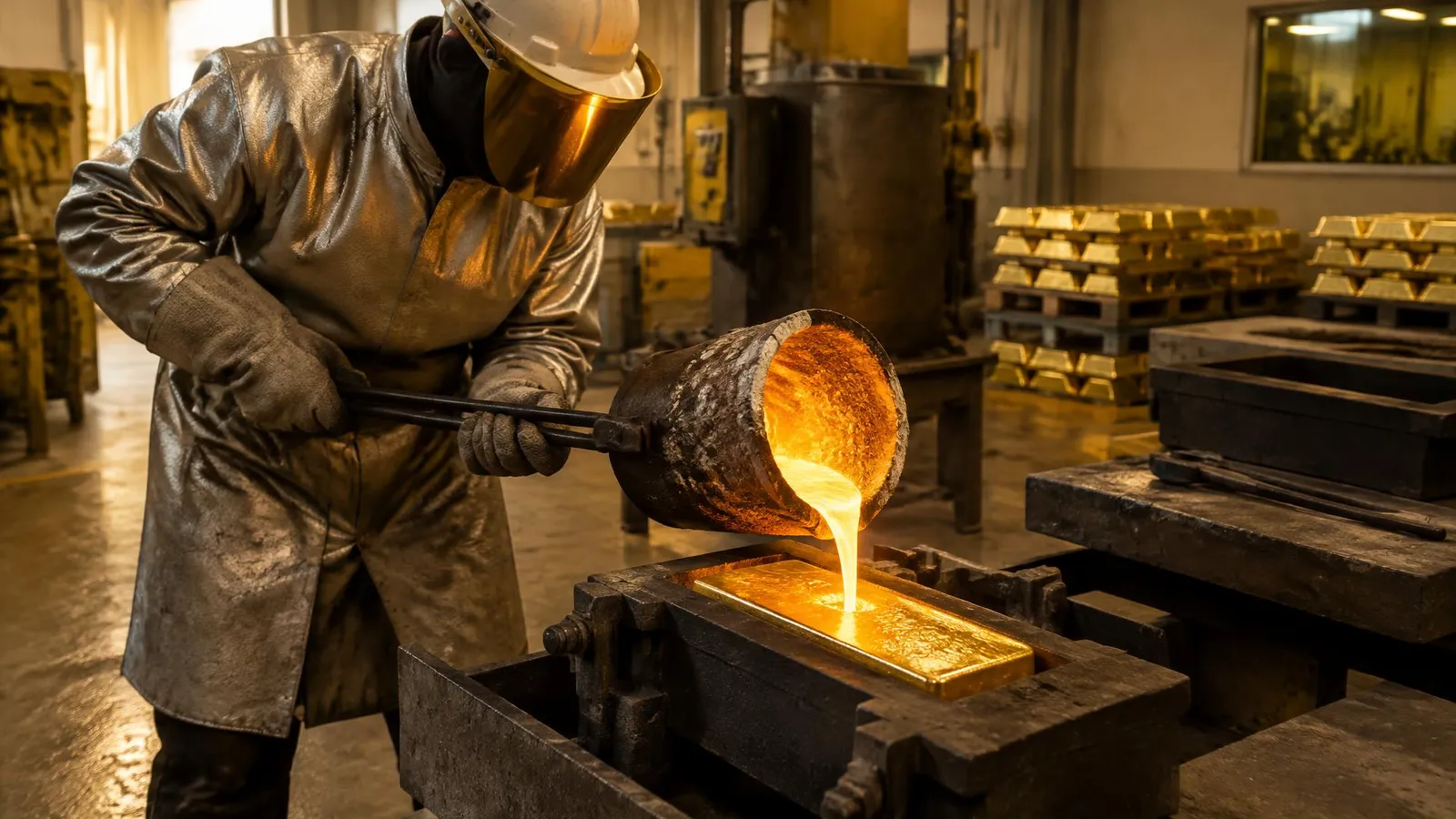
You prove production with documents that someone other than the seller created: electronic gold invoices issued to buyers, CFEM royalty payments made to the government, the annual mining report filed with the ANM, and the plant's own records reconciled against all three. Then you go and watch the plant run.
| Document | Issued by | What it proves |
|---|---|---|
| Electronic gold invoices | The mining company, through the tax authority's system (mandatory since 3 July 2023) | Gold actually sold, to whom, when, in what quantity |
| CFEM receipts | Payments to the federal government at 1.5% of gross gold sales revenue net of sales taxes | Sales declared to the regulator; should match invoices |
| Annual mining report (RAL) | Filed with the ANM by every holder of a mining title | Production, sales and operating data reported to the regulator |
| Plant records | The operator | Tonnes milled, head grade, recovery, gold poured; must reconcile with sales |
| Refinery or buyer statements | The buyer of the doré or bullion | Independent confirmation of quantity and fineness |
The arithmetic matters. Tonnes processed times grade times recovery should produce roughly the gold poured, and the gold poured should produce the gold sold, allowing for inventory. If the plant records say one thing and the invoices say another, you have found the most important question in the deal.
Brazilian law also changed the buyer's position. Since March 2025, after a Supreme Court decision, buyers of gold no longer benefit from a presumption of good faith: they must verify where the gold comes from. A mine whose sales are documented is therefore not only easier to value but easier to sell into, because its buyers can prove their own compliance. Our compliance guide to buying physical gold from Brazil covers this from the buyer's side.
§ 05 · Reserves
How should you read the reserves and resources of a producing gold mine?
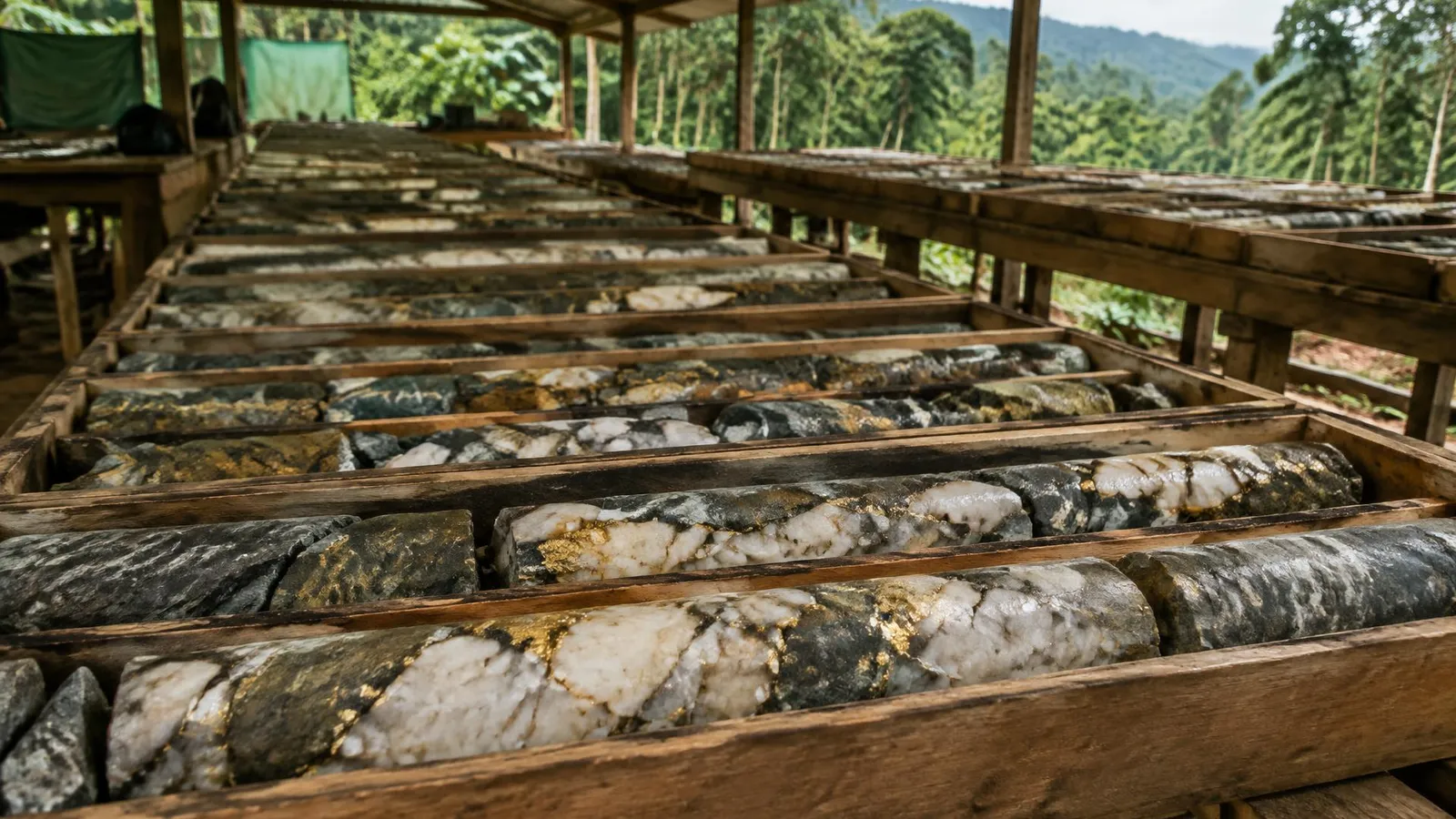
Read them by standard first, then by category. A producing mine owned by a listed company will usually report mineral reserves and resources under NI 43-101 in Canada or the JORC Code in Australia, prepared by a qualified or competent person. Private Brazilian mines often have only the research report and PAE filed with the ANM, which follow Brazilian rules and are not equivalent.
Supports a producing-asset price
- Current NI 43-101 or JORC mineral reserves, with the qualified or competent person named
- Resources clearly split into measured, indicated and inferred
- A mine plan and life-of-mine schedule that match the reserves
- Reconciliation of past production against the reserve model
Needs caution
- “Certified reserves” with no standard or author named
- Historical estimates presented as current resources
- Inferred resources counted as if they were reserves
- Totals that mix gold in tailings, waste and ore
A note on vocabulary: NI 43-101 and JORC are reporting standards, not certificates. There is no such thing as a mine “certified” under NI 43-101 until a given year. When a teaser uses that phrase, it usually means a report exists somewhere, possibly an old one. Our guides on NI 43-101 and historical estimates and on JORC versus Brazilian ANM reports show how to read them.
Mine life is where reserves meet price. A mine producing well today with two years of reserves left is a different asset from one with ten. The transaction benchmarks help: when CMOC agreed in December 2025 to buy Equinox Gold's Aurizona, RDM and Bahia operations, the assets were reported with about 3.9 million ounces of reserves, 5.0 million ounces of resources and 2024 production of about 247,000 ounces.
§ 06 · Liabilities
What liabilities come with a producing gold mine in Brazil?
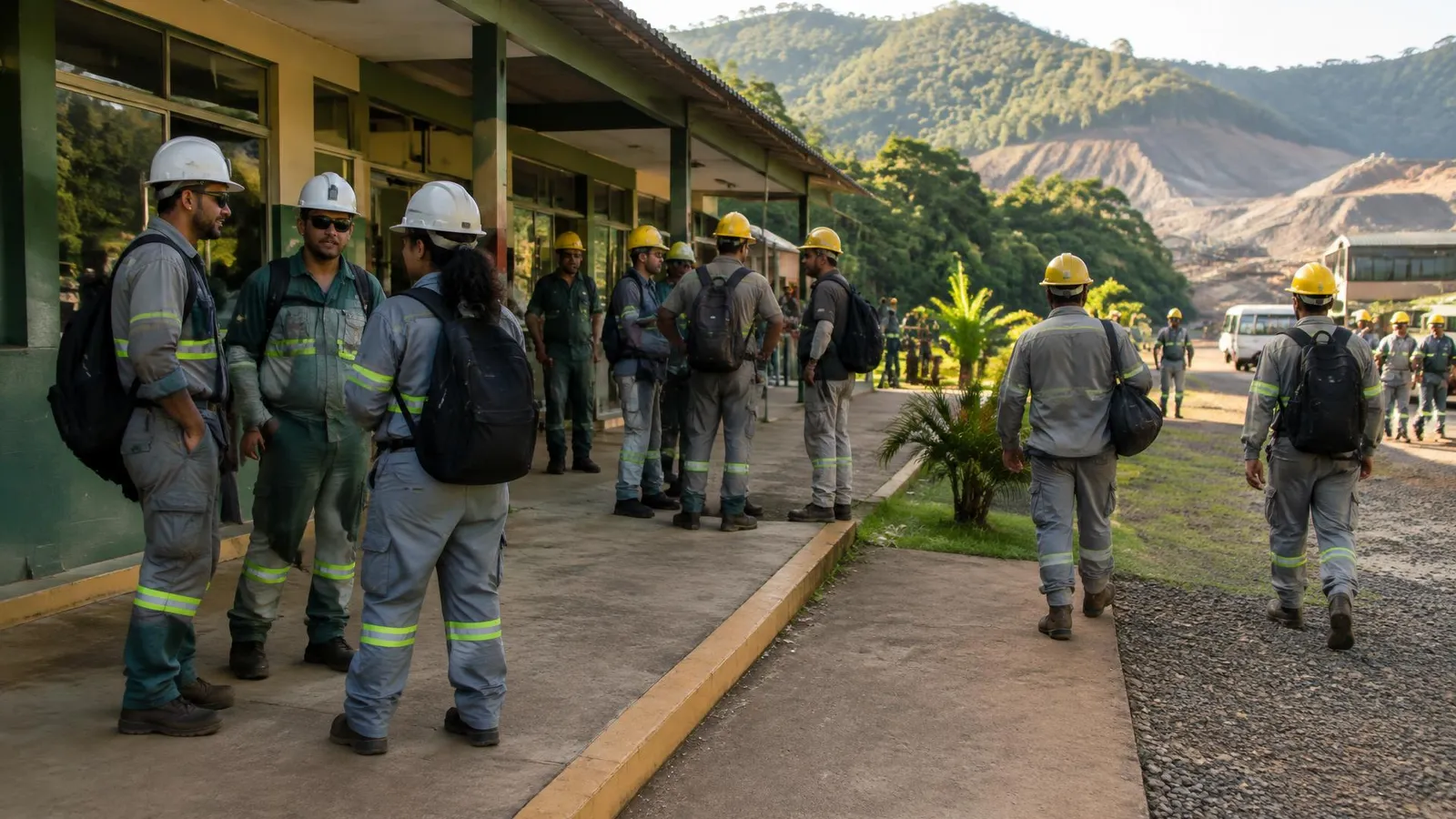
A producing gold mine brings the liabilities of a running business: employees, taxes, contracts, lawsuits, environmental obligations and closure costs. When you buy the company that holds the concession, all of them come with it, which is why corporate due diligence matters as much as the geology.
Liabilities to review
- Federal, state and municipal tax clearance certificates, and any tax disputes
- Labour and social security clearance, employee headcount and pending labour claims
- Civil, environmental and criminal proceedings involving the company and its managers
- Debt, guarantees, pledged equipment and streams or royalties sold to third parties
- Mine closure plan and the estimated closure and rehabilitation cost
- Landowner agreements, the landowner's statutory share of results, and any land disputes
- Proximity to indigenous lands, conservation units and informal mining that could affect operations
Royalties sold to third parties deserve special attention. A mine can be producing well and still deliver little cash to a new owner if a stream or royalty already takes part of the gold. Ask for every contract that gives anyone a right to production or revenue.
Closure costs are the other quiet liability. Every Brazilian mine must plan for closure and rehabilitation, and the bill falls on whoever holds the title when the mine stops. A mine with a short remaining life and an unfunded closure plan can be worth less than its cash flow suggests. Ask for the closure plan, its cost estimate and how the seller has provisioned for it in the accounts.
Finally, look at the people. A producing mine depends on a mine manager, a plant superintendent and a geology team who know the deposit. Find out who they are, whether they stay after the sale, and what their contracts say. In remote Brazilian districts, replacing an experienced team takes months, and production often dips while it happens.
§ 07 · Red flags
What are the red flags in an “operating gold mine” offer?

The red flags in an operating gold mine offer are predictable, because the same teasers circulate for years. They describe production nobody can document and a price nobody can explain.
A “certified” report
A standard described as a certificate, often with an expiry date. It signals a broker who has not read the report, if one exists.
Production without invoices
Monthly gold output claimed in kilograms, but no electronic invoices or CFEM receipts to match.
Price from gold in the ground
A price computed as ounces times spot price. No buyer pays for gold in the ground at spot.
Fees to access
Payments requested to open a data room, arrange a visit, or reserve exclusivity before a signed agreement.
PLG sold as a mine
A garimpo permit, sometimes several, presented as an industrial concession.
Metal without papers
Physical gold offered alongside the mine at a discount, without invoices, documented origin or inspection. It usually signals a broker chain, not an owner.
None of these flags is proof of fraud. But each one moves work and risk to you. A seller with a genuine producing mine can usually answer them with documents in days. A seller who cannot answer them in weeks is not selling a producing mine.
Ask the same five questions of every offer, in writing: What is the ANM process number? Who holds the concession? Where is the operating licence? How much gold did the mine sell in the last twelve months, with invoices? How much CFEM did it pay on those sales? The answers, or the lack of them, will sort a stack of teasers in an afternoon.
§ 08 · Our method
How BRAZIL MINE presents producing gold mines for sale in Brazil

We present a gold mine as producing only after we have seen the concession, the operating licence, the dam record and a production history backed by invoices and royalty payments. Before that, we call it what it is: a project, a restart or an opportunity to verify.
- Identification and confidentiality first: KYC on both sides, then an NDA.
- Title and boundary work in-house: our founder is a land surveyor and reads ANM processes and land records directly.
- Organised data room covering title, licences, dam, production, reserves and corporate liabilities.
- Your experts, your conclusions: independent qualified persons, Brazilian counsel and auditors chosen by the buyer.
- No advance fees at any stage, and payment only through banks against signed documents.
Looking for a producing gold mine in Brazil?
Tell us your target size, region and stage, or send us the process number of a mine you have been offered. We will tell you what the documents show before you commit time and money.
Request a confidential reviewFor current opportunities, visit our gold mines for sale in Brazil page. Buyers from Australia will find the corporate route explained in how to acquire a gold project in Brazil, and our companion guide shows how to value an operating gold mine in Brazil.
§ FAQ
Frequently asked questions
Are there producing gold mines for sale in Brazil?
Yes. Producing gold mines change hands in Brazil, from large portfolios such as Equinox Gold's operations, agreed to be sold to CMOC in December 2025, to smaller private concessions. Most private sales are not advertised and require verification before they can be priced.
What licence does an operating gold mine in Brazil need?
An operating licence (licença de operação) from the competent environmental agency, usually the state agency, in addition to the mining concession granted by the federal regulator.
How can I check if a Brazilian gold mine is really producing?
Compare electronic gold invoices, CFEM royalty receipts and the annual mining report filed with the ANM against the plant's records, then visit the plant to confirm it can run at the implied throughput.
What royalty does a gold mine pay in Brazil?
The CFEM royalty on gold is 1.5% of gross sales revenue net of sales taxes, under Law 13,540/2017. The landowner is also entitled to a share of the results.
Is a garimpo permit (PLG) an operating mine?
It is a legal small-scale mining permit, limited to 50 hectares for an individual and up to five years, held by Brazilian individuals or cooperatives. It is not an industrial concession and cannot be held by an ordinary company.
Can a foreign company buy a producing gold mine in Brazil?
Yes, by acquiring the Brazilian company that holds the concession or by taking an assignment of the concession with the ANM's prior consent. Rural land and border-zone rules may apply separately.
Can a mine be “certified” under NI 43-101?
No. NI 43-101 is a Canadian disclosure standard for technical reports, not a certificate, and reports do not expire on a date. Ask for the report itself, its date and its qualified person.
How long does due diligence on a producing gold mine take?
A first document review can take days if the seller is organised. Full technical, legal, environmental and financial due diligence on a producing mine typically takes several months.

Mathematician, Land Surveyor and Licensed Real Estate Broker · CRECI-TO 4631
BRAZIL MINE — Mining & Minerals
Keep reading