Gold · Australia · ASX explorers and developers
How to acquire a gold project in Brazil: step by step for Australian companies
Australian explorers know greenstone gold better than almost anyone, and Brazil has greenstone belts that have seen a fraction of the drilling of the Yilgarn. That is the opportunity. The risk is that Brazil rewards a different kind of homework: titles, land, licences and intermediaries matter as much as geology. This is the step-by-step roadmap, from the board's first conversation to the first drill hole on Brazilian ground.
Key takeaways
- Start with a written mandate: target stage, size, districts and budget. Brazil offers more assets than any team can review.
- Source from titleholders, ANM availability procedures and producer divestments, and manage intermediaries with signed mandates.
- Screen tenure and land in days before spending on geology, travel or lawyers.
- Hold the project through a Brazilian subsidiary, and plan ASX disclosure and approvals around Brazilian regulatory timing.
- Budget the first 12 months around tenure obligations, licensing, community engagement and the wet season, not just drilling.
In this article
Gold has drawn Australian capital to Brazil for good reasons. Archaean and Proterozoic greenstone belts in Goiás, Tocantins, Pará, Mato Grosso and Minas Gerais remain lightly explored by modern standards. International producers already operate here, proving that gold mines get permitted and built. And the archive of historical data can shorten an exploration programme considerably.
What surprises newcomers is not the geology but the paperwork. Brazil separates mineral rights from land, restricts land ownership by foreign-controlled companies and has a busy market of intermediaries. The companies that succeed run a disciplined sequence. Here it is, in seven steps.
Each step below reflects how transactions actually run on Brazilian ground, including the parts that rarely appear in investor presentations: tenure calendars, landowner negotiations, intermediaries and the wet season. None of them is a reason to stay away. All of them are reasons to plan.
§ 01 · Step 1
Define the mandate before you look at a single asset
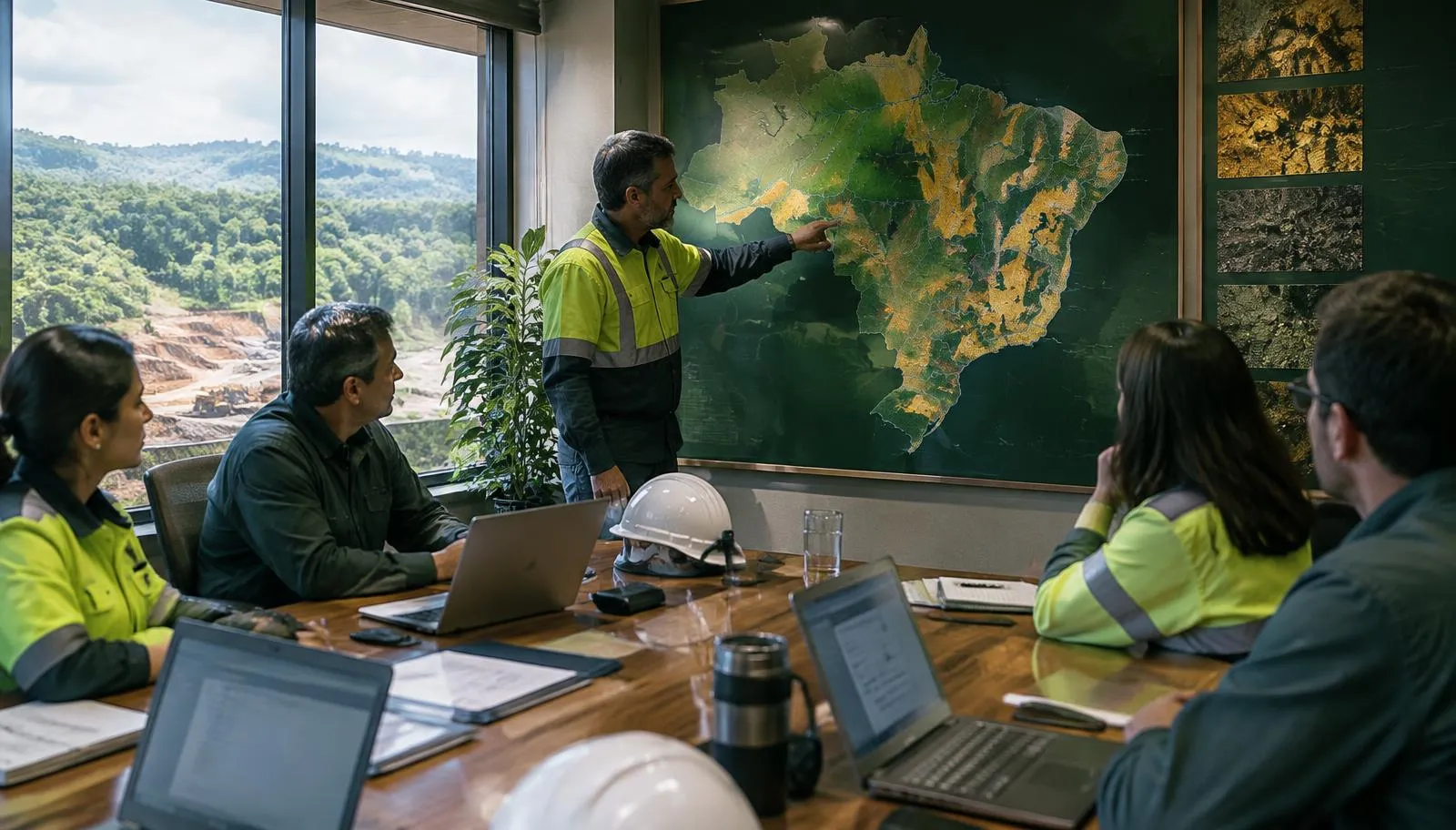
Brazil will send you more gold opportunities than your team can review. A written mandate is what keeps the pipeline useful. It should answer four questions: what stage, what size, which districts, and what budget for acquisition plus the first year of work.
| Stage | Brazilian title | Risk | Typical entry |
|---|---|---|---|
| Grassroots | Exploration application or new permit | Highest | Low cost, option or direct application |
| Drilled prospect | Exploration permit with results | High | Option or earn-in |
| Defined deposit | Approved final exploration report | Medium | Purchase or joint venture |
| Development | Mining application or concession, pre-licensing | Medium–low | Purchase of the holding company |
| Production | Concession with operating licence | Lowest geological, highest price | Share purchase |
Choosing districts
Most Australian teams shortlist two or three districts rather than chasing the whole country. The choice usually comes down to four factors, and each can be assessed before any asset is reviewed.
- Geological analogy: greenstone belts and structural settings your team already understands from the Yilgarn or elsewhere.
- Access: distance to paved roads, airports and service towns, and how the wet season affects them.
- Tenure density: how crowded the ANM map already is, which tells you whether you will negotiate with holders or apply for free ground.
- Constraints: proximity to indigenous lands, conservation units and the 150 km border zone, which can rule out entire areas.
Goiás and Tocantins, for example, offer greenstone gold with good road access and fewer protected-area conflicts than parts of the Amazon. Pará offers scale and history, with more complex logistics and land questions. Neither is better in general; one will fit your mandate better.
§ 02 · Step 2
Source deals from the right places
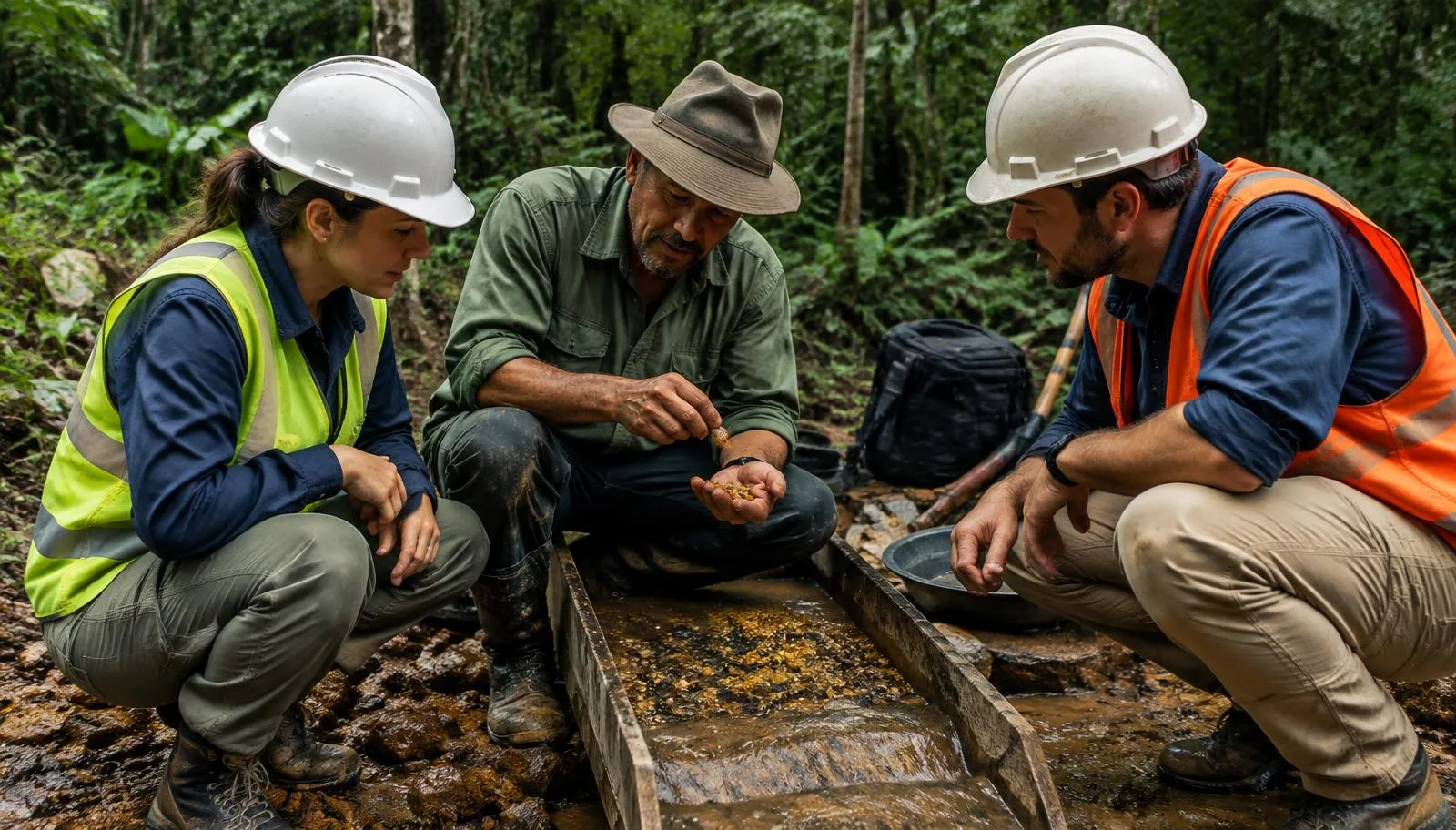
Good Brazilian gold assets come from four main sources. Each has a different profile of risk and price.
Local titleholders
Brazilian individuals and small companies who hold permits, often pegged years ago. Often the best value, always the most paperwork.
Availability procedures
Areas that become free are offered by the ANM through public procedures. Transparent, competitive, and clean in tenure.
Producer divestments
Larger companies periodically sell non-core ground and projects. Better data, higher prices.
Brokers and mandated agents
Useful when they hold a signed mandate from the titleholder. A chain of agents without one is noise.
Our own role is the last category, done properly: we only present gold assets under a signed mandate from the titleholder, after the title and land have been checked. See gold projects for sale in Brazil.
Working with intermediaries without losing the deal
Intermediaries are part of the Brazilian market, and a good one saves months. The difference between a useful intermediary and a broker chain is documentation. Set the rules in your first reply and the serious ones will follow them.
Ask every intermediary for
- The name of the titleholder and a signed mandate or authorisation
- The ANM process numbers, or at least the regime and phase, before an NDA
- Confirmation that the asset has not been offered to you through another channel
- Written commission terms, payable only on completion
Registering intermediaries in writing protects everyone. It protects their commission, and it protects you from paying twice when the same asset arrives through two routes.
§ 03 · Step 3
Screen tenure and land in days, not months
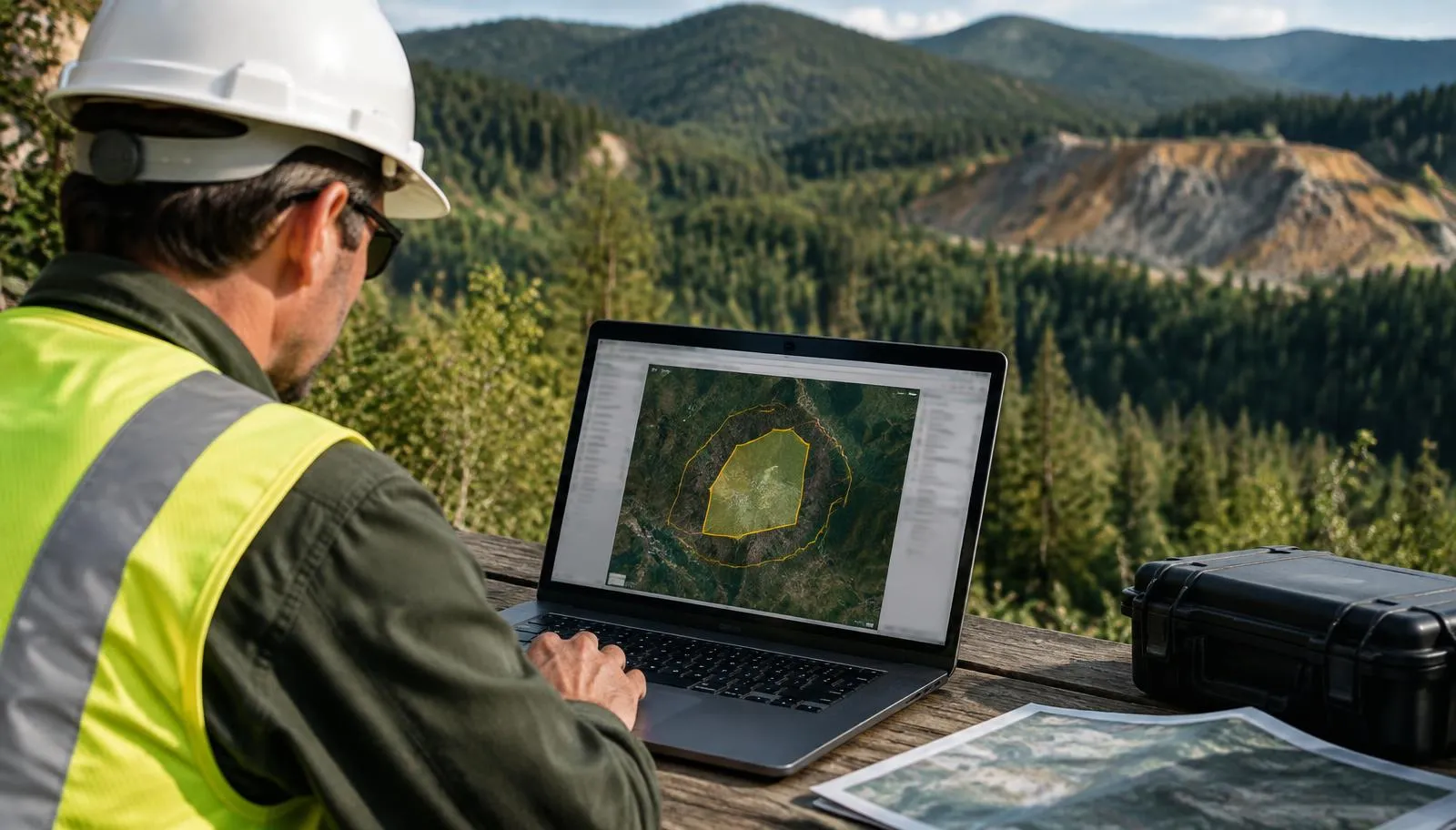
Before anyone flies, run a desktop screen of every ANM process and every property the project touches. It costs a fraction of geological due diligence and removes most unworkable assets.
- 01
Title
Phase, holder, substance, area, expiry, fees and event history of each ANM process.
- 02
Regime
Make sure the asset is not a small-scale garimpo permit described as something bigger. See PLG vs mining concession.
- 03
Land
Overlay the polygons on property perimeters, list every landowner and pull the land registry records.
- 04
Constraints
Test against indigenous lands, conservation units, quilombola territories, settlements, caves and the 150 km border zone.
- 05
Licences
Confirm any environmental licences claimed, with the issuing agency.
The full verification method for advanced and producing assets is in How to verify a mining concession before you buy.
What a screen typically finds
| Finding | What it means for the deal |
|---|---|
| Permit close to expiry with no final report | Value at risk; price must reflect it or the deal must be fast |
| Annual fees unpaid | The right may be voided; cure before signing |
| Holder differs from seller | No deal without a signed mandate or assignment |
| Polygon crosses many properties | Access plan and budget needed before price |
| Overlap with a conservation unit | Part or all of the area may be unworkable |
| Asset is a PLG, not a permit or concession | Different market, different value |
Most screens end with one of three answers: proceed, proceed with conditions, or stop. The value of the exercise is that you reach that answer in days, using public records and a surveyor's overlay, rather than after months of legal work.
§ 04 · Step 4
Structure the deal and the Brazilian subsidiary

Mineral rights in Brazil can only be held by a Brazilian national or by a company incorporated in Brazil with its head office and management in the country. Your Australian company will own a Brazilian subsidiary, and that subsidiary will hold the titles.
Option or earn-in
- Small upfront payment
- Staged payments tied to exploration milestones
- Title transfers on exercise, with ANM approval
- Best for drilled prospects and early ground
Outright purchase
- Full price at completion
- Share purchase or title assignment
- Requires deeper corporate and environmental diligence
- Best for defined deposits and development assets
Plan the land side at the same time. Foreign-controlled companies face restrictions on acquiring or leasing rural land, so access is secured through agreements with landowners and mining easements. The legal framework is set out in Can foreigners buy a mine in Brazil?.
Price mechanics that suit Brazilian vendors
Many Brazilian vendors are individuals who have held their permits for years. Cash today often matters more to them than a larger number later, but they also want to share in success. Structures that combine both tend to close.
- Signing payment to secure exclusivity, small and non-refundable.
- Milestone payments tied to drilling results, a maiden resource or permit approvals.
- Shares in the ASX parent, subject to escrow, which aligns the vendor with the project.
- Net smelter return royalty retained by the vendor, often with a buy-back right.
- Conditions precedent such as ANM approval of the assignment and clean land checks.
§ 05 · Step 5
Plan your ASX disclosure around Brazilian data
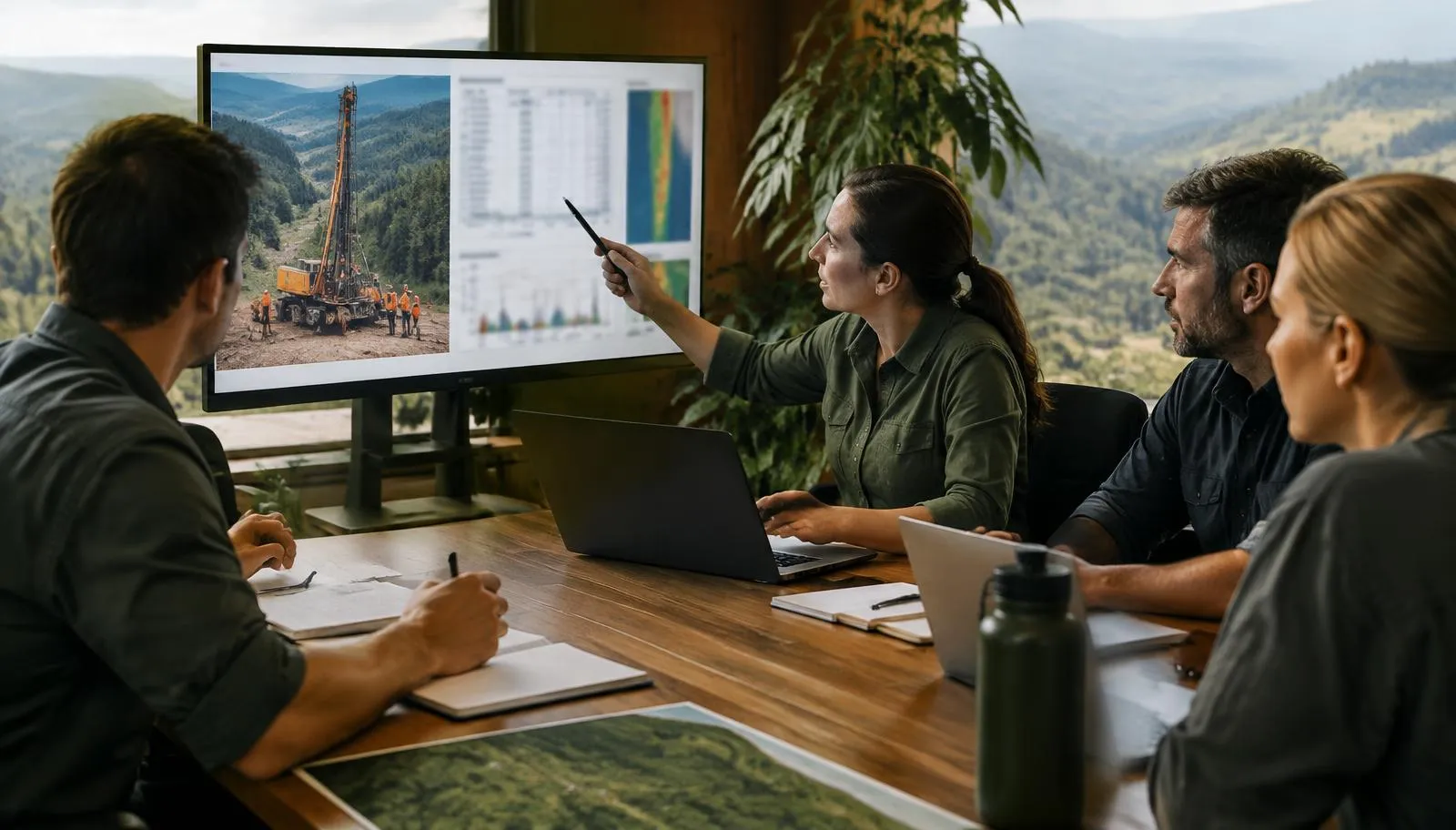
The day you announce a Brazilian gold acquisition, investors will look for numbers. What you can publish depends on what the seller can give your competent person.
- Historical drilling and sampling can be reported as exploration results with JORC Table 1, if the original data supports it.
- ANM-approved estimates and old studies can be reported as foreign or historical estimates under ASX Listing Rule 5.12, with a prominent cautionary statement.
- Exploration targets can show scale as a range, with the conceptual nature stated clearly.
- Contained gold and gold-equivalent figures must never be added together.
The detailed rules are in JORC vs Brazilian ANM reports. The practical step is simple: make the delivery of original reports, assay certificates and drill logs a condition of signing.
Continuous disclosure and Brazilian regulatory events
Once you own Brazilian ground, regulatory events become potential market news: a permit granted, a final report approved, a licence issued, an assignment recorded. Brazilian timelines are not always predictable, so avoid announcing expected dates you do not control. State what has been filed, and announce approvals when they are granted.
§ 06 · Step 6
Build the team on the ground
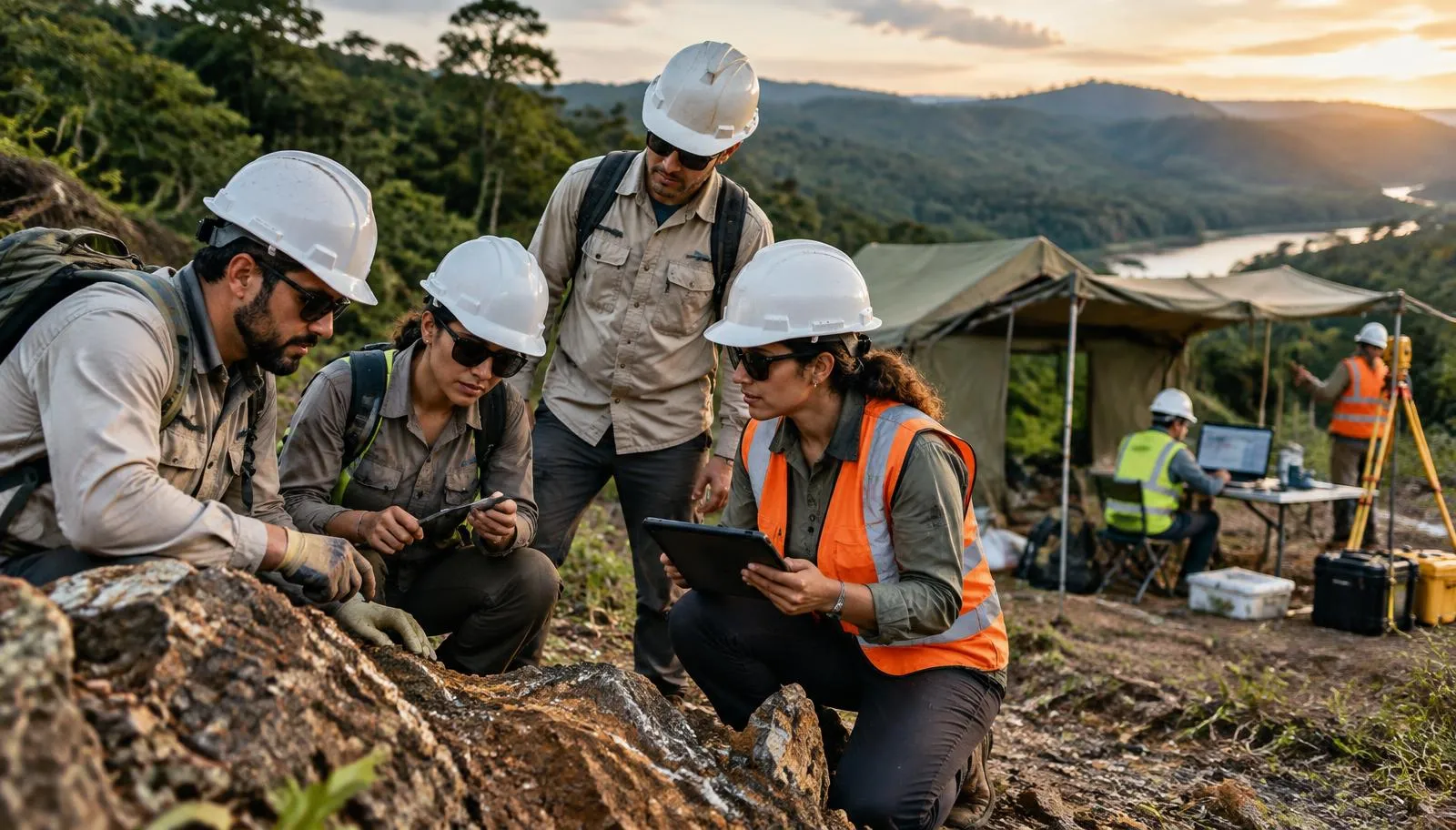
No Australian company runs a Brazilian project from Perth. The core local team is small but specific.
Brazilian geologist
Registered professional who can sign reports to the ANM and manage field work.
Land surveyor
Reconciles ANM polygons with property boundaries and georeferenced surveys, and maps landowners.
Mining lawyer
Title transfers, ANM filings, landowner agreements, corporate structure.
Accountant
Brazilian bookkeeping, tax filings and foreign-investment registration.
Environmental consultant
Licensing for drilling and access, and baseline studies for later stages.
Local liaison
Relationships with landowners, municipalities and communities.
The first site visit: what to see in person
Site visit priorities
- Historical drill collars and their coordinates, compared with the database
- Core or pulps in storage, and their condition
- Access roads and how they cross each property
- Landowners and neighbours, met in person with your local liaison
- Existing workings, garimpo activity and any environmental damage
- Water sources, power lines and the nearest service town
A visit that confirms the paperwork is worth far more than a visit that only confirms the geology. Arrive with the overlay maps from the screen and check them on the ground.
Language matters more than many teams expect. Field crews, landowners and local officials work in Portuguese. A bilingual project manager or a reliable interpreter on site avoids misunderstandings that can damage relationships at the start.
§ 07 · Step 7
The first 12 months after completion
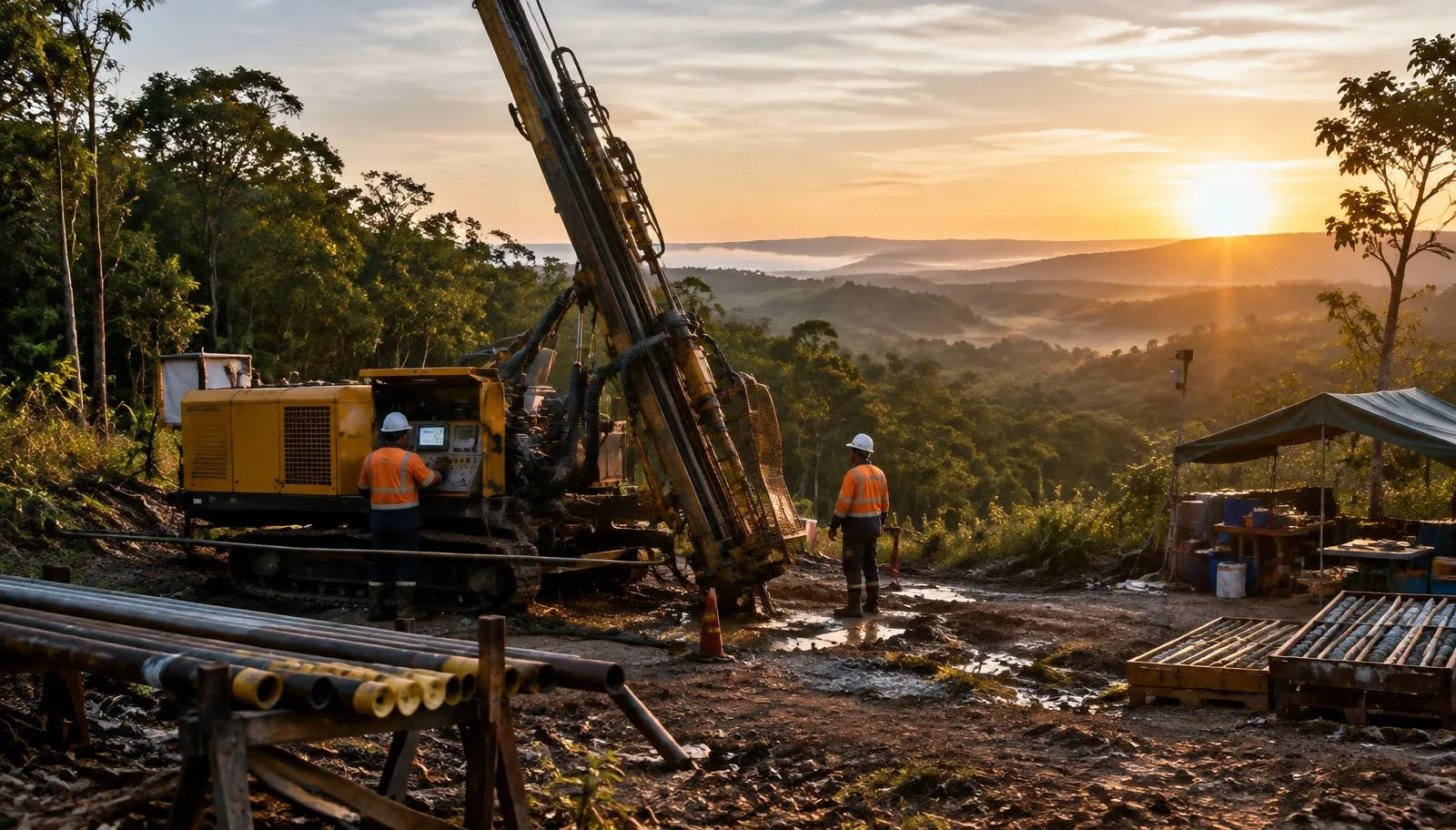
The deal is done. The work that protects its value starts immediately.
- 01
Months 1–2: tenure calendar
Record every permit expiry, fee due date and report deadline. Missed annual fees can void a right.
- 02
Months 1–3: data compilation
Digitise historical data, build the database, plan verification work with your competent person.
- 03
Months 2–4: access and licences
Sign access agreements with landowners and obtain any environmental authorisations for drilling.
- 04
Months 4–9: verification drilling
Twin key historical holes, re-assay retained material, run full QA/QC.
- 05
Months 9–12: first JORC milestone
Exploration target or maiden resource, depending on results. Prepare the ANM reports due on each permit.
Companies that treat the Brazilian tenure calendar as seriously as the drill programme keep their projects. Companies that do not sometimes discover that a key permit lapsed while they were waiting for assays.
Budget lines newcomers underestimate
| Item | Why it matters |
|---|---|
| Annual per-hectare fees (TAH) | Payable on every permit; scales with area |
| Landowner compensation | Required for occupation and damage during exploration |
| Environmental authorisations | Needed before drilling in many cases |
| Local administration | Accounting, tax filings and resident management of the subsidiary |
| Translation and legal review | Every key document exists in Portuguese first |
| Community engagement | Time and resources that save months later |
Building a Brazilian gold portfolio?
Share your mandate. We bring titleholder-mandated gold assets with tenure and land already checked, and support you through the screening and structuring stages.
Send your mandate§ FAQ
Frequently asked questions
Can an Australian company own a gold project in Brazil?
Yes, through a Brazilian subsidiary. Mineral rights must be held by a company incorporated in Brazil with its head office and management in the country; that company can be wholly owned by the Australian parent, except in the border zone.
How long does it take to acquire a gold project in Brazil?
A desktop tenure screen takes days. Due diligence, structuring and signing typically take two to six months, and ANM approval of any title transfer adds time after signing.
Where are the best gold exploration districts in Brazil?
Key belts include Tapajós and Carajás in Pará, Alta Floresta in Mato Grosso, the Goiás greenstone belts, the Almas region in Tocantins, the Quadrilátero Ferrífero in Minas Gerais and the Gurupi belt in Maranhão and Pará.
Can Brazilian historical gold data be reported on the ASX?
Historical drilling can support exploration results if the original data is available, and old estimates can be reported as foreign or historical estimates under ASX Listing Rule 5.12 with a cautionary statement.
What is the gold royalty in Brazil?
The federal CFEM royalty on gold is 1.5%, and surface owners are entitled to a participation equal to 50% of the CFEM.
Do I need a Brazilian partner to buy a gold project?
Not as a shareholder, but you will need Brazilian professionals: a registered geologist, a land surveyor, a mining lawyer, an accountant and resident management for the subsidiary.
When is the best time to drill in central Brazil?
Usually the dry season, roughly from May to September across much of central and northern Brazil, when unpaved roads are passable.
Is Brazilian gold ground cheaper than in Western Australia?
Entry prices for exploration-stage ground are often lower, reflecting lighter historical exploration and less competition in many belts, but costs for land access, licensing and local administration must be added to the comparison.

Mathematician, Land Surveyor and Licensed Real Estate Broker · CRECI-TO 4631
BRAZIL MINE — Mining & Minerals
Keep reading