Gold · Canada · Australia · Middle East buyers
Gold mines for sale in Brazil: how to verify a mining concession before you buy
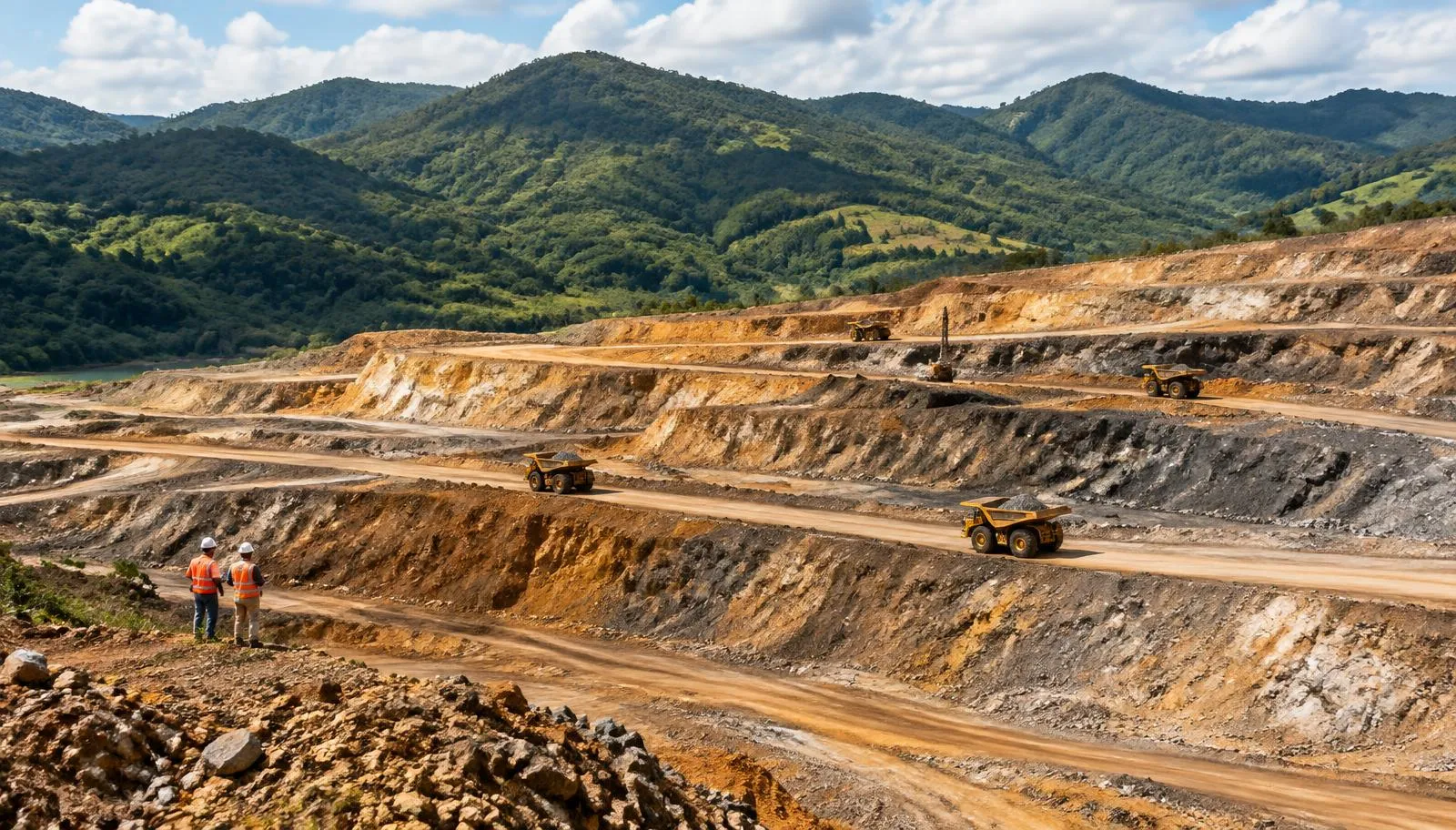
Brazil has real gold mines for sale. It also has an industry of offers that use the right words for the wrong assets. The buyers who do well here are not the ones with the best contacts. They are the ones who check five things, in the right order, before anyone books a flight. This is that checklist, written from the desk that runs it every week.
Key takeaways
- In Brazil, a “licensed gold mine” should mean a mining concession (Portaria de Lavra) plus a current environmental operating licence, not just one of them.
- Verify in this order: the mining title, the environmental licences, the land and its owners, the tailings dam, and finally the production claims.
- Much of this can be checked from public sources: the ANM registry, its dam-safety system and its royalty collection data.
- Production claims should match royalty payments. A mine that says it produces but pays no CFEM is a mine that needs explaining.
- Gold trading in Brazil is now under much tighter traceability rules, so origin and documentation are part of the asset's value.
In this article
International interest in Brazilian gold has never been higher. Established producers are expanding, Canadian and Australian companies have bought and built mines here in recent years, and the gap between today's gold price and the prices used in many older studies has put long-dormant projects back on the table.
The challenge is not finding offers. It is filtering them. A single WhatsApp group can circulate a dozen “licensed gold mines” a week, each with a convincing photo and an impressive number. This guide gives you a disciplined way to separate the assets worth a site visit from the ones that will waste a quarter. For the assets we currently represent, see gold projects for sale in Brazil.
The five steps below run from the cheapest check to the most expensive. If an asset fails at step one, you never need to pay for step four. That ordering is the whole point of the method.
§ 01 · The map
Where Brazil's gold mines and projects are
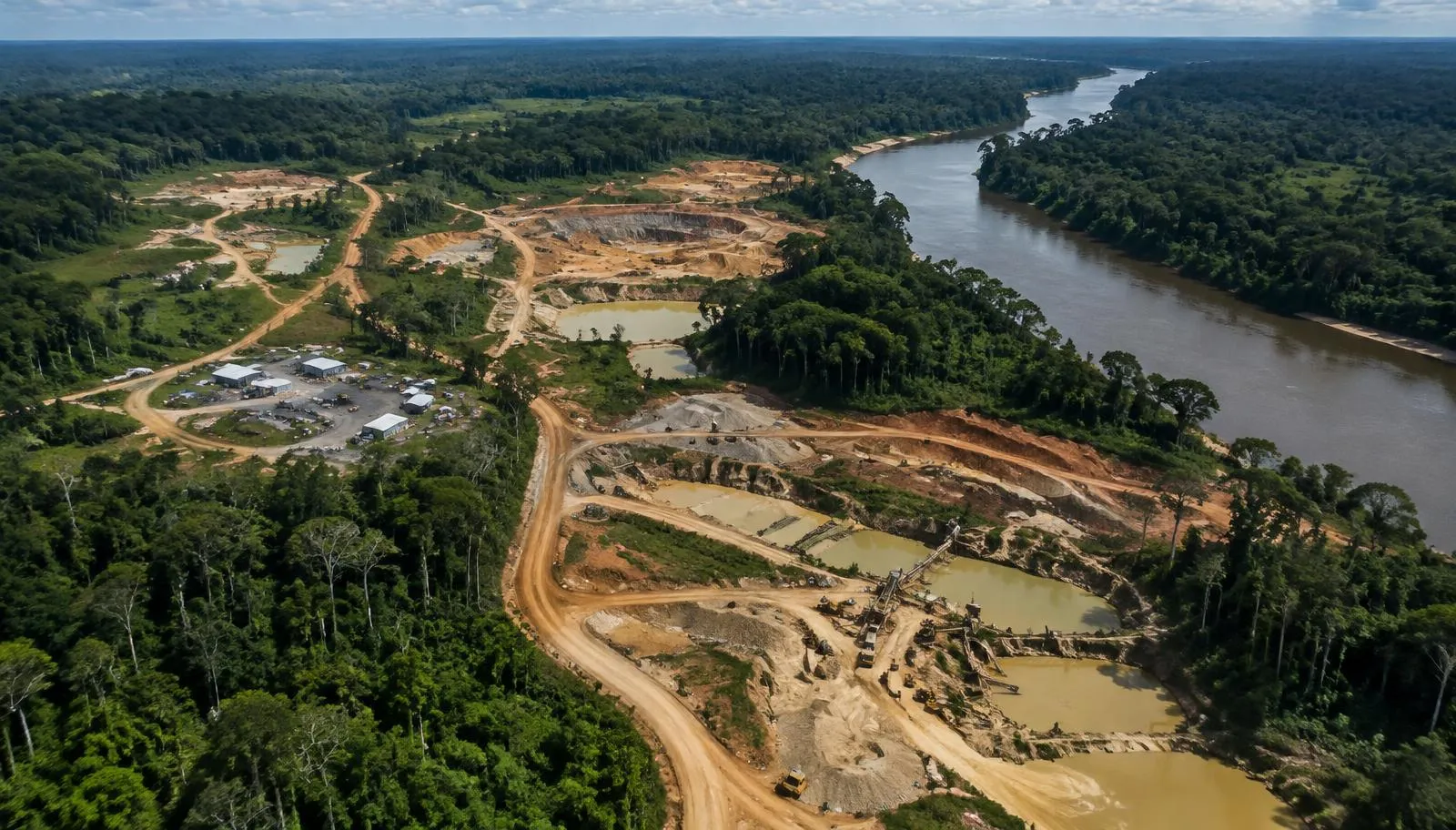
Gold occurs across much of Brazil, but serious mines and projects cluster in a handful of provinces. Knowing them helps you judge whether an offer makes geological sense before you look at the paperwork.
| Province | State | Character |
|---|---|---|
| Tapajós | Pará | Vast historic garimpo district, now home to modern projects such as Tocantinzinho |
| Carajás | Pará | World-class iron-oxide copper-gold belt; gold often with copper |
| Alta Floresta – Juruena | Mato Grosso | Long garimpo history, active exploration by juniors |
| Quadrilátero Ferrífero | Minas Gerais | Brazil's historic underground gold heartland |
| Paracatu | Minas Gerais | Home of Brazil's largest gold mine, operated by Kinross |
| Goiás belts (Crixás, Mara Rosa) | Goiás | Greenstone-hosted gold, recent mine developments |
| Almas – Dianópolis | Tocantins | Greenstone gold, producing operation at Almas |
| Gurupi | Maranhão / Pará | Under-explored belt with producing and advanced projects |
An offer outside these areas is not automatically wrong, but it raises the bar for evidence. An offer inside them should still be checked against the specific polygon, because a famous district does not make every title in it valuable.
Using geology to sanity-check an offer
Before any document arrives, ask where the asset is. If the location is in a known province, ask what kind of deposit it is and compare that with the district: alluvial gold in a river system, a quartz-vein system in a greenstone belt, or a large low-grade disseminated deposit. An offer that claims a large, high-grade underground mine in a district known only for alluvial garimpo deserves extra scrutiny.
§ 02 · Definitions
What “licensed” should mean for a Brazilian gold mine
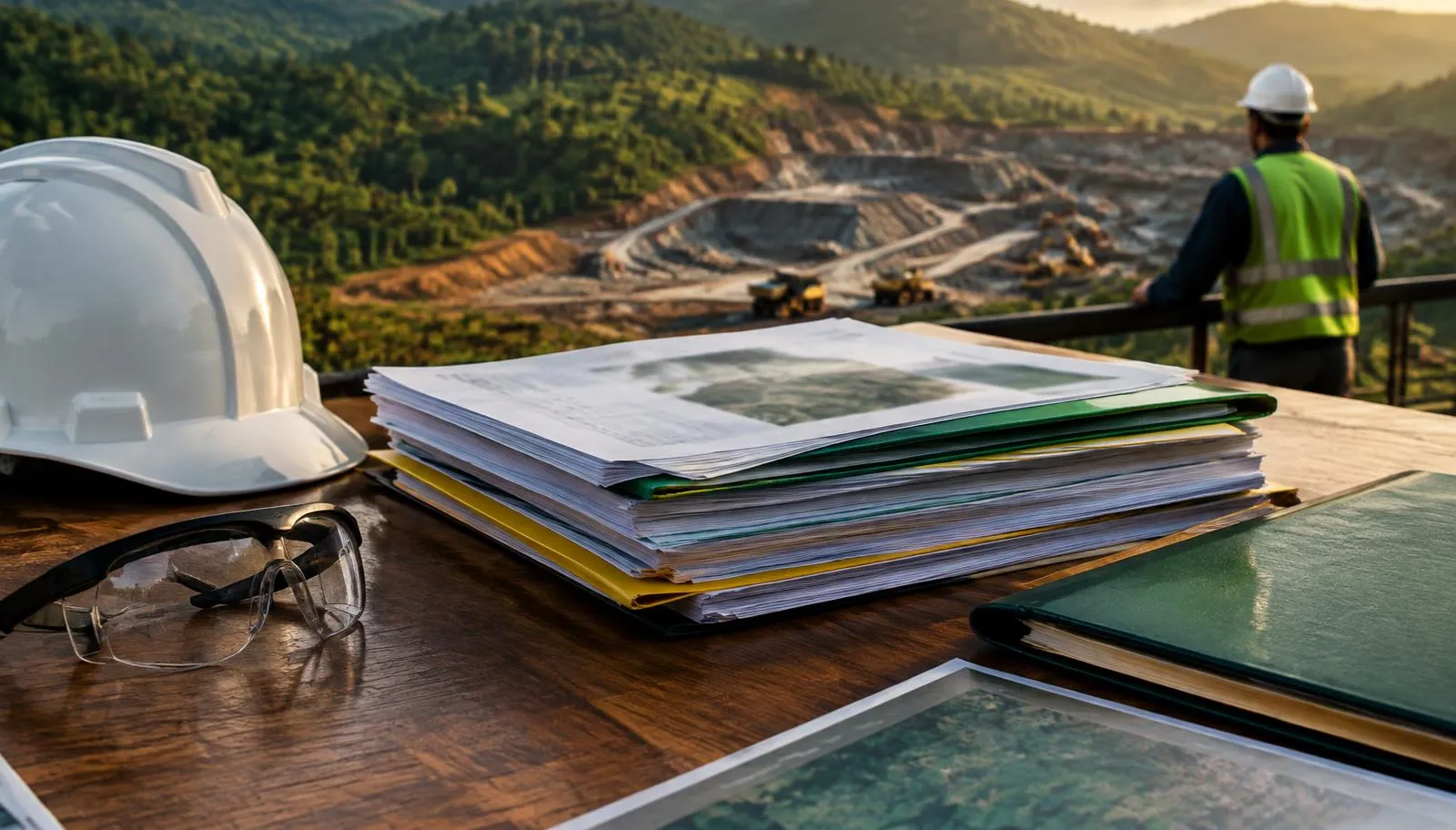
When a buyer asks for a licensed mine, they usually mean an operation that can legally produce today. In Brazil that requires several separate approvals, issued by different authorities. Sellers often hold one and describe all of them.
Mining concession
The federal mining title (Portaria de Lavra), granted after an approved exploration report and economic development plan.
Operating licence (LO)
Issued by the state environmental agency, or by IBAMA in federal cases, after preliminary (LP) and installation (LI) licences.
Water-use permit (outorga)
Required to abstract water or discharge effluent. Processing plants depend on it.
Tailings dam compliance
Dams are registered in the ANM's dam-safety system and subject to Brazil's national dam-safety policy.
Explosives registration
Use and storage of explosives is controlled by the Brazilian Army.
Surface access
Ownership or a legal right to occupy the land where the mine and plant sit.
In practice, ask the seller to list each approval with its number, issuing authority and expiry date. A real operator can produce this list immediately. A seller who answers with a general statement that “everything is licensed” is telling you that the list has not been put together, or that it would not look good if it were.
§ 03 · Step 1
Step 1: verify the mining title at the ANM
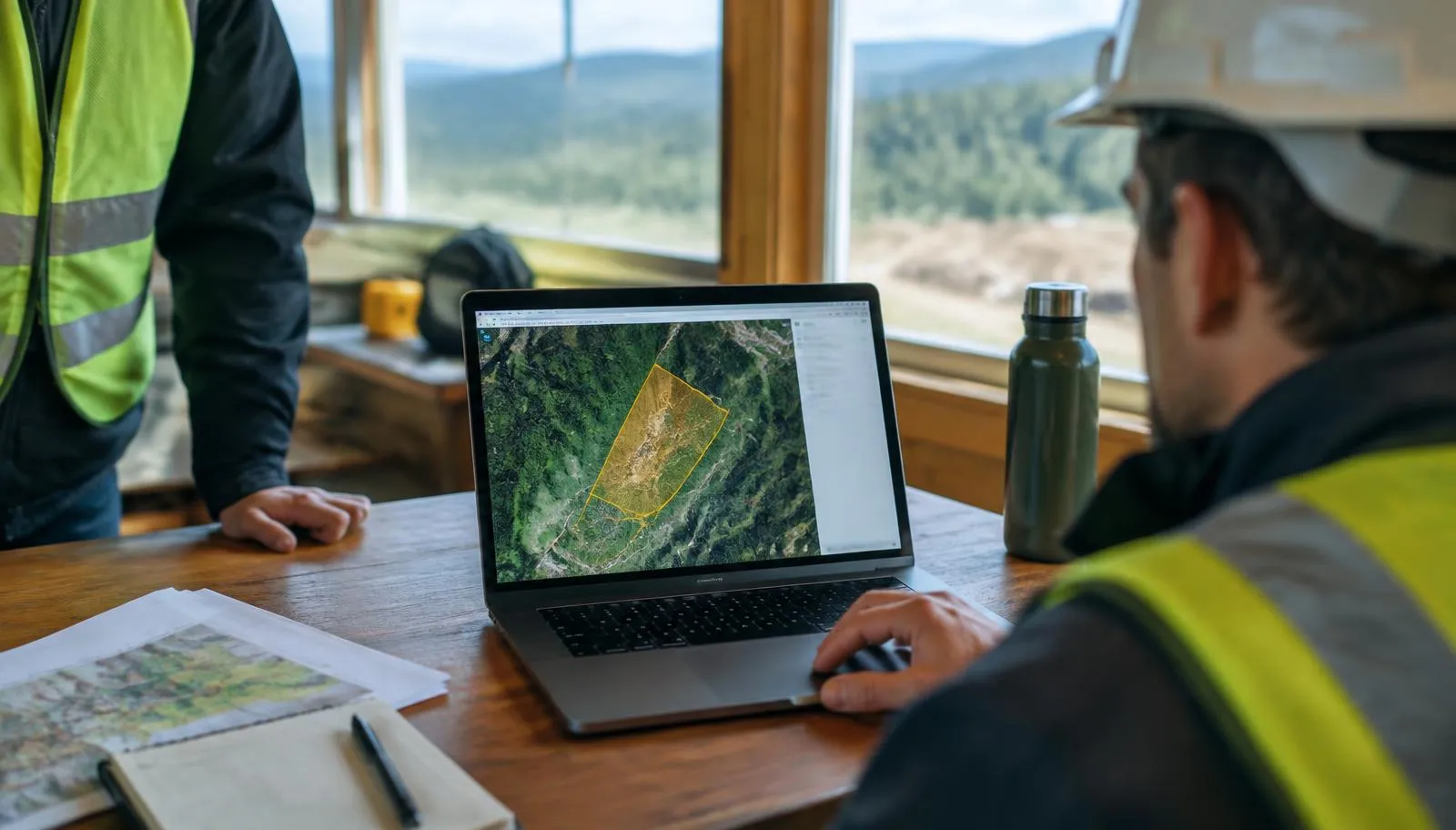
Everything starts with the ANM process number, in the format 000.000/0000. With it, anyone can consult the ANM's public geographic system (SIGMINE) and its Mining Registry (Cadastro Mineiro). Ask for every number in writing, then check each one.
Title checks
- Phase: the record must show mining concession (concessão de lavra), not exploration permit, mining application or PLG
- Substance: gold must be listed. Records may show it as gold or as gold ore; check both
- Holder: the registered company must match the seller, or the seller must hold its signed mandate
- Area: the official hectares, not the brochure figure
- Event history: the date of the concession ordinance, assignments, fines, suspensions and closure plans
- Annual mining report (RAL): whether it has been filed every year, and what production it declares
If the asset is a mining application rather than a granted concession, it is not yet a mine with a title to operate. It may still be valuable, but the price must reflect the remaining regulatory steps and their timing.
Reading the event history
- Assignments: has the title changed hands, and was each transfer approved?
- Fines and notices: repeated penalties suggest an operator with compliance problems.
- Suspensions: any suspension of mining activity and its cause.
- Annual reports: gaps in the annual mining report filings.
- Closure: any filing of a mine closure plan, which contradicts a description of active production.
Remember that the ANM record shows the title, not the business. A clean title held by a company with debts, lawsuits or tax problems can still be a difficult acquisition, which is why corporate due diligence follows the title check if you buy shares rather than the title itself.
§ 04 · Step 2
Step 2: verify the environmental licences and the tailings dam
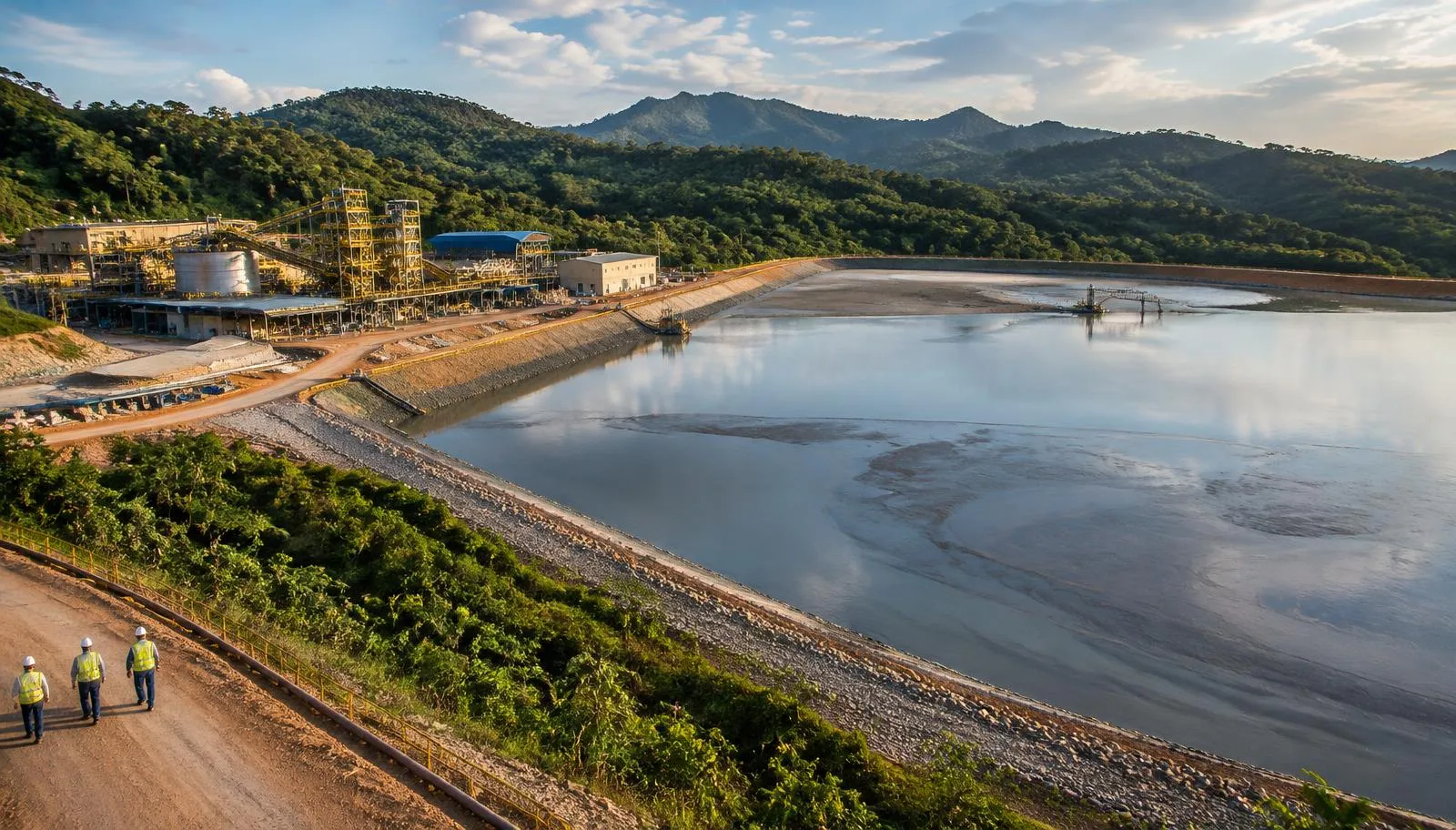
A concession without a current operating licence cannot legally produce. Ask for the licence itself, not a description of it, and confirm it with the issuing agency.
- 01
Identify the licensing authority
Usually the state environmental agency of the state where the mine sits; federal licensing by IBAMA in specific cases.
- 02
Get the LO number and expiry date
Check whether a renewal was requested on time. A licence that expired without a timely renewal request is a serious problem.
- 03
Read the conditions
Operating licences carry conditions (condicionantes). Unmet conditions can lead to fines or suspension.
- 04
Check the water-use permits
Confirm the outorga for water abstraction and effluent discharge covers the plant's real consumption.
- 05
Check the tailings dam
Look up the dam in the ANM's dam-safety system, its risk and damage-potential classification and its stability declarations.
Environmental liabilities transfer with the asset in practice, whoever caused them. This is one of the main reasons buyers sometimes prefer a title assignment to a share purchase, as explained in Can foreigners buy a mine in Brazil?.
Licence renewal timing
Under Brazil's federal environmental framework, an operating licence whose renewal is requested at least 120 days before its expiry remains valid until the agency decides. A licence that expired without a timely renewal request is a different situation, and operating without it exposes the operator and its buyers to sanctions. Always ask for the renewal protocol and its date.
§ 05 · Step 3
Step 3: verify the land under the mine
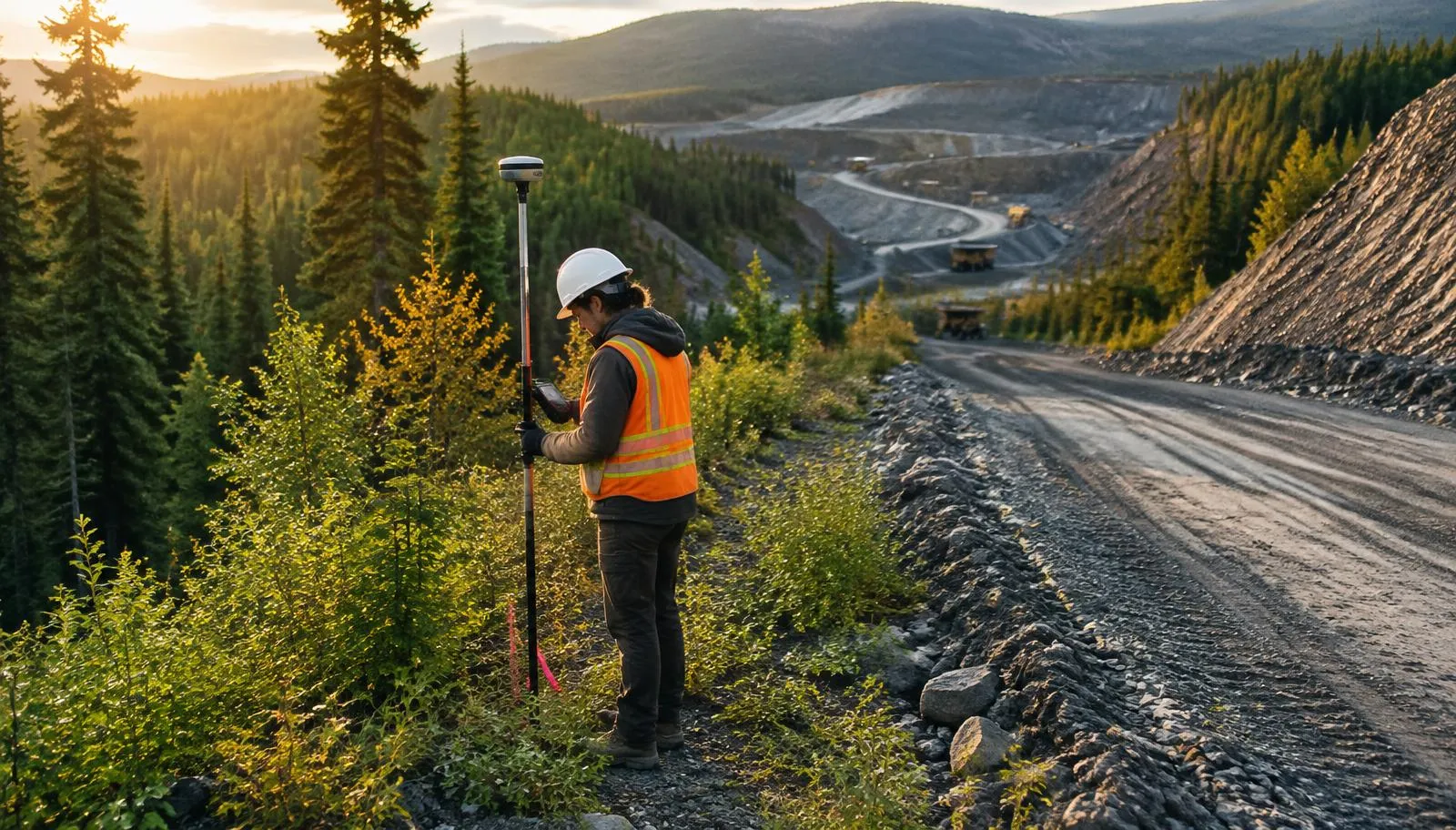
The mining title gives the right to the gold. It does not give the right to the land. The pit, the plant, the dam and the access road all sit on surface that someone owns, recorded in the local land registry under a matrícula.
- Obtain an updated matrícula for every property the operation uses.
- Review the chain of title back to its origin. Brazil's agricultural frontier has a history of irregular titling, and a defective origin can undermine every later transfer.
- Overlay the ANM polygon on the property perimeters and identify every landowner the mining right crosses.
- Check how the operation occupies each property: ownership, easement, lease or contract, and whether it is registered.
- Look for mortgages, liens, court disputes and undivided inheritances recorded on each matrícula.
Deals die on tenure, not geology.
Polygon overlap is the check most often skipped by foreign buyers, simply because it requires local surveying capability. It is also where we most often find that a mine depends on land its seller does not control.
§ 06 · Step 4
Step 4: test the production and resource claims
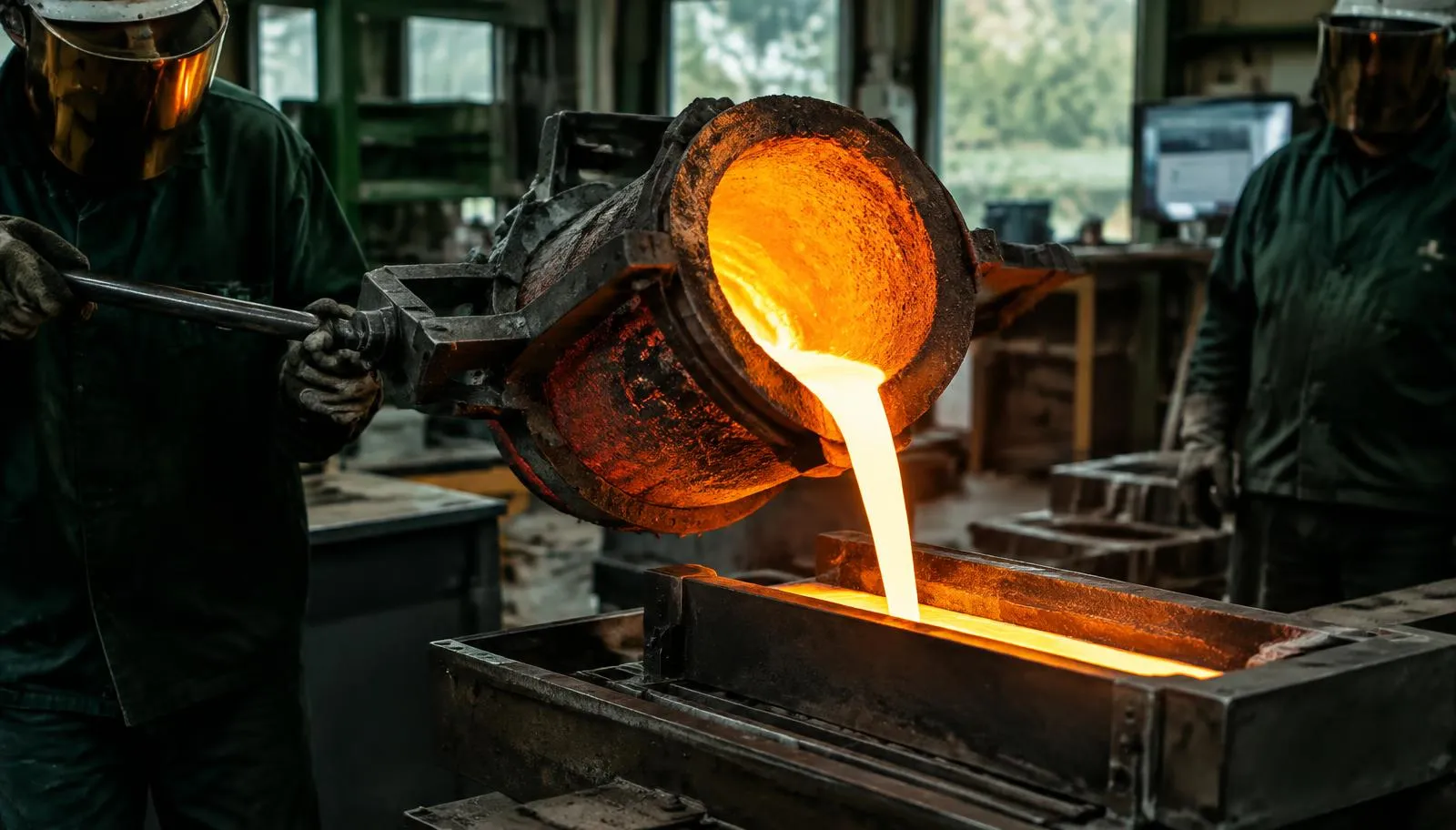
Production figures in an offer are claims. Brazil gives you two public ways to test them, and a third private one you should insist on.
CFEM royalty payments
Producers pay a 1.5% federal royalty on gold. The ANM publishes royalty collection data, so declared production can be compared with royalties actually paid.
Annual mining reports
Concession holders file an annual mining report with the ANM declaring their production.
Sales documentation
Invoices, refinery or buyer statements and bank records. Since 2023, gold trading in Brazil has been brought under electronic invoicing and much stricter origin rules.
Resource claims need their own test. Any figure for ounces, grades or reserves should come from a technical report signed by a qualified or competent person. If the only number is in a seller's spreadsheet, treat it as unverified. If a historical estimate exists, it can be disclosed correctly, as explained in NI 43-101 and Brazilian gold projects.
Plant, equipment and people
A producing mine is also a plant, a fleet and a workforce. Ask for the equipment list with ownership status, the processing flowsheet and its real throughput, the recovery achieved, and the number of employees and contractors. Leased equipment, plants running far below capacity or recoveries that do not match the reported production are all questions to resolve before price discussions.
§ 07 · Step 5
Step 5: read the offer itself, then decide

Before any of the technical work above, the offer document already tells you a great deal. These are the markers that consistently predict a proposal will not survive screening.
Bank-instrument vocabulary
NCNDA, IMFPA, proof of funds, soft probe, SBLC. This language belongs to a known fraud ecosystem, not to mining M&A.
A fee to open the file
Legitimate sellers and intermediaries are paid on completion.
Grades with no qualified person
Resource numbers without a signed technical report are marketing, not data.
Metal without papers
Physical gold “ready for shipment” offered without invoices, documented origin or the right to inspect before payment usually signals a broker chain, not an owner. See how to buy physical gold from Brazil.
No process number
Nothing can be verified, and verification is the whole exercise.
Guaranteed permits
No Brazilian authority guarantees renewals or decades of operation.
If an asset passes all five steps, it deserves a letter of intent, a site visit and full legal and technical due diligence. If it fails one, you have saved the cost of everything that would have followed.
A realistic timeline
| Stage | What happens | Indicative time |
|---|---|---|
| Desktop verification | Title, licences, land and constraints | Days to two weeks |
| Confidentiality and data room | NDA, process numbers, documents | One to three weeks |
| Letter of intent | Price, structure, exclusivity | Two to four weeks |
| Due diligence and site visit | Technical, legal, environmental, tax | One to three months |
| Signing and approvals | Definitive agreements, ANM approval if a title transfers | Varies by case |
Looking for a producing or construction-ready gold asset?
Tell us your mandate: production profile, budget and timeline. We only present assets whose title, licences and land have already been checked.
Request a confidential summary§ FAQ
Frequently asked questions
What makes a gold mine “licensed” in Brazil?
A granted mining concession from the federal level (Portaria de Lavra) plus a current environmental operating licence from the competent agency, along with water-use permits, tailings dam compliance and explosives registration where applicable.
Can I check a Brazilian mining title myself?
Yes. With the ANM process number you can consult the ANM's public SIGMINE system and the Cadastro Mineiro, which show the phase, holder, substance, area and event history of the title.
How can I verify a mine's gold production?
Compare declared production with the CFEM royalty payments published by the ANM and with the annual mining reports filed by the holder, then confirm with invoices and buyer or refinery statements.
Where are the main gold mining areas in Brazil?
Key provinces include Tapajós and Carajás in Pará, Alta Floresta in Mato Grosso, the Quadrilátero Ferrífero and Paracatu in Minas Gerais, the Goiás greenstone belts, the Almas region in Tocantins and the Gurupi belt in Maranhão and Pará.
Do I need to buy the land to buy a gold mine in Brazil?
Not necessarily, and foreign-controlled companies face restrictions on acquiring rural land. Mines commonly use mining easements and agreements with landowners, which must be verified during due diligence.
What are the biggest red flags in a Brazilian gold mine offer?
Bank-instrument vocabulary such as NCNDA or IMFPA, fees to open a file, resource figures without a qualified person's report, no ANM process numbers, offers of physical gold without invoices, origin or inspection, and promises of guaranteed permits.
Can a mining concession in Brazil expire?
A concession has no fixed term, but it can be lost through serious non-compliance, such as abandoning mining or failing regulatory obligations. Check the event history at the ANM for fines, notices and suspensions.
Who issues the environmental licence for a gold mine in Brazil?
Usually the environmental agency of the state where the mine is located. Federal licensing by IBAMA applies in specific cases, for example when a project affects more than one state or federal areas.

Mathematician, Land Surveyor and Licensed Real Estate Broker · CRECI-TO 4631
BRAZIL MINE — Mining & Minerals
Keep reading