Legal & structure · Gulf · Canada · Australia · Global investors
Can foreigners buy a mine in Brazil? Ownership rules and legal structure
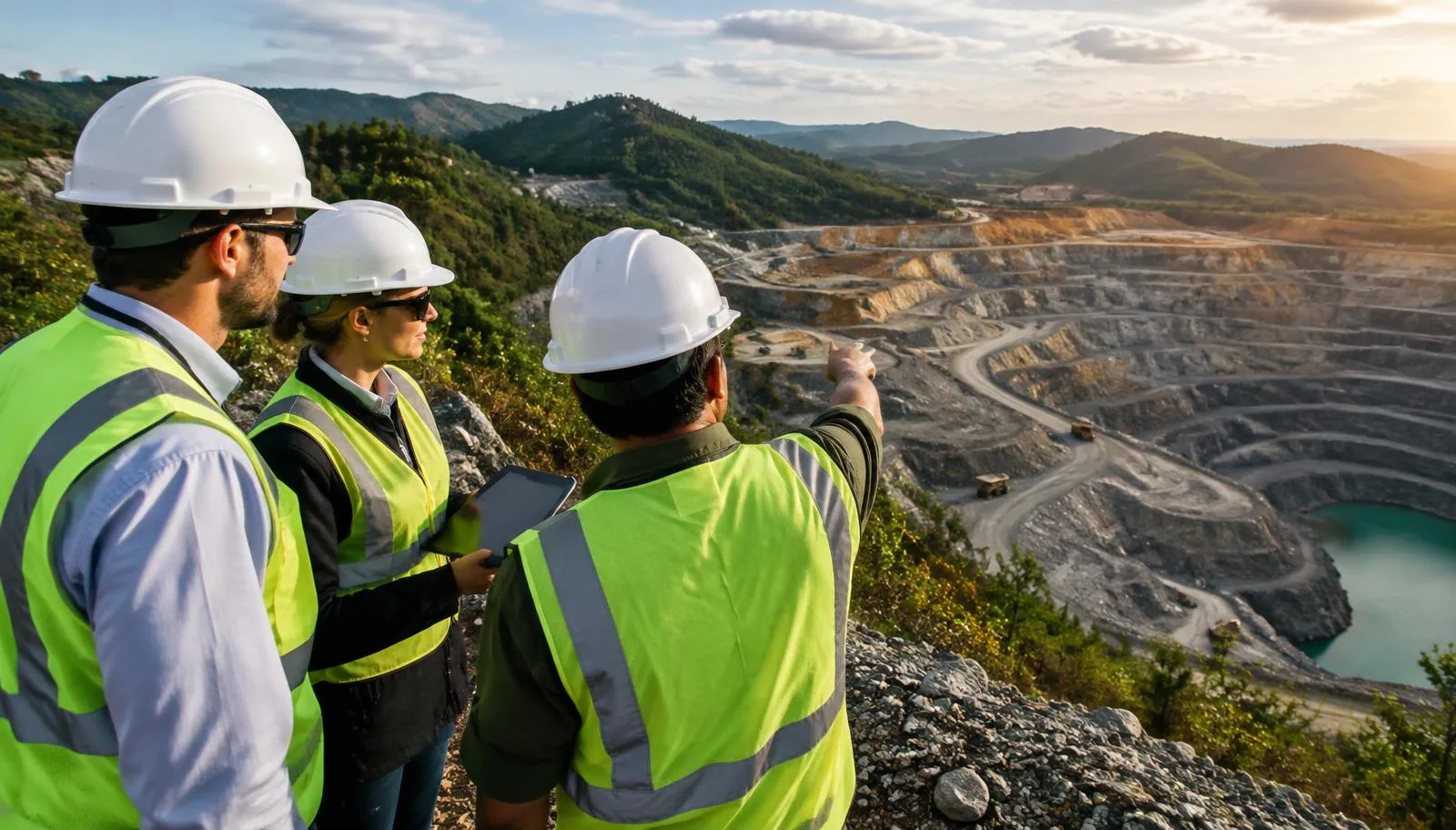
Yes, a foreign investor can own a mine in Brazil, and Canadian, Australian, Chinese and Gulf capital already does. But not one of them holds the mineral right directly. The structure is fixed by the Constitution, the farm above the deposit is governed by a separate statute that surprises most newcomers, and the deals that close are the ones designed around both rules from the first week. This is the map.
Key takeaways
- Mining rights in Brazil can only be held by Brazilian nationals or by a company incorporated under Brazilian law with its head office and management in Brazil.
- Foreign investors participate through shareholding in that Brazilian company. Foreign ownership of the company itself is permitted in mining.
- Rural land is different: Law 5.709/1971 restricts acquisition, and leasing, of rural land by foreigners and by Brazilian companies under foreign control.
- Surface access is therefore normally secured through mining easements and agreements with landowners, not by buying the farm.
- Within 150 km of Brazil's land borders, mining companies face additional requirements on Brazilian capital and national-security approval.
In this article
When we speak with buyers in Toronto, Perth, Riyadh or Dubai, the first question is almost always the same: can we actually own this? The question is reasonable. Brazil's mining law has a constitutional layer, a mining code from 1967, a modern regulator created in 2017 and a separate body of rules for rural land. Read in isolation, any one of them can give the wrong impression.
This guide puts the pieces in order. It is written for decision-makers, not lawyers, and it does not replace Brazilian legal and tax advice. What it will do is let you ask the right questions on the first call, and recognise quickly when a proposed structure cannot work.
§ 01 · The rule
The short answer: yes, through a Brazilian company
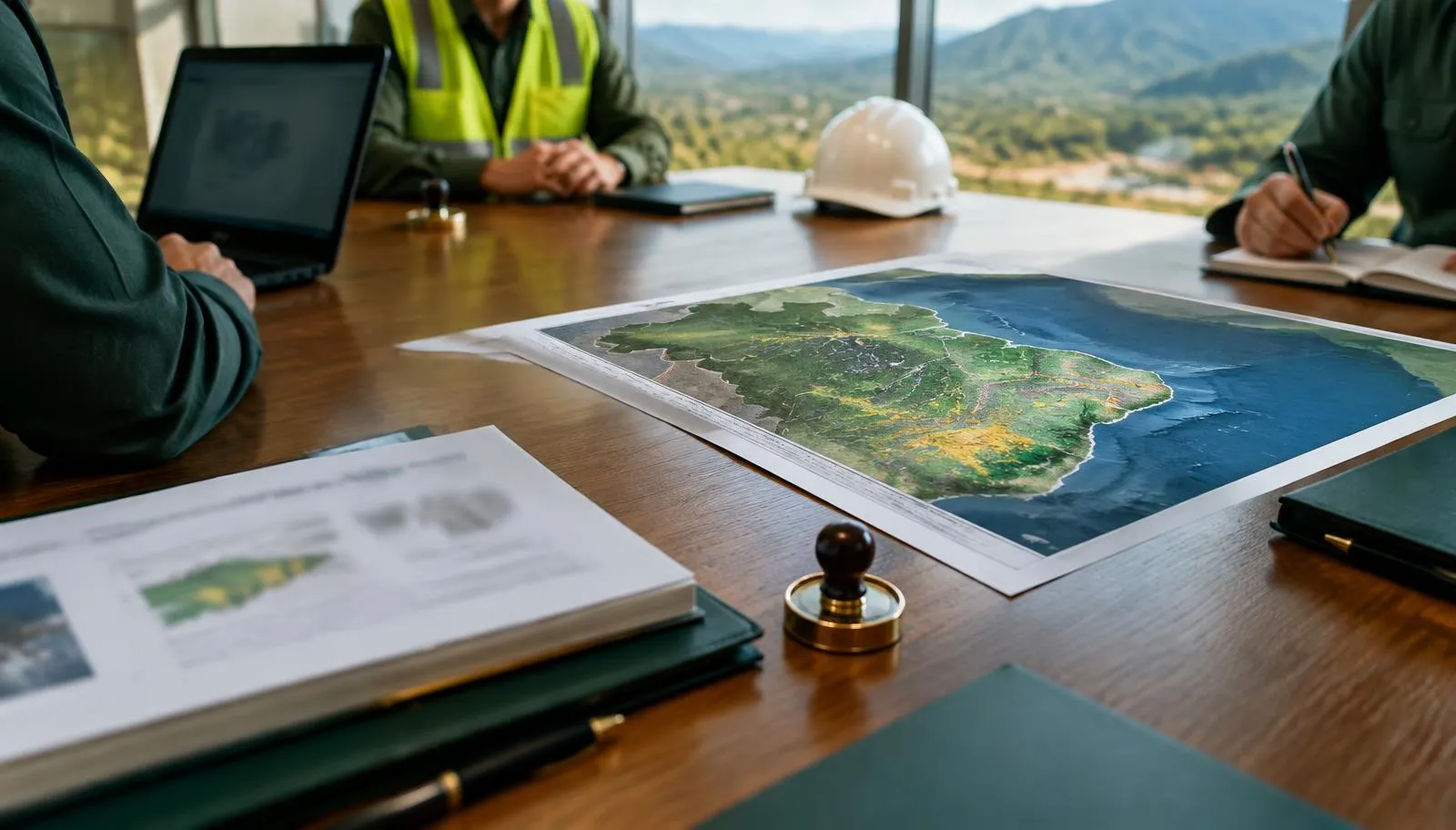
Article 176 of the Brazilian Federal Constitution separates mineral deposits from the land and makes them property of the Federal Union. Exploration and mining are carried out under federal authorisation or concession, granted only to Brazilian nationals or to a company incorporated under Brazilian law with its head office and management in Brazil.
The phrase that matters is incorporated under Brazilian law. It does not say Brazilian-owned. A Brazilian limited company (Ltda.) or corporation (S.A.) can be wholly owned by a Canadian, Australian or Saudi parent and still hold exploration permits and mining concessions in its own name. That is exactly how the international producers operating in Brazil are organised.
What does not work
- A foreign company applying to the ANM in its own name
- A foreign individual registered as the holder of a mineral right
- A side letter in which a Brazilian holds the title for a foreign party
What works
- A Brazilian Ltda. or S.A. holding the mineral rights
- Foreign shareholders owning that company, up to 100%
- Governance, funding and exit set in a shareholders' agreement
This openness is relatively recent in historical terms. Until a constitutional amendment in 1995, mining rights were reserved to companies controlled by Brazilian capital. The change opened the sector to foreign ownership through Brazilian-incorporated companies, which is the model every international miner in Brazil now uses. The main exception that survives is the border zone, discussed below.
§ 02 · The vehicle
Setting up the Brazilian vehicle

Most foreign buyers either incorporate a new Brazilian company or acquire an existing one that already holds the mineral rights. The second route is faster and keeps the titles where they are, but it brings the company's whole history with it, which makes due diligence on the company as important as due diligence on the ground.
- 01
Register the foreign shareholder
Foreign shareholders obtain a Brazilian taxpayer number (CNPJ for companies, CPF for individuals) through a local representative.
- 02
Choose the corporate form
A limited company (Ltda.) is simpler and common for project vehicles. A corporation (S.A.) suits larger projects, multiple investors or a future listing.
- 03
Appoint resident management
The company needs administrators resident in Brazil and a registered head office in the country.
- 04
Register the foreign investment
Capital brought into Brazil is registered with the Central Bank, which matters for future repatriation of capital and profits.
- 05
Register with the ANM
The company becomes the holder of record once mineral rights are applied for, or once an assignment is approved and recorded by the ANM.
None of these steps is unusual by international standards, but each takes time. A realistic buyer builds four to eight weeks for corporate set-up into the timetable, in parallel with technical due diligence.
Ltda. or S.A.?
| Limited company (Ltda.) | Corporation (S.A.) | |
|---|---|---|
| Set-up | Simpler and faster | More formal |
| Governance | Quotaholders and administrators | Shareholders, board optional for closely held |
| Best for | Single-parent project vehicles | Several investors, larger projects |
| Future listing | Requires conversion | Can list on the Brazilian exchange |
§ 03 · Deal types
Four ways to acquire a Brazilian mineral asset
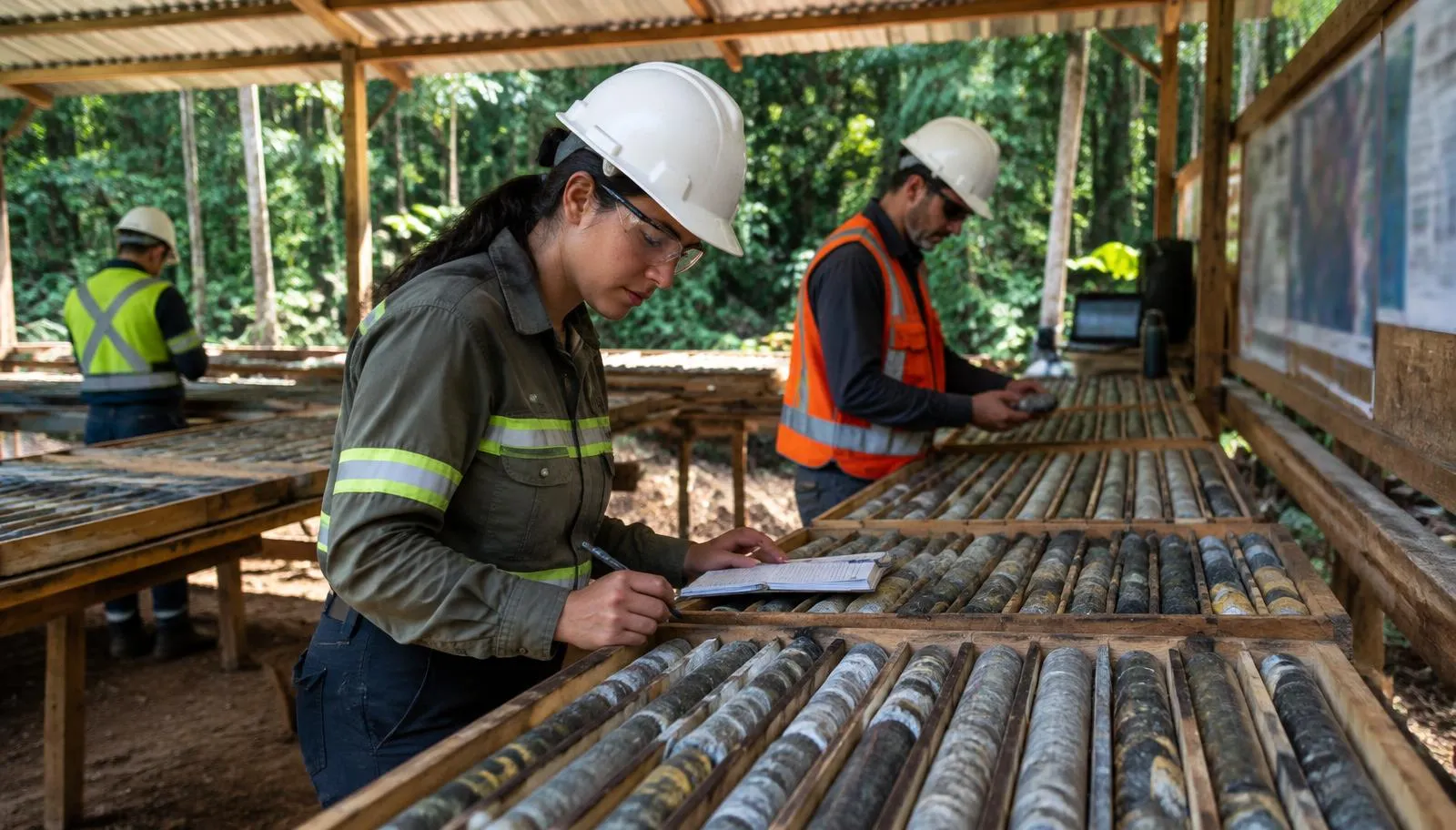
Outright purchase is only one option. In Brazil, where many titleholders are private individuals or small family companies, staged structures often fit better and reduce risk for the buyer.
| Structure | How it works | Best for |
|---|---|---|
| Share purchase | Buy the Brazilian company that already holds the titles | Advanced assets with clean corporate history |
| Title assignment | The titleholder assigns the ANM process to your Brazilian company, subject to ANM approval | Titles held by individuals or by companies with liabilities you want to avoid |
| Option agreement | Exclusive right to buy at a set price after an exploration period, with option payments | Early-stage ground where geology is still unproven |
| Joint venture or earn-in | Earn a stake by funding exploration, while the titleholder keeps a share | Sellers who want to retain upside; large copper and lithium projects |
Whatever the structure, the asset is only as good as its paper. Before any of these documents is drafted, confirm the regime and phase of every title, its holder, its area and its standing at the ANM. The difference between a garimpo permit and a mining concession is a classic trap, covered in PLG vs mining concession.
Where a title transfer is part of the deal, make ANM approval of the assignment a condition precedent, and agree who keeps the title in good standing until it is recorded. Fees and reports keep falling due during the approval period, and a lapse at that stage hurts both sides.
§ 04 · The surprise
The land question: why you usually should not buy the farm
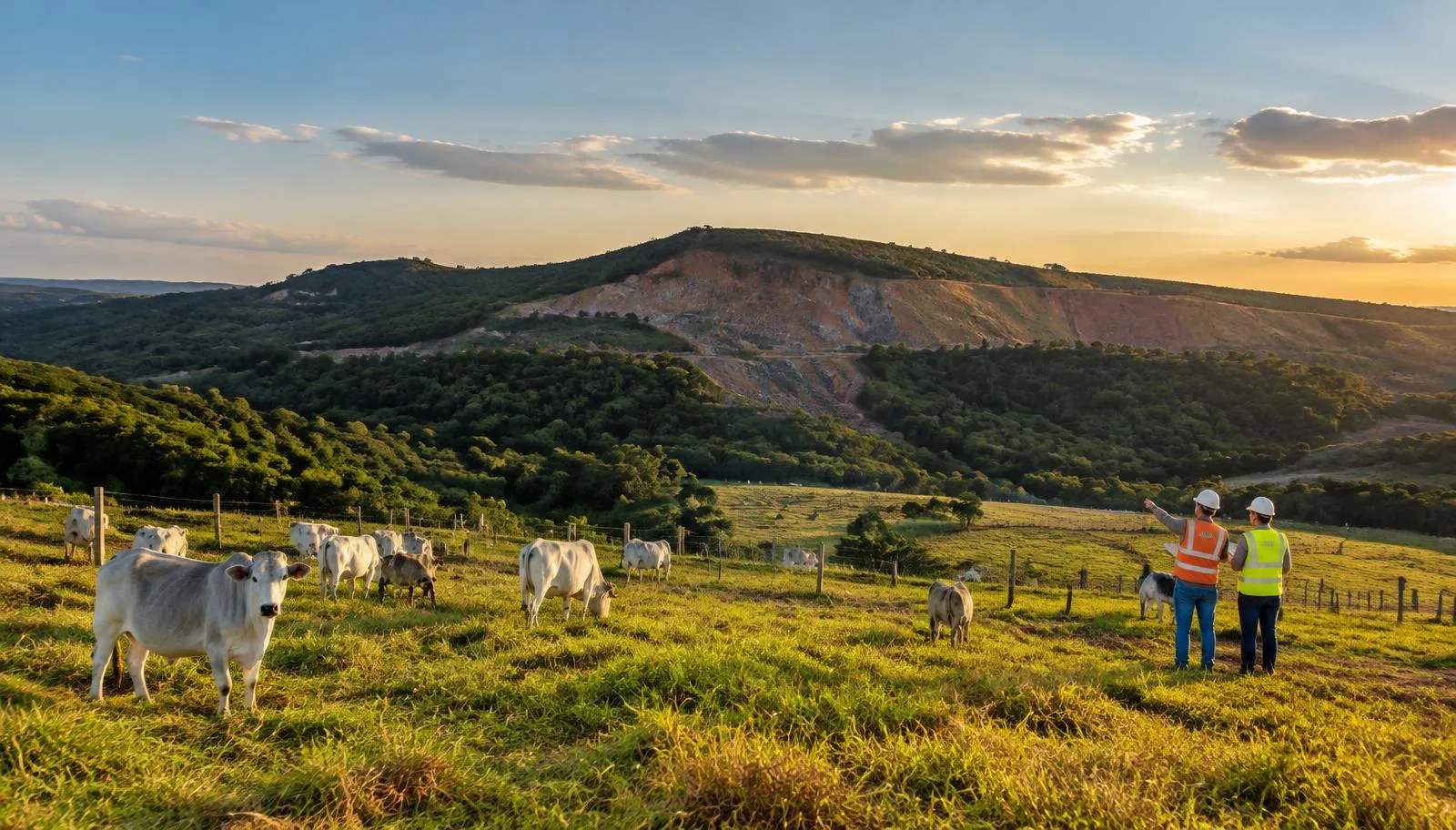
This is the rule that catches most international buyers. The mineral right and the land surface are separate assets. The land belongs to a private owner, recorded in the local land registry under a document called the matrícula. And acquisition of rural land by foreigners is restricted.
Law 5.709 of 1971 limits the acquisition of rural land by foreign individuals, foreign companies and, crucially, by Brazilian companies controlled by foreigners. Later legislation extended the restriction to leasing. Brazil's Supreme Federal Court has upheld this restrictive regime. In practice, a foreign-controlled mining company should not plan to buy the farm above its deposit.
Mining easement (servidão mineral)
The Mining Code allows easements over the land needed for the mine, its access and infrastructure, with compensation to the owner.
Surface-use agreements
Negotiated contracts with landowners covering access, occupation and compensation during exploration and mining.
Landowner participation
During production, the surface owner is entitled to a share of the results equal to 50% of the CFEM royalty.
Compensation while exploring
During exploration the titleholder pays the landowner for occupation and for any damage caused by the work.
The practical lesson: identify every landowner your mineral polygon actually crosses, early. A polygon that overlaps four farms means four negotiations, and any one of them can delay access. This is a land-surveying problem as much as a legal one, and it is the first thing we map on any asset.
Investors who learn the land rule in month one design a structure that works. Investors who learn it in month five lose the deal.
Agreements that work
- Access agreements for exploration, covering drilling, roads and compensation.
- Surface-use agreements for development, registered so they bind future owners.
- Mining easements where agreement is not possible, through the procedure in the Mining Code.
- Purchase by a Brazilian-controlled party, where the structure allows and counsel approves.
§ 05 · Where you cannot go
Border zones, indigenous lands and protected areas
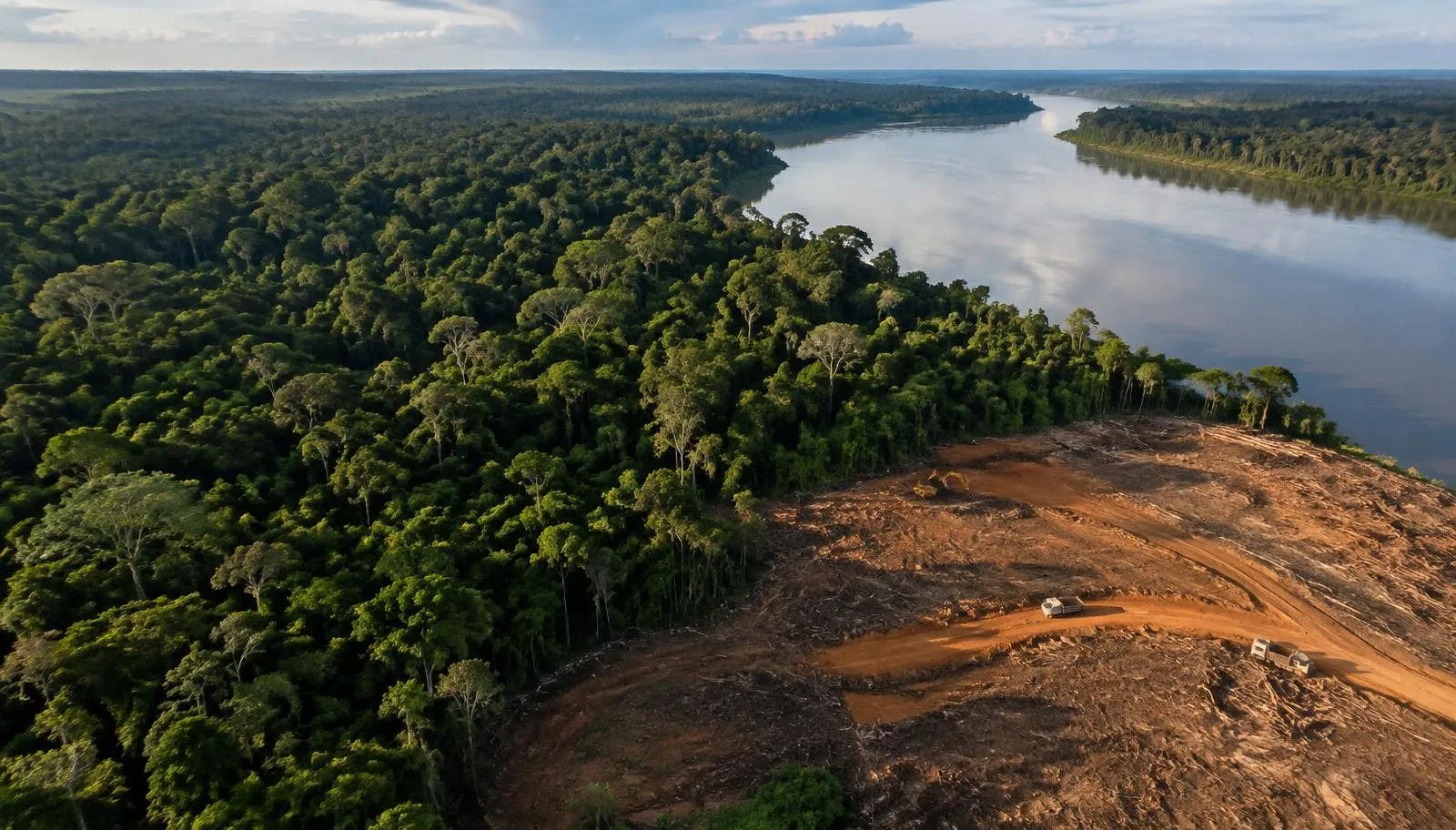
Some of Brazil's most prospective geology lies in places where additional rules apply. Each of them must be tested against the mineral polygon before a price is discussed.
| Area | What it means for a foreign-backed project |
|---|---|
| Border zone (150 km strip along land borders) | Mining companies need a majority of Brazilian capital and the prior assent of the National Defence Council (Law 6.634/1979) |
| Indigenous lands | There is no functioning legal pathway for mining inside demarcated indigenous territory |
| Conservation units | Full-protection units exclude mining; sustainable-use units impose conditions |
| Quilombola territories | Constitutionally protected traditional communities with land rights |
| Caves and speleological heritage | A recurring constraint in iron-ore and carbonate terrains |
All of these layers are public geographic data in Brazil. There is no reason to discover any of them after signing. Our tenure method, explained on the BRAZIL MINE home page, overlays them on every polygon before an asset reaches a buyer.
Large transactions can also require clearance from CADE, Brazil's competition authority, depending on the size of the parties. It is a routine filing for most deals, but it belongs in the timetable.
§ 06 · The numbers
Royalties, fees and taxes at a glance

Brazil's fiscal regime for mining is well established. The figures below are the federal reference points a buyer should know; project-specific tax planning always needs a Brazilian adviser.
- Annual fee per hectare (TAH): paid on exploration permits. Unpaid fees lead to fines and can void the right.
- Corporate income tax: the combined nominal rate on profits is 34%. Regional development programmes in the North and Northeast (SUDAM and SUDENE) can substantially reduce income tax for qualifying projects.
- Dividends and repatriation: registering the foreign investment with the Central Bank is what allows orderly repatriation. Rules on dividend taxation have been changing, so confirm the current position with tax counsel.
Some states, such as Minas Gerais and Pará, also levy their own inspection fees on mining activities. They vary by location, so include them in any site-specific model.
§ 07 · The sequence
How a foreign acquisition actually runs

Deals fail when steps happen in the wrong order: lawyers drafting a share purchase agreement before anyone has checked the land, or a site visit booked before the regime of the title is confirmed. This is the order we recommend.
- 01
Screening
Regime, phase, holder, area and standing of every ANM process. Days, not weeks.
- 02
Confidentiality
NDA with non-circumvention. Process numbers and locations are released after signature.
- 03
Tenure and surface review
Chain of title on the land, polygon overlap with properties, landowner count, protected-area overlays, environmental licences.
- 04
Letter of intent
Price, structure, exclusivity and conditions precedent.
- 05
Technical and legal due diligence
Qualified-person review of the data, corporate and tax diligence, site visit.
- 06
Definitive agreements and approvals
Share purchase or assignment, shareholders' agreement, ANM approval of any title transfer, Central Bank registration of the investment.
Steps one to three cost a small fraction of steps five and six, and they remove most unworkable assets before serious money is spent. If your interest is gold, continue with How to acquire a gold project in Brazil. For copper, see Investing in Brazilian copper.
Documents to request on day one
Initial request list
- ANM process numbers and the seller's mandate
- Land registry numbers (matrículas) for the affected properties
- Existing environmental licences and their expiry dates
- Corporate documents of the holding company, if shares are being sold
- Technical reports and the data behind them
Structuring a Brazilian acquisition?
Tell us the asset and your mandate. We verify tenure, surface and licensing first, so your lawyers start from facts.
Talk to the desk§ FAQ
Frequently asked questions
Can a foreign company own 100% of a Brazilian mining company?
Yes, in general. The mining company must be incorporated in Brazil with its head office and management in the country, but its shareholders can be foreign. The main exception is the border zone, where a majority of Brazilian capital is required.
Can a foreign company hold a mining concession directly?
No. Mining rights are granted only to Brazilian nationals or to companies incorporated under Brazilian law. Foreign investors hold them through a Brazilian subsidiary.
Can a foreign-controlled mining company buy the land above the deposit?
Acquisition and leasing of rural land by foreigners and by Brazilian companies under foreign control are restricted by Law 5.709/1971, and Brazil's Supreme Federal Court has upheld that regime. Surface access is normally secured through mining easements and surface-use agreements.
What is the mining royalty in Brazil?
The CFEM royalty is 1.5% for gold, 2% for most minerals including copper, lithium and diamond, 3% for bauxite and manganese, and 3.5% for iron ore. The surface owner receives a participation equal to 50% of the CFEM.
How long does it take to set up a Brazilian mining company?
Typically four to eight weeks for incorporation, taxpayer registrations and appointment of resident management, which can run in parallel with technical due diligence.
Is a title transfer automatic once the purchase is signed?
No. The assignment of an ANM title must be approved and recorded by the ANM before it is effective. A share purchase of the holding company does not change the ANM holder.
Do foreign investors need government approval to invest in Brazilian mining?
Outside the border zone, a general foreign investment in a Brazilian mining company does not require a special prior approval, but the investment must be registered with the Central Bank, title transfers need ANM approval and large transactions may need antitrust clearance.
Can a foreign individual invest in a Brazilian mine?
Yes, by becoming a shareholder of a Brazilian company that holds the mineral rights. The individual cannot hold the mineral right directly in their own name.

Mathematician, Land Surveyor and Licensed Real Estate Broker · CRECI-TO 4631
BRAZIL MINE — Mining & Minerals
Keep reading