Copper · Gulf · Asia · Global strategic investors
Investing in Brazilian copper: districts, permits and surface access
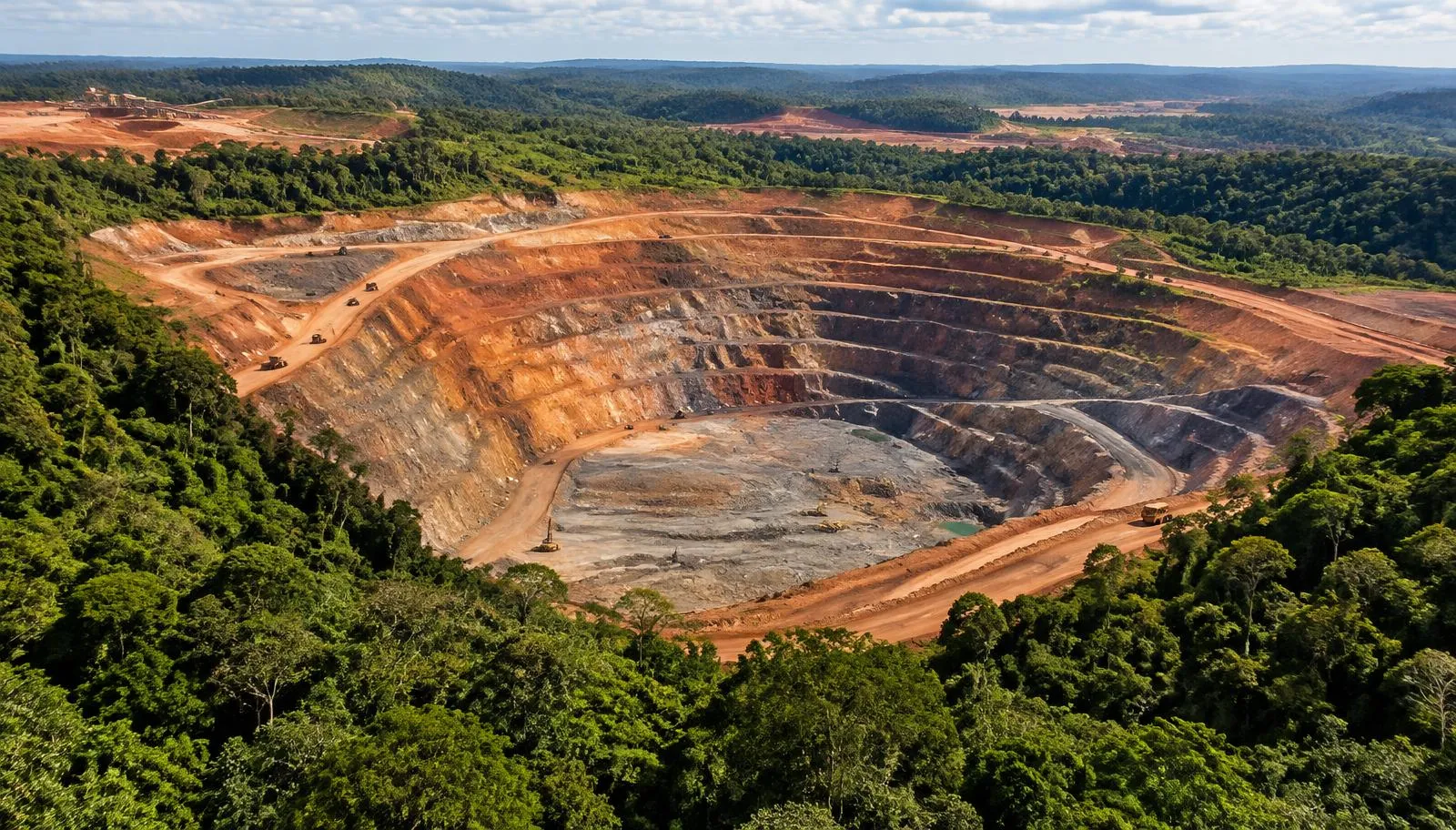
The world needs far more copper than it currently mines, and the next tonnes will come from jurisdictions that can permit large projects. Brazil is one of them. It already hosts world-class copper operations, it has districts that have barely been drilled, and capital from the Gulf to Asia has started to arrive. But a copper deposit is only a project when the ground above it, the power to it and the route out of it are secured. That is where Brazilian copper deals are won or lost.
Key takeaways
- Brazil's copper is concentrated in the Carajás province of Pará, with significant operations and districts in Bahia, Goiás and Mato Grosso.
- Major international capital is already present, including a Saudi-backed stake in Vale's base metals business.
- Copper projects need large, continuous footprints, so they are usually assembled from several ANM processes and cross many properties.
- Surface access, through landowner agreements and mining easements, is the most frequent cause of delay.
- Joint ventures, earn-ins and staged structures are more common than outright purchases for copper ground in Brazil.
In this article
Copper has become a strategic metal for every economy planning an energy transition, and the supply gap has turned investors' attention to jurisdictions outside the traditional Andean core. Brazil stands out because it combines proven world-class deposits, a mature mining industry and large areas of under-explored terrain.
This guide is for investors evaluating Brazilian copper, whether a strategic buyer, a sovereign-backed vehicle, a fund or an explorer. It covers where the copper is, how projects move through Brazilian permitting, why surface access deserves its own workstream, and the structures that work. For the copper assets we currently represent, see copper projects for sale in Brazil.
Copper is a long game. The decisions that matter most are made before the first drill hole: which district, which titles, which landowners and which partner. This guide is organised around those decisions.
§ 01 · The case
Why Brazilian copper is on the radar
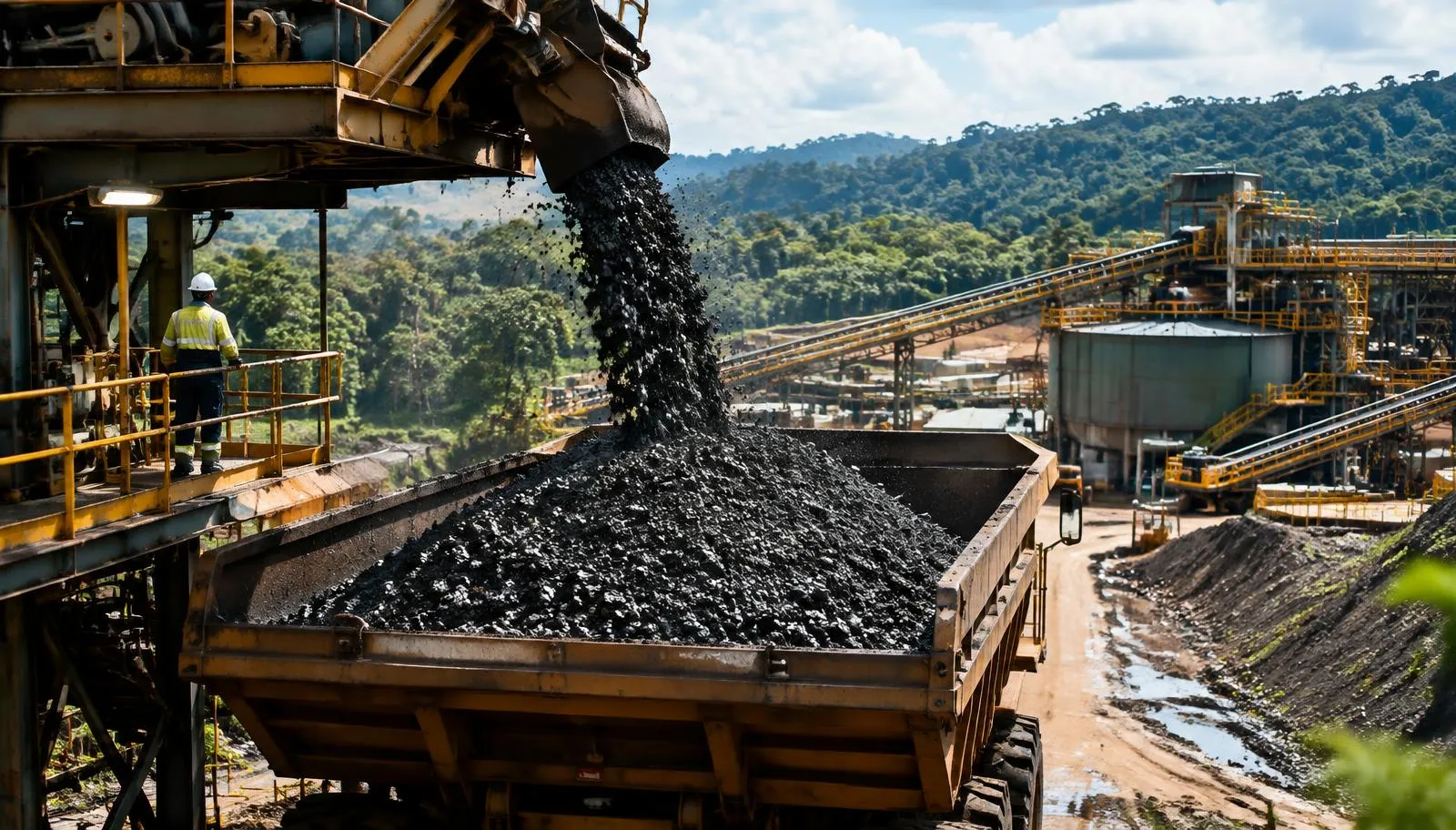
Brazil already produces copper at scale. Vale's base metals business operates the Salobo and Sossego mines in Carajás. Lundin Mining runs the Chapada copper-gold mine in Goiás. Ero Copper operates in Bahia's Curaçá Valley and has built the Tucumã project in Pará. These are not frontier bets; they are producing assets operated by international companies.
The arrival of Manara as a shareholder in Vale's base metals business was a clear signal that sovereign and Gulf capital sees Brazilian copper as strategic. Asian buyers and Western juniors are active as well, from district-scale exploration in Carajás to brownfield ground near existing mines.
Why the supply gap favours Brazil
New copper supply is hard to find and slow to build. Grades at many of the world's large mines are declining, permitting in several traditional jurisdictions has become harder, and new discoveries take more than a decade to reach production. Investors are therefore looking for jurisdictions with proven deposits, functioning permitting and room for discovery.
Brazil checks all three. It has world-class producing copper, a regulator and environmental agencies that do permit large mines, and vast areas of prospective terrain that have seen little modern exploration. That combination is why copper has become one of the main reasons international capital looks at Brazil.
§ 02 · The map
Brazil's copper districts
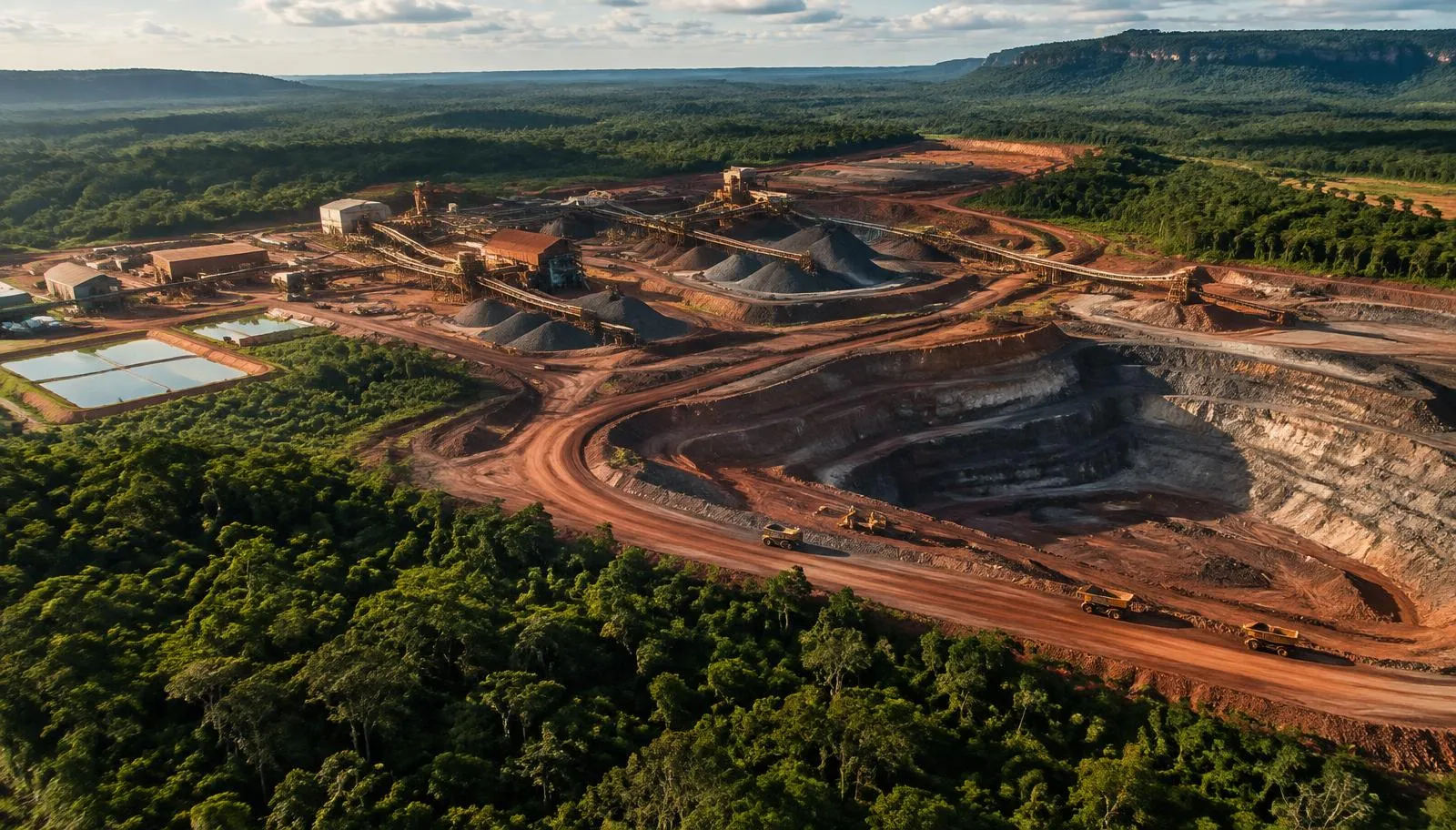
| District | State | Deposit style | Status |
|---|---|---|---|
| Carajás Mineral Province | Pará | IOCG, copper-gold | World-class producing district; active exploration |
| Curaçá Valley | Bahia | Magmatic copper | Producing underground and open-pit operations |
| Chapada – Mara Rosa arc | Goiás | Porphyry-style copper-gold | Producing mine; regional exploration |
| Juruena – Alta Floresta | Mato Grosso | Porphyry and intrusion-related potential | Early-stage exploration |
| Other belts | Several states | Varied | Grassroots to advanced prospects |
Carajás deserves particular attention. It is one of the richest mineral provinces in the world, hosting giant iron-ore deposits alongside copper, gold, nickel and manganese. Its ground is also heavily titled, so new entrants usually come in through partnerships with existing holders or through areas that become available again at the ANM.
Reading a Carajás offer
- Check the neighbours. Who holds the titles around the polygon matters for access, infrastructure sharing and future consolidation.
- Check the stage honestly. Many Carajás titles are exploration permits with limited work. A famous district does not make every permit a deposit.
- Check the surface. Parts of the province include agrarian reform settlements and conservation units.
- Check gold separately. Copper-gold systems need both metals reported on their own, never combined into one headline number.
Outside Carajás, the Curaçá Valley in Bahia shows that smaller, high-grade copper systems can support long-life underground operations, while the Goiás arc demonstrates that low-grade, large-tonnage copper-gold can be mined profitably in central Brazil. Both are useful benchmarks when judging a new prospect in a similar setting.
§ 03 · Permitting
How copper projects move through Brazilian permitting
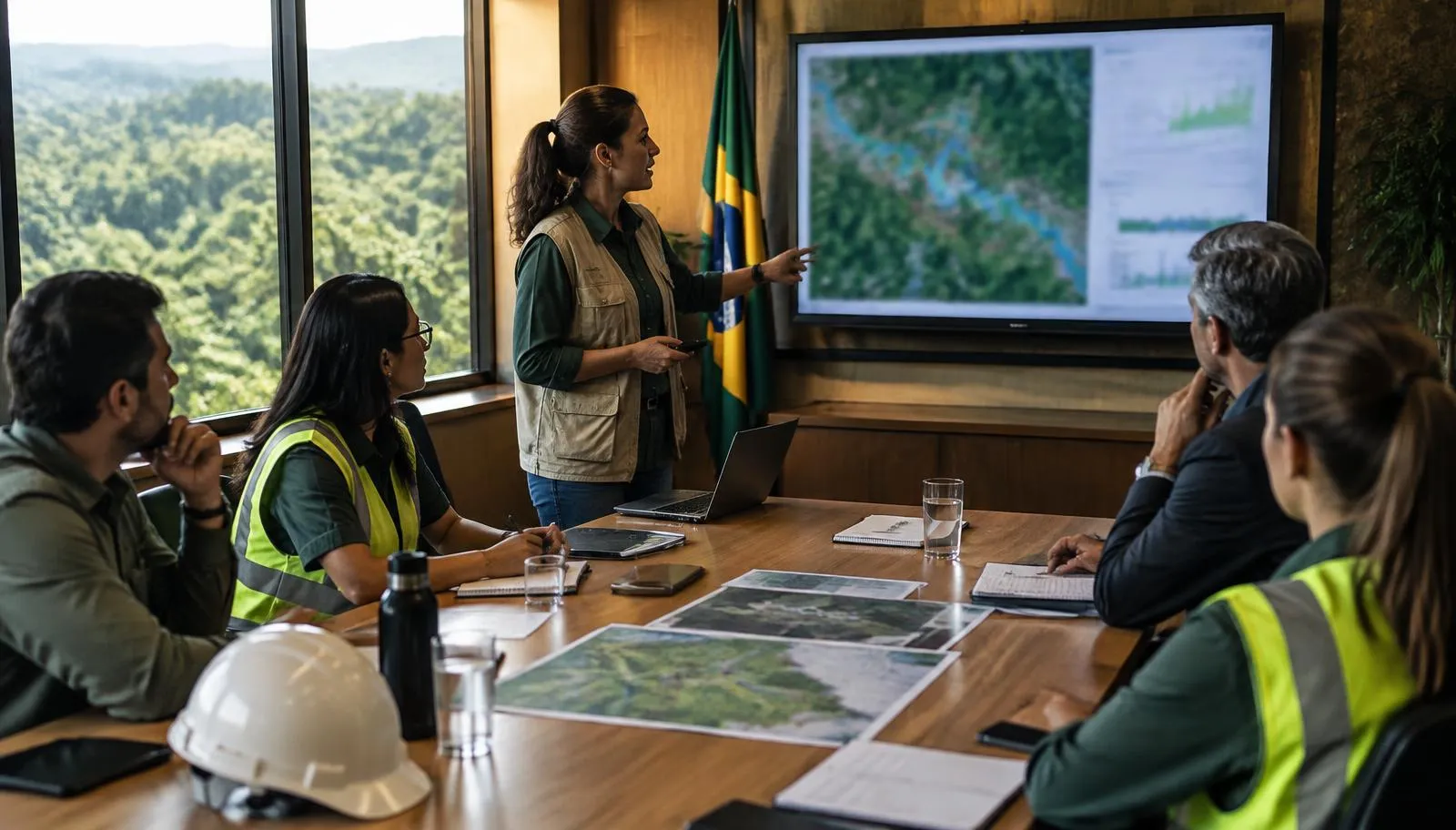
The mining title sequence is the same for every mineral: exploration permit, approved final exploration report, mining application with an economic development plan, and finally a mining concession. Copper projects add two features: size and environmental complexity.
- 01
Assemble the footprint
Exploration permits have area limits, so a copper project is usually built from several contiguous ANM processes. Each has its own term, fees and reports.
- 02
Explore and report
Each permit needs a final exploration report. Approval timing can differ across the package.
- 03
Environmental impact study
Large mines require a full environmental impact study and public report (EIA/RIMA), with public hearings.
- 04
Three-stage licensing
Preliminary licence (LP), installation licence (LI) and operating licence (LO), usually from the state agency.
- 05
Concession
The mining concession is granted once the regulatory and environmental conditions are met.
Annual obligations across a multi-permit footprint
| Obligation | Applies to | Risk if missed |
|---|---|---|
| Annual per-hectare fee (TAH) | Each exploration permit | Fines and possible loss of the right |
| Partial and final exploration reports | Each permit, by its deadline | Loss of priority or of the permit |
| Mining application after report approval | Each approved area | Loss of the right to apply |
| Licence conditions | Each environmental licence | Fines, suspension or refusal of renewal |
A copper footprint of ten permits means ten sets of deadlines. Build a single tenure calendar for the whole project and assign someone to own it.
§ 04 · The decisive issue
Surface access: where copper projects really fail
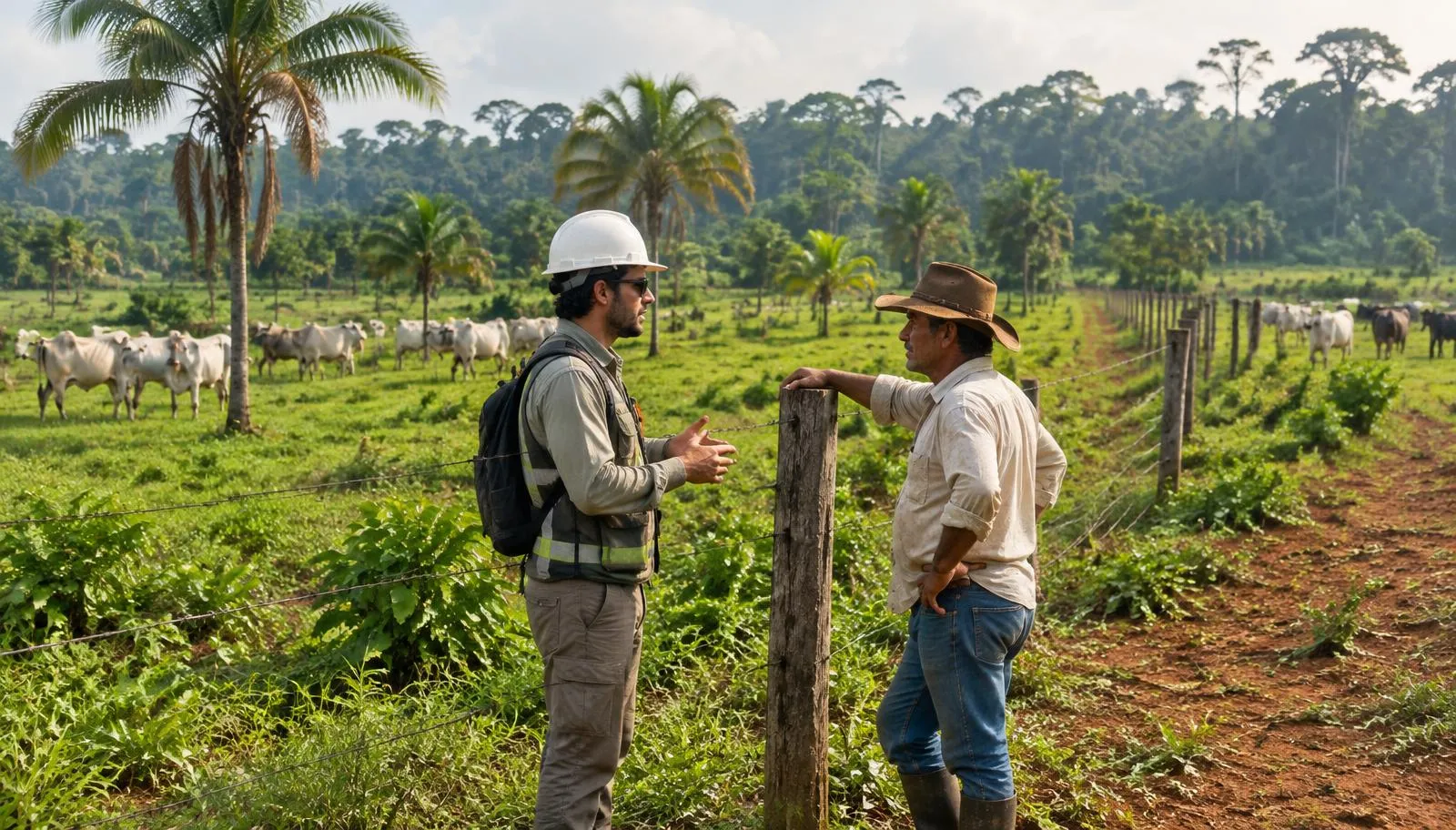
A gold vein can be mined from a narrow footprint. A copper mine needs a pit, waste dumps, a plant, a tailings facility, water, power and haul roads. That means continuous control of a large surface area, and in Brazil the surface belongs to someone else.
Map every landowner
Overlay all ANM polygons on property perimeters and registry data. Six landowners means six negotiations, and any one can stall the project.
Foreign-control restriction
Foreign-controlled companies face restrictions on buying or leasing rural land. Plan access through agreements and easements.
Mining easements
The Mining Code allows easements over land needed for the mine and its infrastructure, with compensation to owners.
Agrarian reform settlements
Parts of Pará and other states include federal land-reform settlements, which add another authority to the access discussion.
Copper projects in Brazil rarely fail on the deposit. They fail on the surface above it.
This is the first thing we map on any copper asset, and the reason some never leave our desk. The legal background is explained in Can foreigners buy a mine in Brazil?.
Building the landowner map
- 01
Overlay
Place every ANM polygon over certified property perimeters and the rural environmental registry.
- 02
Identify
List each property, its registry number and its registered owner.
- 03
Classify
Mark which properties hold the pit, the plant, the tailings, the waste and the access route.
- 04
Prioritise
Negotiate first with the owners whose land is critical to the mine plan.
- 05
Document
Register agreements and easements properly so they survive a change of owner.
§ 05 · Logistics
Power, water and the route to port
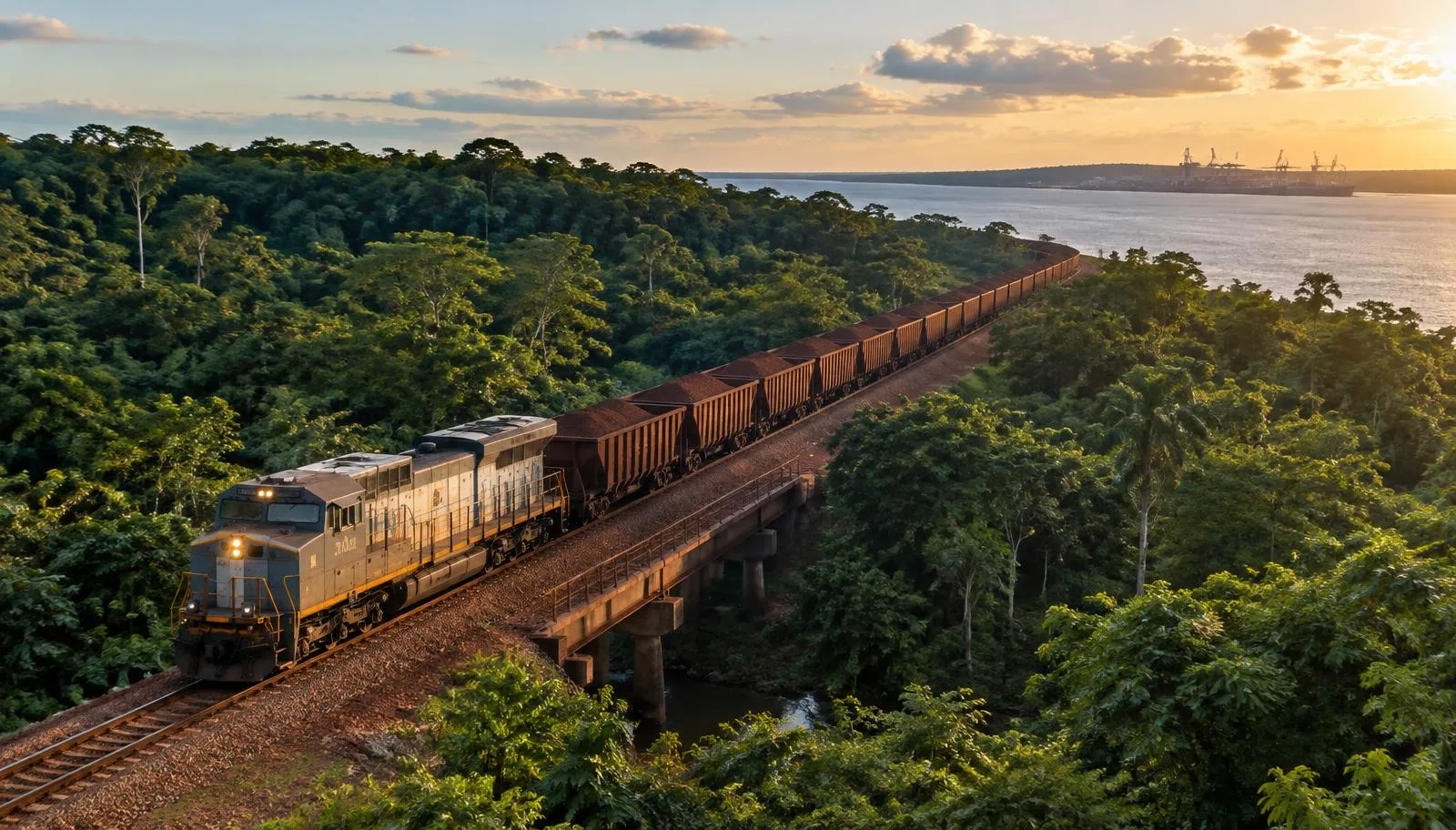
Concentrate must reach a smelter, and that usually means a port. Infrastructure distance is often the difference between an attractive deposit and a stranded one.
| Factor | What to check |
|---|---|
| Power | Distance to the national grid, substation capacity, connection timeline |
| Water | Availability and water-use permits (outorga) for processing |
| Roads | Paved access, condition of unpaved roads in the wet season |
| Rail | Proximity to railways such as the Carajás railway to the São Luís port complex |
| Port | Export route and handling capacity for concentrate |
Brazil continues to invest in rail and port capacity, including new lines planned to connect the interior to the Atlantic. For a project still years from production, planned infrastructure can matter. Value it carefully, and price it as a scenario rather than a certainty.
Ask early who will build and pay for the grid connection, and how long the utility estimates it will take. In remote areas, the transmission line can be on the critical path.
§ 06 · Deal structure
How investors enter Brazilian copper
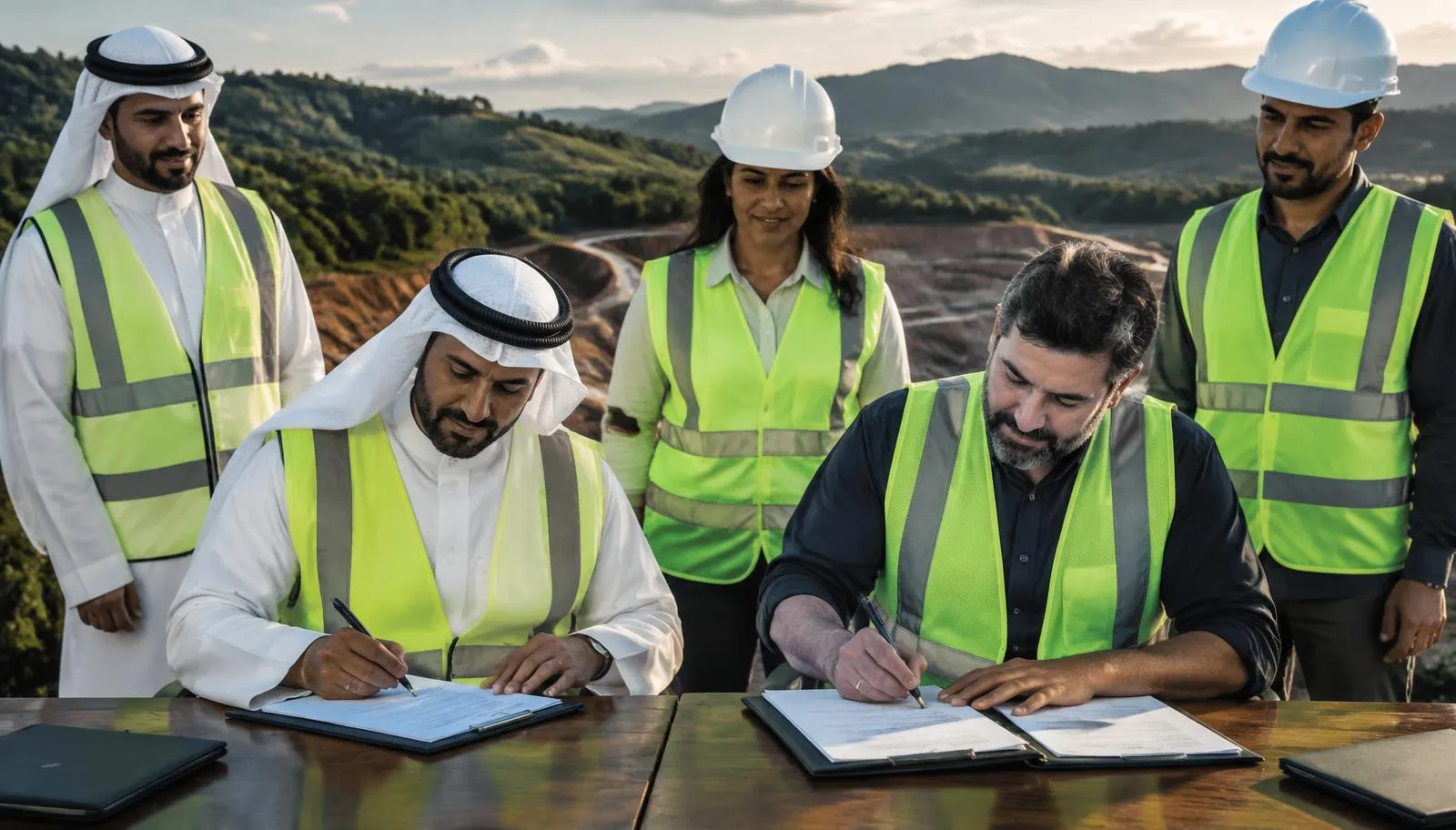
Copper projects take longer and cost more to develop than most gold projects, and Brazilian titleholders often want to keep exposure to the upside. Staged structures are therefore the norm.
Exploration-stage entry
- Earn-in: fund exploration to earn a majority stake
- Option to acquire after drilling milestones
- Holder keeps a carried or minority interest
- Royalty retained by the vendor
Development-stage entry
- Equity stake in the Brazilian project company
- Joint venture with an operator
- Offtake linked to project financing
- Streaming or royalty financing on gold credits
Every structure ends in the same place: a Brazilian company holding the titles, foreign capital at shareholder level, and ANM approval for any title transfer. Inside the 150 km border zone, a majority of Brazilian capital is also required.
Valuation without shortcuts
Early-stage copper ground is often marketed using in-situ metal values: tonnes multiplied by grade multiplied by today's price. That figure says nothing about recoveries, costs, infrastructure or access, and it should not appear in any serious negotiation. Real valuations rest on comparable transactions for similar stages, or on discounted cash-flow models once studies exist.
Where historical estimates exist, they should be disclosed with the cautions required by NI 43-101 or the JORC Code. Where they do not, an honest exploration target expressed as ranges is a better basis for discussion than an inflated single number.
Governance in a joint venture
Joint ventures with Brazilian holders work best when the operator is clearly defined, budgets are approved annually by a joint committee, and dilution rules for a partner who does not fund its share are agreed in advance. Equally important is who keeps the ANM titles in good standing during the earn-in: fees, reports and deadlines should be the operator's explicit responsibility.
§ 07 · Before you commit
A copper investor's checklist for Brazil
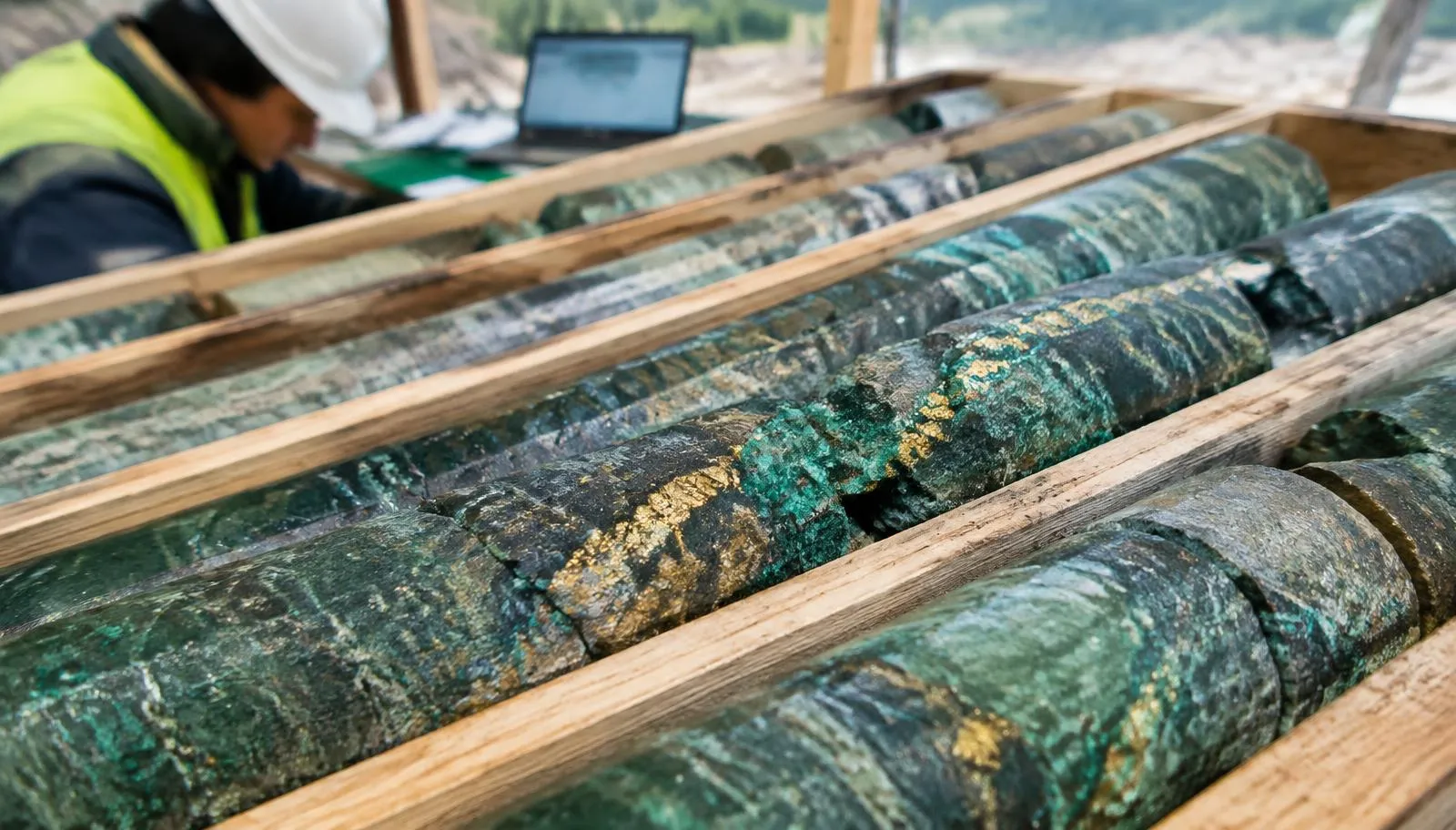
Before an LOI on Brazilian copper
- Every ANM process in the footprint: phase, holder, expiry, fees
- No gaps or third-party titles inside the planned pit and infrastructure area
- Landowner map and registry review for every affected property
- Overlay with indigenous lands, conservation units, settlements and caves
- Border-zone status of the project area
- Distance and capacity for power, water, road, rail and port
- Existing environmental licences and any studies already filed
- Technical data that can support a NI 43-101 or JORC estimate
If you are comparing copper with other strategic minerals, read Brazil's critical minerals: where foreign capital is going. If gold credits are central to your thesis, NI 43-101 and Brazilian gold projects explains how old gold numbers can be disclosed.
Questions for the vendor
- Which ANM processes make up the project, and who holds each one?
- What drilling exists, and are the original logs and assay certificates available?
- Which landowners have been approached, and are any agreements in place?
- Which environmental authorisations have been obtained for exploration?
- What is the vendor's preferred structure: sale, option, earn-in or joint venture?
The answers to these five questions tell you, within one meeting, whether the project is ready for a letter of intent or still needs work on the vendor's side.
A project that answers all of these questions clearly is rare, and worth moving on quickly. A project that cannot answer most of them may still be interesting, but the price should reflect the work the buyer will have to do.
Evaluating copper ground in Brazil?
We map the full footprint: every title, every landowner and every constraint, before you negotiate.
Request a footprint review§ FAQ
Frequently asked questions
Where is copper mined in Brazil?
Mainly in the Carajás Mineral Province of Pará, the Curaçá Valley of Bahia and the Chapada mine in Goiás, with exploration in Mato Grosso and other states.
Can foreign investors own copper projects in Brazil?
Yes, through a Brazilian company that holds the mineral rights. Foreign capital participates at shareholder level, with additional requirements inside the 150 km border zone.
What is the copper royalty in Brazil?
The federal CFEM royalty on copper is 2%, and the surface owner receives a participation equal to 50% of the CFEM.
Why is surface access so important for copper projects?
Copper mines need large continuous footprints for the pit, waste, plant and tailings. In Brazil the surface is privately owned and foreign-controlled companies face restrictions on rural land, so access must be negotiated with every landowner or secured by mining easement.
Are copper deals in Brazil usually outright purchases?
Less often than in gold. Earn-ins, joint ventures and staged options are common because projects need long development periods and titleholders often want to retain exposure.
How long does it take to permit a copper mine in Brazil?
It depends on the project, but a large copper mine typically needs several years from an approved exploration report to an operating licence, because it requires a full environmental impact study, public hearings and three licensing stages in addition to the mining concession.
Do Brazilian copper deposits contain gold?
Many do. Iron-oxide copper-gold deposits in Carajás and porphyry-style deposits such as Chapada in Goiás carry meaningful gold, which should be modelled and reported separately from copper.
Can a copper project in Brazil use renewable power?
Brazil's national grid draws a large share of its electricity from hydro, wind and solar, so grid-connected projects can generally source low-carbon power, subject to connection capacity and contracts.

Mathematician, Land Surveyor and Licensed Real Estate Broker · CRECI-TO 4631
BRAZIL MINE — Mining & Minerals
Keep reading