Critical minerals · United States · Europe · Japan · Korea · Gulf · Australia · strategic buyers, juniors and funds
Rare earth projects for sale in Brazil: ionic clay vs. hard-rock deposits
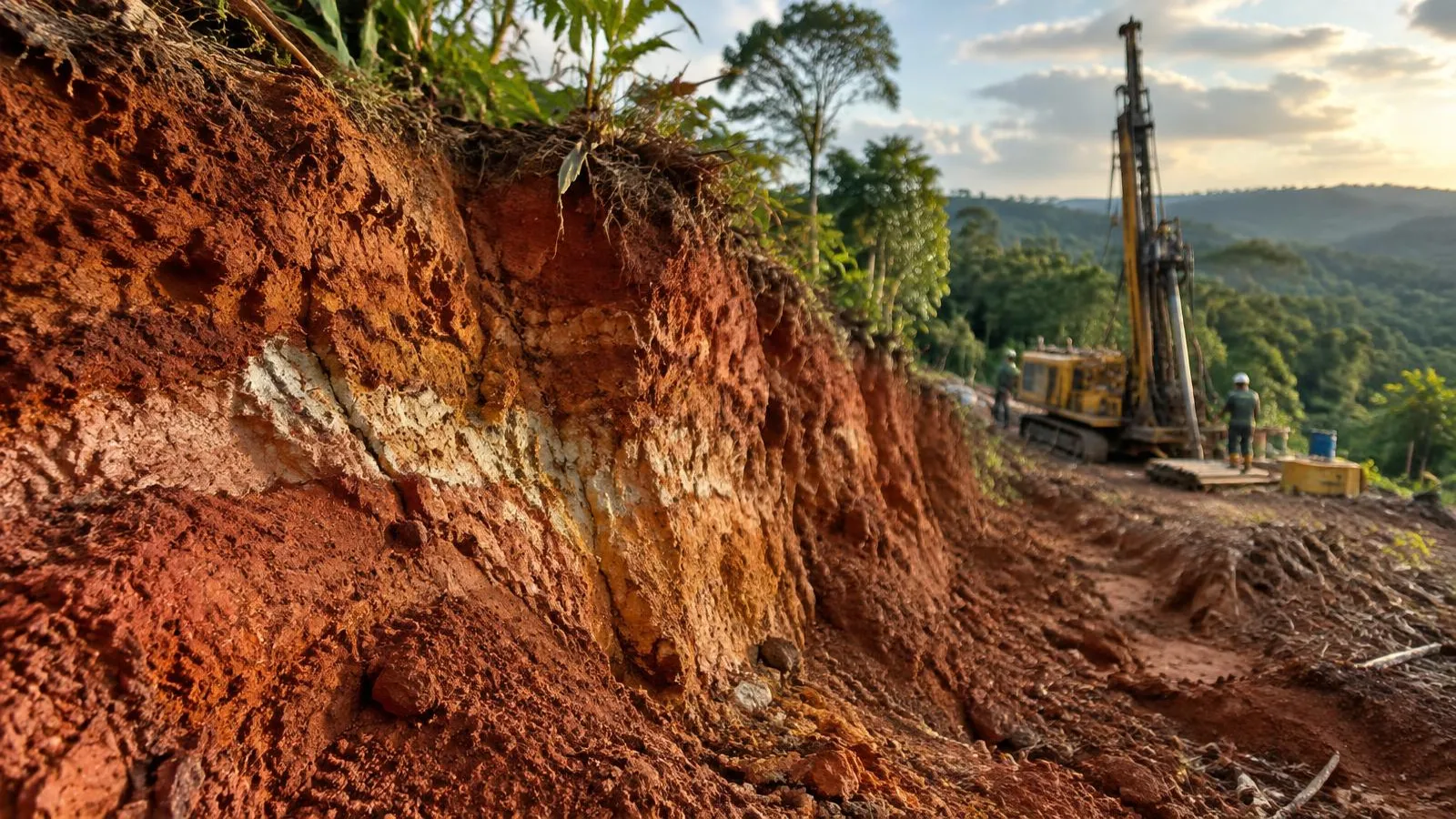
Rare earth projects for sale in Brazil fall into two families: ionic clay deposits, where rare earths are loosely attached to weathered clay and can be released with a salt solution, and hard-rock deposits in carbonatites and other rocks, which are higher grade but need crushing, concentration and complex chemical cracking. Most of Brazil's new projects are ionic clays, led by Serra Verde in Goiás, the first to reach commercial production. The type of deposit decides the cost, the timeline, the environmental questions and the price a buyer should pay.
Key takeaways
- Brazil is among the countries with the largest rare earth reserves, with recent reports placing it second only to China. Most new projects target ionic clays in Goiás and Minas Gerais.
- Ionic clay deposits are low grade, often around 2,000 to 3,000 ppm of rare earth oxides, but need no blasting or grinding and can carry valuable heavy rare earths such as dysprosium and terbium.
- Hard-rock deposits are higher grade but need conventional mining, concentration and acid or alkaline cracking, and often handle thorium and uranium.
- Since September 2026, Law 15,506 requires government homologation of changes of control, significant foreign stakes and title transfers in critical and strategic minerals.
- A rare earth project is valued on its magnet-metal content, its metallurgy and its route to market, not on tonnes of “rare earths in the ground”.
In this article
Five years ago, Brazilian rare earths were a footnote. Today, Brazil is at the centre of the effort to build supply outside China. Serra Verde's ionic clay mine in Minaçu, Goiás, entered commercial production and drew US$565 million in financing from the US International Development Finance Corporation in early 2026. USA Rare Earth announced in April 2026 that it would acquire Serra Verde's parent for about US$2.8 billion. Australian and Canadian companies are moving clay projects in Poços de Caldas and Goiás towards construction.
That attention has a side effect. Brazil's National Mining Agency has thousands of rare earth applications on file, and many are being marketed abroad as “rare earth mines”. A few are serious projects. Many are exploration permits with a soil sample and a story. This guide explains the geology that separates them and the checks that protect a buyer.
§ 01 · The context
Why are rare earth projects for sale in Brazil attracting global buyers?
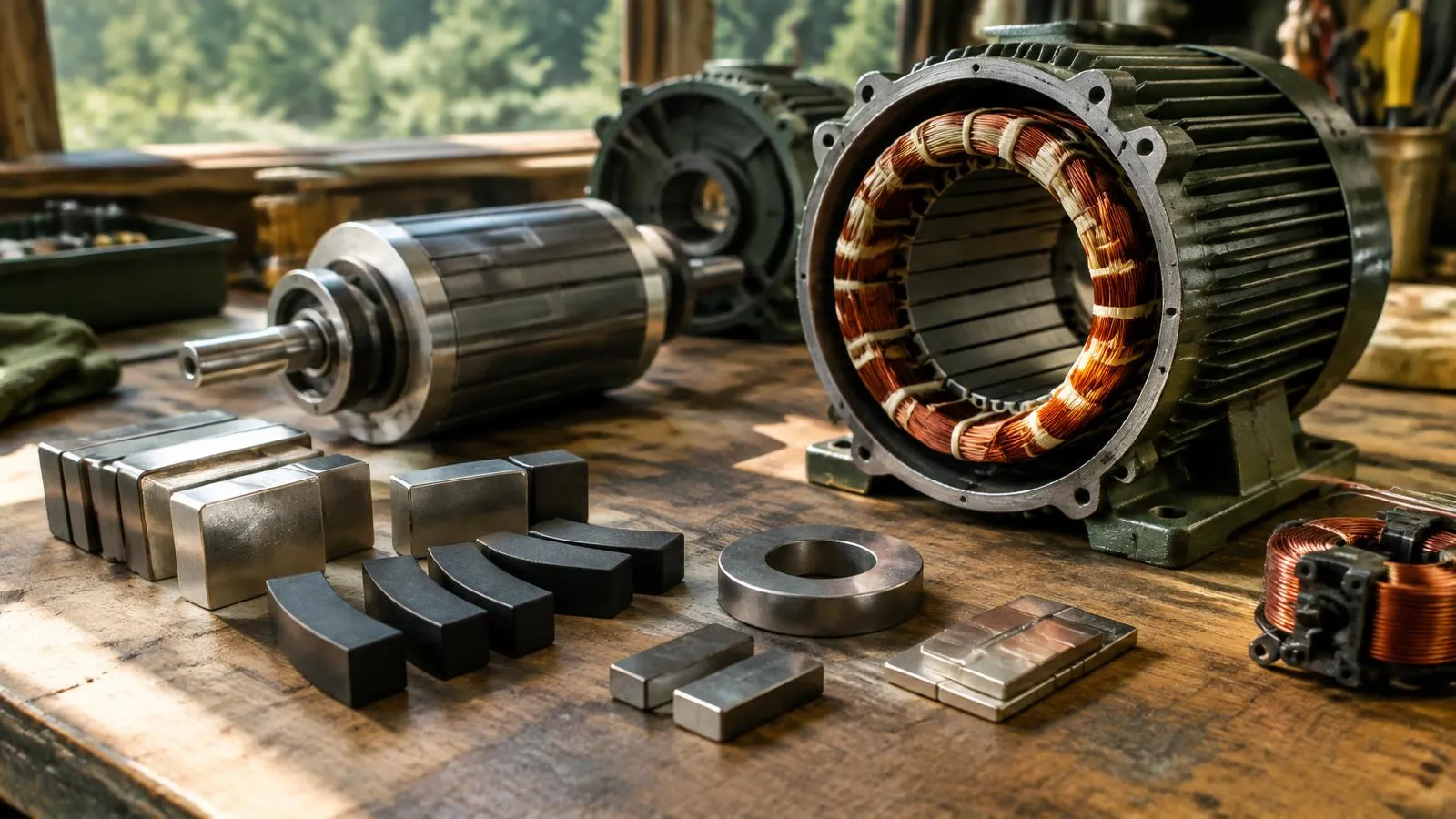
Rare earth projects in Brazil attract global buyers because the world needs rare earth supply outside China, and Brazil combines large resources, an established mining industry and, in its ionic clays, the heavy rare earths that are hardest to source elsewhere. China extracts about 70% of the world's rare earths and controls about 90% of processing, according to reporting by Climate Home News in 2026.
NdPr
Neodymium and praseodymium are the core of permanent magnets used in electric vehicles, wind turbines, robotics and defence.
Dy and Tb
Dysprosium and terbium let magnets keep their strength at high temperatures. They are scarce, expensive and mostly sourced from ionic clays in Asia.
Clays with heavies
Brazilian ionic clays in Goiás and Minas Gerais carry meaningful dysprosium and terbium, which is why buyers in the US, Europe and Asia are watching.
Strategic status
Brazil enacted a national critical minerals law in September 2026, with incentives for local processing and oversight of foreign control.
Estimates of Brazil's reserves have varied as data improved, but recent reports place the country second only to China in rare earth reserves. Resources are concentrated in Goiás and Minas Gerais, with hard-rock prospects in Bahia and carbonatite complexes elsewhere. The ANM had about 2,700 rare earth projects under consideration according to Folha de S.Paulo, as reported in 2026.
§ 02 · Ionic clay
What is an ionic clay rare earth deposit?
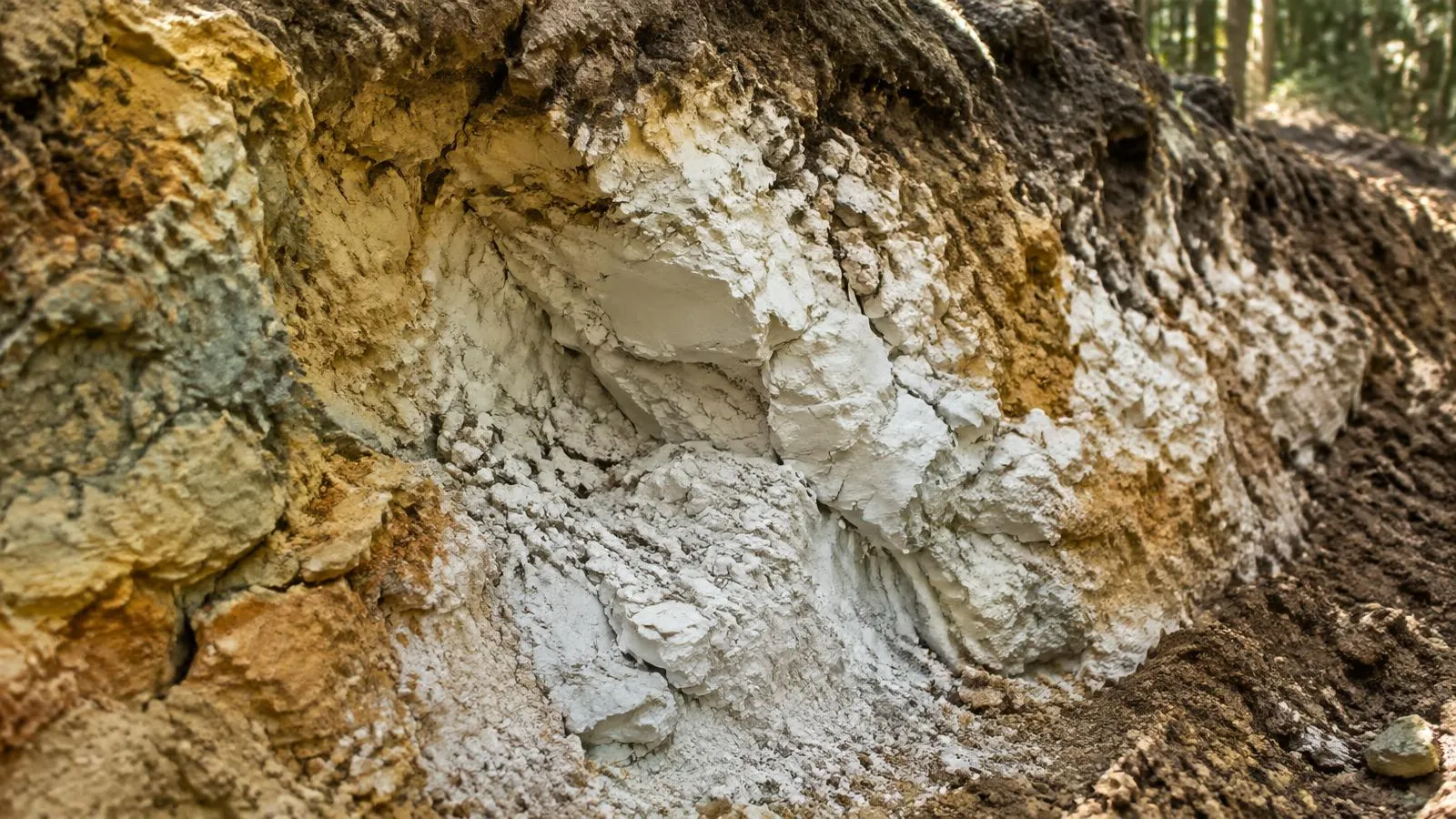
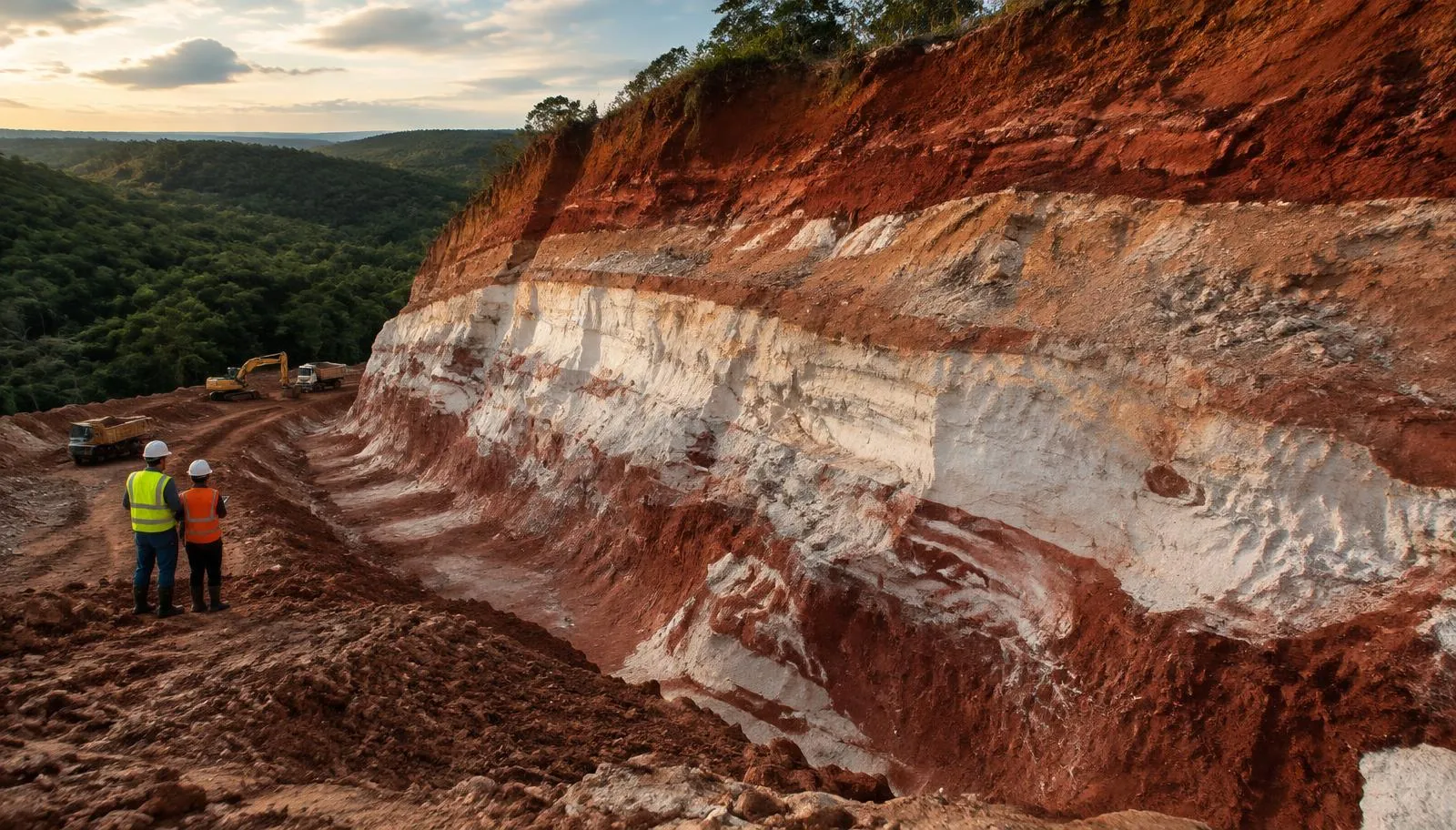
An ionic clay deposit is a layer of deeply weathered rock in which rare earth elements are loosely attached, or adsorbed, to the surface of clay minerals. Tropical weathering broke down granites or alkaline rocks over millions of years; the rare earths released were captured by the clays in the weathered profile. Because they are only loosely held, they can be released by washing the clay with a salt solution, such as ammonium sulfate, without crushing, grinding or high-temperature processing.
Strengths of ionic clays
- Near-surface; mined like soil, often without drilling or blasting
- No crushing or grinding; processed by salt desorption
- Relatively rich in heavy rare earths (Dy, Tb) compared with most hard-rock deposits
- Often low in radioactive elements, simplifying permitting
- Lower capital intensity than many hard-rock projects
Challenges of ionic clays
- Low grades, often around 2,000 to 3,000 ppm TREO, so large volumes are moved
- Recoveries vary with clay type; not all clay rare earths are “ionic”
- Large surface footprint; land, water and rehabilitation planning are central
- Reagent management, especially ammonium, needs careful environmental design
- Grade and recoverable content must be proven by metallurgy, not assays alone
Brazilian examples show the scale. Meteoric Resources reported a total resource at its Caldeira project in Poços de Caldas of 1.6 billion tonnes at 2,317 ppm TREO, according to Skillings Mining Review in July 2026. Viridis reported 473 million tonnes at 2,505 ppm TREO at its Colossus project in the same district. Aclara's Carina feasibility study in Goiás, released in April 2026, describes open-pit mining with no drilling or blasting, ammonium sulfate washing, about 93% water recirculation and no tailings dam.
Why do clays matter so much to buyers? Because the heavy rare earths they carry are the bottleneck. Light rare earths such as lanthanum and cerium are abundant and cheap; NdPr is valuable; dysprosium and terbium are scarce and priced far higher per kilogram. Aclara's Carina feasibility study, for example, assumed life-of-mine prices of about US$1,640 per kilogram for dysprosium oxide and US$3,609 for terbium, against about US$157 for NdPr, based on Argus forecasts for European markets outside China. A clay with a good share of heavies can be worth more than a higher-grade rock dominated by light rare earths.
§ 03 · Hard rock
What are hard-rock rare earth deposits, and where are they in Brazil?
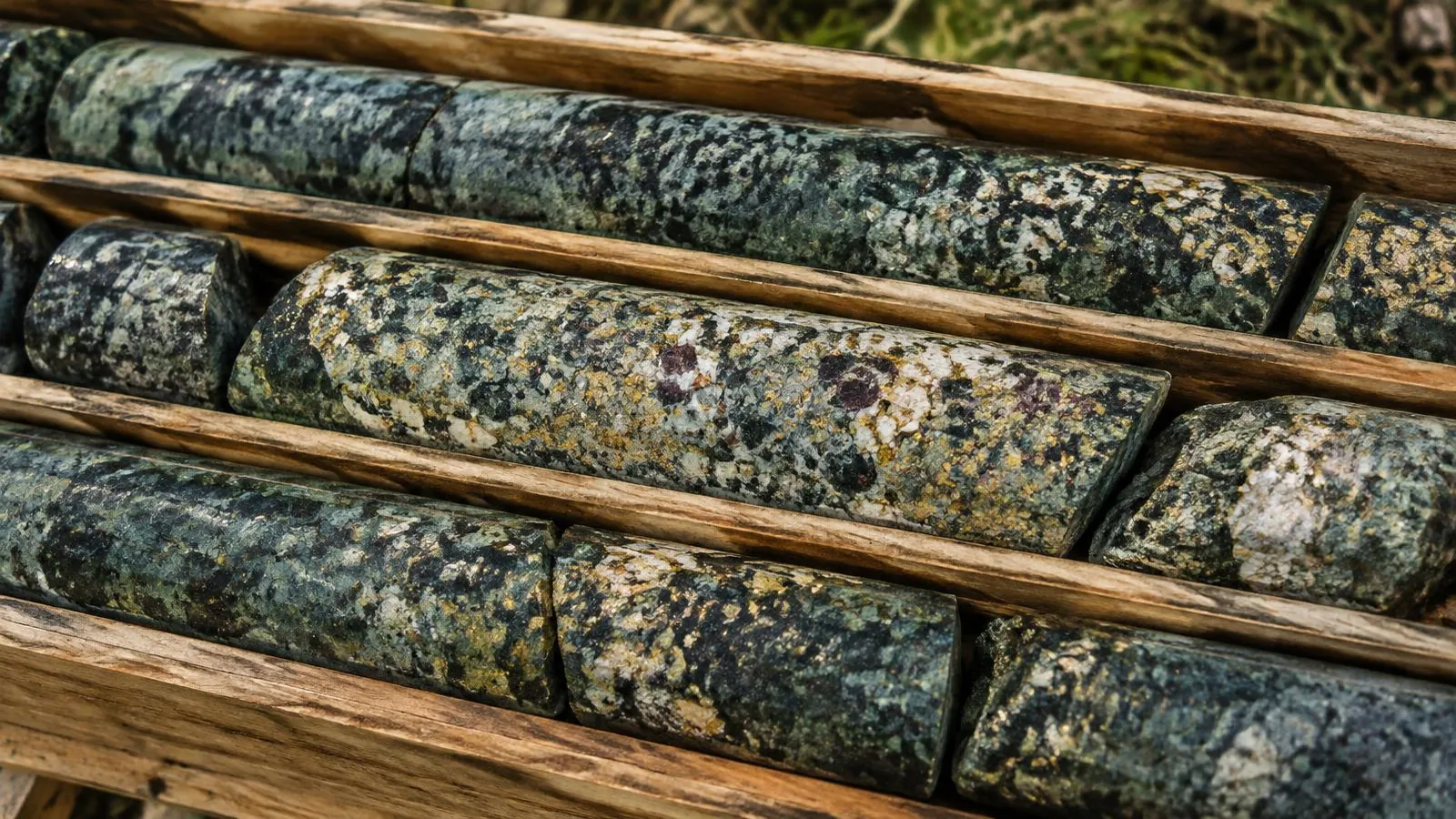
Hard-rock rare earth deposits hold the elements inside minerals such as bastnäsite and monazite, within rocks like carbonatites or in concentrated sands. They are typically much higher grade than clays, but the minerals must be mined, crushed, concentrated and then chemically cracked with acid or alkali to free the rare earths. Many also contain thorium and uranium, which adds radioactive-material regulation.
| Ionic clay | Hard rock | |
|---|---|---|
| Typical grade | Low, around 0.2–0.3% TREO in Brazilian examples | Often percent-level |
| Mining | Soft material, shallow pits, no blasting | Conventional open pit or underground, blasting |
| Processing | Salt desorption to a mixed rare earth carbonate or concentrate | Crushing, flotation or gravity, then acid or alkaline cracking |
| Heavy rare earths | Often a relatively high share of Dy and Tb | Usually dominated by light rare earths |
| Radioactivity | Often low | Thorium and uranium commonly present |
| Capital and time | Lower capital, shorter build | Higher capital, longer development |
| Brazilian examples | Serra Verde, Aclara Carina, Meteoric Caldeira, Viridis Colossus | Carbonatite complexes such as Araxá and Catalão; Bahia hard-rock prospects |
Brazil's carbonatites, such as Araxá in Minas Gerais and Catalão in Goiás, host niobium and phosphate mines and contain rare earths as well. Brazil's coastal monazite sands supplied rare earths decades ago. In Bahia, Brazilian Rare Earths published a scoping study for its Rocha da Rocha project in August 2026; scoping studies are early and low-confidence, a point we return to in our guide on how to value a rare earth project in Brazil.
Whatever the deposit type, the mine is only the first link. Rare earths travel from mine to concentrate, then to separation into individual oxides, then to metals and alloys, and finally to magnets. Brazilian projects today mostly produce a mixed concentrate or carbonate, and separation capacity outside China is still limited. A buyer needs to know where the project's product will be separated, by whom, and on what terms, because that decides what the concentrate is really worth.
§ 04 · Stages
What stage is the rare earth project you are being offered really at?
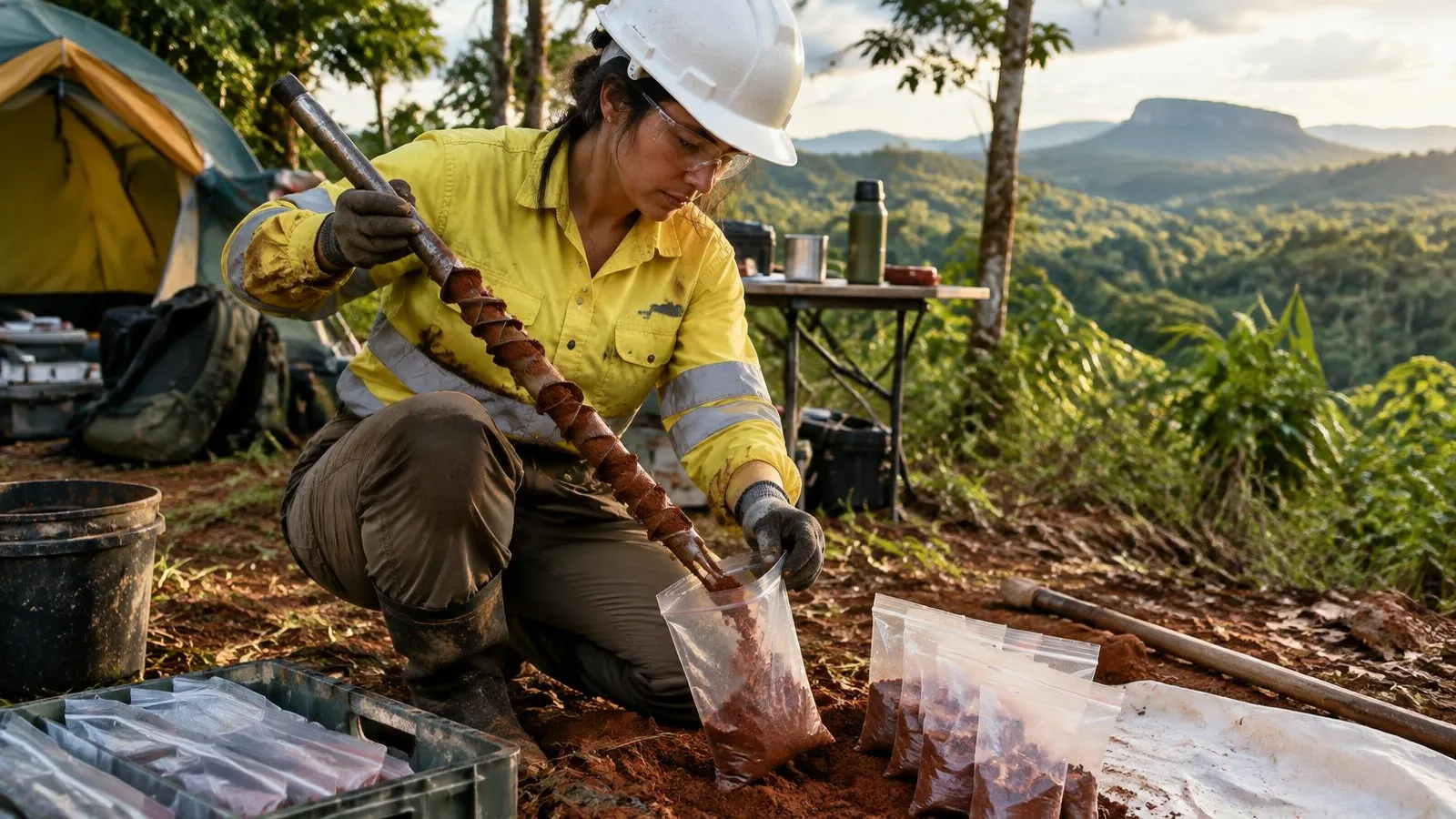
Most rare earth offers in Brazil are at an early stage, and the stage determines what you can reasonably pay. The table below sets out the usual ladder from application to production, with the evidence that should exist at each step.
| Stage | What exists | What to ask for |
|---|---|---|
| Application | A request for an exploration permit filed with the ANM | Process number, status, overlaps with other claims |
| Exploration permit | A granted exploration authorisation | Permit document, term, any field work done |
| Early exploration | Soil, auger or pit samples with assays | Sample locations, laboratory certificates, QA/QC |
| Resource | Drilling and an estimate, ideally NI 43-101 or JORC | Technical report, qualified or competent person |
| Metallurgy | Test work showing recoveries by element | Laboratory reports, flowsheet, product specification |
| Studies | Scoping, pre-feasibility or feasibility study | Study report, assumptions, price deck, capex and opex |
| Licensed and financed | Environmental licences, offtake, funding | Licences, signed offtake and financing terms |
| Production | Mining and processing under a concession | Production and sales records, royalty payments |
A soil sample with high rare earth values proves only that rare earths are present at that point. It says nothing about tonnage, recovery or economics. Many teasers present the early-exploration stage as if it were the resource stage. Our guide on JORC versus Brazilian ANM reports explains what each document can and cannot support.
Consider a typical case, described here as a hypothetical example. A permit holder offers a “rare earth mine” in Goiás with a laboratory sheet showing 8,000 ppm TREO. The sheet is for one soil sample. There is no drilling, no desorption test and no resource. The permit is real and the area may be prospective, but what is on offer is an early exploration opportunity. Priced and structured as such, with an option and a funded drilling programme, it may be a reasonable bet. Priced as a mine, it is not.
§ 05 · Rules
What rules apply when buying a rare earth project in Brazil?

The usual Brazilian mining rules apply, and since 16 September 2026 rare earths are also expected to fall under Law 15,506, the national critical and strategic minerals law. Mineral deposits belong to the Federal Union; titles are granted by the ANM to Brazilians or companies incorporated in Brazil; foreign groups invest through Brazilian companies. The new law adds a layer of government review.
- 01
Check the mineral list
The new council, CIMCE, defines which minerals are critical or strategic. Rare earths are widely expected to be covered; confirm once the official list is published.
- 02
Plan for homologation
Changes of control, significant stakes acquired by foreign entities, and sales or encumbrances of titles in covered minerals require CIMCE homologation.
- 03
Review offtake contracts
International supply agreements that may affect economic or geopolitical security also require homologation.
- 04
Budget the contributions
Companies in covered minerals must apply at least 0.3% of net gross operating revenue to R&D and 0.2% to a guarantee fund, under the law's six-year regime.
- 05
Use the incentives
Priority licensing, a CSLL tax credit for processing investment from 2030 to 2034, incentivised debentures and REIDI can improve project economics.
Thresholds, procedures and deadlines for homologation were still pending regulation at the time of writing. Our dedicated guide to Brazil's new critical minerals law explains what is known and what to build into a transaction timeline. For the general corporate structure, see can foreigners buy a mine in Brazil.
§ 06 · Due diligence
What should you verify before buying into a Brazilian rare earth project?

Verify the title, the land, the data and the metallurgy, in that order. Title and land problems end deals cheaply; data and metallurgy problems end them expensively.
Rare earth project due diligence
- ANM process number, holder, phase, polygon and substance; overlaps with other claims on SIGMINE
- Surface ownership and access agreements; proximity to conservation units, indigenous lands and water sources
- Sample and drill data with laboratory certificates and QA/QC, not just summary tables
- Assays reported as total rare earth oxides (TREO) and by element, with the magnet-rare-earth share
- Metallurgical test work showing recoverable content for NdPr, Dy and Tb
- Radioactive element content and any CNEN classification or exemption
- Environmental licensing status and the studies supporting it
- Corporate records, beneficial owners and any existing offtake, royalty or option agreements
Land deserves emphasis in clay projects. Ionic clay deposits are broad and shallow, so a mine may cover many properties over its life. Title polygons, property registrations and the real ground must line up, and agreements must cover the area the mine plan needs. Our founder's background as a land surveyor is especially useful here: most problems we see in Brazilian projects start at the boundary.
§ 07 · Red flags
What are the red flags in rare earth mine offers from Brazil?
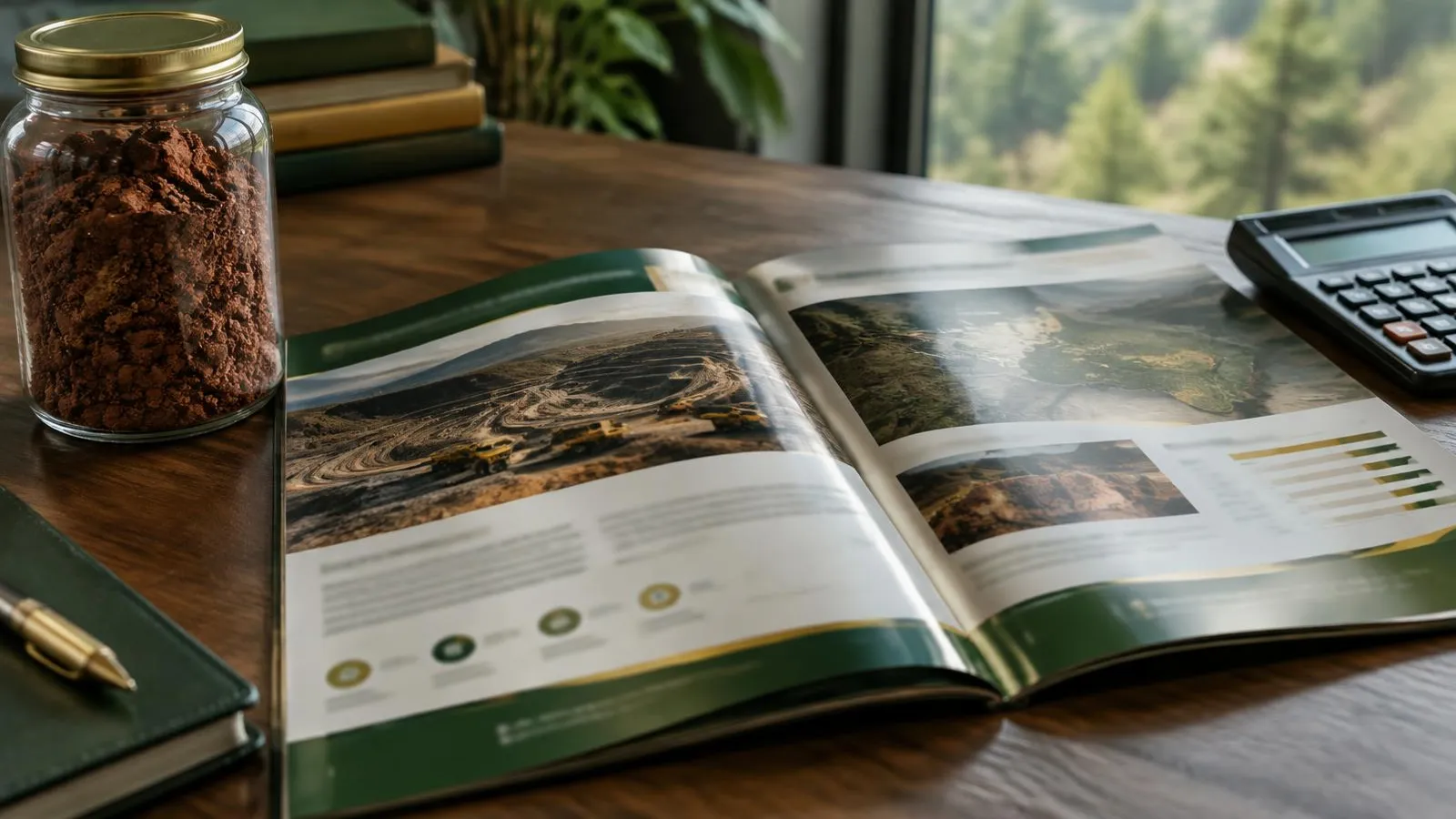
Rare earth offers carry the usual mining red flags and a few of their own, because the subject is technical and the headlines are exciting.
Value from TREO times price
A price computed as tonnes of rare earth oxide in the ground times a headline price. Recoverable magnet-metal content and costs decide value.
One high soil assay
A single spectacular sample presented as the grade of the whole area.
“Ionic” without metallurgy
A clay called ionic with no desorption test showing how much actually leaches.
No process number
Coordinates and photos, but no ANM process that can be checked.
Ignoring the new law
A seller promising a fast transfer of control to a foreign buyer without mentioning CIMCE homologation.
Fees to see data
Payments requested to open a data room or reserve exclusivity before a signed agreement.
None of these flags proves bad faith. Many Brazilian permit holders simply do not know what international buyers need. But each one shifts work and risk to the buyer, and should change the price or the structure of the deal.
§ 08 · Our method
How BRAZIL MINE works on rare earth projects
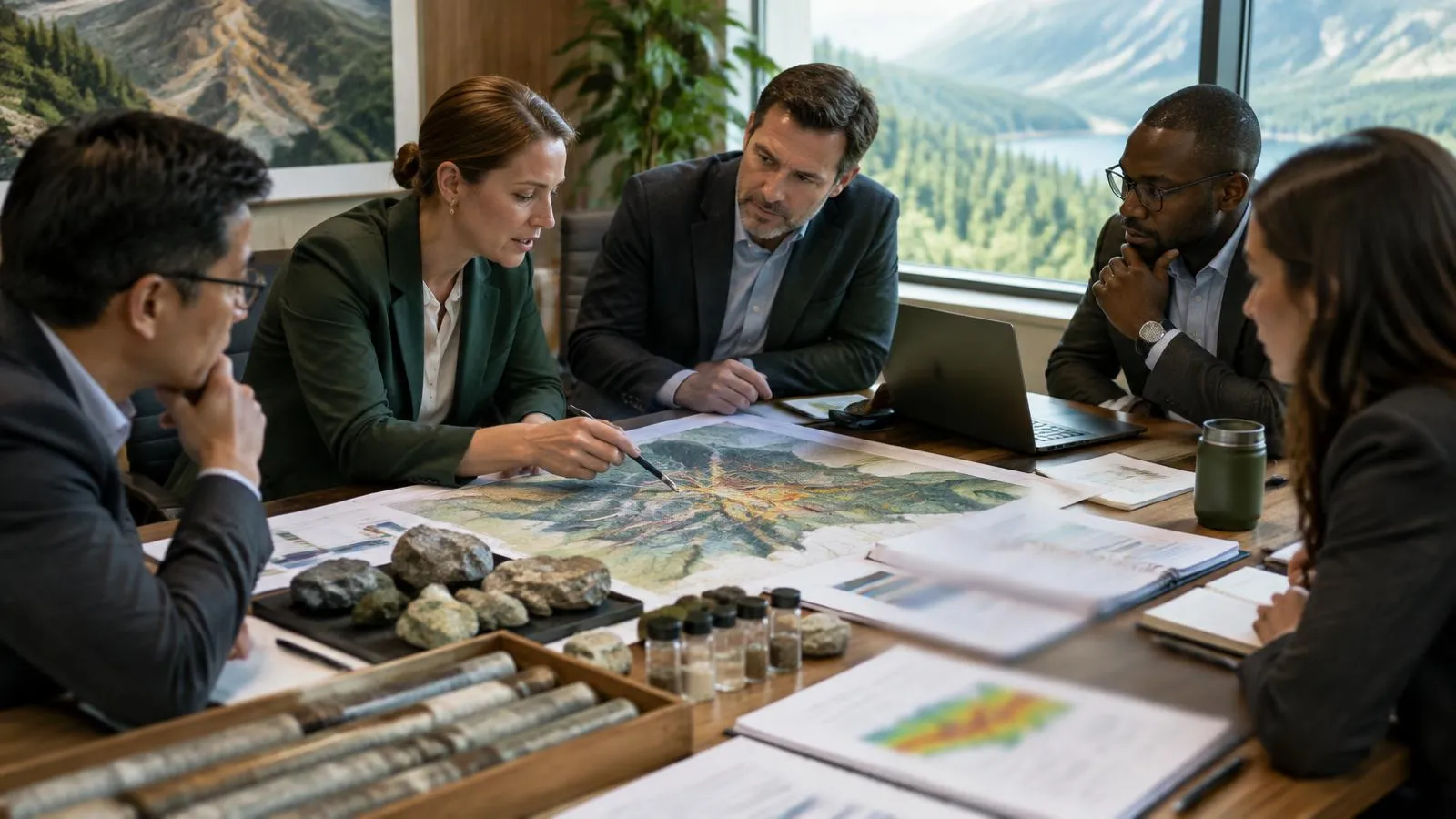
We verify before we offer. For rare earth projects that means checking the ANM title and its polygon, the land and its constraints, the existence and quality of the data, and the position of the asset under the new critical minerals law. We present projects at the stage they are actually at.
- KYC and NDA before confidential information is shared.
- Title and boundary verification in-house: our founder is a mathematician and land surveyor.
- Data-room discipline: certificates, not just tables; metallurgy, not just assays.
- Independent experts chosen by the buyer for geology, metallurgy, legal and tax work.
- No advance fees at any stage.
Looking at rare earths in Brazil?
Tell us which elements, stage and region interest you, or send us the ANM process number of a project you have been offered.
Request a confidential reviewContinue with our guides to Brazil's rare earth districts and to rare earth offtake and financing, with lessons from Serra Verde.
§ FAQ
Frequently asked questions
Are there rare earth projects for sale in Brazil?
Yes, from exploration permits to advanced projects. Most offers are early stage. Each needs verification of title, land, data and metallurgy, and since September 2026 transactions may need government homologation under Law 15,506.
What is an ionic clay rare earth deposit?
A weathered rock layer in which rare earths are loosely attached to clay minerals and can be released by washing with a salt solution, without crushing or grinding. Grades are low but processing is simpler, and heavy rare earths are often relatively abundant.
Is ionic clay better than hard rock?
Neither is better in general. Ionic clays need less capital and carry more heavy rare earths, but grades are low and recoveries vary. Hard-rock deposits are higher grade but need complex processing and often handle radioactive elements.
Where are Brazil's rare earth projects?
Mainly in Goiás, including Minaçu and Aclara's Carina project, and in Minas Gerais around Poços de Caldas, plus carbonatite complexes such as Araxá and Catalão and hard-rock prospects in Bahia.
Which Brazilian rare earth mine is in production?
Serra Verde's Pela Ema ionic clay mine in Minaçu, Goiás, which produces a mixed rare earth concentrate and was financed by the US DFC in 2026.
Can a foreign company buy a rare earth project in Brazil?
Yes, through a Brazilian company, but under Law 15,506 changes of control, significant foreign stakes and title transfers in critical and strategic minerals require homologation by the CIMCE council. Detailed procedures were still pending regulation.
What do TREO and MREO mean?
TREO is total rare earth oxides, the sum of all rare earths expressed as oxides. MREO is the magnet rare earth oxides, mainly NdPr plus Dy and Tb, which carry most of a deposit's value.
Do Brazilian rare earth projects involve radioactive materials?
Some do. Hard-rock and monazite-bearing deposits often contain thorium and uranium, which brings in the nuclear regulator CNEN. Many ionic clays have low radioactivity; some have obtained exemptions.
Mathematician, Land Surveyor and Licensed Real Estate Broker · CRECI-TO 4631
BRAZIL MINE — Mining & Minerals
Keep reading