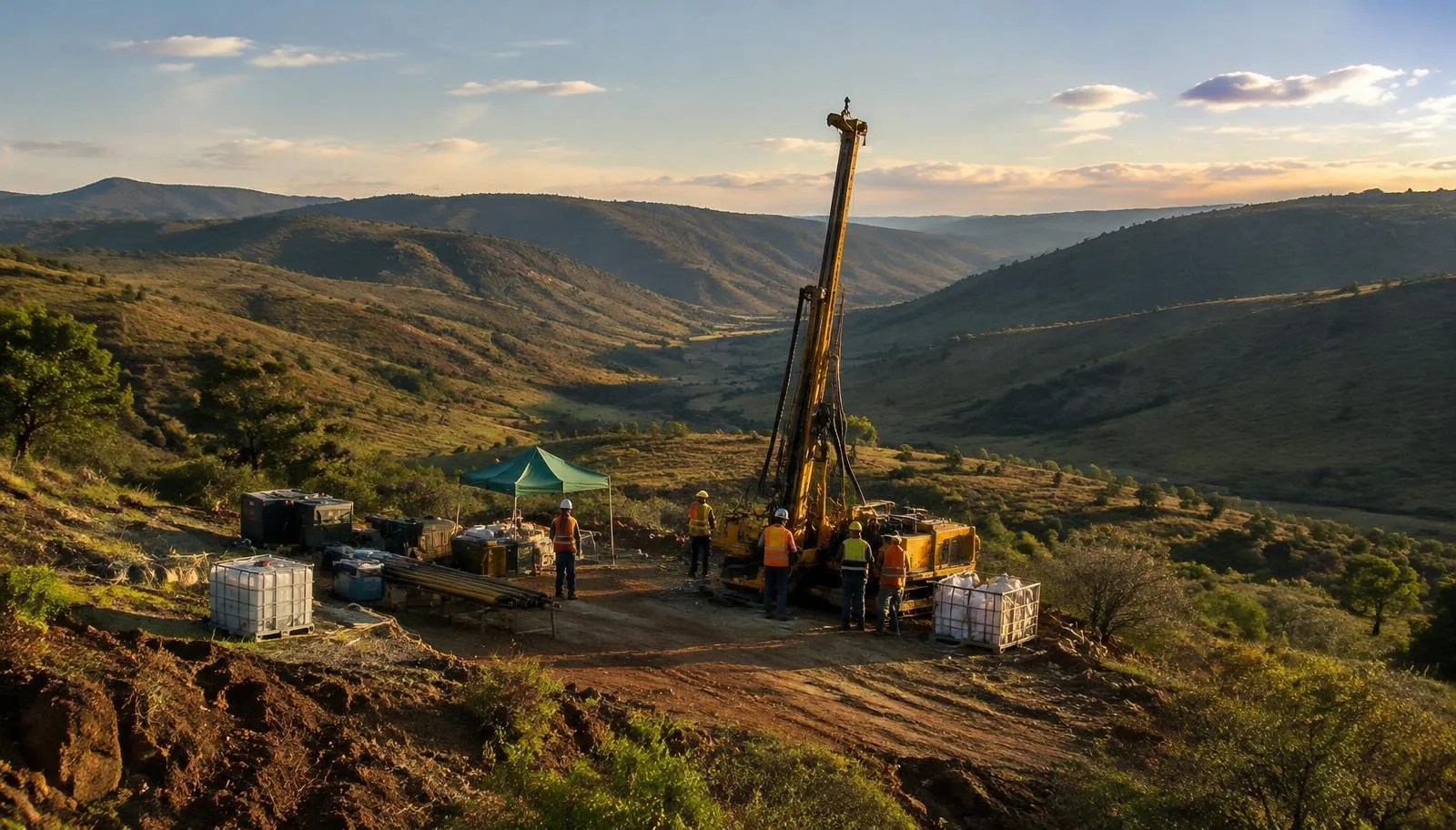
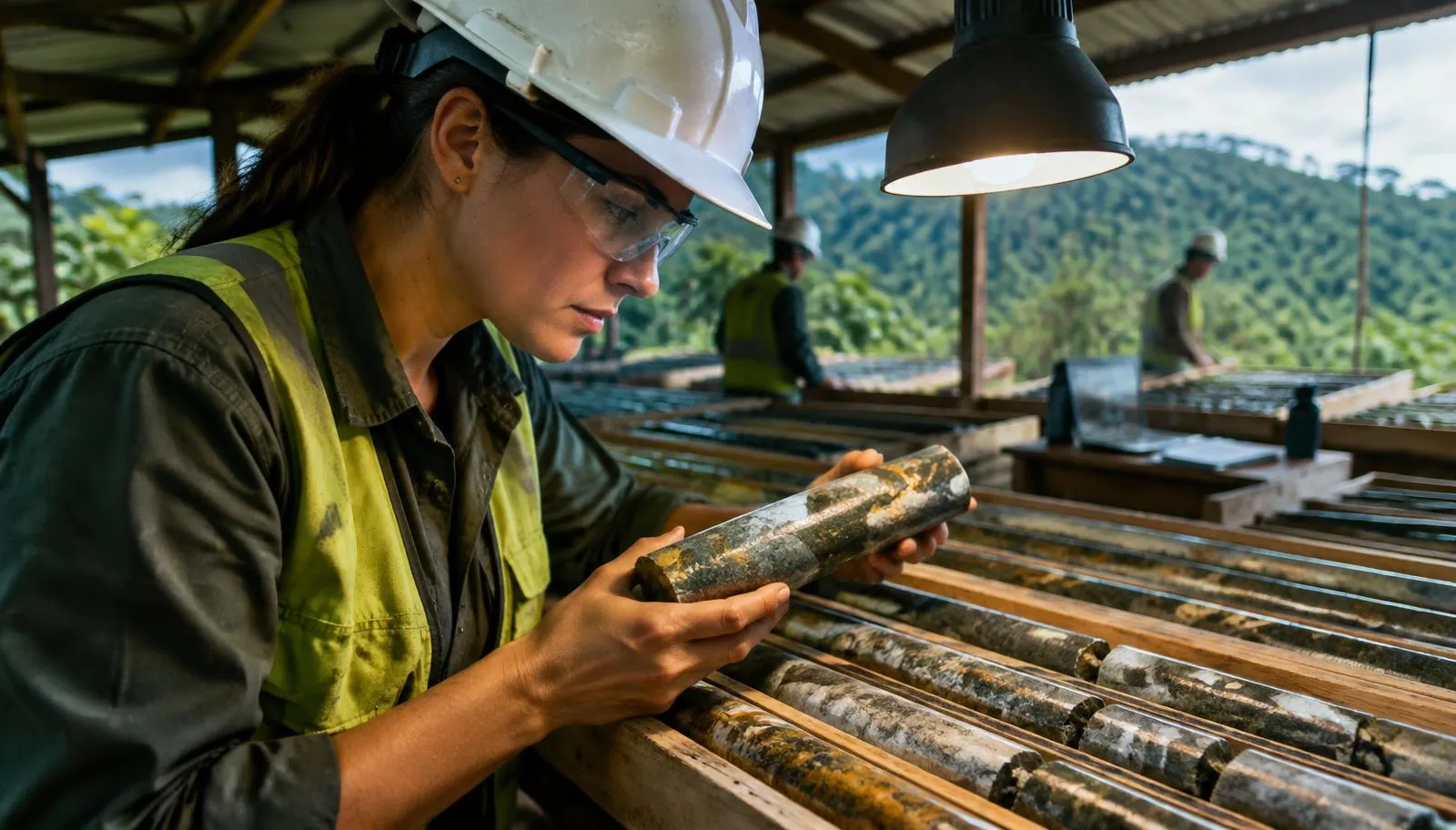
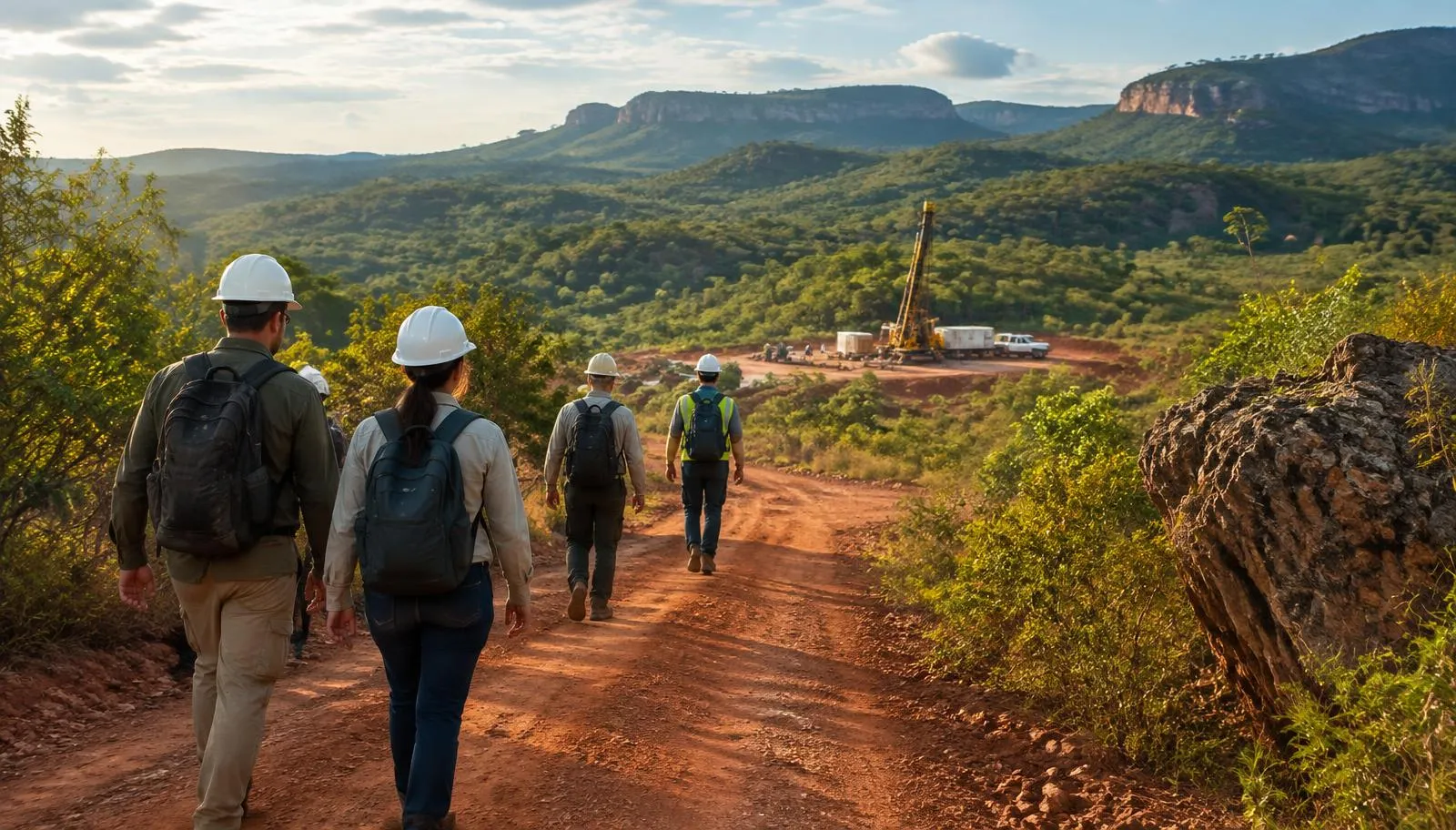
Reporting standards · Australia · ASX-listed companies
JORC vs. Brazilian ANM reports: what Australian buyers need to know
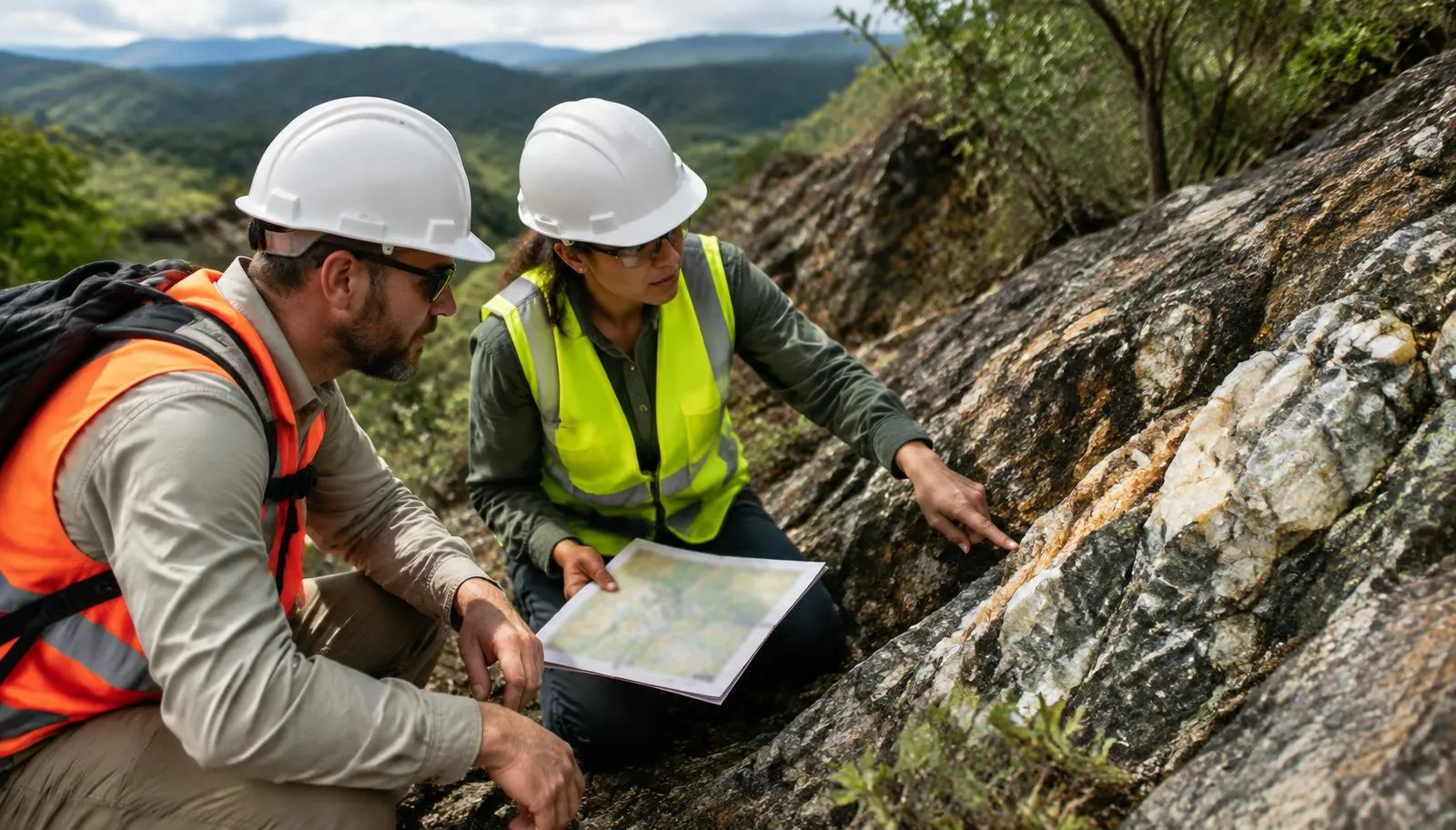
Australian companies are buying Brazilian ground faster than at any time in a generation, especially in lithium and gold. Almost every project they look at comes with a Brazilian regulatory report, approved by the ANM, full of tables labelled “reservas”. It is valuable work, and it is not a JORC resource. Knowing exactly where one ends and the other begins is what lets an ASX company announce a Brazilian acquisition without a query letter from the exchange.
Key takeaways
- The ANM final exploration report is a regulatory document that proves a deposit to the Brazilian state. JORC reporting is market disclosure to investors. They answer different questions.
- ANM reports have traditionally classified material as measured, indicated and inferred “reserves”, terms that do not match JORC reserves.
- ASX Listing Rule 5.12 lets a company report foreign or historical estimates, with specific information and a prominent cautionary statement.
- Brazilian data can support a JORC exploration target or, after verification work, a JORC mineral resource.
- Before any of this, confirm the ANM titles are active and the land is accessible. A perfect estimate on a lapsed title is worthless.
In this article
The Australian move into Brazil is no longer a trickle. ASX-listed explorers have pegged ground across Minas Gerais' Lithium Valley, rare-earth clays in Goiás and Minas Gerais, and gold belts from Pará to Tocantins. The attraction is clear: under-explored geology, decades of existing data, and acquisition prices that compare well with Western Australia.
The friction point is reporting. Australian boards and investors think in JORC categories. Brazilian sellers think in ANM categories. Both are rigorous in their own context. This guide explains the difference, the ASX rules that govern how Brazilian numbers can be reported, and a workflow for turning Brazilian data into JORC-compliant disclosure.
The guide moves from principles to practice: what each framework is for, how they compare, how the ASX treats foreign estimates, how Brazilian data can support an exploration target, and a workflow that puts tenure checks before disclosure.
§ 01 · The Australian side
The JORC Code in brief

The JORC Code (2012 edition) sets minimum standards for public reporting of exploration results, mineral resources and ore reserves by companies listed on the ASX. It is built on three principles: transparency, materiality and competence. Every public estimate must be based on work by a competent person, a member of an approved professional organisation with relevant experience in the style of mineralisation.
Exploration results
Drilling, sampling and assays, reported with JORC Table 1 so investors can judge their quality.
Exploration target
A conceptual range of tonnes and grade, with a mandatory statement that it is not a resource.
Mineral resource
Inferred, indicated or measured, with reasonable prospects for eventual economic extraction.
Ore reserve
Probable or proved, the economically mineable part of a resource after modifying factors.
The ASX Listing Rules, particularly Chapter 5, turn these principles into disclosure obligations. If a company announces a Brazilian acquisition, any number it publishes about tonnes, grades or contained metal must fit one of these frameworks.
Why the ASX is strict about foreign numbers
Australian investors rely on the JORC categories to compare projects across companies and countries. A number reported under a different standard, without explanation, breaks that comparison and can mislead the market. That is why the ASX looks closely at announcements of overseas acquisitions, and why a carefully prepared disclosure from day one is worth the effort. Queries from the exchange after an announcement are public and can damage credibility at exactly the moment a company wants to build it.
§ 02 · The Brazilian side
What the ANM final exploration report actually is
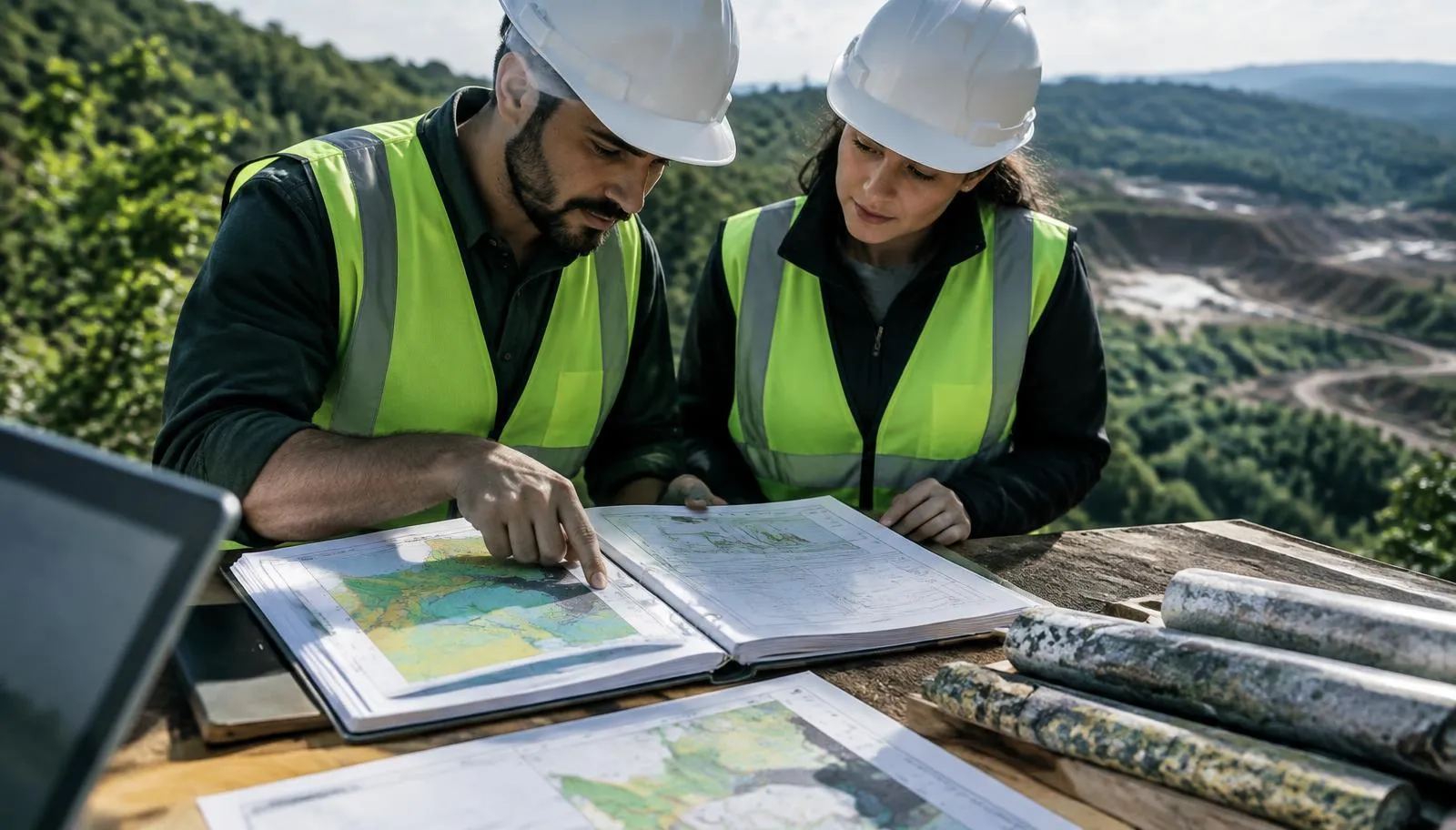
In Brazil, a company that holds an exploration permit must deliver a final exploration report (Relatório Final de Pesquisa) to the ANM at the end of its exploration work. If the report demonstrates a deposit that can be economically mined, the ANM approves it. Approval opens the way to a mining application and, eventually, a mining concession.
| Section | Content |
|---|---|
| Geology | Regional and local geology, mapping, interpretation |
| Work done | Drilling, trenching, sampling, analytical methods |
| Estimate | Tonnage and grade, classified as measured, indicated and inferred “reservas” |
| Economics | A preliminary view of the deposit's economic viability |
| Responsibility | Signed by a Brazilian-registered geologist or mining engineer |
Approval is a genuine value milestone. It means the Brazilian state has accepted that a deposit exists, and it starts the clock on the mining application, which must normally be filed within one year. But the report was written for a regulator, not for the ASX, and it was not prepared under JORC.
Getting hold of the report
The seller should provide the full report with its annexes. If the asset passed through previous holders, earlier reports may also exist. Ask for all of them, not just the summary tables.
- The final exploration report and the ANM's approval decision
- Partial reports filed during the exploration term
- Drill logs, collar surveys and assay certificates referred to in the report
- Any economic development plan filed with a mining application
Remember that the report belongs to a specific ANM process. If a project is made of several permits, there may be several reports, approved at different times and prepared by different teams. Treat each one separately before trying to combine them.
§ 03 · Comparison
JORC and ANM reporting side by side
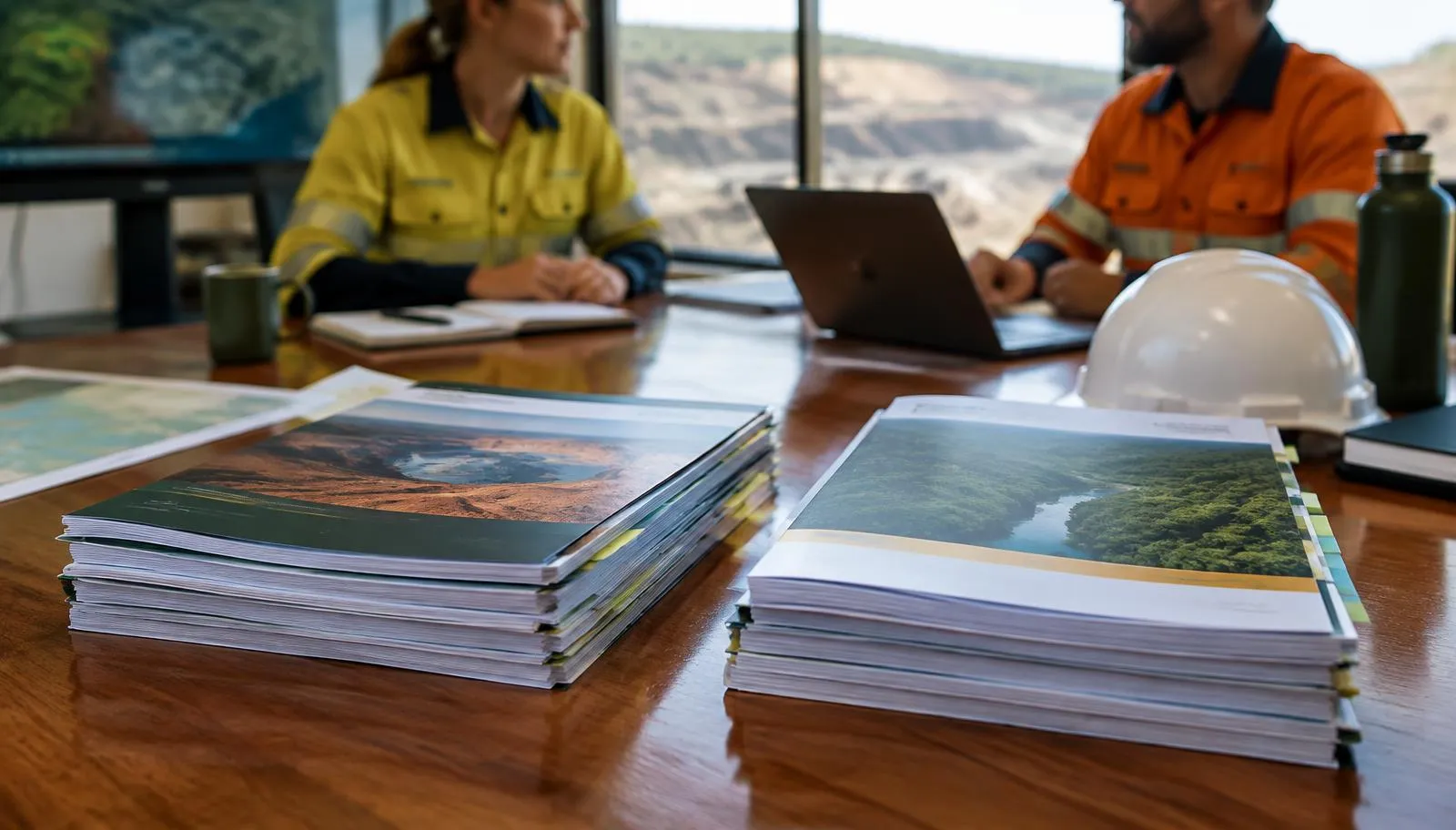
| ANM final exploration report | JORC public report | |
|---|---|---|
| Audience | Brazilian regulator | Investors and the market |
| Purpose | Prove a deposit to obtain mining rights | Disclose material information fairly |
| Signatory | Brazilian-registered geologist or engineer | Competent person under JORC |
| Categories | Measured, indicated, inferred “reserves” | Resources and ore reserves, each with confidence levels |
| QA/QC transparency | Varies; often limited in older reports | Required through JORC Table 1 |
| Economic test | Preliminary viability | Reasonable prospects (resources), modifying factors (reserves) |
| Validity | Regulatory milestone, does not expire as data | Must be current; updated when material changes occur |
The two frameworks are not rivals. A well-prepared ANM report often contains exactly the data a competent person needs. The work is in auditing that data, filling its gaps and re-estimating under JORC.
A practical example of the translation problem: a Brazilian report lists an approved deposit with “reserva medida” and “reserva indicada” tonnages. In an ASX context, the honest description is a historical estimate in categories that the report's authors called measured and indicated reserves under Brazilian regulatory practice, which a competent person has not yet classified under JORC. It is longer, and it is the description that keeps the company out of trouble.
§ 04 · ASX rules
Reporting Brazilian numbers on the ASX: foreign and historical estimates

When an ASX company acquires a Brazilian project with an existing estimate that was not prepared under JORC, Listing Rule 5.12 governs whether and how it can be reported. The rule allows disclosure of foreign or historical estimates, but only with a specific set of information.
What an announcement must deal with
- The source and date of the estimate
- The categories used and how they relate to JORC categories
- The relevance and materiality of the estimate to the company
- The reliability of the estimate, including the data and methods behind it
- Any more recent estimates or data
- The evaluation and exploration work needed to report under JORC, with timing and funding
- A prominent cautionary statement that the estimate is not reported under JORC, that a competent person has not done sufficient work to classify it under JORC, and that further work may not result in a JORC resource
- A competent person statement
How a compliant disclosure is usually organised
- A headline that names the estimate as a foreign or historical estimate, not a resource.
- A cautionary statement, prominent and close to the figures.
- A table of the original figures in their original categories.
- Notes on source, date, methods, data and reliability.
- The planned work programme to report under JORC, with its timing and funding.
- The competent person statement.
A common mistake is to treat Listing Rule 5.12 as a formality. In practice it forces the company to explain the estimate's quality to the market, and investors read that explanation closely. A well-written disclosure that honestly describes data gaps and the plan to close them builds more credibility than a headline number that collapses under the first question.
§ 05 · Early stage
Using Brazilian data for a JORC exploration target

Not every Brazilian dataset is strong enough to support a resource. Many are strong enough to support an exploration target, a JORC tool for describing the potential of a project as a range of tonnes and grade, before a resource exists.
- It must be expressed as ranges, not single figures.
- It must explain the data and assumptions behind it.
- It must state clearly that the potential quantity and grade are conceptual, that there has been insufficient exploration to estimate a resource, and that further work may not result in one.
For a newly acquired Brazilian project, an exploration target built on old drilling, mapping and garimpo workings can be an honest and powerful way to show scale while the verification programme runs. It is also the right home for the large “potential” figures that sellers like to put in brochures.
If the seller's headline number cannot survive as a range with a cautionary statement, it should not be in your announcement.
Building a target from Brazilian data
- Use mapped pegmatite or vein dimensions and their known extents.
- Use historical drilling only where collars and assays can be traced.
- Apply grade ranges supported by sampling, not by the seller's best intercepts.
- Explain every assumption, including density and depth extent.
- State the work planned to test the target, and when.
§ 06 · In practice
What this means for lithium and gold projects in Brazil
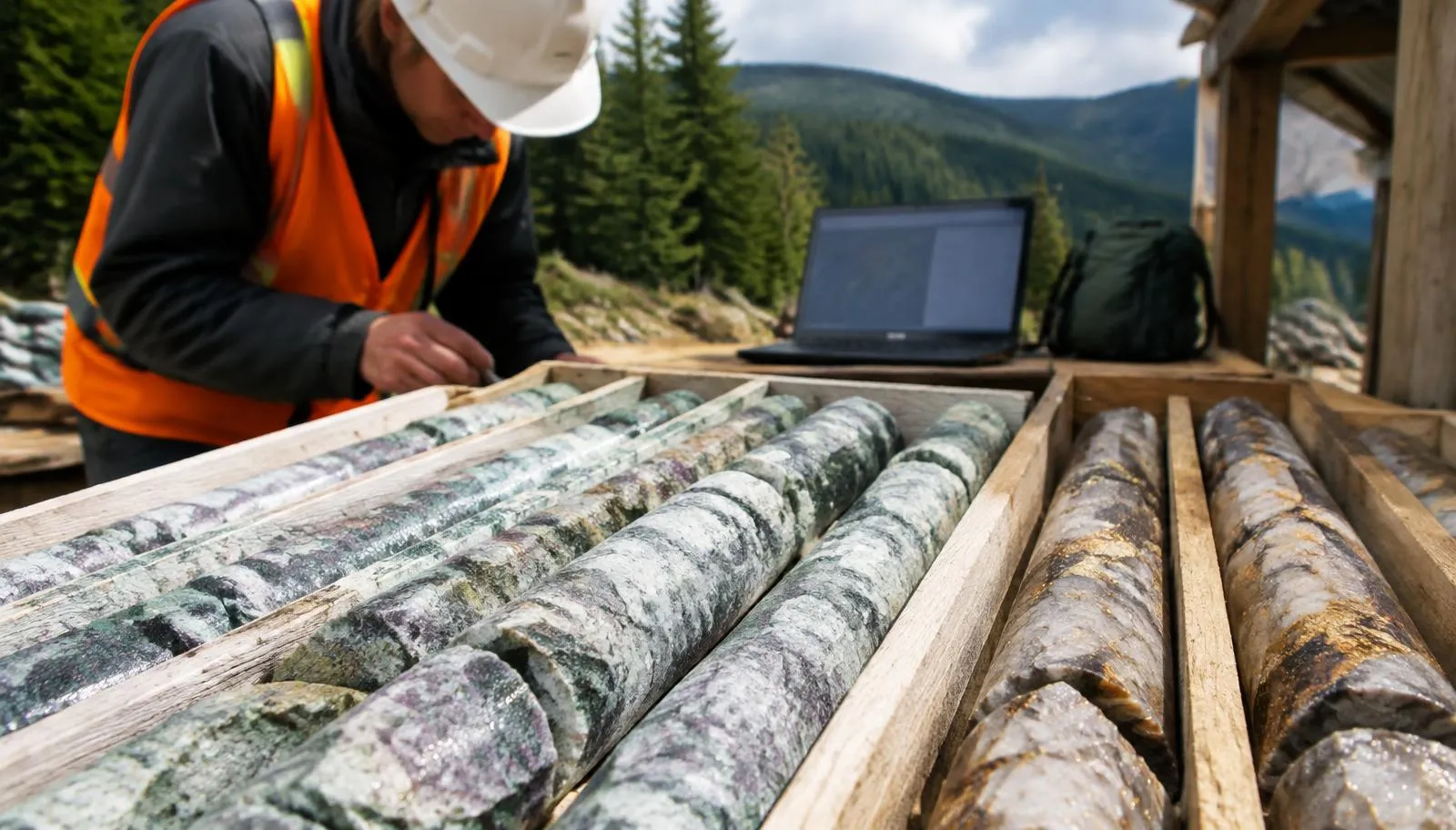
The two commodities that draw most Australian interest to Brazil sit at different points on the data curve.
Young data, fast pegging
Most lithium ground in the Jequitinhonha Valley was pegged recently. Data is often modern but thin; exploration targets and maiden resources dominate. Read Lithium projects in Brazil.
Old data, deep archive
Gold projects often carry decades of drilling and regulatory reports. The opportunity is re-using that work; the task is verifying it.
Tenure is the first test
Exploration permits have terms and annual fees. Confirm standing at the ANM before your competent person books a flight.
For gold, the Canadian equivalent of this discussion is set out in NI 43-101 and Brazilian gold projects. The logic is the same across both codes: state what the old number is, state what it is not, and show the work that will close the gap.
Data quality warning signs
No certificates
Results exist only as tables typed into a report. Re-assaying will be needed.
No surveyed locations
Holes cannot be located on the ground, so they cannot be twinned or modelled with confidence.
No standards or duplicates
Common in older Brazilian programmes; verification drilling becomes essential.
Core discarded
Without core or pulps, historical results cannot be checked directly.
§ 07 · Workflow
A due-diligence workflow for ASX companies buying in Brazil

- 01
Tenure screen
Phase, holder, area, fees and expiry of every ANM process. Confirm the seller controls them.
- 02
Surface and constraints
Overlay the polygons on land titles and protected-area layers; count the landowners.
- 03
Data room request
Original ANM reports, assay certificates, drill logs, collar surveys, core location.
- 04
Competent person review
Assess reliability, choose between exploration target, foreign-estimate disclosure or neither.
- 05
Structure
Brazilian subsidiary, title assignment or share purchase, ANM approvals. See Can foreigners buy a mine in Brazil?.
- 06
Announcement
Listing Rule 5.12 disclosure if relevant, JORC Table 1 for results, competent person statement.
- 07
Verification programme
Twin holes, re-assays, QA/QC and a maiden JORC resource.
Steps one and two are where Brazilian deals most often fail, and they are the cheapest to run. A JORC resource on ground the company cannot access helps nobody.
In practice, the companies that announce Brazilian acquisitions smoothly are the ones that ran this workflow before signing, not after. Two weeks of tenure and data work protects months of market credibility.
Who does what
| Task | Responsible |
|---|---|
| ANM tenure and land overlay | Brazilian tenure specialist and land surveyor |
| Original data recovery | Vendor, coordinated by the buyer's geologist |
| Reporting route and wording | Competent person and company secretary |
| Corporate structure and transfer | Brazilian counsel |
| Verification programme | Exploration manager and competent person |
Evaluating a Brazilian acquisition for an ASX company?
We verify ANM tenure, land and constraints, and assemble the original Brazilian data your competent person needs, before you announce.
Talk to the desk§ FAQ
Frequently asked questions
Is an ANM-approved final exploration report equivalent to a JORC resource?
No. It is a Brazilian regulatory milestone confirming a deposit to the regulator. It is not prepared under the JORC Code and cannot be presented to the ASX as a JORC resource.
Can an ASX company report a Brazilian estimate that is not JORC-compliant?
Yes, under ASX Listing Rule 5.12 for foreign or historical estimates, provided the announcement includes the required information and a prominent cautionary statement, plus a competent person statement.
What does “reservas” mean in a Brazilian report?
Brazilian regulatory reports have traditionally used measured, indicated and inferred “reserves” as their categories. These do not correspond to JORC ore reserves and must be explained, not translated literally.
Can Brazilian data support a JORC exploration target?
Often yes. An exploration target must be expressed as ranges, explain its basis and state that it is conceptual and may not result in a mineral resource.
Does Brazil have its own CRIRSCO-aligned reporting code?
Yes. The CBRR (Comissão Brasileira de Recursos e Reservas) publishes a guide in the CRIRSCO family, alongside JORC and NI 43-101.
Who can act as competent person for a Brazilian project reported on the ASX?
A member of an approved professional organisation, such as the AusIMM, the AIG or a recognised overseas professional organisation, with at least five years of experience relevant to the style of mineralisation and the activity being reported.
Can a Brazilian geologist sign a JORC report?
Yes, if they meet the competent person requirements, including membership of a recognised professional organisation. Many Brazilian geologists are members of organisations recognised under the JORC Code.
Is the Brazilian CBRR code accepted on the ASX?
The ASX requires reporting under the JORC Code. A CBRR report is prepared under a CRIRSCO-aligned standard, which makes it much easier for a competent person to review and convert, but the ASX announcement itself must follow JORC and the Listing Rules.

Mathematician, Land Surveyor and Licensed Real Estate Broker · CRECI-TO 4631
BRAZIL MINE — Mining & Minerals
Keep reading