Reporting standards · Canada · TSX and TSX-V issuers
NI 43-101 and Brazilian gold projects: historical estimates explained
A Brazilian gold project lands on your desk with an impressive number: hundreds of thousands of ounces, sometimes millions, from a study done ten, twenty or forty years ago. Under Canadian rules you may be able to talk about it publicly. You may not call it a resource, you may not call it a reserve, and you must say exactly why not. Get the wording right and the number is an asset. Get it wrong and it becomes a regulatory problem with your name on it.
Key takeaways
- NI 43-101 governs how issuers in Canada disclose scientific and technical information, including any estimate of mineral resources or reserves.
- A historical estimate is one prepared before the issuer acquired the project, or not to current standards. It can be disclosed only with specific information and a prominent cautionary statement.
- Brazilian regulatory reports approved by the ANM have traditionally used the word “reserves” for categories that do not equal reserves under CIM definitions.
- A higher gold price does not upgrade an old estimate. Only new work by a qualified person can turn a historical figure into a current resource.
- Contained gold and gold-equivalent ounces must never be added together, and speculative “potential” figures should stay out of public material.
In this article
Brazil has an unusually deep archive of gold data. State geological programmes, the former exploration arms of large Brazilian companies, decades of garimpo activity and thousands of reports filed with the mining regulator have left behind drill logs, assays and estimates for projects that never became mines. For a Canadian junior, that archive can shorten the road to a discovery by years.
It can also cause trouble. Canadian securities regulators take the distinction between resources, reserves and historical estimates seriously, and so do the institutions that fund juniors. This article explains how NI 43-101 applies to Brazilian data, where the common mistakes are, and what a disciplined path to a compliant resource looks like. It is general guidance, not a substitute for your qualified person or securities counsel.
We cover the framework, the resource and reserve distinction, the historical-estimate rule, the specific features of Brazilian data, the opportunity created by higher gold prices, the path to a compliant resource and a practical playbook for buyers.
§ 01 · The framework
NI 43-101 in brief

National Instrument 43-101 sets the rules for how issuers reporting in Canada disclose scientific and technical information about mineral projects. Its core principle is simple: technical disclosure must be based on work prepared or supervised by a qualified person (QP), an experienced professional who belongs to a recognised professional body, and estimates must use the categories in the CIM Definition Standards.
| Category | What it means | Confidence |
|---|---|---|
| Inferred resource | Quantity and grade estimated from limited sampling | Lowest |
| Indicated resource | Enough data to support mine planning at a preliminary level | Medium |
| Measured resource | Detailed, reliable sampling supports confident estimation | High |
| Probable reserve | Economically mineable part of indicated (or measured) resources, after modifying factors | Medium |
| Proven reserve | Economically mineable part of measured resources | Highest |
Resources describe what is in the ground with reasonable prospects for eventual economic extraction. Reserves describe what can be mined at a profit once mining, processing, metallurgical, economic, legal, environmental and social factors have been applied, normally through a pre-feasibility or feasibility study.
Even private buyers who never intend to list in Canada increasingly use NI 43-101 as their benchmark. Lenders, streaming companies and future acquirers expect technical information in that language, so a project that is already documented to the standard is easier to finance and easier to sell.
§ 02 · The distinction
Resources are not reserves, and the market notices

The single most damaging mistake in Brazilian gold marketing is calling a resource a reserve. It happens constantly, partly by habit and partly because Brazilian regulatory language uses the word differently, as explained below. For a Canadian or Australian buyer, the mistake is an immediate credibility test. Either the seller does not know the difference, or they hope you do not.
How offers describe it
- “Proven reserves of 2 million ounces”
- “Certified reserves” from an old report
- Ounces from several deposits added into one total
- Gold-equivalent ounces added to gold ounces
How it should be described
- The category under CIM definitions, or “historical estimate”
- The report, author, date and standard used
- Each deposit stated separately
- Contained gold stated alone; equivalents explained separately
The discipline matters beyond compliance. Institutional investors in Toronto and Sydney price a project very differently depending on whether it holds inferred resources, indicated resources or reserves. Inflating the category does not inflate the value. It just delays the moment the buyer discovers the real category and walks away.
Why the category drives value
Inferred resources cannot be converted directly to reserves and carry the most uncertainty. Indicated and measured resources support more advanced studies. Reserves sit on top of a completed study with defined costs and recoveries. Each step up the ladder reduces risk and typically increases what a buyer will pay per ounce. That is why misstating the category is so tempting, and why it is so damaging when discovered.
§ 03 · The rule
What NI 43-101 calls a historical estimate

Under NI 43-101, a historical estimate is an estimate of quantity, grade or metal content prepared before the issuer acquired, or entered into an agreement to acquire, an interest in the property, and which the issuer is not treating as a current resource or reserve. Almost every old Brazilian figure falls into this category when a Canadian company first engages with a project.
The instrument allows an issuer to disclose a historical estimate, using the original terminology, provided it includes specific information alongside it.
What must accompany a historical estimate
- The source and date of the historical estimate
- Comments on its relevance and reliability
- The key assumptions, parameters and methods used to prepare it
- The categories used, and how they differ from CIM categories where they do
- Any more recent estimates or data available to the issuer
- The work needed to upgrade or verify it as a current resource or reserve
- A statement that a qualified person has not done sufficient work to classify it as current, and that the issuer is not treating it as current
How compliant wording is usually organised
Disclosure of a Brazilian historical estimate typically reads in this order: the name of the report, its author and its date; the original figures in their original categories; a short explanation of what those categories mean and how they differ from CIM; notes on data and reliability; the work planned to verify the estimate; and the cautionary statement. Your qualified person and securities counsel should settle the final wording.
§ 04 · Brazilian sources
Brazilian data: why ANM “reserves” are not CIM reserves
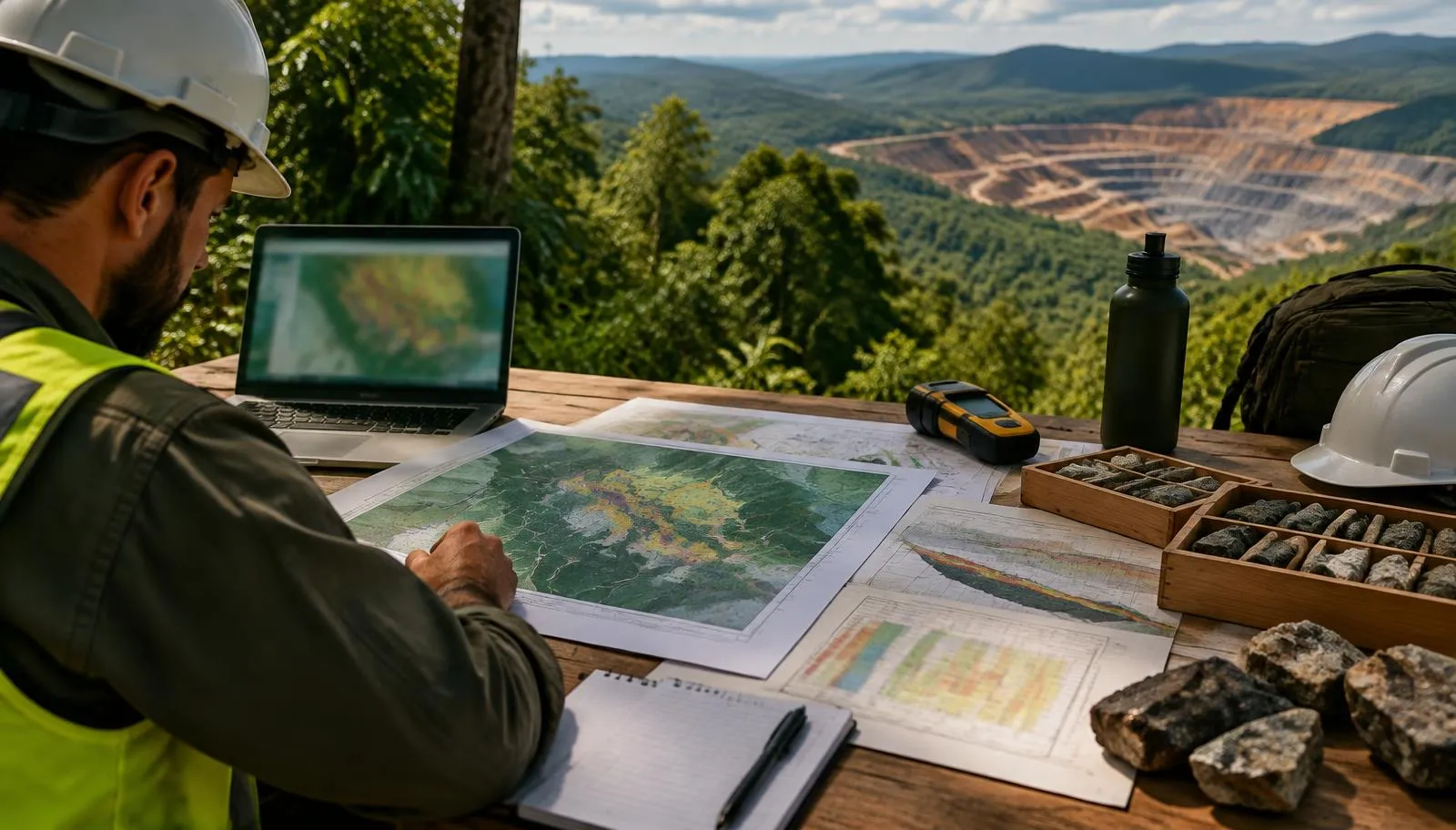
Brazilian exploration data comes from several sources, each with a different level of reliability. Knowing which one you are looking at is the first job of the qualified person.
ANM final exploration reports
The report that leads to approval of a deposit by the regulator. Historically it classifies material as measured, indicated and inferred “reserves” under Brazilian regulatory language.
Geological Survey of Brazil (SGB)
Regional mapping, geochemistry and geophysics. Excellent for targeting, not a basis for an estimate on its own.
Former company studies
Drilling and estimates by large Brazilian or international companies that later left the project. Often good data, often missing QA/QC records.
CBRR reports
Brazil's own reporting code, aligned with the CRIRSCO family. Reports prepared under it are much easier to reconcile with NI 43-101 and JORC.
This is the most common translation error we see in English-language teasers for Brazilian assets. The Portuguese is accurate in its own regulatory context. The English, read by a Canadian investor, says something entirely different. Translate the category, then add the explanation.
Provenance checks
- Who drilled the holes, when, and with what method?
- Which laboratory assayed the samples, and are certificates available?
- Were standards, blanks and duplicates used?
- Where is the core or pulp material stored today?
- Has the data been used in any later estimate?
Where an ANM-approved report is the only estimate available, it remains valuable evidence. Approval means a Brazilian professional signed it and the regulator accepted it. The work for a Canadian issuer is to understand how it was prepared, not to dismiss it.
§ 05 · The opportunity
The gold price gap: real opportunity, careful wording

Many Brazilian gold studies were run at gold prices far below today's. That gap is the most powerful commercial argument behind many projects now coming back to market. A deposit evaluated at a much lower price may have been sub-economic then and attractive now, and a lower cut-off grade could bring more material into a pit shell.
What you can say is that the historical estimate was prepared at a stated gold price, that prices have since risen materially, and that this is one reason the project merits renewed work. What you cannot do is recalculate the old estimate yourself at today's price and present the result as a resource. That is a new estimate, and only a qualified person, with verified data and current parameters, can produce it.
A higher gold price is a reason to do the work. It is not a substitute for the work.
There is a second side to the price gap. Costs have also risen since many old studies were prepared, including energy, labour and equipment. A fair narrative mentions both, and leaves the conclusion to the new estimate and study.
§ 06 · The work
From historical estimate to current resource
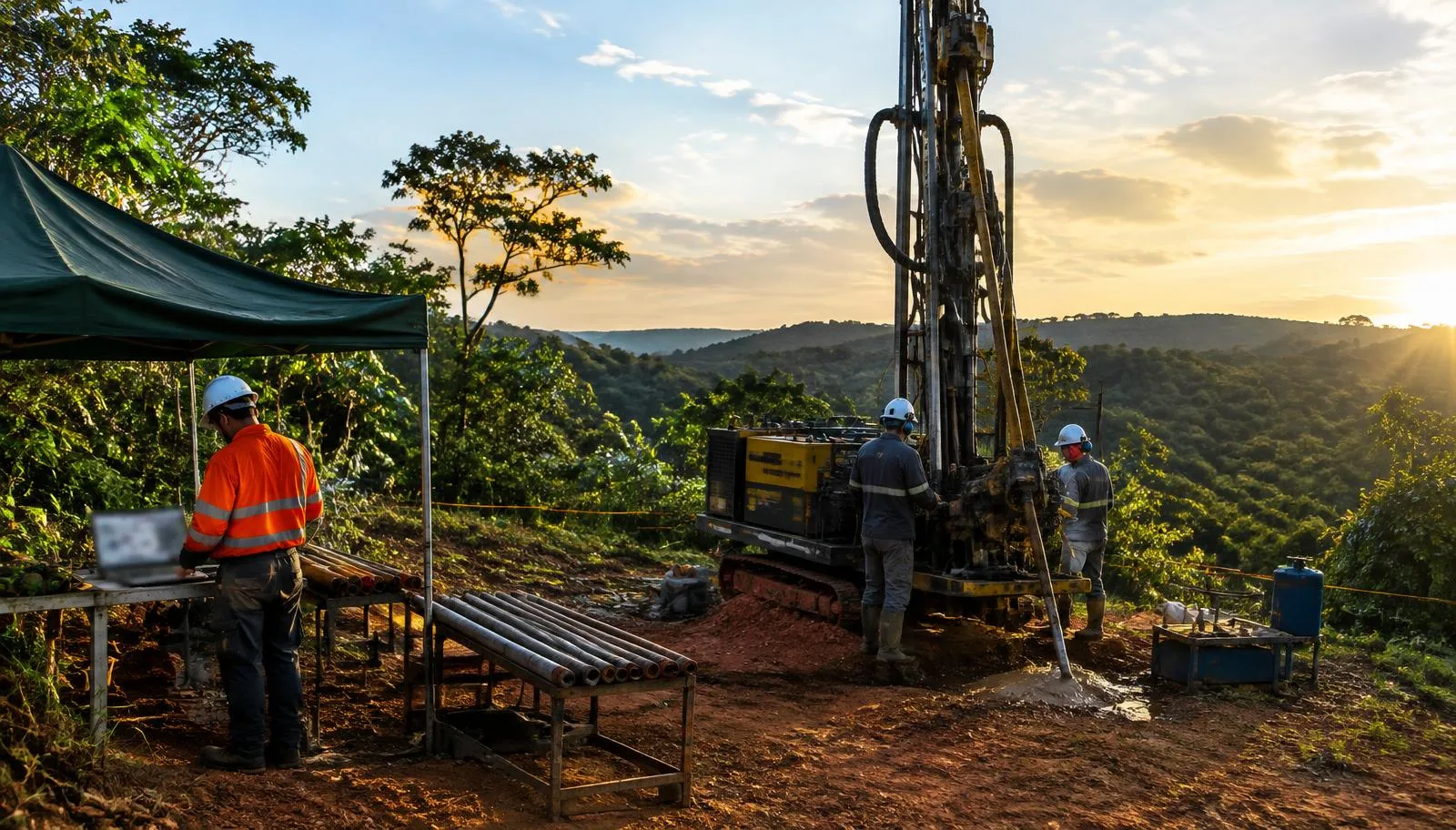
Upgrading a historical estimate is a well-trodden path. The cost and time depend mostly on how much of the original data survives and how well it was documented.
- 01
Data recovery and audit
Locate drill logs, assay certificates, survey data and core. Build a validated database and record what is missing.
- 02
QP site visit
A personal inspection by the qualified person is required for a technical report. It also confirms collars, core storage and access.
- 03
Verification drilling
Twin a selection of historical holes and re-assay retained core or pulps to test whether the old results reproduce.
- 04
QA/QC programme
Standards, blanks and duplicates for all new work, which is often what historical programmes lacked.
- 05
Geological model and estimate
A new resource estimate using current methods, cut-off grades and prices, classified under CIM definitions.
- 06
Technical report
A NI 43-101 technical report filed by the issuer, signed by the qualified person.
| Factor | Effect |
|---|---|
| Original data complete and certified | Shorter, cheaper verification |
| Core or pulps retained | Re-assaying possible without new drilling |
| Collars located and surveyed | Twin holes can be planned precisely |
| Old QA/QC missing | More verification drilling needed |
| Tenure or access issues | Work cannot start until resolved |
§ 07 · Playbook
A buyer's playbook for Brazilian historical numbers

Whether you are a Canadian junior, a fund or a strategic buyer, the same discipline protects you when a Brazilian gold project comes with old numbers attached.
Before you rely on a historical number
- Ask for the original report, not a summary of it
- Identify the author, the date, the standard and the categories used
- Note the gold price and cut-off grade behind the estimate
- Separate each deposit; never accept a single summed total
- Separate contained gold from any gold-equivalent figure
- Ask what data survives: core, pulps, logs, certificates
- Confirm the ANM titles covering the estimate are active and in the seller's control
Handled correctly, Brazil's historical data is one of the strongest arguments for exploring here: drilling done by others, at prices that no longer apply, on ground that is still available. If you are weighing a specific project, see also PLG vs mining concession to make sure the title matches the geology.
Applied consistently, these checks protect both sides. Sellers with good historical data get credit for it, and buyers know exactly what they are paying for.
Have a Brazilian gold project with historical data?
We verify the titles, the land and the provenance of the data before your qualified person spends a day on site.
Request a confidential review§ FAQ
Frequently asked questions
Can I disclose a Brazilian historical gold estimate under NI 43-101?
Yes, if you include the source and date, its relevance and reliability, key assumptions and methods, the categories used, any more recent data, the work needed to upgrade it, and a statement that a qualified person has not done sufficient work to classify it as current and that you are not treating it as current.
Are reserves in an ANM-approved report the same as NI 43-101 reserves?
No. Brazilian regulatory reports have traditionally used the term reserves for measured, indicated and inferred categories. These are not CIM reserves, and in Canada they are normally disclosed as historical estimates.
Does a higher gold price turn a historical estimate into a resource?
No. Only new work by a qualified person, using verified data and current parameters, can produce a current mineral resource estimate.
Does the qualified person have to visit the project in Brazil?
A NI 43-101 technical report requires a current personal inspection of the property by at least one qualified person responsible for the report.
Can gold-equivalent ounces be added to gold ounces?
They should never be summed into a single headline total. Contained gold should be stated on its own, and any metal-equivalent figure must be explained with the prices and recoveries used.
Who qualifies as a qualified person for a Brazilian project?
An engineer or geoscientist with at least five years of relevant experience, experience relevant to the project, and membership in good standing of a recognised professional association. Brazilian professionals can qualify if they meet these conditions.
What is the difference between a historical estimate and an exploration target?
A historical estimate is an existing estimate prepared by someone else or before current standards were applied. An exploration target is a conceptual range of potential tonnage and grade prepared to guide future exploration. Both require clear cautionary language.
Can a Brazilian ANM report be used in a NI 43-101 technical report?
Yes, as a data source and as a historical estimate described with the required disclosure. A qualified person must assess its reliability, and any current resource must come from new work under CIM definitions.

Mathematician, Land Surveyor and Licensed Real Estate Broker · CRECI-TO 4631
BRAZIL MINE — Mining & Minerals
Keep reading