Lithium · Australia · ASX juniors
Lithium projects in Brazil: a guide for ASX juniors entering the Lithium Valley
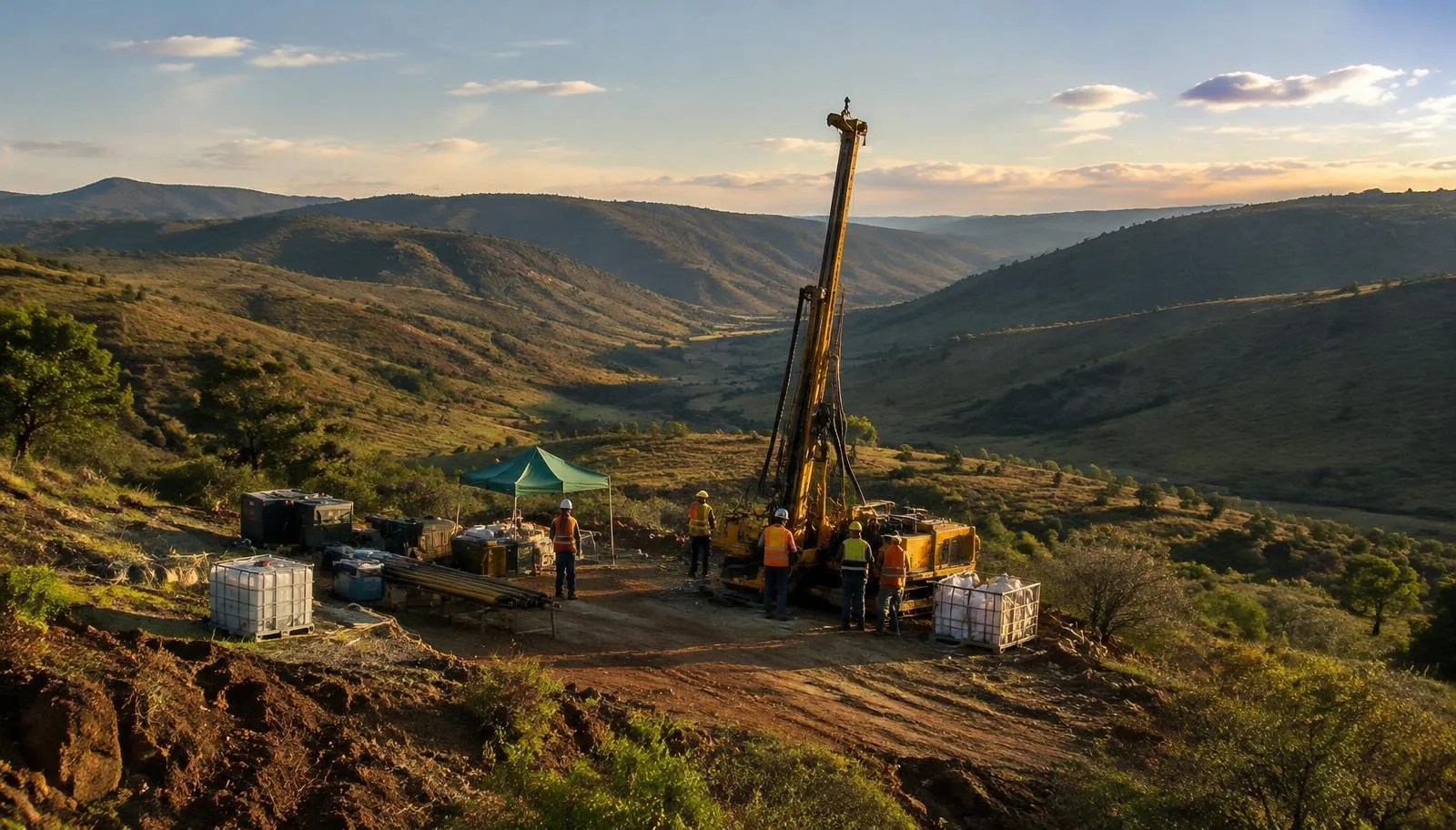
In a few short years, a dry, hilly corner of north-eastern Minas Gerais went from being one of Brazil's poorest regions to one of the most watched lithium districts in the world. Producers are shipping spodumene concentrate, ASX-listed explorers are pegging every pegmatite they can find, and the best ground is being taken by whoever checks the registry first. If you are an Australian junior looking at Brazil, the opportunity is real. So is the speed at which it punishes shortcuts.
Key takeaways
- Brazil's Lithium Valley in the Jequitinhonha Valley of Minas Gerais hosts hard-rock spodumene pegmatites with established producers and a fast-growing explorer community.
- Brazil liberalised lithium exports in 2022, removing the old controls that had kept foreign capital at a distance.
- In a land rush, tenure is the asset: exploration permit standing, priority, fees and expiry dates decide value more than surface showings.
- Properties in the valley are often small, so a single mineral polygon can cross many landowners and communities.
- Most acquisitions are structured as options, earn-ins or permit assignments with local titleholders, not outright company purchases.
In this article
Australian companies understand hard-rock lithium better than anyone. They built the Western Australian spodumene industry, and many of them now see Brazil as the next place to apply that know-how. Geology, jurisdiction and cost all point the same way: pegmatite-rich terrain, a mining culture, a regulator with public records and entry prices that still compare well with the Pilbara and Goldfields.
This guide is written for that buyer: the ASX junior, its technical team and its board. It covers where the lithium is, how ground is held, what to check before you sign, how to report Brazilian data on the ASX and which deal structures work. For the lithium assets we currently represent, see lithium projects for sale in Brazil.
The sections follow the order in which a real acquisition unfolds: the investment case, the geology, how tenure works in a crowded district, the checks to run before signing, the realities of land and community in the valley, ASX disclosure, and the deal structures that close. Each section can be read on its own, but the order is deliberate. Most of the costly mistakes we see come from doing these steps in the wrong sequence.
§ 01 · The opportunity
Why Brazil, and why now
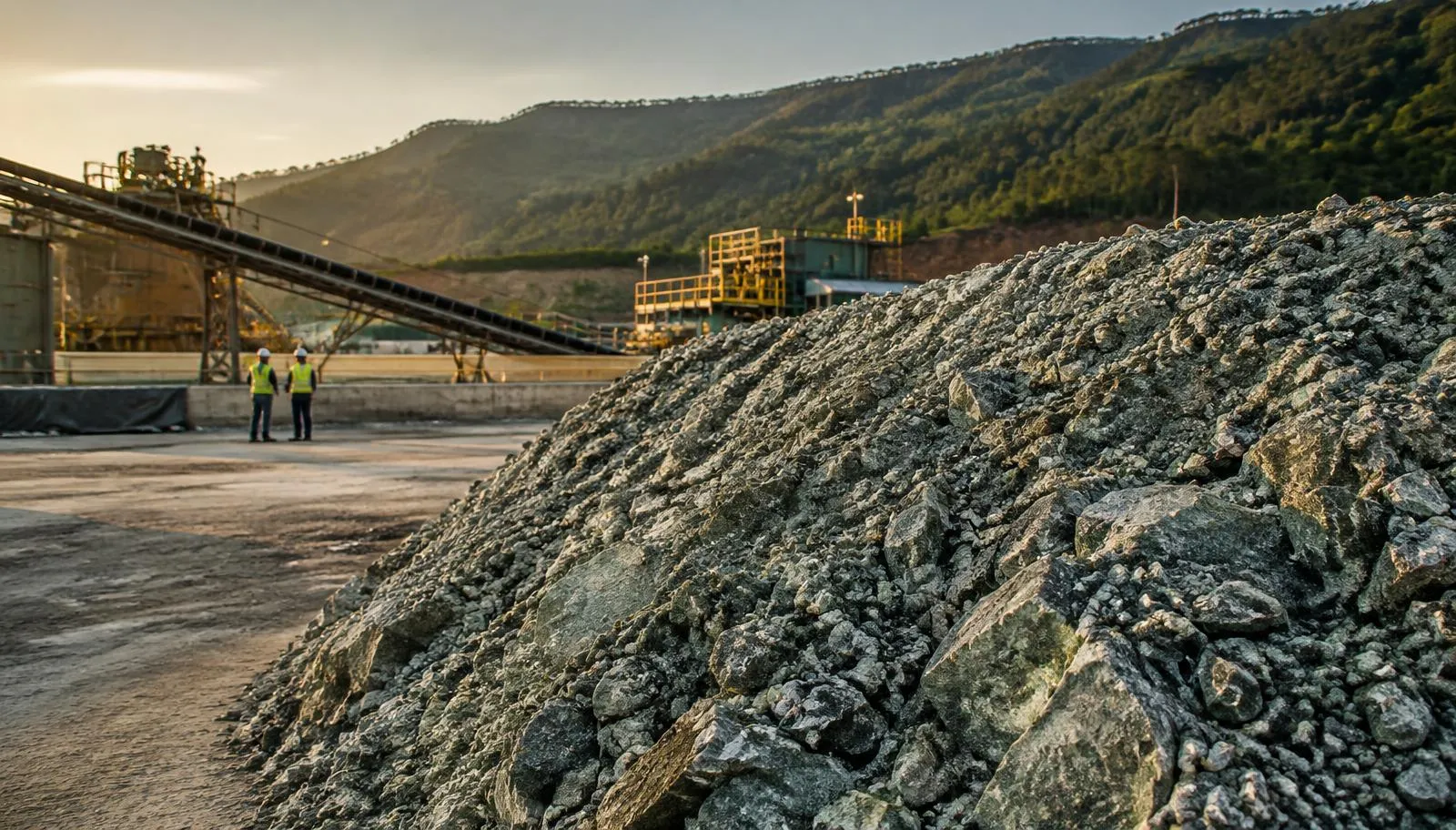
Lithium mining in Brazil is not new. Companhia Brasileira de Lítio has produced in Minas Gerais for decades, and AMG operates the Mibra mine in the south of the state. What changed was scale and access. Sigma Lithium brought its Grota do Cirilo operation near Araçuaí and Itinga into production in 2023, and the state government promoted the region internationally as the Lithium Valley.
Before 2022, Brazilian lithium exports required special authorisation, a legacy of the element's nuclear applications. Decree 11.120 removed those controls and opened the market to international buyers and explorers. Since then, Australian capital has been among the most active: Pilbara Minerals' acquisition of Latin Resources and its Salinas project in 2025 was the clearest signal, and a long list of smaller ASX companies have built land positions across the valley.
What made the valley investable
- Proven production: operating mines showed that spodumene could be mined, processed and exported from the region.
- Open market: the end of export controls let international buyers and investors participate on normal terms.
- Public tenure data: anyone can see who holds which ground at the ANM, which makes screening fast.
- State support: Minas Gerais actively promoted the region and its licensing system to investors.
- Infrastructure: paved highways connect the valley to ports, unlike many remote lithium regions.
For ASX juniors, Brazil also offers diversification. Shareholders who already hold Western Australian lithium exposure can see a Brazilian project as a different jurisdiction, a different cost base and a different logistics route to customers, which can matter in fundraising.
§ 02 · Geology
Where the lithium is: Brazil's pegmatite provinces
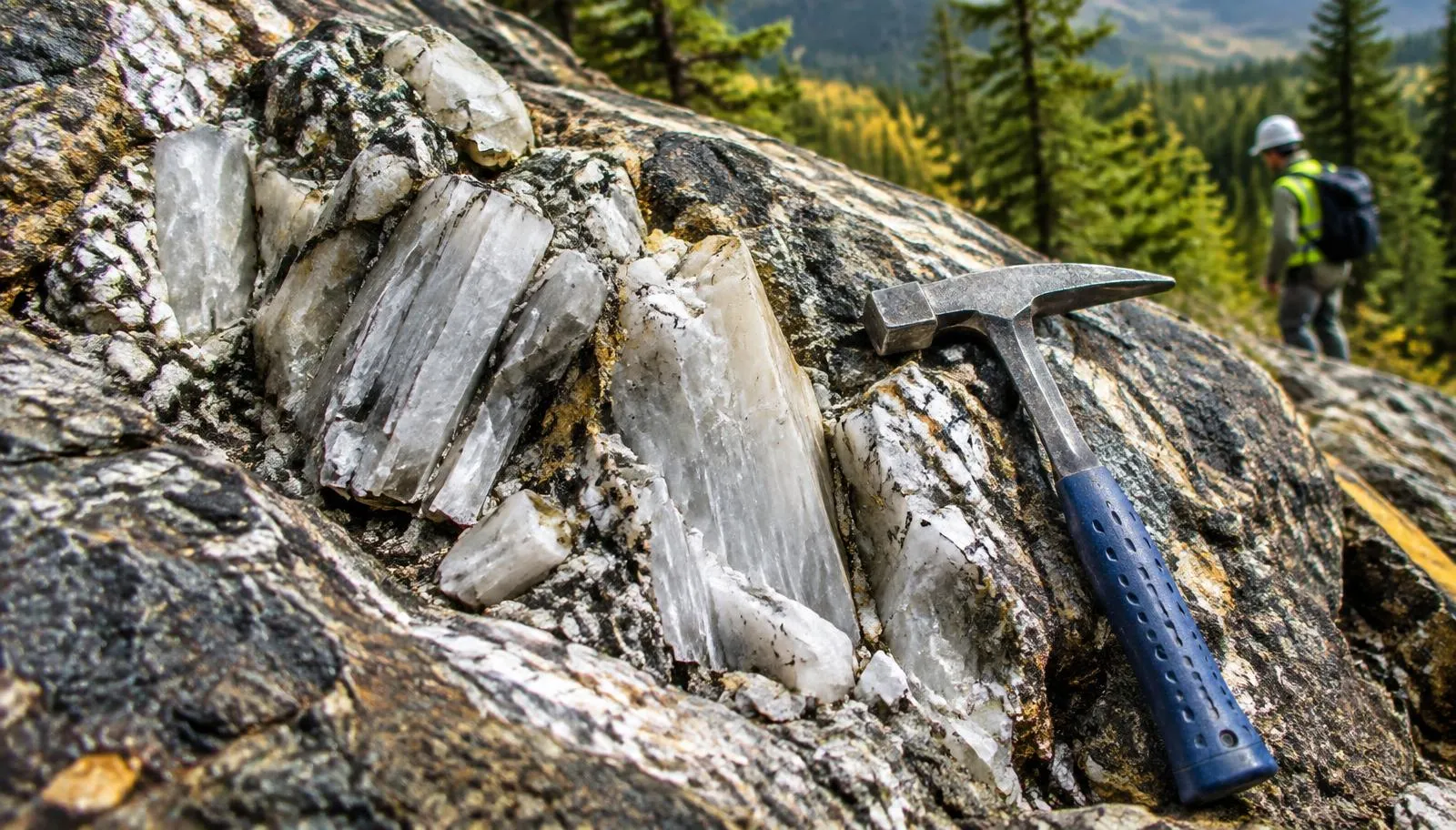
Brazilian hard-rock lithium is hosted mainly in LCT (lithium-caesium-tantalum) pegmatites. Spodumene is the target mineral, with petalite and lepidolite in some districts. Two provinces dominate.
Eastern Brazilian Pegmatite Province
Includes the Jequitinhonha and Mucuri valleys around Araçuaí, Itinga, Salinas and neighbouring municipalities. The core of the Lithium Valley.
Borborema Pegmatite Province
Rio Grande do Norte and Paraíba. Historically known for tantalum, beryl and gems, now drawing lithium exploration.
Emerging districts
Exploration has extended to other states with pegmatite fields. Expect thinner data and earlier-stage ground.
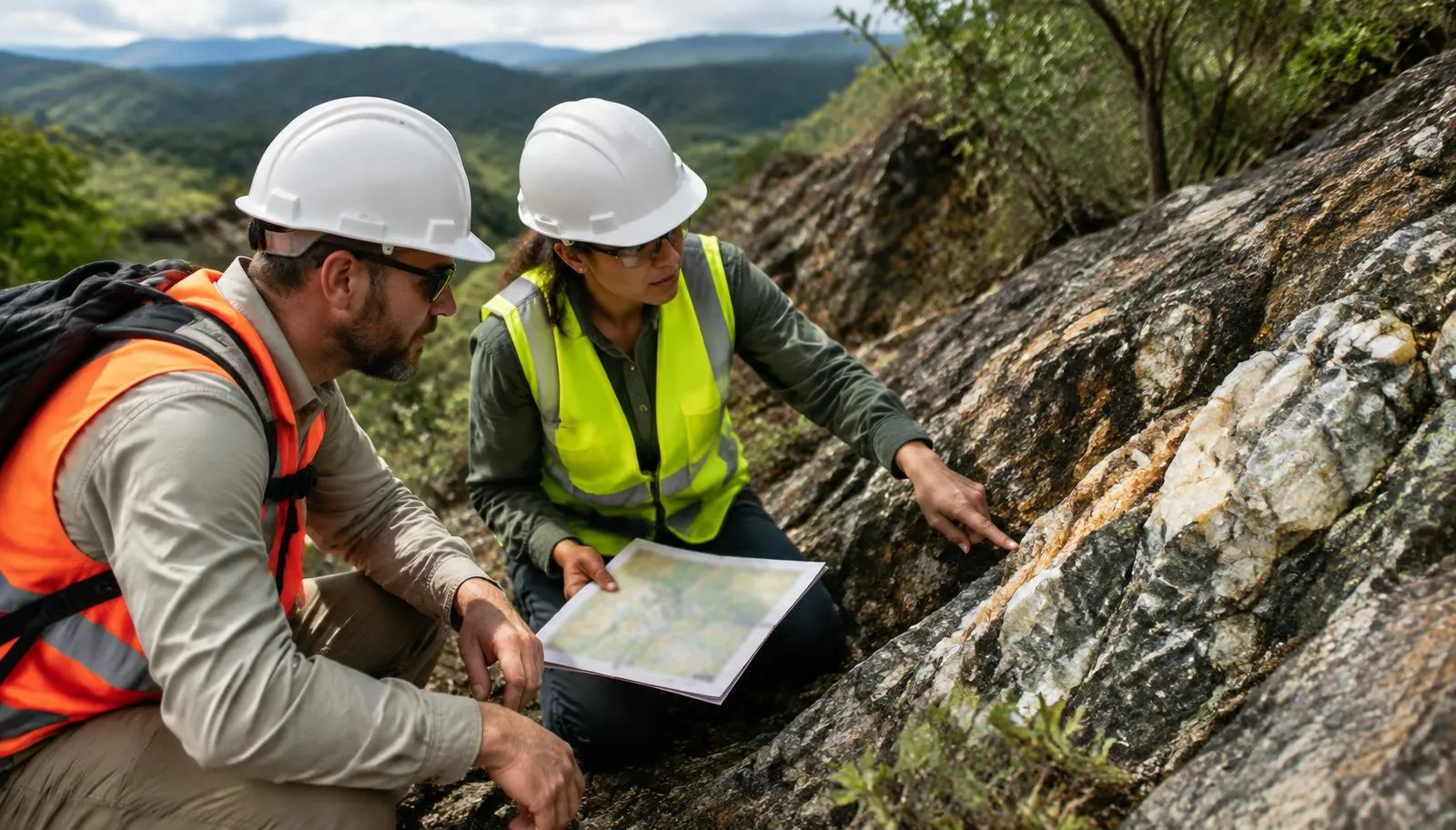
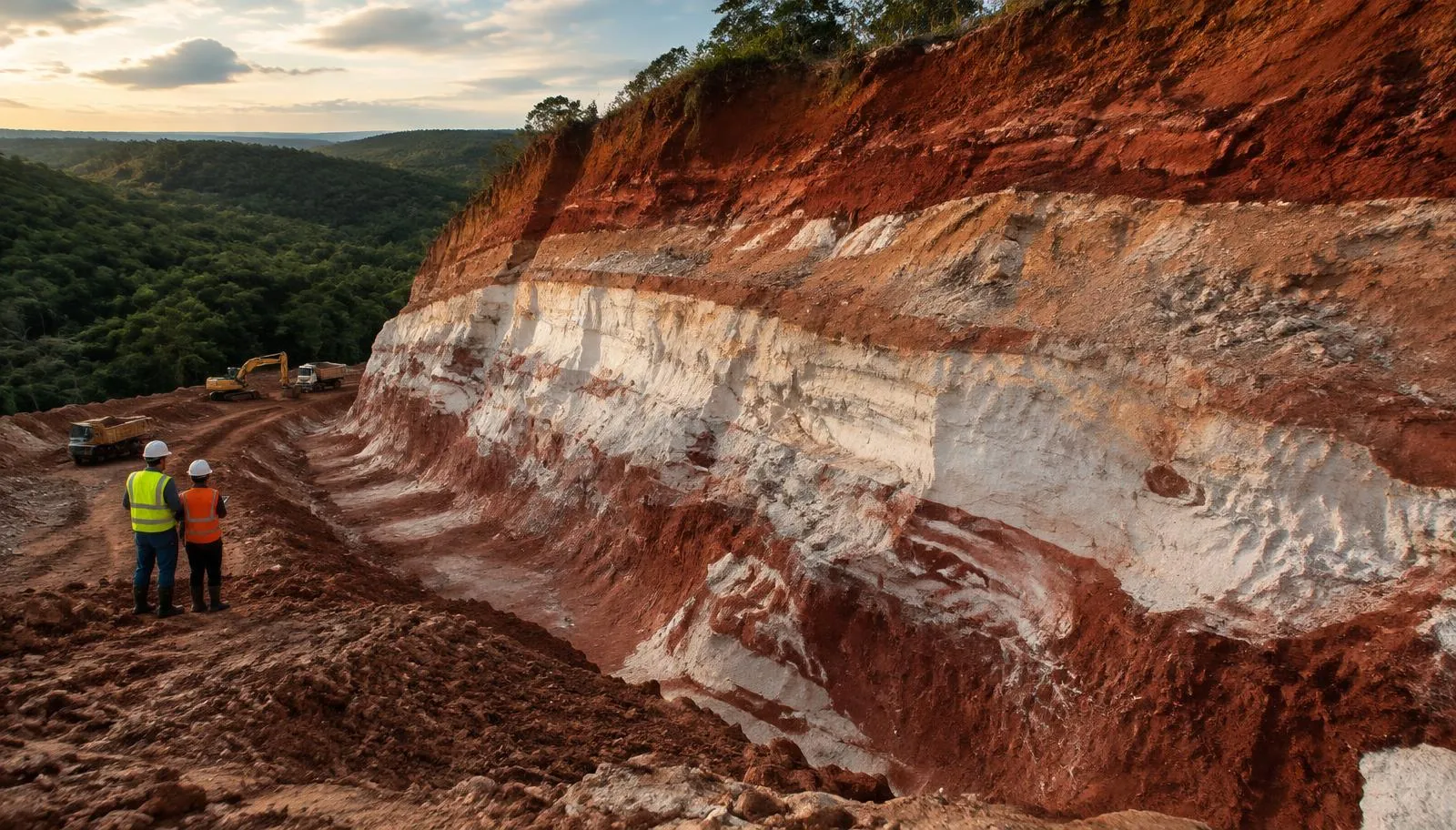
Pegmatite districts in the valley were worked for decades by small operators for gems, mica, feldspar and tantalum. That history is useful. Old workings, artisanal pits and regional mapping by the Geological Survey of Brazil all help target spodumene-bearing bodies, and some of them sit inside existing mineral titles.
From pegmatite to project
Not every spodumene pegmatite becomes a mine. Value depends on the size and continuity of the bodies, their grade, the proportion of spodumene versus other lithium minerals, the presence of deleterious elements such as iron, and how easily the ore upgrades to a saleable concentrate. Early metallurgical test work is therefore as important as drilling.
Clusters of pegmatites within trucking distance of each other can also matter more than a single body, because they can feed one central processing plant.
§ 03 · Tenure
The land rush: how lithium ground is held and lost
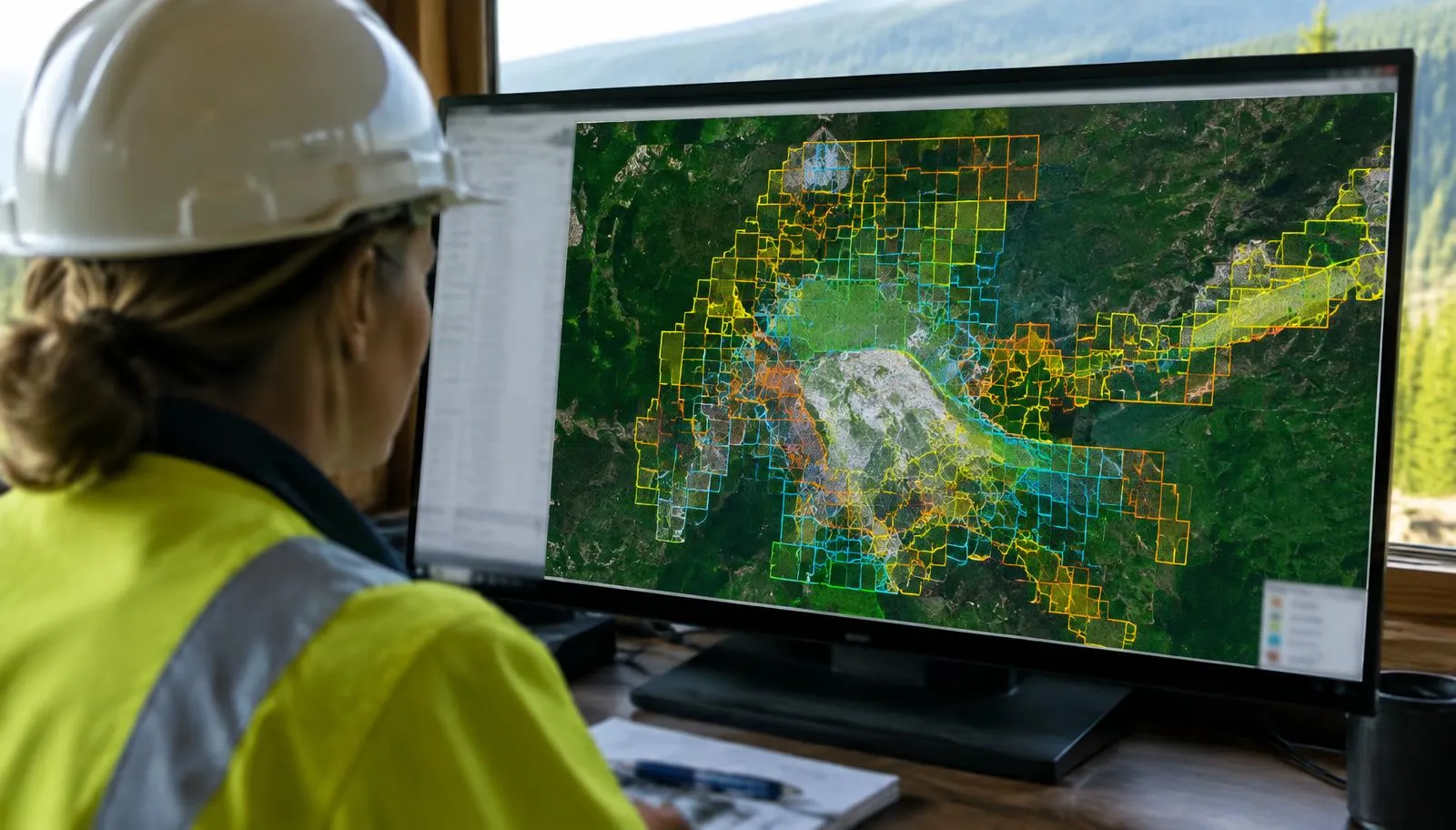
When a district heats up, the ANM map fills with polygons in weeks. Understanding how Brazilian tenure works is the difference between buying a real right and buying a place in a queue.
- 01
Application
An exploration application secures priority over the polygon if the area is free. Priority goes to the first valid application.
- 02
Exploration permit
Once granted, the permit gives a fixed, extendable term to explore, with an annual per-hectare fee (TAH).
- 03
Final report
At the end of the term the holder files a final exploration report. If approved, the deposit is recognised.
- 04
Mining application
Normally filed within one year of approval, leading to a mining concession.
Areas that fall free, because a permit lapsed, was abandoned or was voided for unpaid fees, can be offered by the ANM through public availability procedures rather than simply being re-pegged. Many juniors in the valley have acquired ground this way, or from local holders who applied early.
Priority and timing in practice
In a crowded district, two questions decide value: who has priority over the polygon, and how much time is left on the permit. An exploration permit with most of its term ahead and a clear work plan is a strong asset. The same permit with a few months left and no final report in preparation is a race against the clock.
When negotiating, ask the seller for the dates, not a description: application date, permit grant date, term, any extension already granted and the deadline for the final report.
§ 04 · Checklist
Tenure checks before you sign a lithium deal
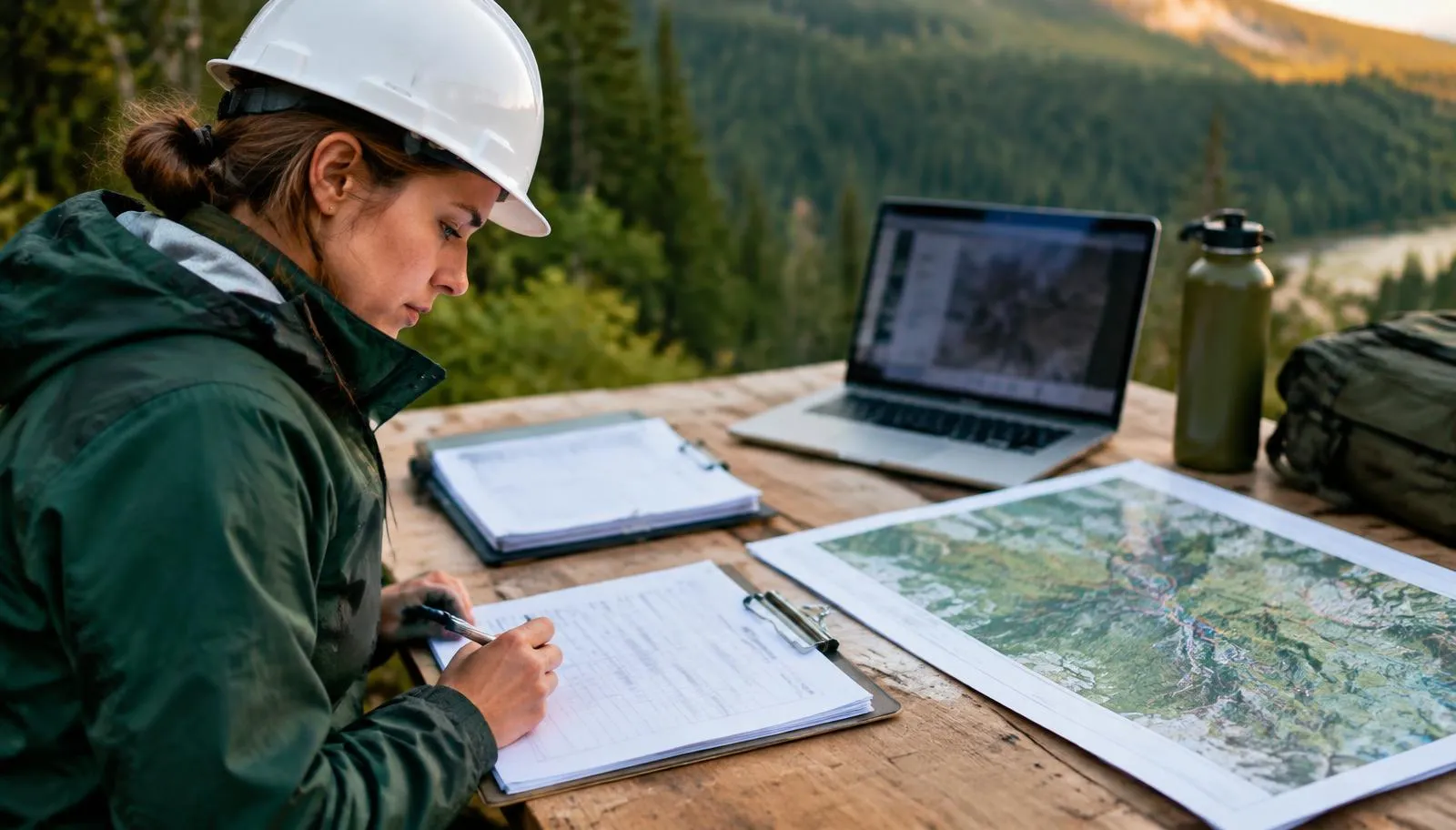
Every lithium title we review goes through the same checks. None of them needs a drill rig, and together they eliminate most of the problems Australian buyers discover too late.
Lithium tenure checklist
- Phase: application, exploration permit, approved final report or mining application
- Substance: the title should cover lithium-bearing minerals, or the substance can be added with the ANM
- Holder: the registered holder matches the seller, or the seller holds a signed mandate
- Expiry: the current permit term and whether an extension is available or already used
- Fees: annual per-hectare fees (TAH) paid up to date; arrears can void the right
- Reports: partial or final exploration reports due, filed or overdue
- Overlaps: competing applications, prior titles or PLGs over the same ground
- Assignments: any pending or recorded transfers, and encumbrances on the title
Expiry deserves special attention. A permit close to the end of its term, with no final report in preparation, can lose its value quickly. Ask for the exploration work actually done and whether it supports a final report in time.
| Finding | Effect on value |
|---|---|
| Permit with most of its term remaining | Positive; time to explore and report |
| Final report approved | Strongly positive; deposit recognised |
| Application only, with overlaps | Weak; priority may be disputed |
| Fees in arrears | Negative until cured; right at risk |
| Extension already used, term ending | Negative unless a final report is ready |
§ 05 · Surface
Landowners, communities and licensing in the valley
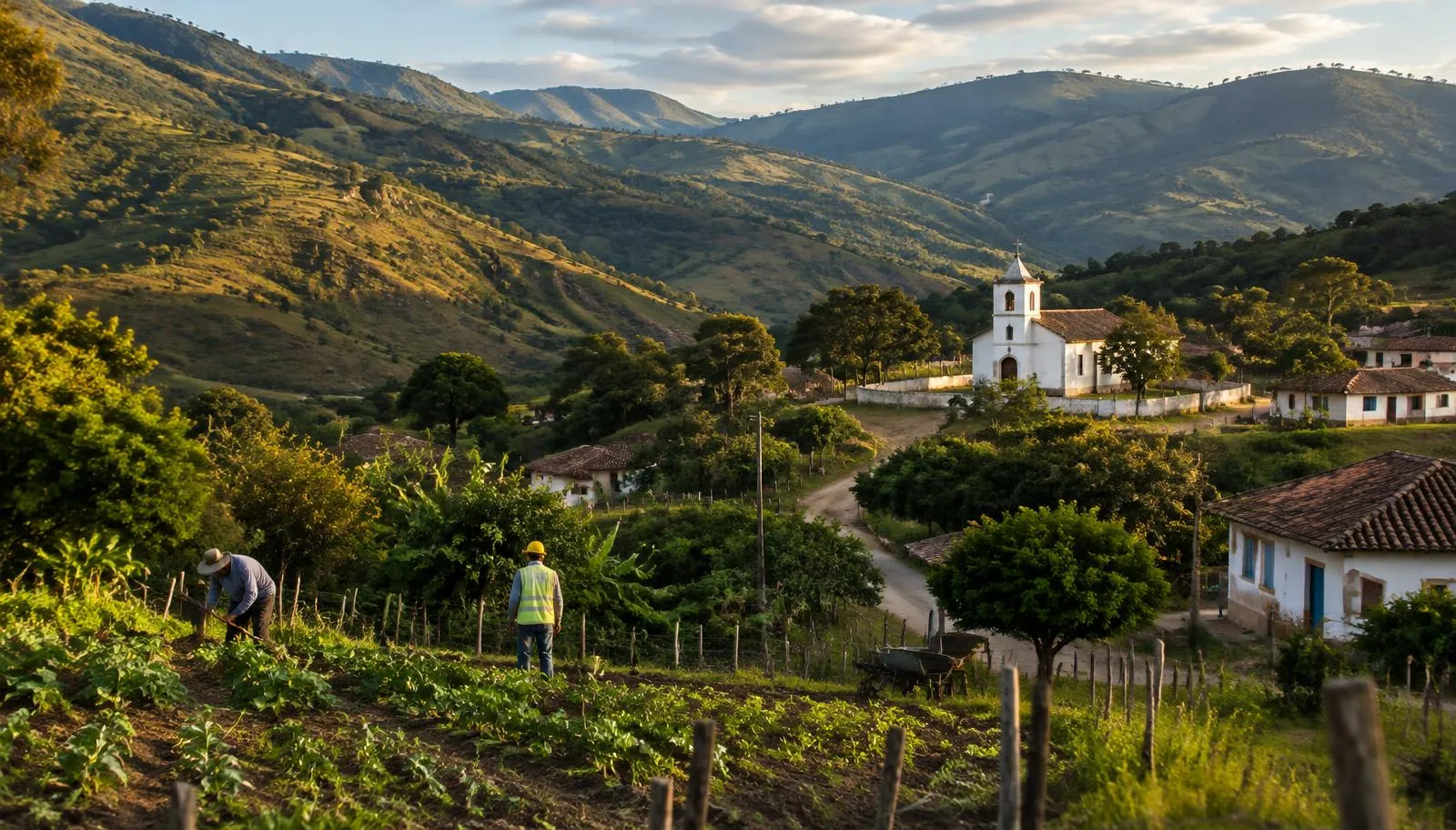
The Jequitinhonha Valley is not the Pilbara. Land is divided into many small rural properties, villages sit close to prospective ground, and the region includes traditional and quilombola communities. A single exploration polygon can cross dozens of properties.
Many small landowners
Each one is a separate access negotiation. Map them early by overlaying the polygon on land registry and rural registry data.
Foreign-control land rule
Foreign-controlled companies face restrictions on buying or leasing rural land. Access is secured through agreements and mining easements.
State environmental licences
Drilling programmes and later mining need licensing through the Minas Gerais state environmental system.
Community expectations
The valley's development is a public issue. Projects that engage early and visibly move faster.
During exploration, the titleholder must compensate landowners for occupation and any damage. During production, landowners are entitled by law to a share equal to 50% of the CFEM royalty. Both obligations should be in your model from day one. The full legal picture is in Can foreigners buy a mine in Brazil?.
Water and processing
The Jequitinhonha Valley is semi-arid in places. Concentrators need water, and water-use permits are issued by the state. Projects that plan dry-stacking of tailings, water recycling and careful sourcing reduce both environmental risk and friction with neighbouring users. Raise the water question at the same time as the land question, not after the resource is defined.
§ 06 · ASX disclosure
Reporting Brazilian lithium data on the ASX
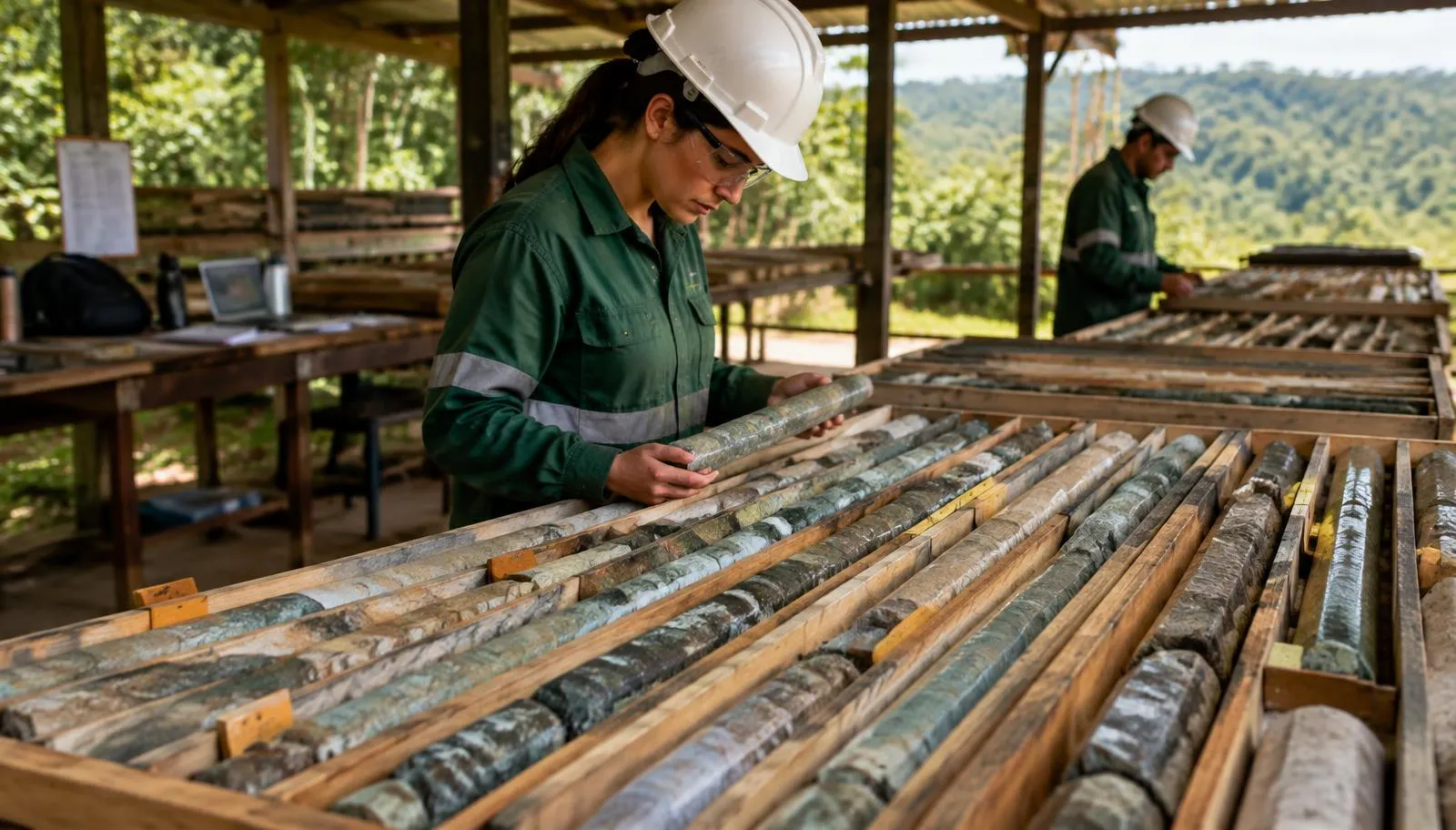
Lithium projects in the valley usually come with modern but limited data: mapping, channel samples, a few drill holes. Some older areas have Brazilian regulatory reports with estimates classified as “reserves” in the ANM's terminology. Neither is a JORC resource.
| What the seller has | How it can be reported |
|---|---|
| Mapping, rock chips, channel samples | Exploration results with JORC Table 1 |
| Drilling but no estimate | Exploration results; possibly an exploration target |
| ANM-approved report with an estimate | Foreign or historical estimate under ASX Listing Rule 5.12, with cautionary statement |
| Drilling with verified QA/QC | Basis for a maiden JORC mineral resource |
The detail is in JORC vs Brazilian ANM reports. The key message for boards: the reporting route depends on the data you can actually obtain, so ask for original assay certificates and drill logs before signing.
One practical tip: before signing, ask for a sample of original assay certificates from the seller's laboratory and check them against the summary tables. Discrepancies are much cheaper to discover before an announcement than after.
Metallurgy belongs in the story
Investors in lithium now ask about concentrate quality as quickly as they ask about grade. Early heavy-liquid separation or dense-media test work on Brazilian samples, reported properly, can set a project apart from neighbours that only report drill intercepts.
§ 07 · Deal structure
Entry structures that work for ASX juniors
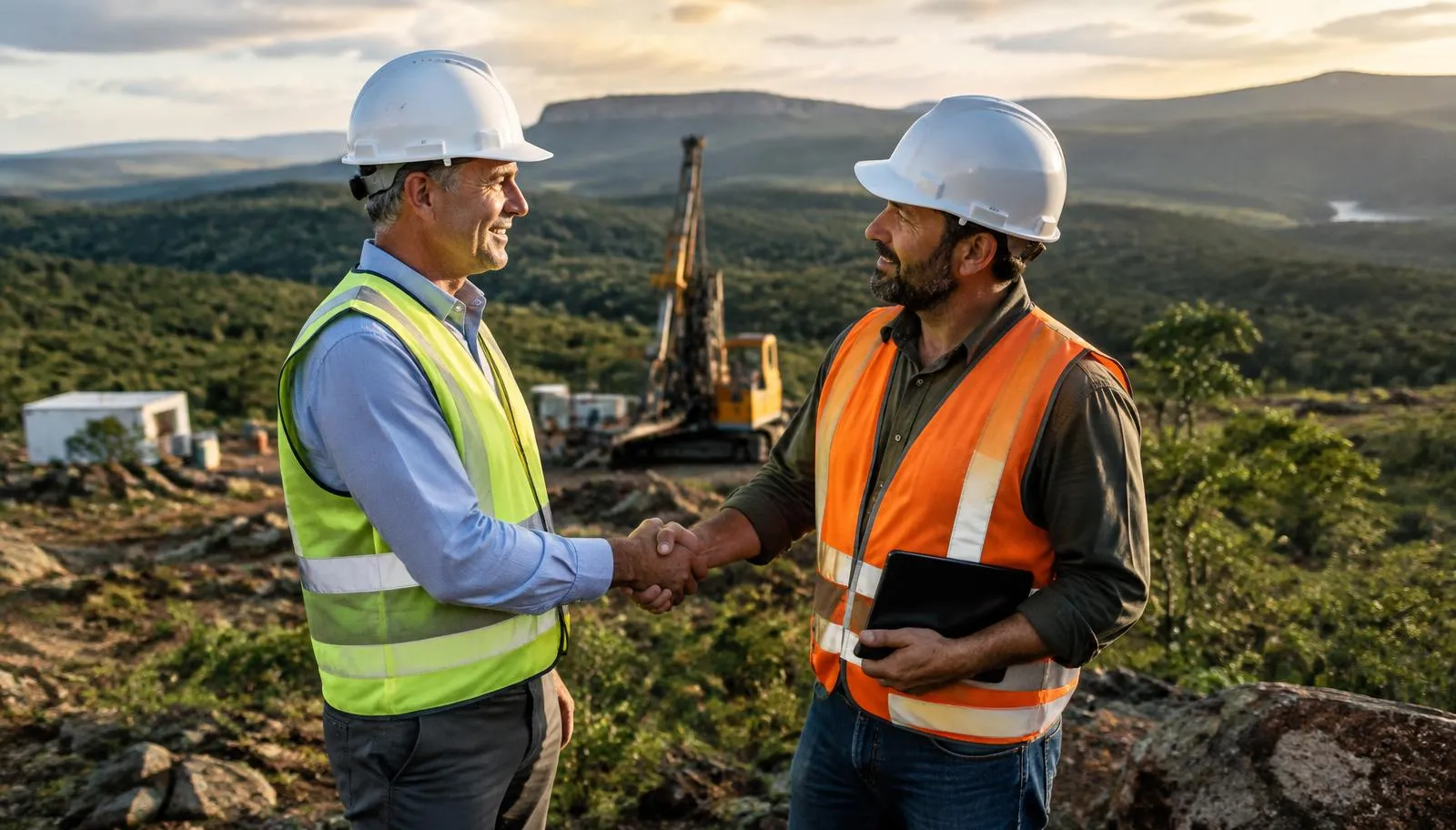
Many lithium titles in the valley are held by Brazilian individuals or small companies who pegged early. That shapes the deal.
| Structure | Why juniors use it |
|---|---|
| Option to acquire | Low upfront cash; staged payments while drilling tests the ground |
| Earn-in / joint venture | Holder keeps a stake; buyer funds exploration to earn majority |
| Permit assignment | Clean transfer of the title to the junior's Brazilian subsidiary, subject to ANM approval |
| Share purchase | Fast when the holder's company is clean; brings its history with it |
Whatever the structure, the junior needs a Brazilian subsidiary to hold the titles, and every transfer of a title must be approved by the ANM. Build the approval time into the deal and into your market announcements.
Terms worth negotiating
Lithium deal terms
- Exclusivity period long enough for tenure and land checks
- Payments staged against drilling or resource milestones
- Seller's obligation to keep fees paid and reports filed until transfer
- Cooperation with ANM filings and the assignment process
- Access to the seller's original data and samples
- Treatment of any garimpo activity or small-scale permits on the ground
The juniors that build durable positions in the valley usually combine two or three of these structures: an option on a core permit, a few applications on free ground nearby, and a relationship with local holders that brings the next opportunity to them first.
Looking at lithium ground in Brazil?
Send us the ANM process numbers. We check phase, priority, expiry, fees, overlaps and landowners, and tell you what you are actually buying.
Request a tenure review§ FAQ
Frequently asked questions
Where is Brazil's Lithium Valley?
In the Jequitinhonha and Mucuri valleys of north-eastern Minas Gerais, around municipalities such as Araçuaí, Itinga and Salinas, part of the Eastern Brazilian Pegmatite Province.
Can foreign companies explore for lithium in Brazil?
Yes, through a Brazilian subsidiary. Since Decree 11.120 of 2022, lithium exports no longer require special authorisation, and foreign-owned Brazilian companies can hold exploration permits and mining concessions.
What royalty applies to lithium in Brazil?
The federal CFEM royalty on lithium is 2%. Surface owners are entitled to a participation equal to 50% of the CFEM.
Is an ANM lithium report a JORC resource?
No. It can be reported on the ASX as a foreign or historical estimate under Listing Rule 5.12 with a cautionary statement, but a JORC resource requires work by a competent person.
How do ASX juniors usually acquire Brazilian lithium ground?
Most use options, earn-ins or title assignments with local holders, held through a Brazilian subsidiary, with every title transfer approved by the ANM.
Which lithium minerals occur in Brazil?
Spodumene is the main target in Brazilian hard-rock projects, with petalite and lepidolite in some pegmatite districts.
Can lithium ground in Brazil be acquired through the ANM directly?
Free areas can be applied for, and areas that become available after a title lapses can be offered by the ANM through public availability procedures. In crowded districts, most good ground is acquired from existing holders.
How long does it take to screen a lithium title in Brazil?
A desktop review of ANM phase, holder, expiry, fees, overlaps and landowners usually takes days per project, provided the process numbers are available.
Mathematician, Land Surveyor and Licensed Real Estate Broker · CRECI-TO 4631
BRAZIL MINE — Mining & Minerals
Keep reading