Critical minerals · Gulf · Asia · Global strategic investors
Brazil's critical minerals: where foreign capital is going
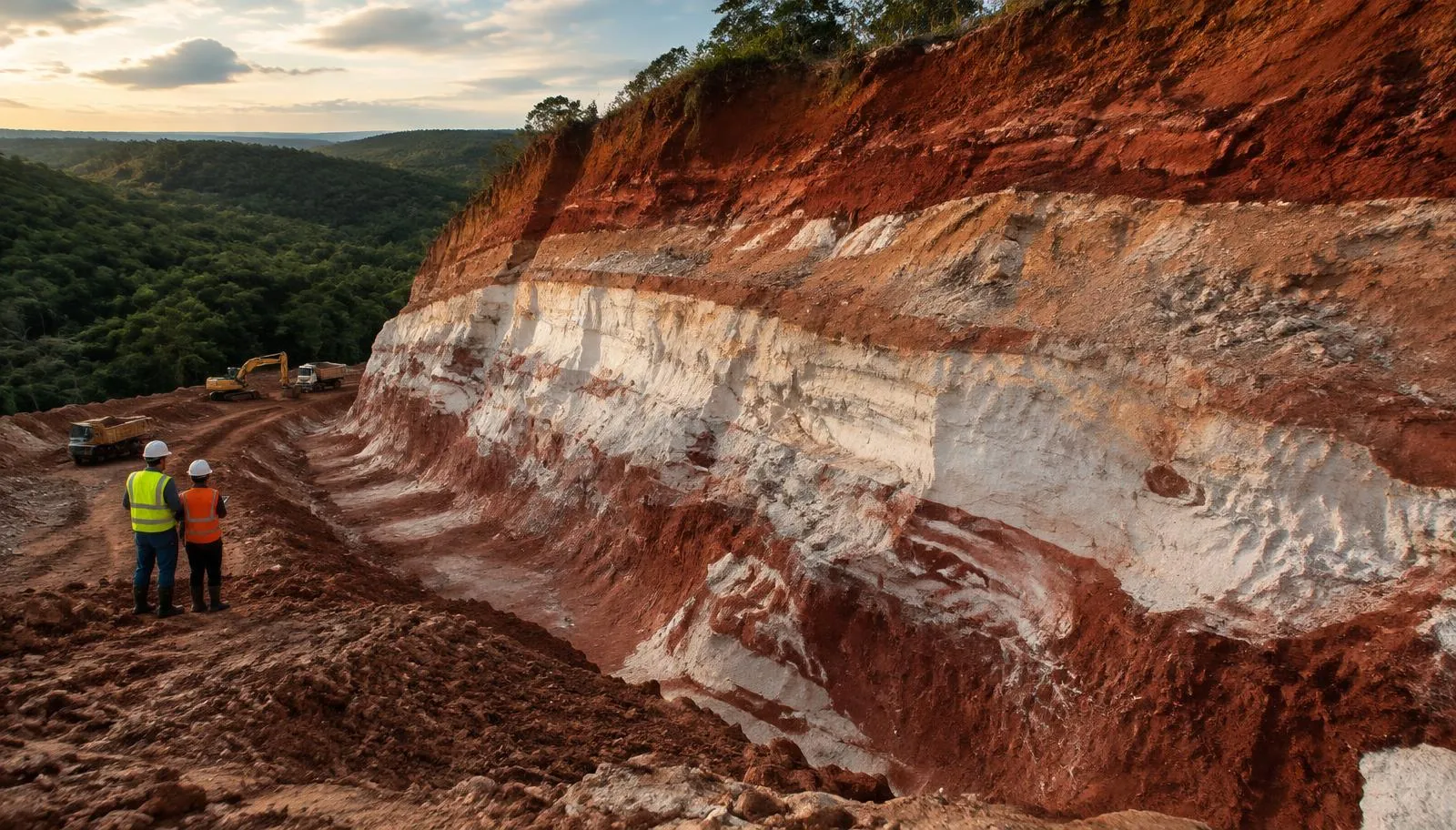
Every major economy now has a critical minerals strategy, and every strategy needs supply from outside today's dominant producers. Brazil sits near the top of almost every list: it dominates world niobium, holds some of the largest rare-earth and graphite reserves on the planet, and has lithium, nickel and copper districts already in production. Sovereign funds from the Gulf, Chinese industrial groups, Australian explorers and Canadian miners have all moved in. Here is where the capital is going, and where the opportunities still are.
Key takeaways
- Brazil is a leading global source of niobium and holds some of the world's largest reserves of rare earths and graphite, alongside lithium, nickel, copper, bauxite and manganese.
- Federal policy already designates strategic minerals for priority treatment, and a broader critical-minerals framework has been under debate in Congress.
- Capital is arriving from Gulf sovereign-backed vehicles, Chinese industrial groups, Australian ASX juniors and Canadian miners, each targeting different minerals and stages.
- Rare earths in Brazil include ionic clay deposits, a style valued outside China, now being developed in Goiás and Minas Gerais.
- For mid-sized investors the opportunity is usually in exploration-stage ground and partnerships, not in competing for the flagship assets.
In this article
Critical minerals have moved from a technical term to a geopolitical one. Electric vehicles, grid storage, wind turbines, defence systems and electronics all depend on a short list of elements whose supply is concentrated in a few countries. Governments and companies are paying for diversification, and Brazil has the geology to supply it.
This article maps the Brazilian opportunity mineral by mineral, shows who is investing and how, and explains what a foreign investor needs to know about policy and entry. It is written for strategic investors and funds, including those in the Gulf and Asia, who are building positions in the supply chain.
We start with the geology and Brazil's position mineral by mineral, then look at rare earths and battery minerals in more detail, map who is already investing and how, and finish with policy, risk and the practical entry route. Throughout, the emphasis is on what a buyer can verify before committing capital.
§ 01 · The geology
Why Brazil appears on every critical minerals list
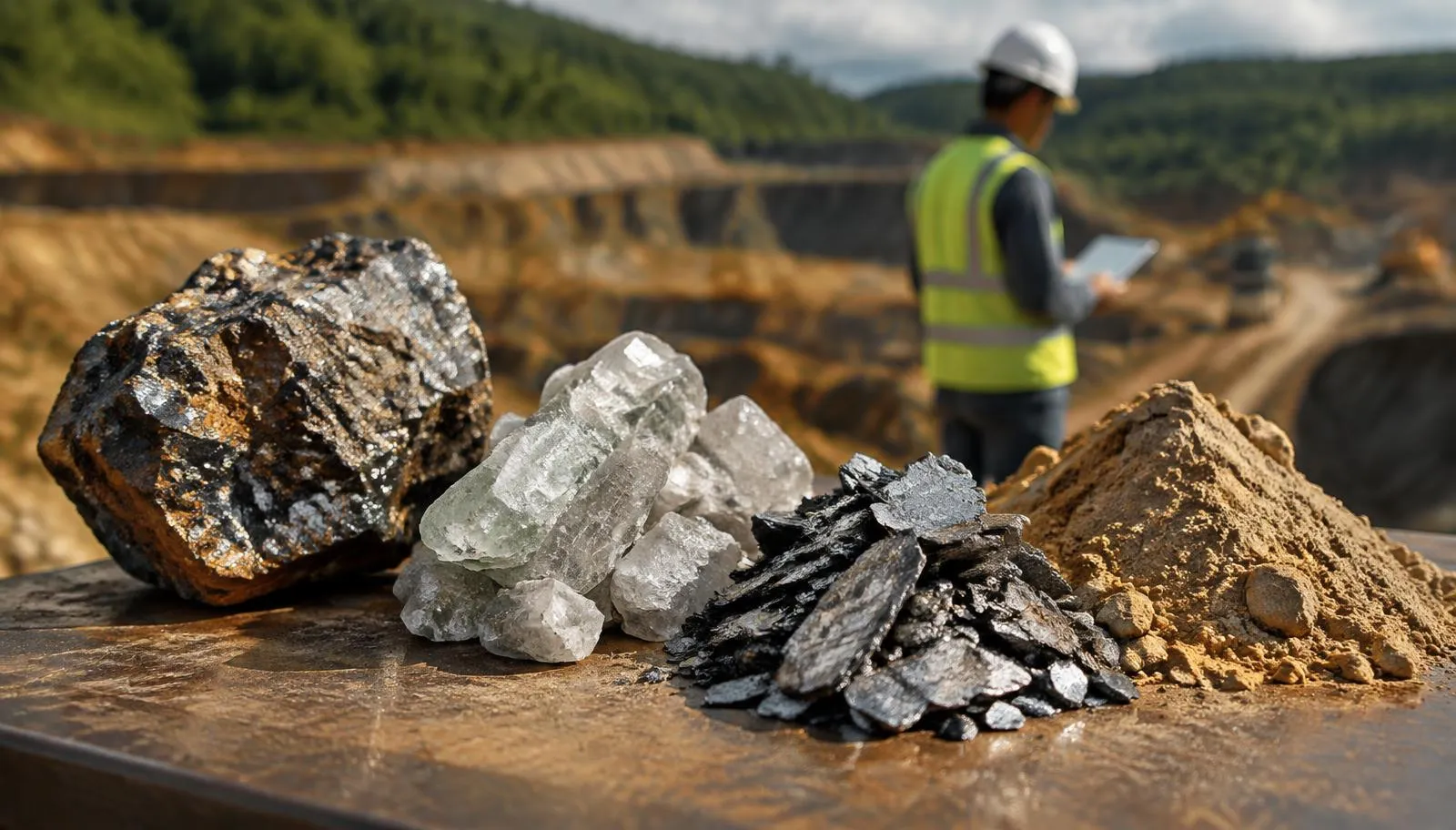
Brazil is one of the few countries with significant positions across a wide range of critical minerals at the same time. Some are already world-scale industries; others are early but fast-moving.
| Mineral | Brazil's position | Key regions |
|---|---|---|
| Niobium | Leading world supplier, the large majority of global production | Araxá (Minas Gerais), Catalão (Goiás) |
| Rare earths | Among the largest reserves in the world; ionic clay production started | Goiás, Minas Gerais, Bahia |
| Graphite | Among the largest reserves; established producer | Minas Gerais, Bahia |
| Lithium | Hard-rock spodumene in production, rapid exploration growth | Jequitinhonha Valley (Minas Gerais) |
| Nickel | Laterite production and projects | Goiás, Pará, Piauí |
| Copper | World-class producing district | Carajás (Pará), Bahia, Goiás |
| Bauxite and manganese | Major producer | Pará, Minas Gerais |
More than geology
Brazil's case is not only about what is in the ground. The country has a mature mining industry with skilled people and service companies, a power grid with a high share of renewable generation, established export ports and a regulator whose title records are largely public. For buyers who care about the carbon footprint and traceability of their supply chains, those features increasingly matter as much as grade.
There is also scale of territory. Large parts of the country have been mapped only at regional level, which means new discoveries remain realistic in districts that are not yet on anyone's shortlist.
Niobium: the quiet giant
Niobium rarely makes headlines, yet Brazil's position in it is the strongest of any country in any critical mineral. Most of the world's supply comes from two Brazilian districts. Opportunities for new entrants in niobium itself are limited, but the same alkaline and carbonatite complexes that host niobium can also host phosphate and rare earths, which is why these geological settings attract exploration interest.
§ 02 · Rare earths
Rare earths: Brazil's ionic clay moment
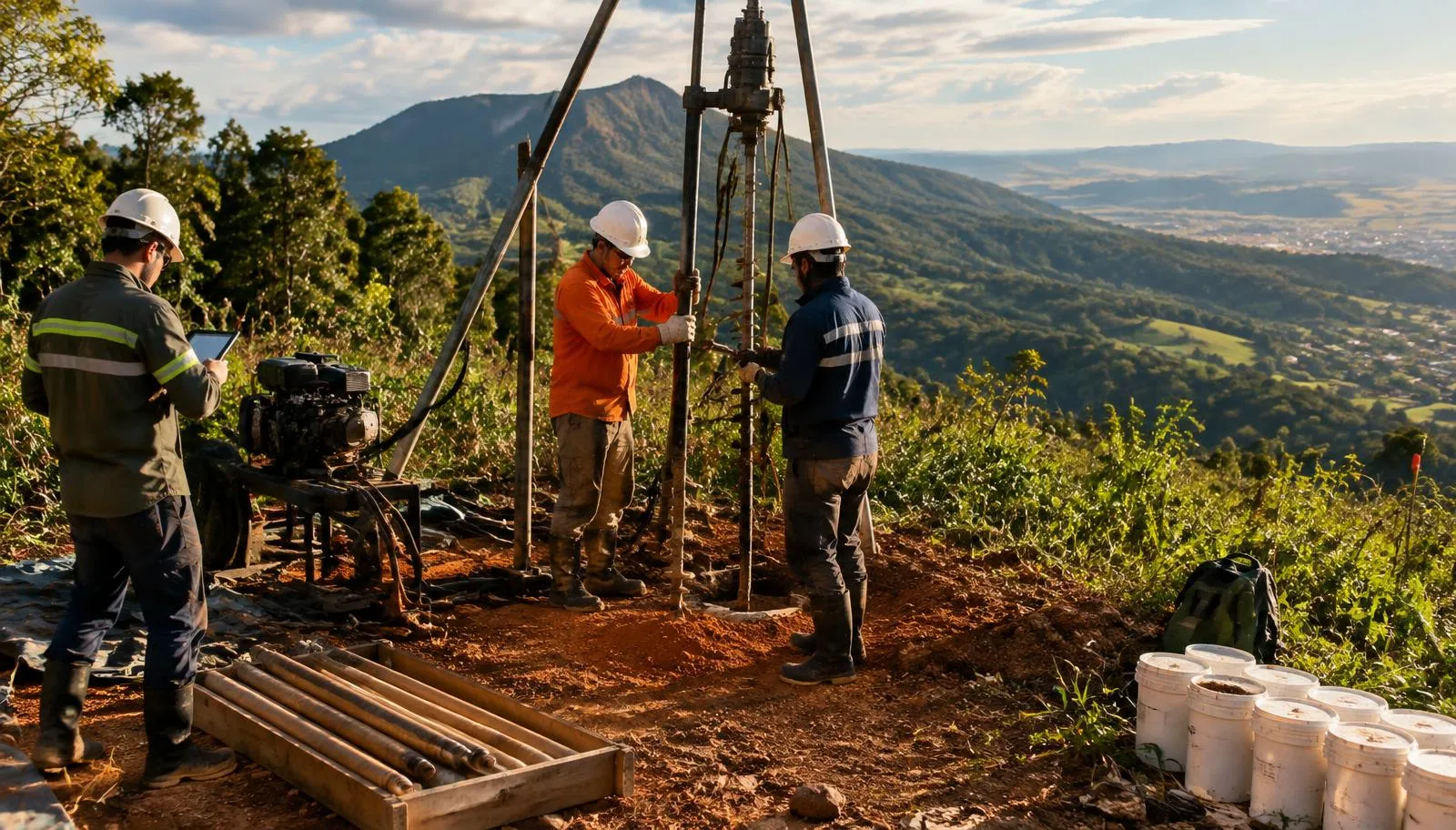
Rare earths are the clearest example of Brazil's potential. Most of the world's heavy rare-earth supply has historically come from ionic adsorption clays in southern China. Brazil has the same deposit style, and it is now being developed.
Serra Verde, Minaçu
An ionic clay rare-earth operation that began commercial production in 2024, one of the first of its kind outside Asia.
Poços de Caldas alkaline complex
A district where ASX-listed explorers such as Meteoric Resources and Viridis Mining have defined large clay-hosted rare-earth projects.
Emerging hard-rock and clay targets
ASX-listed Brazilian Rare Earths is among the companies exploring the state.
Ionic clay deposits are attractive because they can be mined near surface and processed with comparatively simple methods. They also carry their own questions: large surface footprints, many landowners, water management and community engagement. These are the same tenure and access issues that decide copper projects, described in Investing in Brazilian copper.
Questions to ask on a rare-earth project
Rare-earth screening questions
- Deposit style: ionic clay, monazite-bearing, carbonatite or other
- Proportion of heavy versus light rare earths, and of the magnet elements
- Metallurgical test work done, and by whom
- Thorium and uranium content, and the regulatory implications
- Surface footprint and the number of landowners it crosses
- Water availability and environmental licensing route
The magnet rare earths, those used in permanent magnets for motors and turbines, drive most of the value. A large tonnage with a weak magnet-element distribution is a different proposition from a smaller deposit rich in them.
§ 03 · Battery minerals
Lithium, graphite and nickel
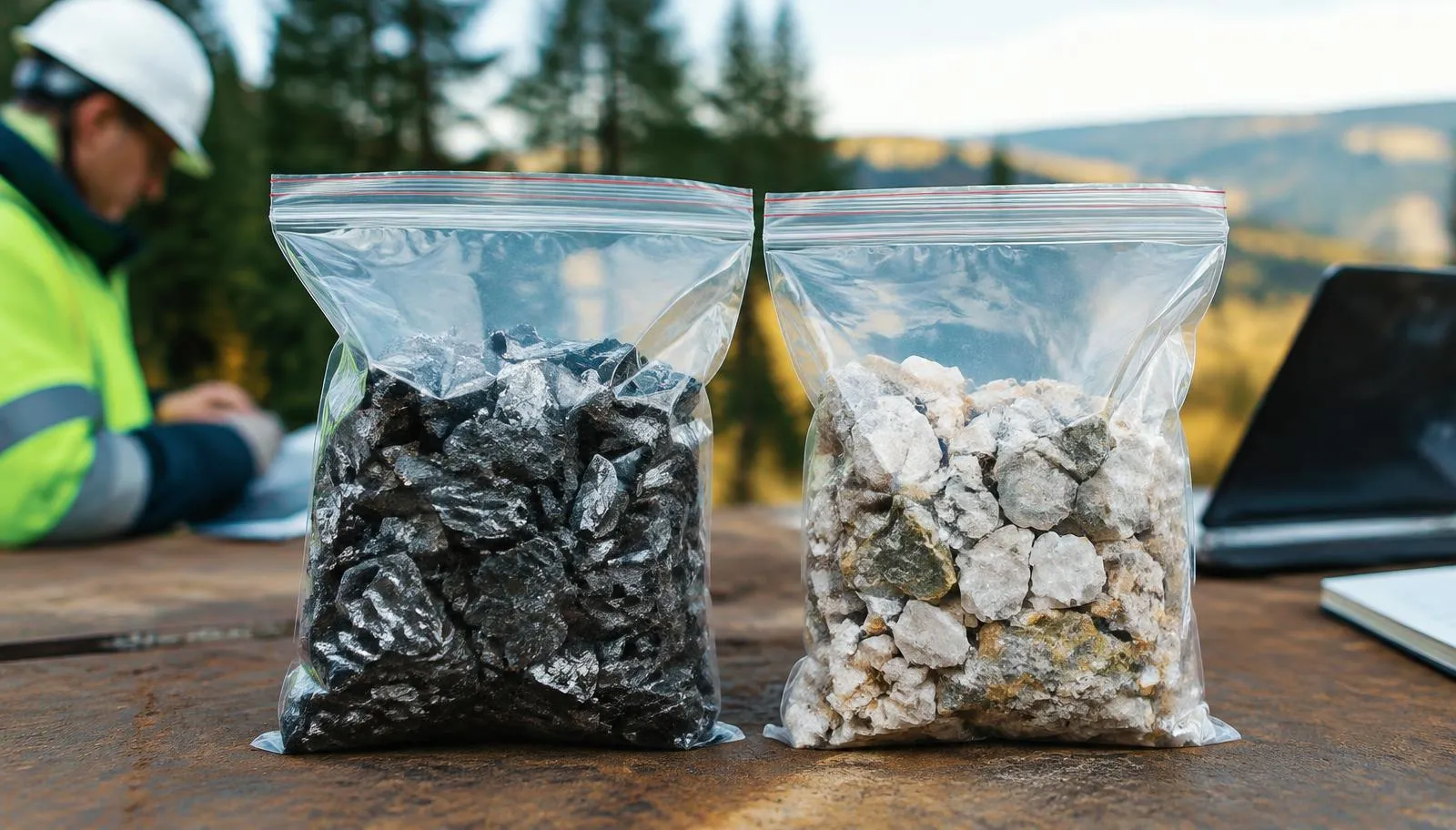
Battery supply chains need lithium, graphite and nickel, and Brazil produces all three.
The Lithium Valley
Spodumene pegmatites in the Jequitinhonha Valley, with producers and dozens of explorers since export controls were lifted in 2022. See Lithium projects in Brazil.
Established flake graphite
Brazil is a long-standing graphite producer, with operations and projects in Minas Gerais and Bahia.
Laterite nickel
Production and projects in Goiás, Pará and Piauí. In 2025 Anglo American agreed to sell its Brazilian nickel business to China's MMG, showing continued international appetite.
For lithium in particular, Australian juniors have set the pace, bringing hard-rock exploration methods from Western Australia. Their reporting under the JORC Code, and how it relates to Brazilian regulatory reports, is explained in JORC vs Brazilian ANM reports.
What to check on graphite and nickel
For graphite, flake size and purity after processing decide which market a project can supply, from refractories to battery anode material. For nickel laterites, the processing route and its energy and reagent needs decide economics as much as grade.
- Ask for metallurgical results, not only grades.
- Check whether the project needs new processing technology or proven methods.
- Confirm the environmental licensing status of any existing plant.
- Map the logistics route for concentrate or intermediate products to port.
§ 04 · The capital
Who is investing, and how
Different investors are coming to Brazil with different mandates. Recognising the pattern helps you see where competition is fierce and where it is thin.
| Investor group | Typical targets | Typical entry |
|---|---|---|
| Gulf sovereign-backed vehicles | Copper, nickel, large strategic assets | Minority stakes in major producers and large projects |
| Chinese industrial groups | Niobium, phosphates, nickel, lithium | Acquisition of producing businesses |
| Australian ASX juniors | Lithium, rare earths, gold | Exploration ground through options, earn-ins and permit assignments |
| Canadian miners and juniors | Gold, copper | Project acquisitions and mine development |
| Funds and family offices | Royalties, streams, minority equity | Financing alongside operators |
The Gulf has been especially visible. Manara, the joint venture between Saudi Arabia's Ma'aden and its Public Investment Fund, bought a 10% stake in Vale's base metals business, and Gulf governments have publicly signalled large commitments to Brazil's strategic minerals. Chinese groups have long been present: CMOC acquired niobium and phosphate operations in Goiás in 2016.
The flagship assets attract the flagship investors. The opportunity for everyone else is one step earlier in the pipeline.
For sellers, this mix of capital means that well-documented Brazilian assets can attract buyers from several continents at once. For buyers, it means competition is strongest for producing assets and weakest for good exploration ground in proven districts, which is exactly where patient capital tends to earn its best returns.
Reading the deal flow
Look at the recent pattern and three things stand out. Strategic buyers are willing to take minority positions to secure access to supply. Chinese groups favour control of producing businesses. Australian juniors move fastest on early ground and are often the first to define a resource. An investor who understands which of these groups is likely to want an asset later can position earlier and exit better.
§ 05 · Policy
Policy, rules and risks for foreign investors

Brazil's framework for critical minerals sits on the same foundations as any other mining investment, with a few additional layers.
- Ownership: mineral rights must be held by a company incorporated in Brazil. Foreign shareholders can own that company. The details are in Can foreigners buy a mine in Brazil?.
- Land: foreign-controlled companies face restrictions on acquiring or leasing rural land, so surface access is negotiated or secured by easement.
- Border zone: within 150 km of land borders, mining companies need majority Brazilian capital and national-security approval.
- Strategic designation: priority programmes can speed up permitting for selected projects, but they do not replace environmental licensing.
- Nuclear-related minerals: uranium and thorium are subject to special rules, which matters for some rare-earth deposits.
Environmental licensing is the real timeline
Strategic-mineral status can help a project get attention from government, but the environmental licensing sequence still applies: preliminary licence, installation licence and operating licence, usually issued by the state agency, with a full environmental impact study for large projects. Investors who build their schedule around licensing rather than around policy announcements are rarely disappointed.
Community engagement belongs in the same timeline. Several critical-mineral districts sit in regions with traditional communities and small farmers, and early, visible engagement shortens every later step.
§ 06 · Opportunity
Where the opportunity is for mid-sized investors
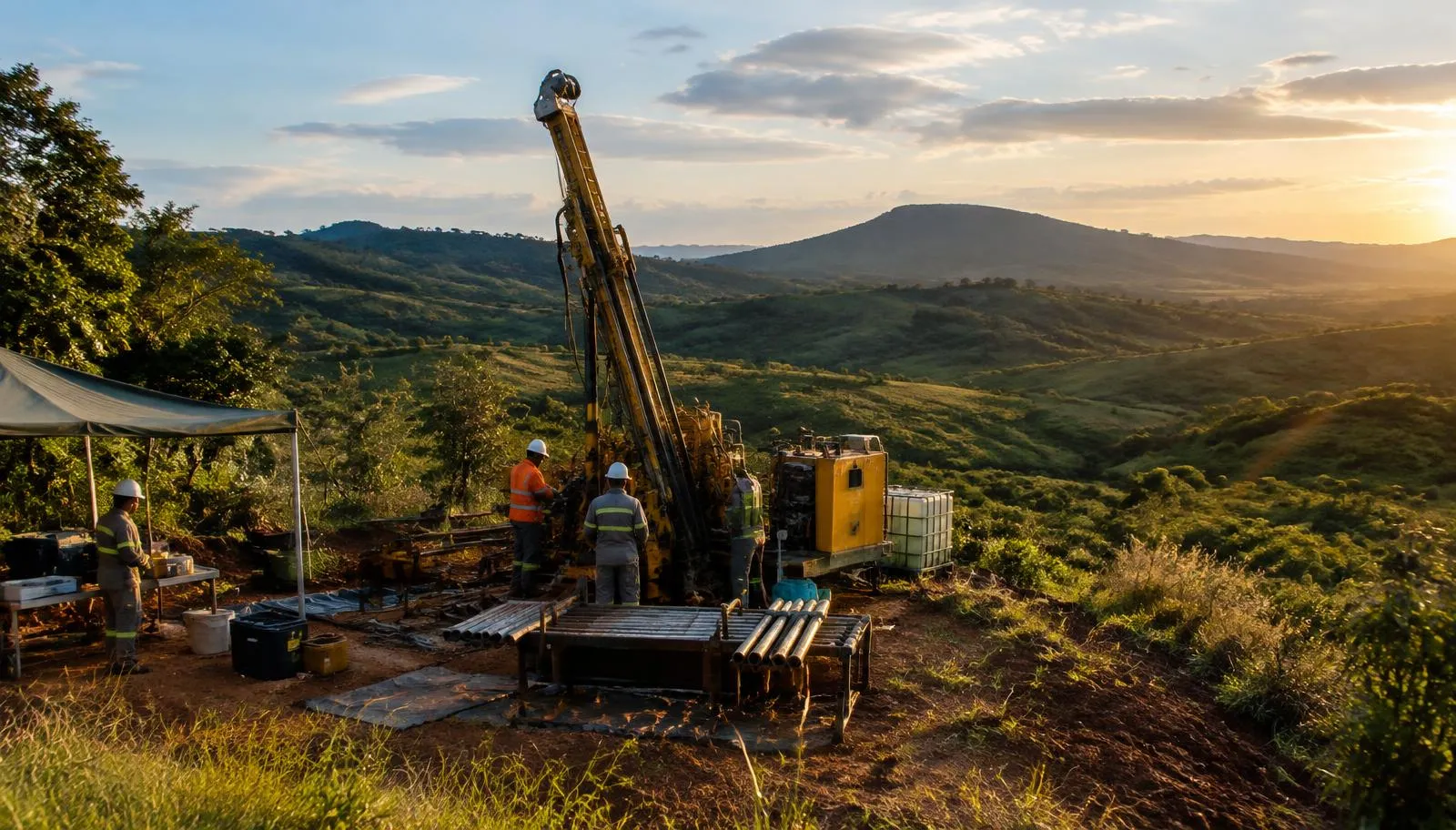
Sovereign funds and majors compete for the largest assets. Investors with smaller cheques usually find better value elsewhere in the pipeline.
Exploration-stage ground
Permits in proven districts held by local titleholders, acquired through options or earn-ins.
Joint ventures with juniors
Funding exploration on projects already defined by ASX- or TSX-listed explorers.
Ground near producers
Areas adjacent to operating mines, sometimes released by majors as non-core.
Projects with historical data
Old drilling and regulatory reports that a qualified person can verify quickly.
In every case the first filter is the same: is the title real, current and controlled by the seller, and can the ground be accessed? A spectacular mineral is worthless on a lapsed permit or inside a protected area.
What large investors compete for
- Producing mines and development projects
- Stakes in major Brazilian producers
- Large, defined resources with studies completed
Where mid-sized investors win
- Exploration permits in proven districts
- Early partnerships with listed juniors
- Ground released by majors or by the ANM
- Projects with historical data ready for verification
The common thread is preparation. Ground with clean tenure, mapped landowners and verified data moves quickly when a larger buyer appears. Ground with unresolved paperwork sits on the market, whatever its geology. For mid-sized investors, doing that preparation work is often the most reliable way to create value.
§ 07 · Entry
How to enter Brazilian critical minerals
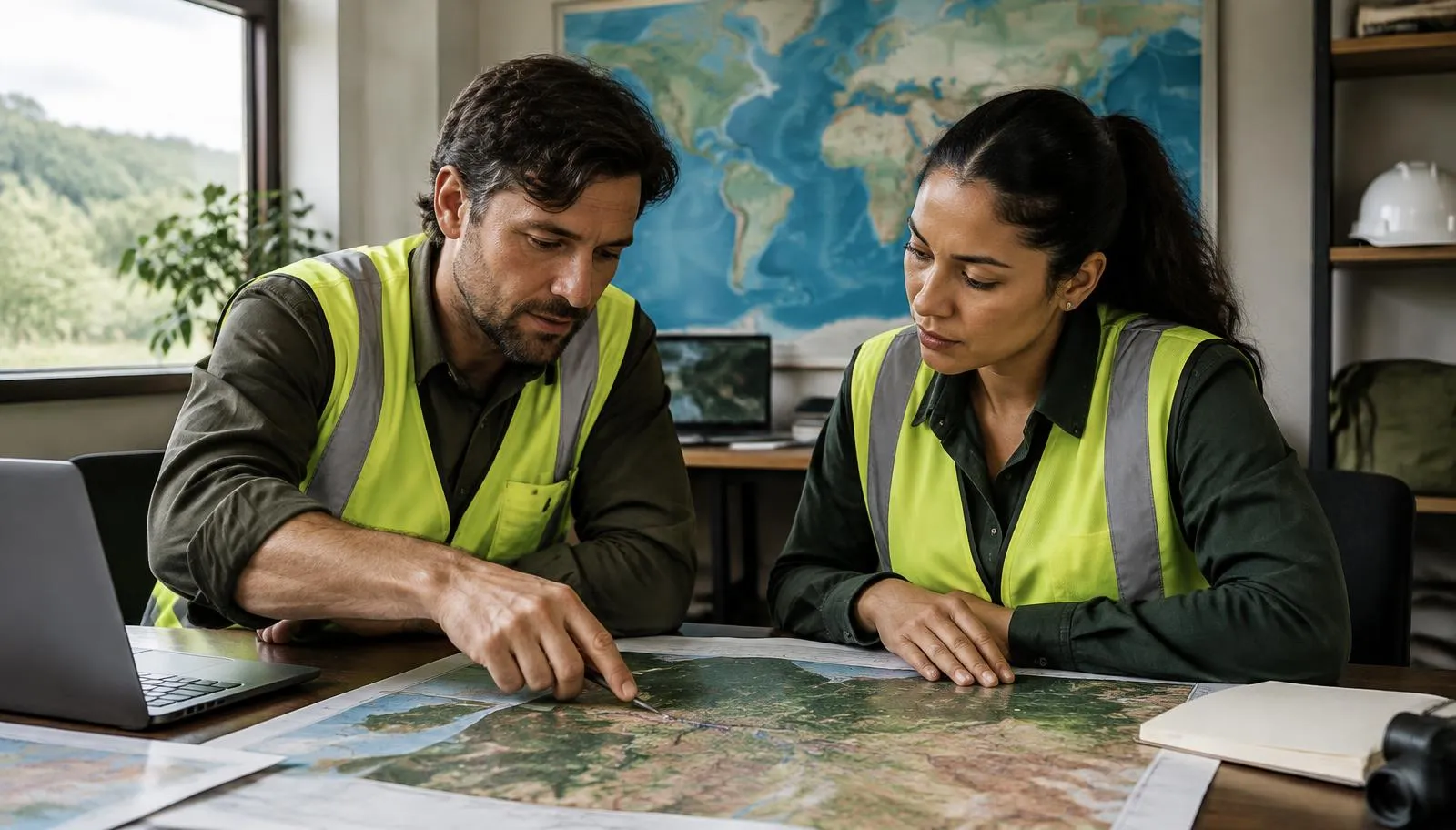
- 01
Choose the mineral and the stage
Match your mandate to Brazil's real strengths: rare earths, lithium, graphite, nickel, copper or niobium-adjacent opportunities.
- 02
Screen tenure
Phase, holder, expiry and fees of every ANM process; overlaps and competing applications.
- 03
Screen the surface
Landowners, protected areas, border zone, settlements and caves.
- 04
Check the regulatory route
Environmental licensing path, strategic-mineral programmes and any nuclear-related oversight.
- 05
Structure
Brazilian subsidiary, option, earn-in, joint venture or minority stake.
- 06
Verify the data
A qualified or competent person reviews the data before any public number is used.
Realistic timelines
| Stage | Indicative time |
|---|---|
| Tenure and surface screen | Days to two weeks |
| Due diligence and signing | Two to six months |
| ANM approval of a title transfer | Months, depending on the case |
| Exploration to a maiden resource | One to three years |
| Resource to production | Several years, driven by studies and licensing |
None of these timelines is unusual for the mining industry. The point is to plan for them from the start and avoid paying for speed that the Brazilian process cannot deliver.
Building a position in Brazilian critical minerals?
Tell us the minerals and the stage you are looking for. We source and verify assets across all Brazilian states, and present only those whose tenure has been checked.
Share your mandate§ FAQ
Frequently asked questions
Which critical minerals does Brazil have?
Brazil is a leading source of niobium and holds large reserves of rare earths and graphite, with established production of lithium, nickel, copper, bauxite and manganese.
Does Brazil produce rare earths?
Yes. An ionic clay rare-earth operation at Serra Verde in Goiás began commercial production in 2024, and several large clay-hosted projects are being developed in Minas Gerais.
Can foreign sovereign funds invest in Brazilian mining?
Yes. They typically invest through stakes in Brazilian companies that hold the mineral rights. Saudi-backed Manara's 10% stake in Vale Base Metals is a prominent example.
Does Brazil have a critical minerals policy?
Brazil has a federal programme for strategic minerals created by Decree 10.657/2021, and legislation for a broader critical-minerals policy has been debated in Congress. Investors should check the current status.
Are there special rules for rare earths in Brazil?
Some rare-earth minerals occur with thorium or uranium, and activities involving nuclear materials fall under the national nuclear energy commission. The mineralogy of each deposit determines the regulatory route.
Is niobium a critical mineral, and why does Brazil matter?
Niobium is used mainly in high-strength steel and increasingly in battery and superconducting applications. Brazil supplies the large majority of the world's niobium, mostly from Araxá in Minas Gerais and Catalão in Goiás, so it is central to any diversification discussion about this metal.
What is the first step for a foreign fund interested in Brazilian critical minerals?
Define the mineral and stage you want, then screen candidate assets for tenure, land access and constraints using ANM records before spending on technical or legal due diligence.
Which Brazilian critical minerals are most open to new investors?
Exploration-stage ground in rare earths, lithium and graphite, along with copper ground outside the most heavily titled districts, is generally more accessible than niobium or established producing assets.
Mathematician, Land Surveyor and Licensed Real Estate Broker · CRECI-TO 4631
BRAZIL MINE — Mining & Minerals
Keep reading