Critical minerals · United States · Europe · Japan · Korea · Gulf · offtakers, lenders, strategic investors and project owners
Rare earth offtake and financing in Brazil: lessons from Serra Verde
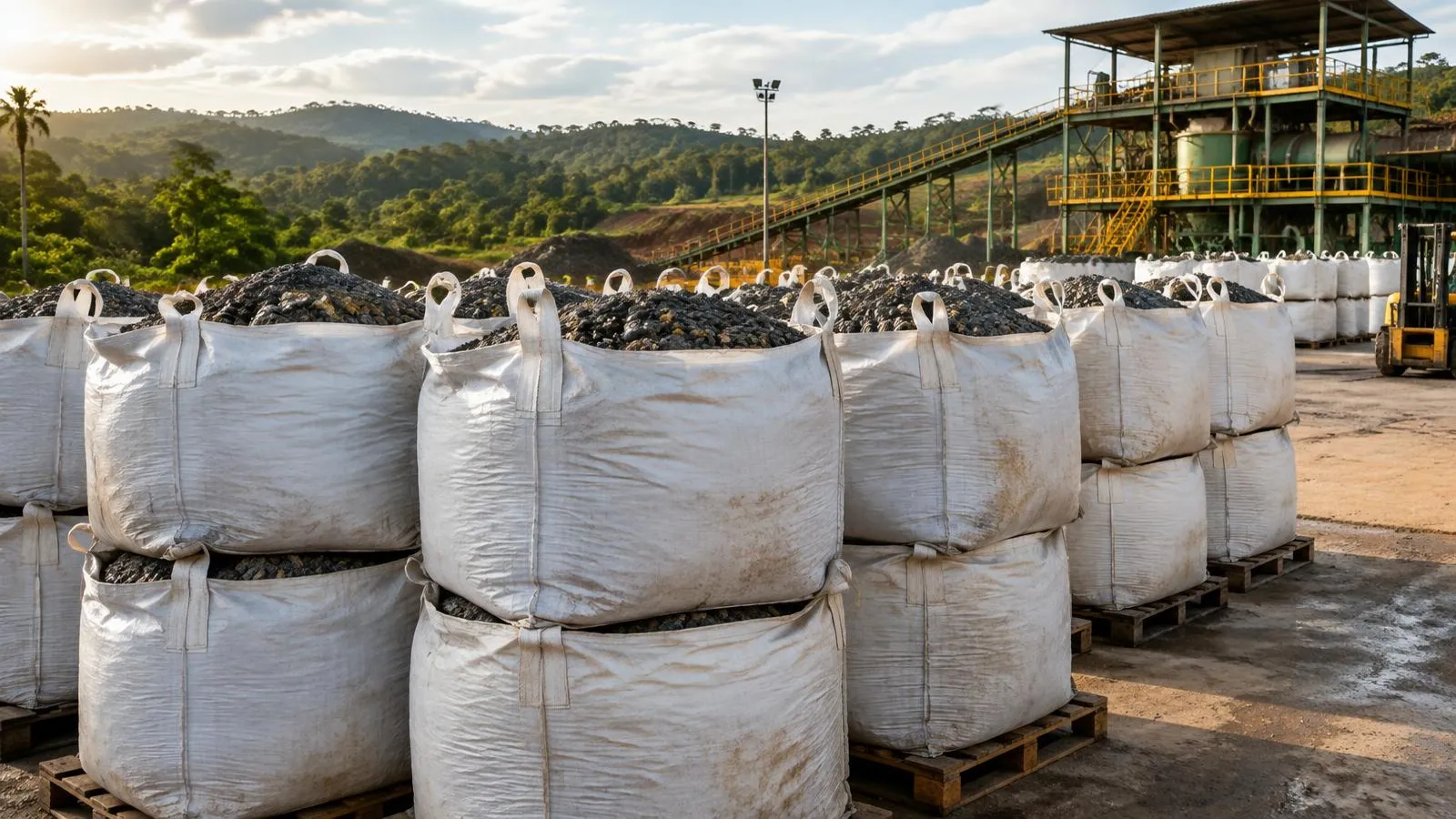
Serra Verde shows how rare earth offtake and financing work at the strategic end of the market: a producing ionic clay mine in Goiás secured a US$565 million financing package from the US International Development Finance Corporation in February 2026, became the target of an acquisition by USA Rare Earth announced in April 2026 at an implied value of about US$2.8 billion, and was linked to a 15-year offtake for its Phase 1 output with price floors, backed by US government-linked and private capital. The lessons apply to any buyer or owner of a Brazilian rare earth project: secure the product's route to market, de-risk the price, and line up patient capital before you need it.
Key takeaways
- Serra Verde's Pela Ema mine at Minaçu, Goiás, is an ionic clay operation producing a mixed rare earth concentrate containing Nd, Pr, Dy, Tb and yttrium.
- In February 2026 the US DFC provided a US$565 million package to refinance debt and fund optimisation and expansion, with an option for a minority US government stake.
- USA Rare Earth announced in April 2026 that it would acquire Serra Verde Group at an implied equity value of about US$2.8 billion, subject to approvals.
- A 15-year offtake covering Phase 1 output, with price floors, was backed by a vehicle with US government-linked and private funding, according to reports.
- Under Brazil's Law 15,506, international supply contracts and changes of control in critical minerals may need homologation, so future deals must plan for that review.
In this article
Most rare earth projects outside China fail on the same three problems: they cannot sell their product at a price that covers costs, they cannot raise the capital to build, and they cannot reach scale before a price cycle turns against them. Serra Verde, in the north of Goiás, is the Brazilian project that solved all three, at least on paper, in a single year.
Timing explains part of the story. As tensions between the United States and China over critical minerals rose, Western governments moved from talking about rare earth supply to paying for it. A producing mine outside China with heavy rare earths became exactly what policymakers wanted. Serra Verde had spent years getting to production; when the policy money arrived, it was ready to receive it.
How it did so matters well beyond one company. The same tools, long-term offtake, price floors, development-finance debt and strategic equity, are available to other Brazilian projects, and the same new rules will apply to them. This guide sets out what is publicly known about the Serra Verde deal stack and draws practical lessons for buyers, lenders and project owners.
§ 01 · The asset
What is Serra Verde, and why does it matter for rare earth offtake?
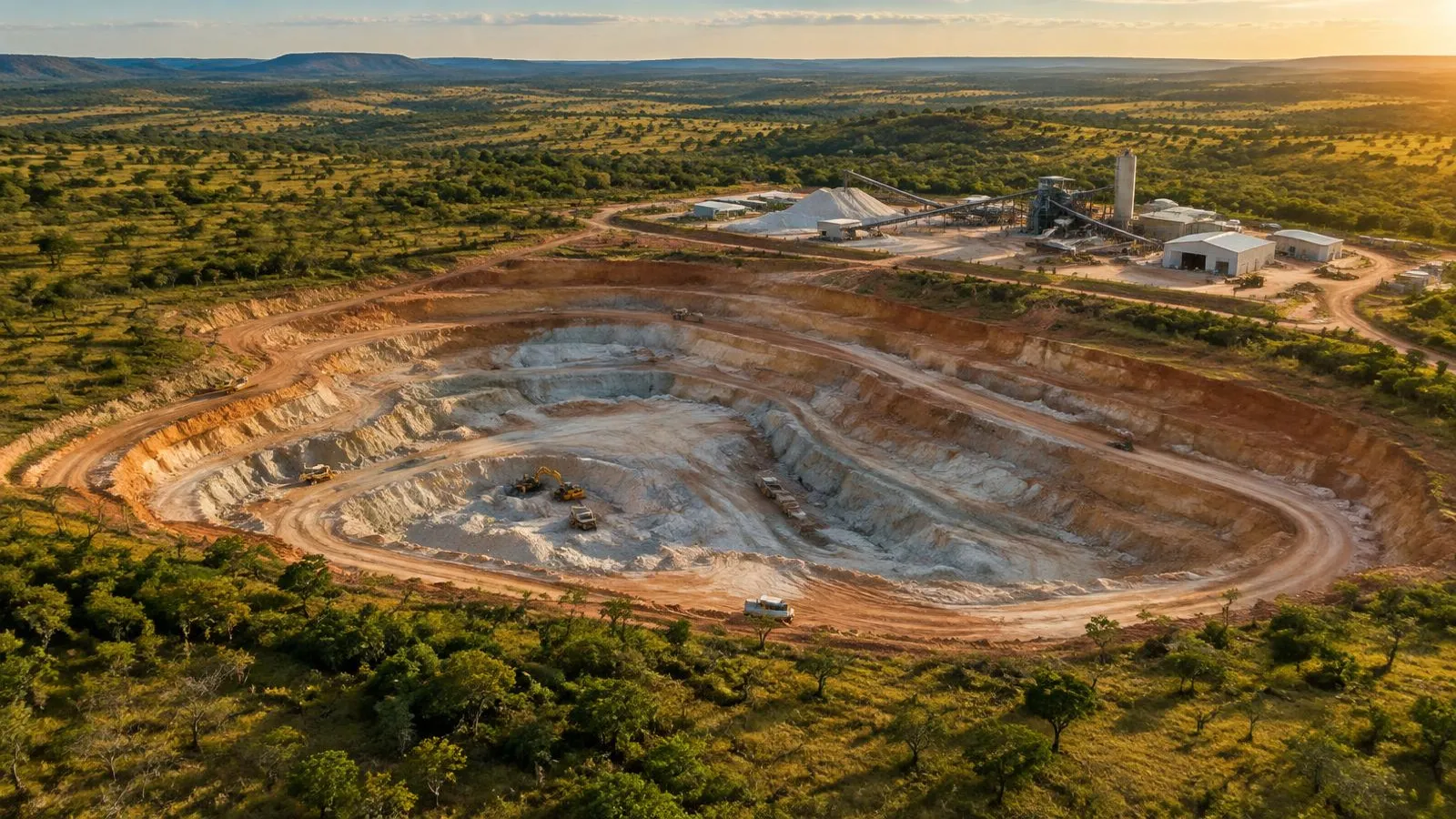
Serra Verde operates the Pela Ema ionic clay deposit at Minaçu, in northern Goiás. It mines weathered clay, releases the rare earths with a salt solution and produces a mixed rare earth concentrate containing neodymium, praseodymium, dysprosium, terbium and yttrium. Reporting in 2026 described it as the only ionic clay mine outside Asia able to supply the four main magnet rare earths at scale.
Its importance for offtake is simple: it produces the heavy rare earths, dysprosium and terbium, that magnet makers outside China find hardest to source. That makes its output strategic, and strategic output attracts long contracts, government support and acquisition interest. The geology and the district are covered in our guide to Brazil's rare earth districts.
§ 02 · The deal stack
How were Serra Verde's financing, offtake and acquisition put together?

Serra Verde's deal stack was built in layers over many years: private equity to reach production, development-finance debt to optimise and expand, a long-term offtake with price protection, and finally a strategic acquisition. The public timeline below summarises the main steps as reported.
| Date | Step | What it did |
|---|---|---|
| 2011 | Denham Capital acquires the Brazilian operating subsidiary | Private equity funded the project through to commercial production; other investors joined later |
| 2024 | Commercial production of mixed rare earth concentrate | Turned the deposit into an operating mine |
| February 2026 | US DFC package of US$565 million | Refinanced debt and funded optimisation and expansion; included an option for a minority US government stake |
| April 2026 | USA Rare Earth announces acquisition of Serra Verde Group | Implied equity value of about US$2.8 bn, about US$300 m in cash and the rest in shares; subject to approvals |
| August 2026 (reported) | US government-backed offtake vehicle | 15-year offtake for Phase 1 magnetic rare earth products, with price floors |
Reports describe the offtake vehicle's funding in some detail. According to Carlton Fields, the US Department of War announced a US$750 million investment in a special-purpose vehicle to buy Serra Verde's future output, within a total capitalisation of about US$1.55 billion that included a US$500 million commitment from a major financial institution and a US$300 million US government purchase commitment over five years. Another report described the package differently, so readers should treat the exact figures with care.
Read as a sequence, each layer made the next one possible. Private equity carried the geological and construction risk. Production gave a development-finance institution something to lend against. Debt and expansion plans made a long offtake meaningful. A contracted, financed and growing producer then became an acquisition target worth billions. Few projects can skip steps in that ladder, and buyers should be sceptical of any that claim to have done so.
§ 03 · Offtake
How does a rare earth offtake agreement work?
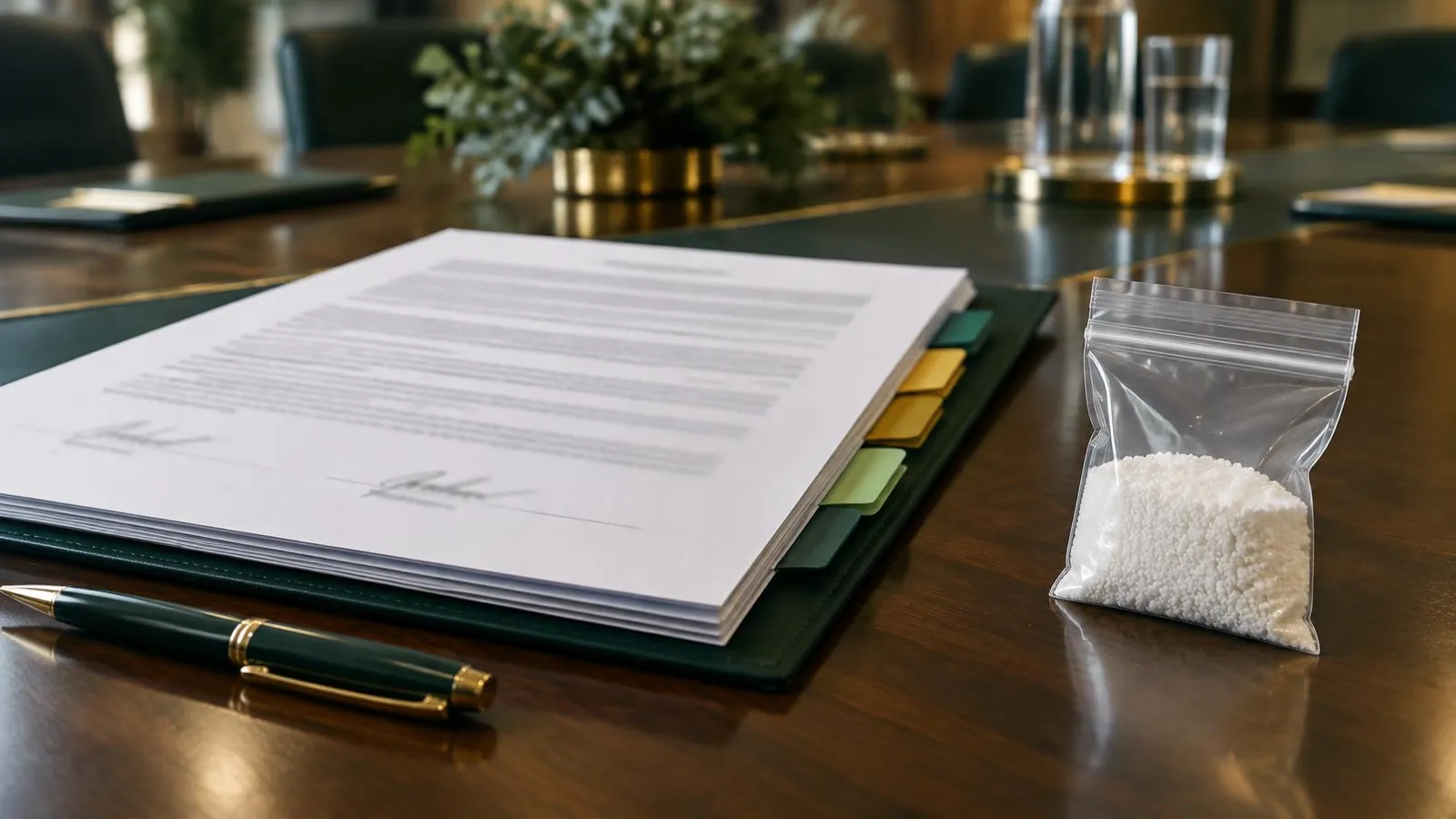
A rare earth offtake agreement commits a buyer to purchase a defined share of a project's output over a period, at a price set by a formula. For a mixed concentrate, the formula usually references published prices for the contained elements and applies payability, the share of contained value the buyer pays to reflect separation costs and margin.
How much and how long
A share of output, often all of a phase, for a fixed term. Serra Verde's reported term is 15 years.
Formula
Reference prices for NdPr, Dy, Tb and other elements, from an agreed provider and market, times contained quantities.
Floors and ceilings
A price floor protects the producer and its lenders in weak markets; a ceiling or sharing mechanism may protect the buyer.
Specification
Limits on impurities and radioactive elements, with penalties or rejection rights for off-spec material.
Price floors are the element that changed the market. Rare earth prices have been volatile and heavily influenced by Chinese supply. A floor gives lenders confidence that the project can service debt even in a weak market, which in turn makes project finance possible. Government-backed buyers, such as the vehicle reported for Serra Verde, can offer floors that a commercial buyer alone might not.
A simple hypothetical shows how a floor works. Suppose an offtake references NdPr at market price, with a floor equivalent to a set level per kilogram. If the market falls below the floor, the buyer still pays the floor on the NdPr content, and the producer keeps servicing its debt. If the market rises above the floor, the producer receives the market price, perhaps with some sharing above a ceiling. The buyer pays for that insurance through the floor in weak years and gains secure supply in all years.
Other common terms include take-or-pay obligations, exclusivity over a phase of production, rights of first refusal on expansions, and links between the offtake and any financing the buyer provides. Each shifts risk between the parties and should be reflected in the price each side is willing to accept.
Payability and the price reference deserve as much negotiation as the floor. Our guide on how to value a rare earth project in Brazil explains how these terms translate into revenue and value.
§ 04 · Financing
Which financing tools are available to Brazilian rare earth projects?

Brazilian rare earth projects can draw on development-finance institutions, export-credit agencies, strategic equity, commercial banks, Brazilian public financing and, for some, the new guarantee fund created by Law 15,506. The right mix depends on stage and offtake.
| Source | Examples | What it brings |
|---|---|---|
| Development finance | US DFC (Serra Verde) | Long-tenor debt, sometimes with equity options; strategic alignment |
| Export-credit and state agencies | Agencies in the US, Europe and Japan; Japan's JOGMEC has backed rare earth supply outside China | Debt or equity tied to supply to the agency's country |
| Strategic equity | Magnet makers, automakers, trading houses, Gulf and Asian investors | Capital plus offtake or technology |
| Brazilian public finance | BNDES, Finep; climate-fund lending for processing under Law 15,506 | Local-currency funding, especially for processing |
| Guarantee fund | FGAM under Law 15,506, up to R$2 bn from the Union | Credit guarantees and price or performance hedges for priority projects |
| Commercial and project finance | International and Brazilian banks | Senior debt once offtake and studies are bankable |
The order matters. Lenders want a bankable feasibility study, licences and an offtake before committing large debt. Strategic equity and government agencies often come in earlier, accepting more risk in exchange for supply security. Gulf investors, already present in Brazilian base metals through Manara Minerals' stake in Vale Base Metals, are a natural source of patient equity; see Gulf capital in Brazilian mining.
Asian and Gulf investors may find Brazil's rules shape their entry. Because offtake contracts and foreign stakes in covered minerals can need homologation, structures that combine a minority stake with processing investment in Brazil may be received more favourably than plain export offtakes. The law's incentives for local processing point the same way.
§ 05 · Lessons
What should buyers and offtakers learn from Serra Verde?
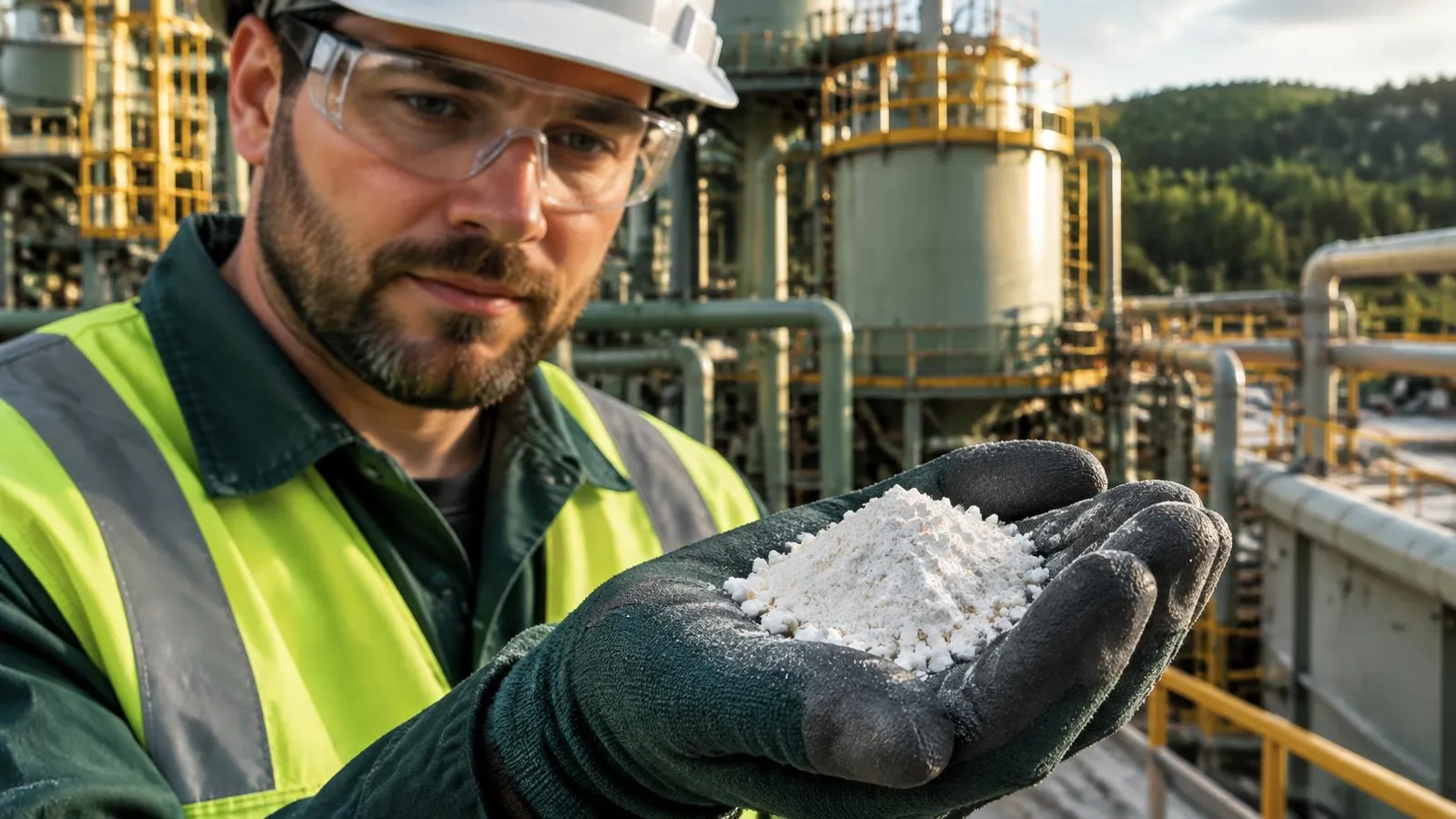
Buyers and offtakers should take three lessons. Production and offtake create value far beyond geology. Supply security can be bought through contracts and financing, not only ownership. And Brazil's own rules now shape how those contracts are written.
- 01
Value the contracts
A producing mine with a long offtake, price floors and committed financing is a different asset from a deposit. Price the contracts, not just the tonnes.
- 02
Choose your instrument
Equity, offtake, prepayment or debt each give different control and risk. Many strategic buyers combine a minority stake with an offtake.
- 03
Plan for Brazilian review
Under Law 15,506, changes of control, significant foreign stakes and international supply contracts in covered minerals may need homologation.
- 04
Secure processing
Know where the concentrate will be separated and how payability reflects that.
- 05
Protect against price swings
Floors, ceilings and sharing mechanisms align buyer and producer through the cycle.
Our guide to Brazil's new critical minerals law explains which elements of a deal may need homologation and how to build that into conditions precedent.
§ 06 · For owners
What should Brazilian project owners learn from Serra Verde?
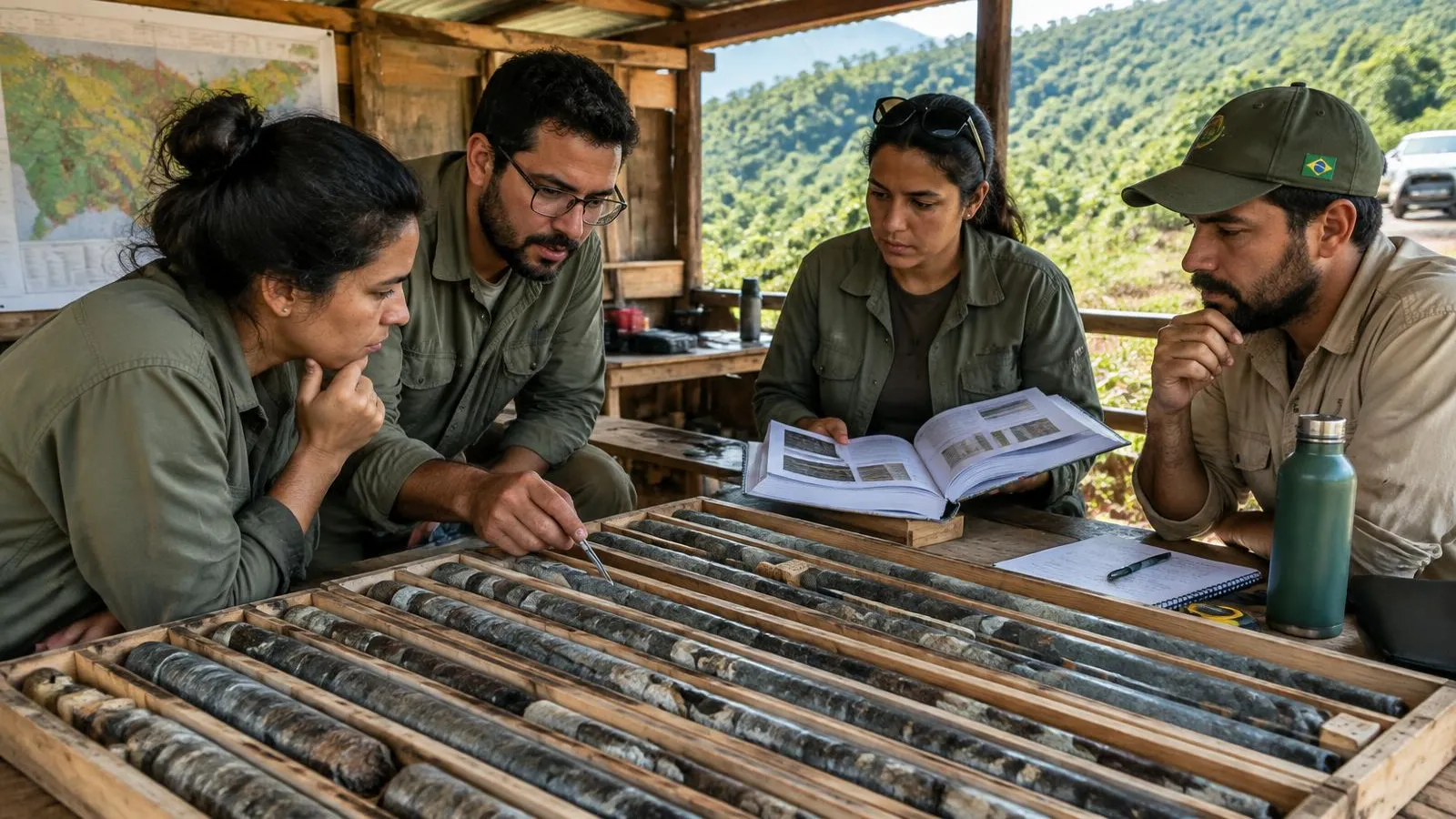
Brazilian owners should learn that financeability is built step by step, and that each step needs documents a foreign buyer can trust. Serra Verde took more than a decade from private-equity entry to strategic acquisition. Few projects will move faster, and none will move without data. The good news is that the path is now visible, and investors know what to look for.
What makes a Brazilian rare earth project financeable
- A clean ANM title, mapped against land records, with access agreements over the mine footprint
- A resource under NI 43-101 or JORC, with element-by-element assays and QA/QC
- Metallurgical test work showing recoveries and a product that meets buyer specifications
- Environmental licensing progress and, where relevant, a radiological classification or exemption
- A study at the right stage for the money sought: scoping for early equity, feasibility for project finance
- A clear position under Law 15,506, including registration in the national project registry where applicable
- A credible management team and a corporate structure that can receive foreign capital
Owners of early permits should be realistic. A permit with a soil sample will not attract an offtake with price floors. It can attract an exploration partner on an option or earn-in, which is often the best route to building value. Our pillar guide to rare earth projects for sale in Brazil explains the stages.
Consider a typical path, described as a hypothetical example. An owner holds clay permits in Goiás with encouraging auger results. Instead of seeking a buyer for the whole asset, the owner signs an earn-in with a listed junior that funds drilling and metallurgy in exchange for a growing stake. Two years later, with a resource and desorption tests, the project attracts a strategic investor and a conditional offtake. The owner's remaining stake is now worth far more than the permit would have fetched at the start.
§ 07 · Risks
What risks remain in rare earth offtake and financing deals?
Even a well-structured deal carries risk. Rare earth markets are small, opaque and politically sensitive, and Brazilian projects face their own operational and regulatory questions.
Price and policy shocks
Chinese export policy and stockpiling by major powers can move prices quickly. Floors help producers but cost buyers if markets fall.
Separation bottleneck
Limited separation capacity outside China can delay sales or squeeze payability.
New Brazilian rules
Homologation timelines and conditions under Law 15,506 are still being defined.
Ramp-up and recovery
Clay recoveries, reagent costs and water management can differ from studies.
Licence to operate
Land, water and community acceptance matter, and civil society has criticised the new law's consultation provisions.
Who stands behind the contract
An offtake is only as good as its buyer's ability and willingness to pay over the full term.
Good structuring does not remove these risks; it allocates them. The buyer, the producer, the lender and, increasingly, governments each take a share. A deal works when every party knows which risks it holds and has priced them.
For Brazilian projects, one more risk deserves attention: concentration of buyers. If a single foreign offtaker takes all of a project's output for many years, the project's fortunes depend on that relationship and on the politics around it. Some owners prefer to split output between buyers in different regions, or to keep part of production uncommitted. Buyers, for their part, may accept a smaller share in exchange for better terms. The right balance depends on how much financing the offtake must support.
§ 08 · Our method
How BRAZIL MINE helps on rare earth offtake and investment

We connect verified Brazilian projects with buyers, offtakers and investors, and we verify before we introduce. For rare earth projects that means checking the title and land, reviewing the data and the project's real stage, and flagging its likely position under the critical minerals law, so that both sides start from facts.
- KYC and NDA on both sides before confidential information is shared.
- Title and boundary verification in-house: our founder is a mathematician and land surveyor.
- Honest staging: exploration permits are presented as exploration, studies at their real confidence level.
- Independent experts chosen by the buyer for technical, legal and financial work.
- No advance fees at any stage.
Looking for rare earth supply or an investment in Brazil?
Tell us whether you seek offtake, equity or a full acquisition, and which elements matter to you. Project owners: send us your ANM process number and data.
Request a confidential reviewFor the broader picture of foreign capital in Brazilian critical minerals, read Brazil's critical minerals and foreign capital.
§ FAQ
Frequently asked questions
What is Serra Verde?
A rare earth company operating the Pela Ema ionic clay mine at Minaçu, Goiás, Brazil, producing a mixed rare earth concentrate containing neodymium, praseodymium, dysprosium, terbium and yttrium.
Who financed Serra Verde?
Denham Capital funded it to production after acquiring the Brazilian subsidiary in 2011. In February 2026 the US DFC provided a US$565 million package, with an option for a minority US government stake.
Who is buying Serra Verde?
USA Rare Earth announced in April 2026 that it would acquire Serra Verde Group at an implied equity value of about US$2.8 billion, mostly in shares, subject to approvals. Confirm the current status with the companies.
What is a rare earth offtake agreement?
A long-term contract in which a buyer commits to purchase a share of a project's output at a formula price, often with payability for mixed products and, increasingly, price floors.
Why do price floors matter?
They protect the producer and its lenders when prices fall, which makes financing possible. Serra Verde's reported 15-year offtake for Phase 1 output includes price floors.
Do offtake agreements need approval in Brazil?
Under Law 15,506, international supply contracts in critical or strategic minerals that may affect economic or geopolitical security require homologation by the CIMCE council. Details depend on pending regulation.
Can smaller Brazilian rare earth projects get similar financing?
Not at the same stage. Financing and offtake with price floors follow production or a bankable feasibility study. Early projects usually raise equity through options, earn-ins or strategic partners.
What financing sources exist for Brazilian rare earth projects?
Development-finance and export-credit agencies, strategic equity, commercial banks, BNDES and Finep, and the FGAM guarantee fund created by Law 15,506 for priority projects.
What is the difference between offtake and equity in a rare earth project?
Offtake secures the product through a purchase contract without ownership; equity gives ownership and influence but not automatically the product. Strategic investors often combine a minority stake with an offtake agreement.
Mathematician, Land Surveyor and Licensed Real Estate Broker · CRECI-TO 4631
BRAZIL MINE — Mining & Minerals
Keep reading