Critical minerals · Saudi Arabia · UAE · Qatar · Kuwait · Bahrain · Oman · sovereign funds, family offices, strategic investors
Gulf capital in Brazilian mining: Saudi Arabia, the UAE and Qatar
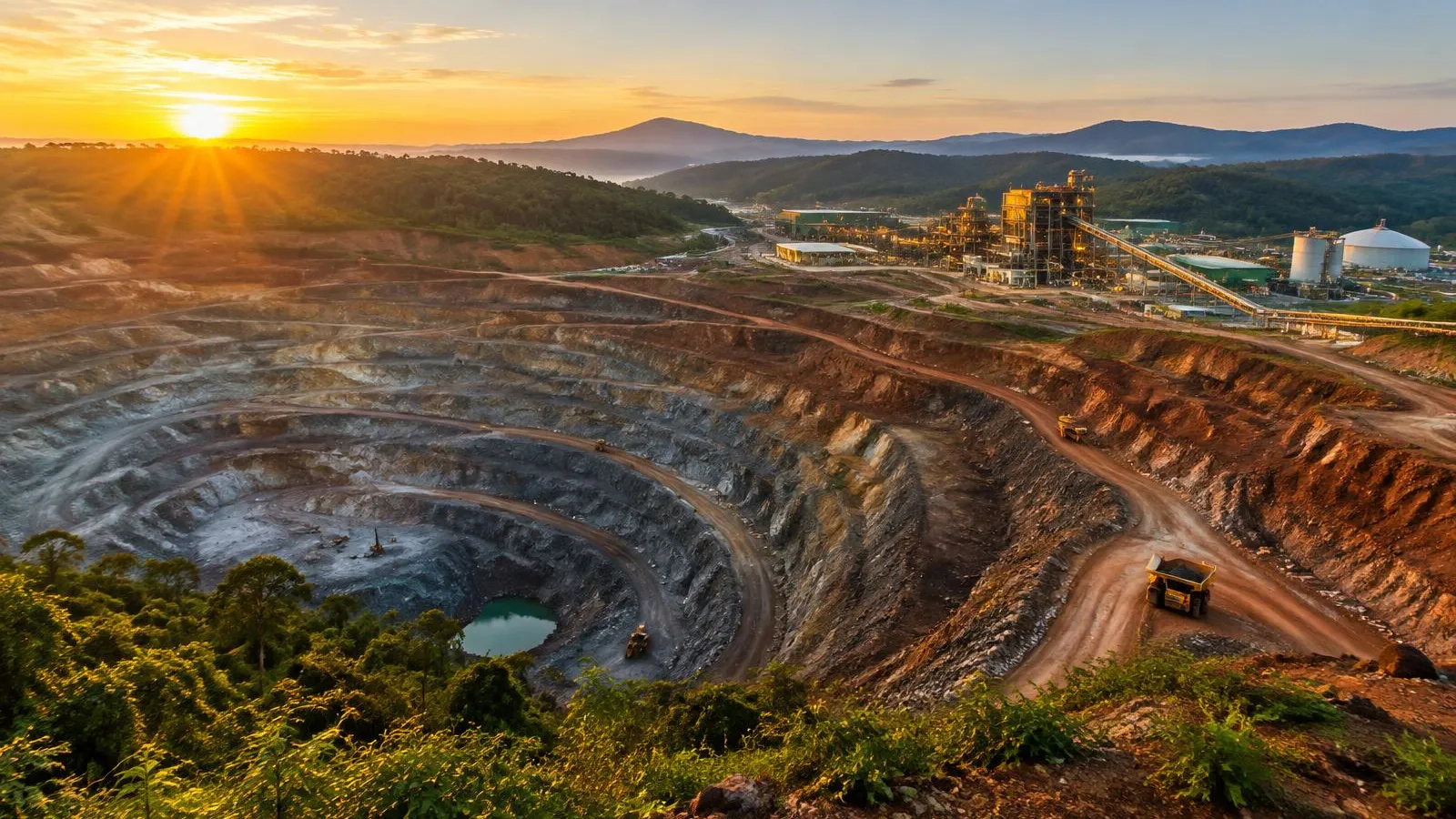
Gulf capital in Brazilian mining is no longer a theory: Saudi Arabia's Ma'aden, through Manara Minerals, completed the purchase of 10% of Vale Base Metals in 2024, the UAE signed a critical minerals agreement with Brazil in January 2025 covering up to about US$2.4 billion, and Qatar's sovereign fund backs TechMet, owner of Brazilian Nickel. Those are the headline deals. Below them sits a much larger market of mid-size Brazilian mines and projects that Gulf family offices and strategic investors can reach, if they know how Brazilian titles work and what to verify.
Key takeaways
- Saudi Arabia leads: Manara Minerals, a Ma'aden and PIF venture, agreed in July 2023 to buy 10% of Vale Base Metals for US$2.6 billion and completed the deal in 2024.
- The UAE signed a memorandum with Brazil in January 2025 on investment across the mining chain, reported at up to about US$2.4 billion.
- Qatar's QIA committed an initial US$180 million to TechMet, whose portfolio includes Brazilian Nickel.
- Mid-size Brazilian gold, copper, critical-mineral and gemstone assets are open to Gulf investors through a Brazilian company, with ANM approval for title transfers.
- The checks that protect a Gulf investor are the same as for anyone else: title, licence, land, production evidence and a clean seller.
In this article
For decades, Gulf trade with Brazil meant oil, fertilisers, poultry and sugar. That is changing. Vision 2030 in Saudi Arabia and similar diversification plans in the UAE and Qatar have turned sovereign and state-linked investors towards the minerals the energy transition needs: copper, nickel, lithium, rare earths, and gold as a store of value. Brazil has many of them, a large mining industry and a legal system that accepts foreign ownership of mining companies.
The result is a new corridor. Brazilian ministers have visited Riyadh and Abu Dhabi, Saudi and Emirati investors have signed agreements in Brasília, and Gulf logistics groups are opening offices in Brazil. For a Gulf investor, the opportunity is real. So is the noise: the same corridor attracts brokers offering mines they do not control.
§ 01 · The record
How much Gulf capital in Brazilian mining is already committed?
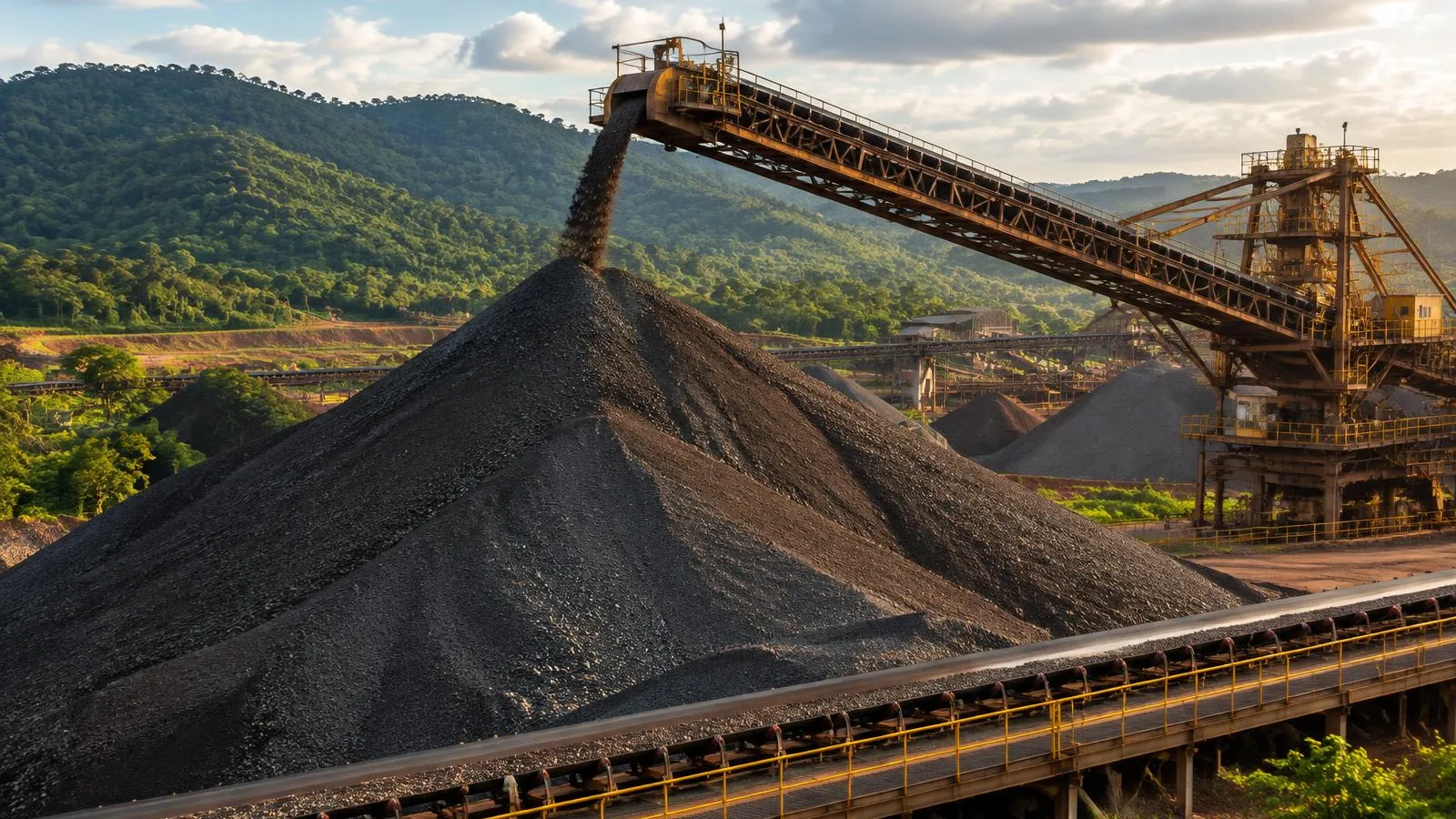
Gulf capital in Brazilian mining has so far concentrated on large, strategic positions in base and critical metals, led by Saudi Arabia. The three reference points below are public and documented.
| Country | Investor | What | Status |
|---|---|---|---|
| Saudi Arabia | Manara Minerals (Ma'aden 51%, PIF) | 10% of Vale Base Metals, Vale's copper and nickel business, agreed July 2023 for US$2.6 billion | Completed, announced May 2024 |
| Saudi Arabia | Ma'aden | Plans announced in January 2025 for a São Paulo office and funding for geological mapping of critical minerals, reported at about R$8 billion | Announced intention |
| UAE | UAE government with Brazil's Ministry of Mines and Energy | Memorandum of understanding on investment across the mining chain, reported at up to about US$2.4 billion | Signed January 2025 |
| Qatar | Qatar Investment Authority | Initial US$180 million investment in TechMet, whose portfolio includes Brazilian Nickel | Announced |
Vale Base Metals is the anchor. It holds Vale's copper and nickel operations, including the copper mines of the Carajás region in Pará. At US$2.6 billion for 10%, the transaction implied a value of roughly US$26 billion for the whole business by simple arithmetic. It made Saudi Arabia a direct shareholder in a major copper and nickel producer.
The UAE and Saudi announcements of January 2025 matter for a different reason: they show government-to-government intent. Memoranda are not investments, and the figures reported are ceilings or expectations, not money spent. But they open doors in Brasília and make Gulf investors visible to Brazilian mining companies looking for partners.
§ 02 · Rationale
Why are Saudi, Emirati and Qatari investors looking at Brazil?
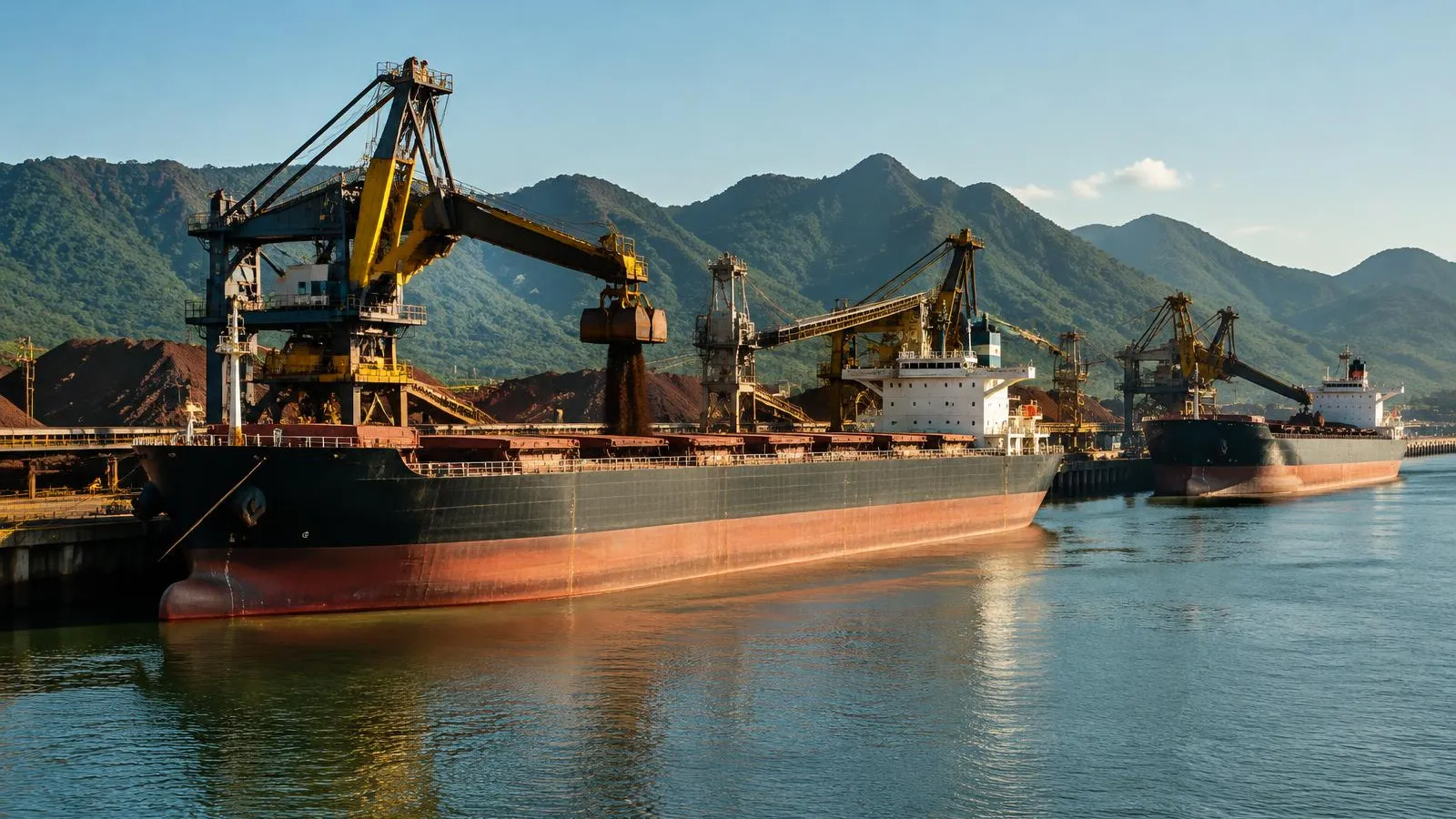
Gulf investors are looking at Brazil because it combines large mineral endowments, a long mining tradition and legal access for foreign capital, at a time when they want supply outside the dominant processing chains. Brazil's mines minister summed up the logic during his 2025 Gulf visit: there is no energy transition without mining.
Breadth of minerals
Iron ore, copper, nickel, gold, lithium, graphite, niobium and rare earths. Brazil is reported to hold the world's third-largest rare earth reserves, mainly in Minas Gerais and Goiás.
Beyond oil
Vision 2030 in Saudi Arabia and similar strategies in the UAE and Qatar aim to build mining and metals industries at home and secure inputs abroad.
Alternative sources
With mineral processing concentrated in a few countries, Gulf investors seek positions in jurisdictions that can supply Western and Asian markets.
Existing corridors
Fertiliser exports from the Gulf to Brazil have grown fast, and logistics groups such as DP World have expanded in Brazil, so commercial ties already exist.
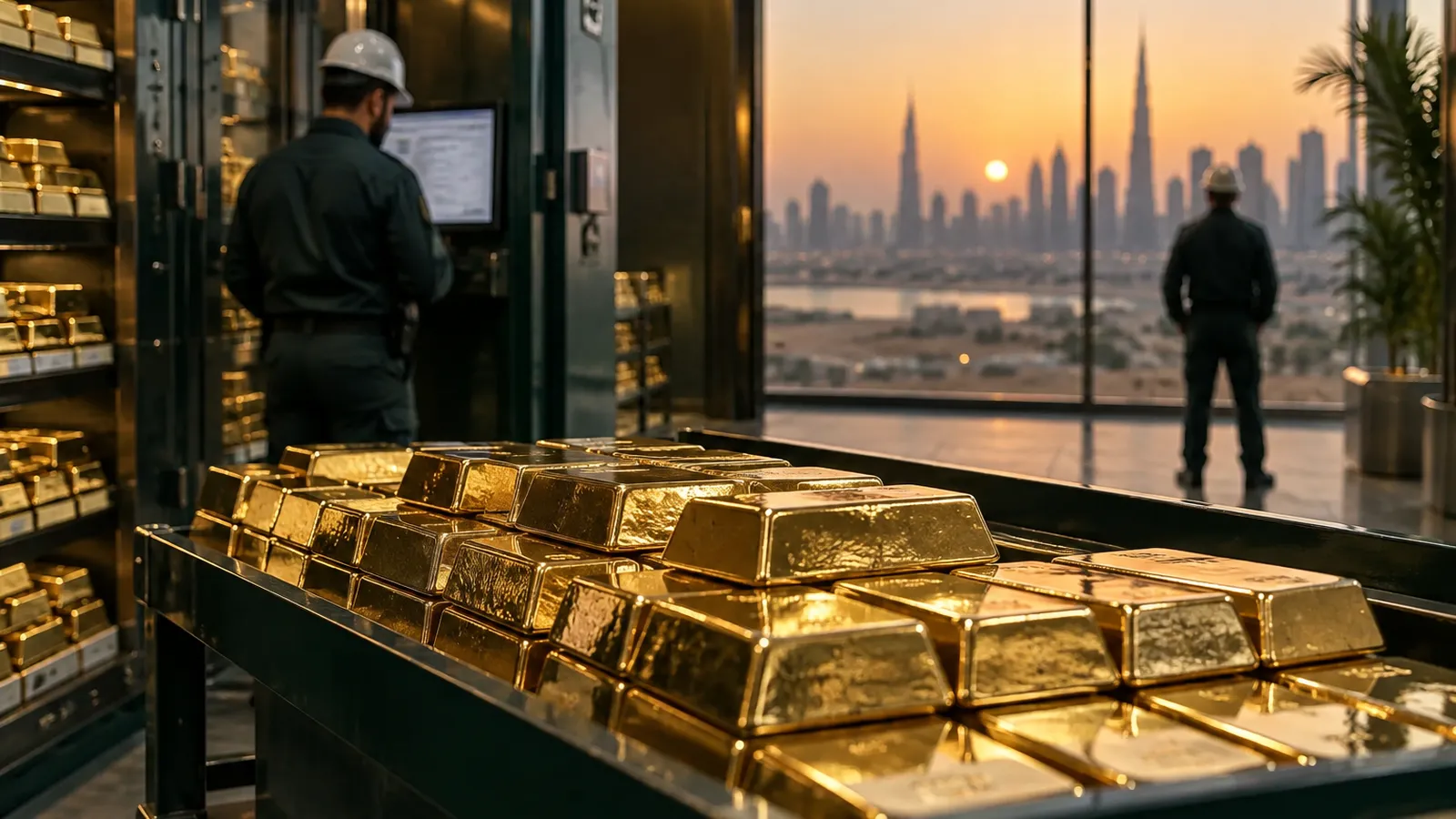
Gold adds a separate logic. The UAE is a global gold trading and refining hub, and Brazil is a steady gold exporter. A Gulf group that owns or finances a Brazilian gold mine can control the origin of the metal it refines or trades, at a time when traceability rules are tightening on both sides. Brazil's own rules have changed too: since 2023, gold sold as a financial asset needs an electronic invoice, and since 2025 buyers no longer benefit from a presumption of good faith.
Gemstones are a smaller but real interest. Demand for coloured stones in Gulf high jewellery is strong, and Brazil is a major source of tourmaline, emerald and aquamarine. Our guide to Paraíba tourmaline mines in Brazil covers the most famous of them.
There is also a simple matter of fit. Gulf investors tend to have long horizons and can hold assets through commodity cycles, which suits mining better than most sectors. Brazilian mine owners, many of them families who built their operations over decades, often look for exactly that kind of partner: one who will fund growth without forcing a quick exit. When the two meet with documents in order, deals can move faster than either side expects.
§ 03 · Structure
How does a Gulf investor legally own a Brazilian mine?
A Gulf investor owns a Brazilian mine through a Brazilian company. Under the Brazilian Constitution, mineral deposits belong to the Federal Union, and mining titles can be held only by Brazilians or by companies incorporated in Brazil with headquarters and management in the country. The shareholders of that company can be foreign, including sovereign funds and Gulf holding companies.
- 01
Choose the vehicle
Acquire an existing Brazilian company that holds the title, or incorporate a Brazilian subsidiary that will receive the title or apply for new ones.
- 02
Register the investment
Foreign capital entering Brazil is registered with the Central Bank, which secures the right to repatriate dividends and capital later.
- 03
Obtain ANM consent
Assignment of a mining title to the new company requires the National Mining Agency's prior consent. A share purchase does not move the title, but brings the company's liabilities.
- 04
Plan for land
Mining rights and land are separate. Rural land purchases by foreign-controlled companies face restrictions under Law 5,709/1971, so most projects use agreements with landowners.
- 05
Check special zones
The border strip, indigenous lands and conservation units carry additional restrictions. Map the asset against them before any commitment.
Large transactions may also need approval from Brazil's competition authority, CADE, depending on the size of the parties. Sovereign investors should take advice on how their status interacts with Brazilian corporate and tax rules. Our guide on whether foreigners can buy a mine in Brazil covers the corporate structure in more detail.
§ 04 · The opportunity
Where are the opportunities beyond the headline deals?
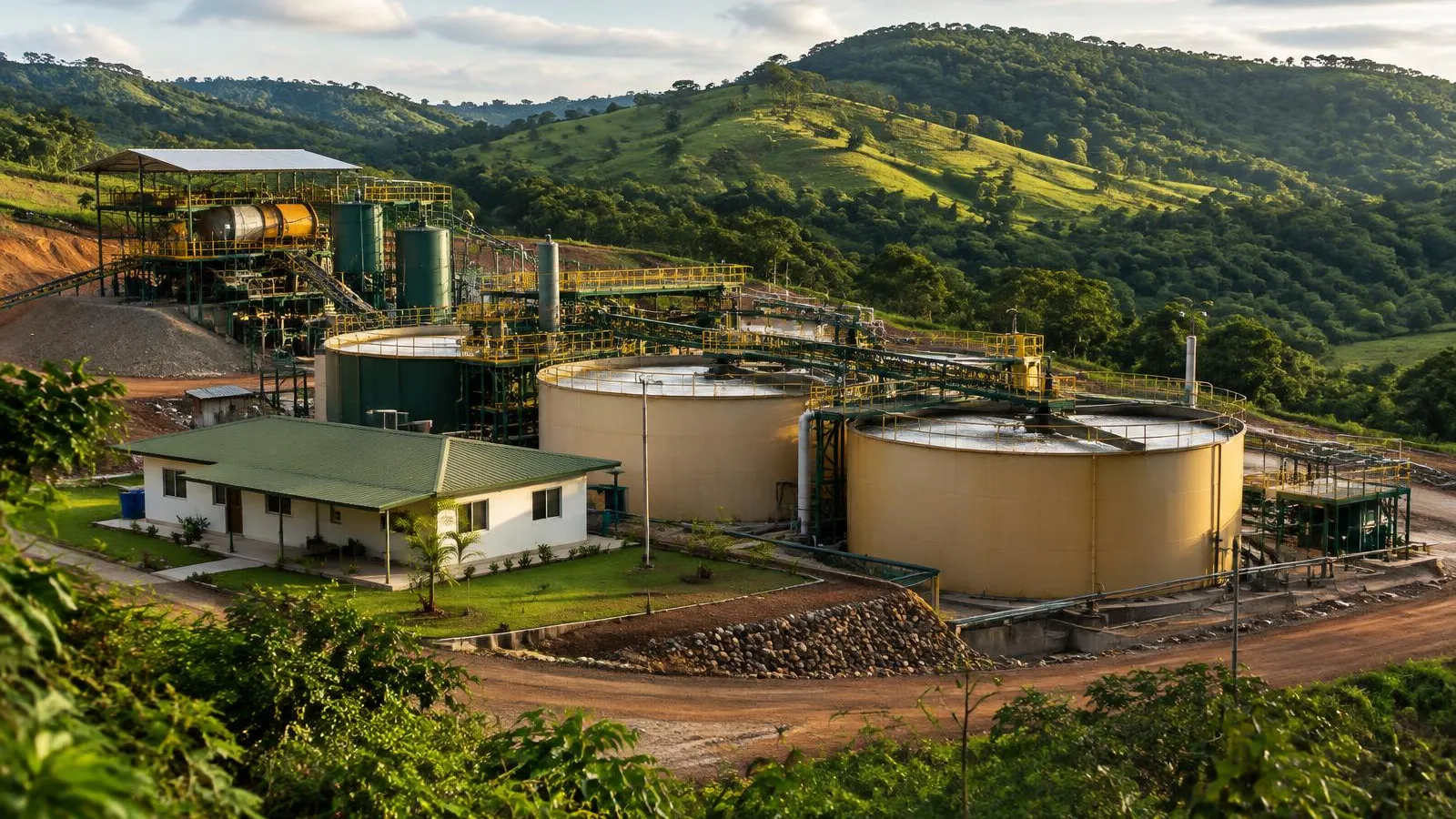
Beyond the billion-dollar deals, the opportunity for Gulf capital in Brazilian mining sits in mid-size assets: producing gold mines, advanced copper and critical-mineral projects, gemstone deposits and restart projects that need capital and technical partners. These assets rarely appear on stock exchanges and are often held by Brazilian families or private companies.
| Asset type | What the seller usually needs | What the Gulf investor brings |
|---|---|---|
| Producing gold mine | Capital for expansion, a buyer for the metal, succession | Equity, offtake into Gulf refining and trading |
| Advanced copper or nickel project | Development capital and a strategic partner | Long-term capital aligned with supply security |
| Critical minerals (lithium, graphite, rare earths) | Funding for studies and pilot plants | Patient capital and access to downstream partners |
| Gemstone deposit | Formalisation, equipment, buyers | Capital and access to high-jewellery demand |
| Restart or tailings project | Capital to restart a licensed operation | Equity and offtake, with performance-linked payments |
For producing gold assets, the evidence a mine must show before it deserves a producing-asset price is set out in our guide to producing gold mines for sale in Brazil. For valuation, see how to value an operating gold mine in Brazil.
The structures that work best for Gulf investors in mid-size assets usually combine two things: an equity stake that gives influence over the asset, and an offtake or marketing agreement that gives access to the product. For gold, that can mean doré delivered to a refinery chosen by the investor. For copper or nickel concentrate, a long-term sales contract. For gemstones, first refusal on production. Tying part of the purchase price to production, as international buyers did in the Tocantinzinho and CMOC–Equinox deals, protects the investor while the asset proves itself.
§ 05 · Verification
What should a Gulf investor verify before committing to a Brazilian mine?
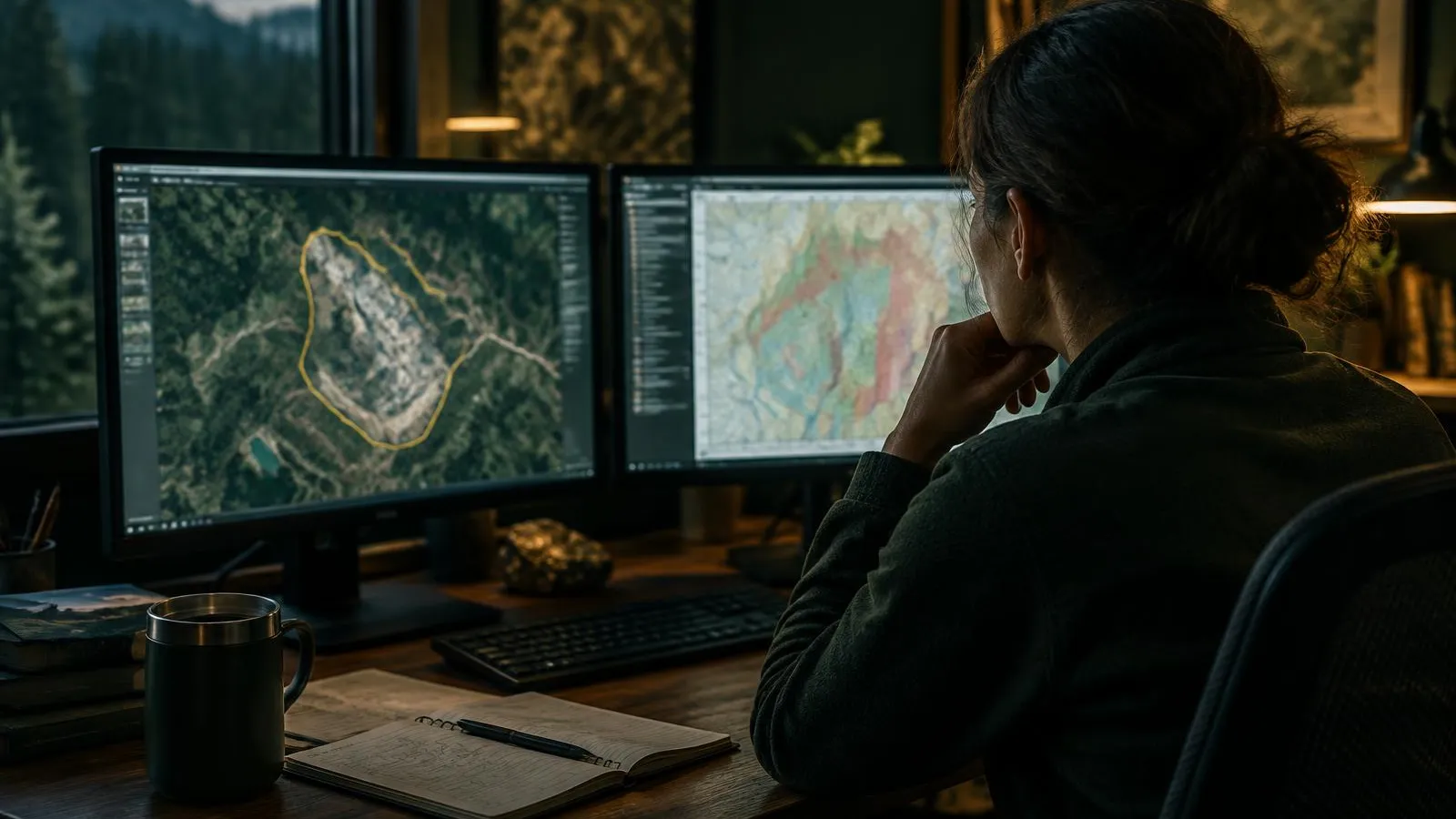
A Gulf investor should verify the same things any serious buyer verifies, in the same order: the mining title, the licence, the land, the production or technical evidence, and the seller. Being a sovereign or well-known investor does not reduce the risk; it often increases the number of intermediaries who approach you.
Verification checklist for Gulf investors
- ANM process number, holder, substance, phase and polygon, checked on the ANM's public systems
- Operating or environmental licence, its conditions and expiry
- Tailings dam record in the ANM's public SIGBM registry, if the asset has a dam
- Landowner identity and access agreement; map against border strip, indigenous lands and conservation units
- Technical reports under NI 43-101 or JORC where they exist, read as reporting standards, not certificates
- Production evidence: electronic gold invoices, CFEM royalty receipts and the annual mining report filed with the ANM
- Seller's corporate documents, beneficial owners and tax and labour clearance certificates
- A mandate signed by the title holder for any intermediary who presents the asset
The last item matters especially in the Gulf corridor. Assets often reach Riyadh, Dubai or Doha through a chain of brokers, sometimes in Egypt, Europe or Brazil, none of whom has a mandate from the owner. A signed mandate and a direct line to the title holder shorten the chain and protect the investor. Our guide on verifying a gold mining concession shows the title checks step by step.
Sovereign and state-linked investors also carry reputational exposure that a private buyer may not. Gold from the Amazon, in particular, is under scrutiny for links to illegal mining, mercury use and invasions of indigenous lands. A Gulf investor's due diligence should therefore include an environmental and social review: the licence history, any fines or embargoes, the asset's distance from indigenous territories and conservation units, and the absence of mercury in processing. These checks protect the investment and the investor's name.
§ 06 · Red flags
What red flags appear in mining offers sent to Gulf investors?
Mining offers sent to Gulf investors carry a recognisable set of red flags, because sellers and brokers assume deep pockets and limited local knowledge. Recognising them early saves months.
Fees to “open” the deal
Requests for payments to access documents, book a visit, or secure exclusivity before a signed agreement.
Price from gold in the ground
A mine priced at its ounces times the spot price. Real buyers paid far less per ounce for producing Brazilian mines.
“Certified” reserves
NI 43-101 or JORC described as certificates with expiry dates. They are reporting standards, not certificates.
No process number
A teaser with photos and coordinates but no ANM process number cannot be verified.
Metal without papers
Physical gold offered at a discount without invoices, documented origin or inspection rights, alongside the mine.
Owner unreachable
Intermediaries who refuse any contact with the title holder even after an NDA and a letter of intent.
Legitimate sellers have their own reasons for confidentiality, and an NDA before disclosure is normal. But after an NDA, a serious seller can produce the process number, the licence and a mandate within days. Silence or delay at that point is information.
§ 07 · Practice
How do Gulf and Brazilian parties work together on a mining deal?
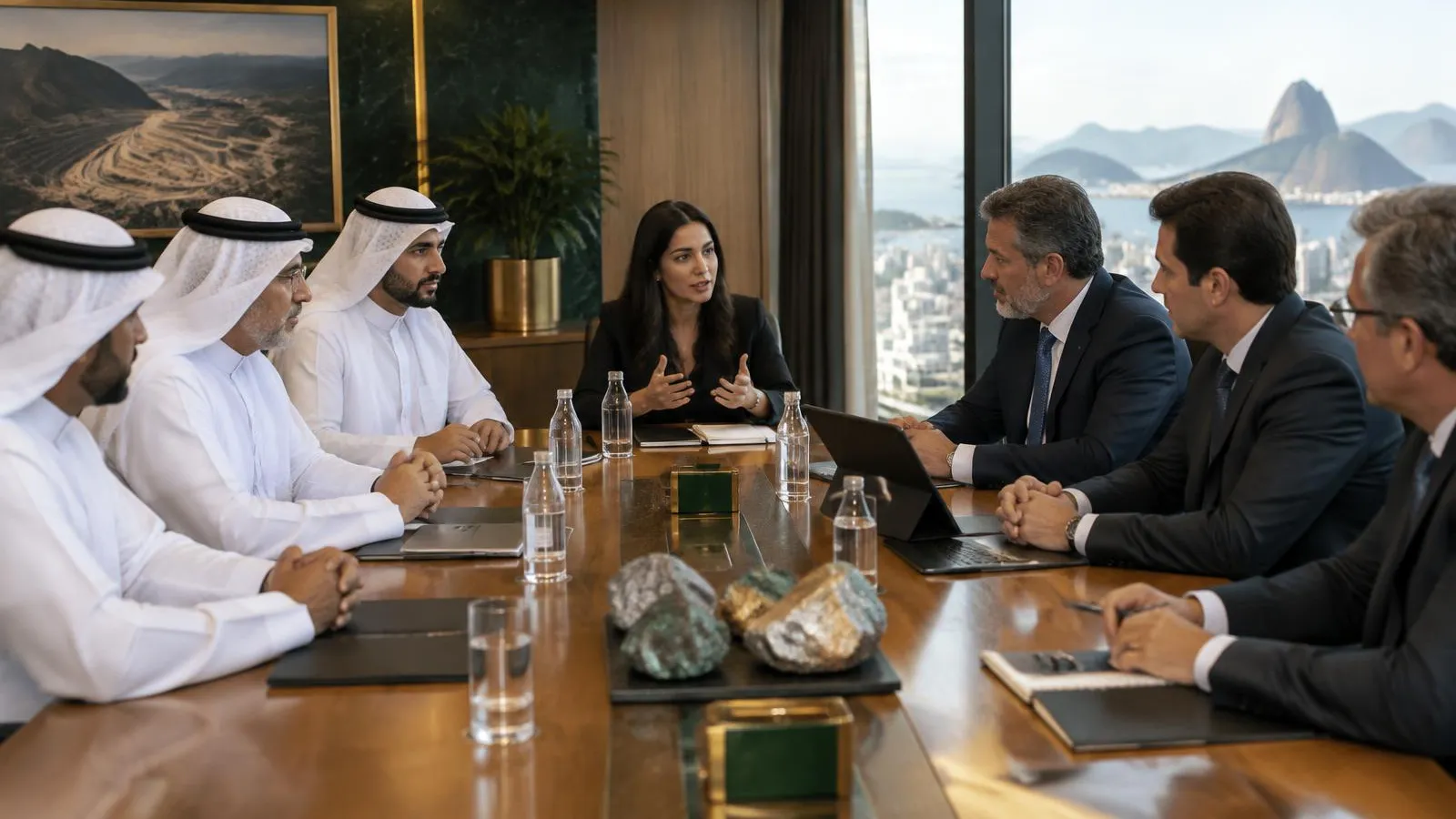
Gulf and Brazilian parties work best together when language, documents and decision-making are planned from the start. Brazilian mining files are in Portuguese, Gulf investment committees work in Arabic and English, and the two business cultures move at different speeds.
- Language. Commission sworn translations of key documents, and use a professional interpreter for meetings with owners, who often speak only Portuguese.
- Decision makers. Many Brazilian mines are family-owned. Meet the owner, not only the broker, and understand who in the family decides.
- Pace. Brazilian regulators and registries take time. Build ANM consent, licence transfers and land agreements into the timeline rather than treating them as formalities.
- Advisers. Use a Brazilian mining lawyer, an independent technical consultant and a tax adviser, alongside your own counsel in the Gulf.
- Site visits. Visit the mine, the plant and the surroundings, ideally with your technical adviser. Many problems are visible in a day on site.
Patience pays. Gulf investors are known in Brazil for long horizons, which suits mining. The deals that go wrong usually go wrong because a step was skipped to save time, not because the market moved.
§ 08 · Our method
How BRAZIL MINE works with Gulf investors
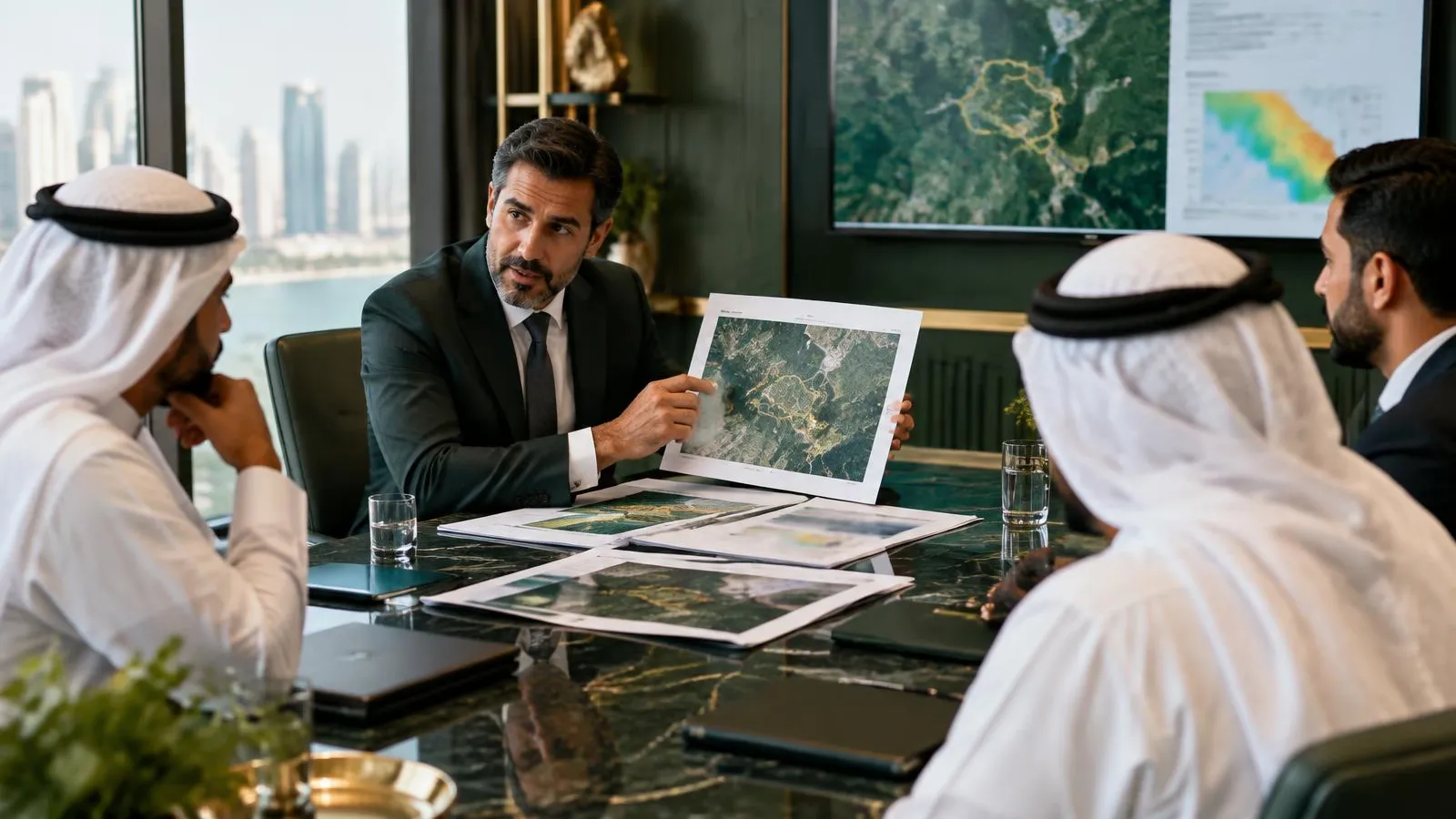
We verify before we offer, and we work directly with title holders or their mandated representatives. For Gulf investors that means a shorter chain, documents in order and a clear picture of what an asset is before anyone travels.
- KYC and NDA on both sides before confidential information is shared.
- Title and boundary verification done in-house: our founder is a mathematician and land surveyor.
- Organised data room in English, with Portuguese originals and sworn translations where needed.
- Your advisers, your decision: we support independent technical, legal and tax due diligence.
- No advance fees at any stage.
Investing from the Gulf in Brazilian mining?
Tell us which minerals, size and stage interest you, or send us an asset you have been offered. We will tell you what the documents show.
Request a confidential reviewFor current opportunities, see our pages for gold, copper and lithium projects in Brazil.
§ FAQ
Frequently asked questions
Has Saudi Arabia invested in Brazilian mining?
Yes. Manara Minerals, a joint venture of Ma'aden and Saudi Arabia's Public Investment Fund, agreed in July 2023 to buy 10% of Vale Base Metals for US$2.6 billion and completed the purchase in 2024. Ma'aden also announced plans in January 2025 to open an office in São Paulo.
What did the UAE agree with Brazil on minerals?
In January 2025 Brazil's mines minister signed a memorandum of understanding in Abu Dhabi on investment across the mining chain, reported at up to about US$2.4 billion. It is a framework, not a completed investment.
Has Qatar invested in Brazilian mining?
Indirectly. The Qatar Investment Authority committed an initial US$180 million to TechMet, a critical minerals investor whose portfolio includes Brazilian Nickel.
Can a Gulf sovereign fund own a mine in Brazil?
It can own the shares of a Brazilian company that holds the mining title. The title itself must be held by a company incorporated in Brazil. Title assignments need the ANM's prior consent, and rural land and border-zone rules apply separately.
Which Brazilian minerals interest Gulf investors most?
Copper and nickel through large positions such as Vale Base Metals, critical minerals such as lithium and rare earths, gold for its link to Gulf refining and trading, and coloured gemstones for high jewellery.
Can Brazilian mining investments be Shariah-compliant?
Often, with the right structure. Equity stakes, offtake-based financing and lease structures can be adapted, but they need advice from both Brazilian lawyers and Islamic finance specialists.
How can a Gulf investor avoid broker chains?
Ask early for the ANM process number and a mandate signed by the title holder for anyone presenting the asset. Insist on a direct meeting with the owner after the NDA.
Does BRAZIL MINE charge fees to Gulf investors to see assets?
No. We charge no advance fees to see an asset, visit a site or open a negotiation.
Mathematician, Land Surveyor and Licensed Real Estate Broker · CRECI-TO 4631
BRAZIL MINE — Mining & Minerals
Keep reading