Gold · United States · Canada · Gulf investors · mid-tier producers, funds and family offices
How to value an operating gold mine in Brazil

An operating gold mine is worth the present value of the cash it will generate over its remaining life, cross-checked against what buyers have paid for comparable mines, and adjusted for the risks that are specific to Brazil. It is not worth its ounces multiplied by the spot price, which is how most teasers arrive at their numbers. This guide walks through the method professionals use and the Brazilian inputs that move the result.
Key takeaways
- International valuation codes, CIMVal in Canada (2019) and VALMIN in Australia (2015), recognise three approaches: income, market and cost. Producing mines are valued mainly on income.
- A discounted cash flow model is only as good as its reserves, grade, recovery, costs and gold price assumptions. Each one should come from documents, not from the seller.
- All-in sustaining cost (AISC), a metric defined by the World Gold Council, is the cost figure buyers compare across mines.
- Comparable transactions anchor the result. The CMOC–Equinox deal for three Brazilian operations gives a public reference point.
- Brazil adds specific inputs: CFEM royalty of 1.5% on gold, the landowner's share, a 34% combined corporate tax rate before incentives, currency, licences and title risk.
In this article
Every week a new teaser arrives: an operating gold mine in Brazil, so many million ounces, a price in the hundreds of millions of dollars. The arithmetic behind the price is usually the same. Ounces in the ground times today's gold price, minus a discount someone picked. That number tells you nothing about what the mine is worth to a buyer, because it ignores how much gold can actually be recovered, how much it costs, how long it takes and what can go wrong.
Professionals value mines differently, and the methods are codified. Canada's CIMVal Code and Australia's VALMIN Code set out how mineral properties should be valued and reported. You do not need to be a valuer to use their logic. You do need to know which inputs matter and where to find them in a Brazilian data room.
§ 01 · Method
Which methods are used to value an operating gold mine?
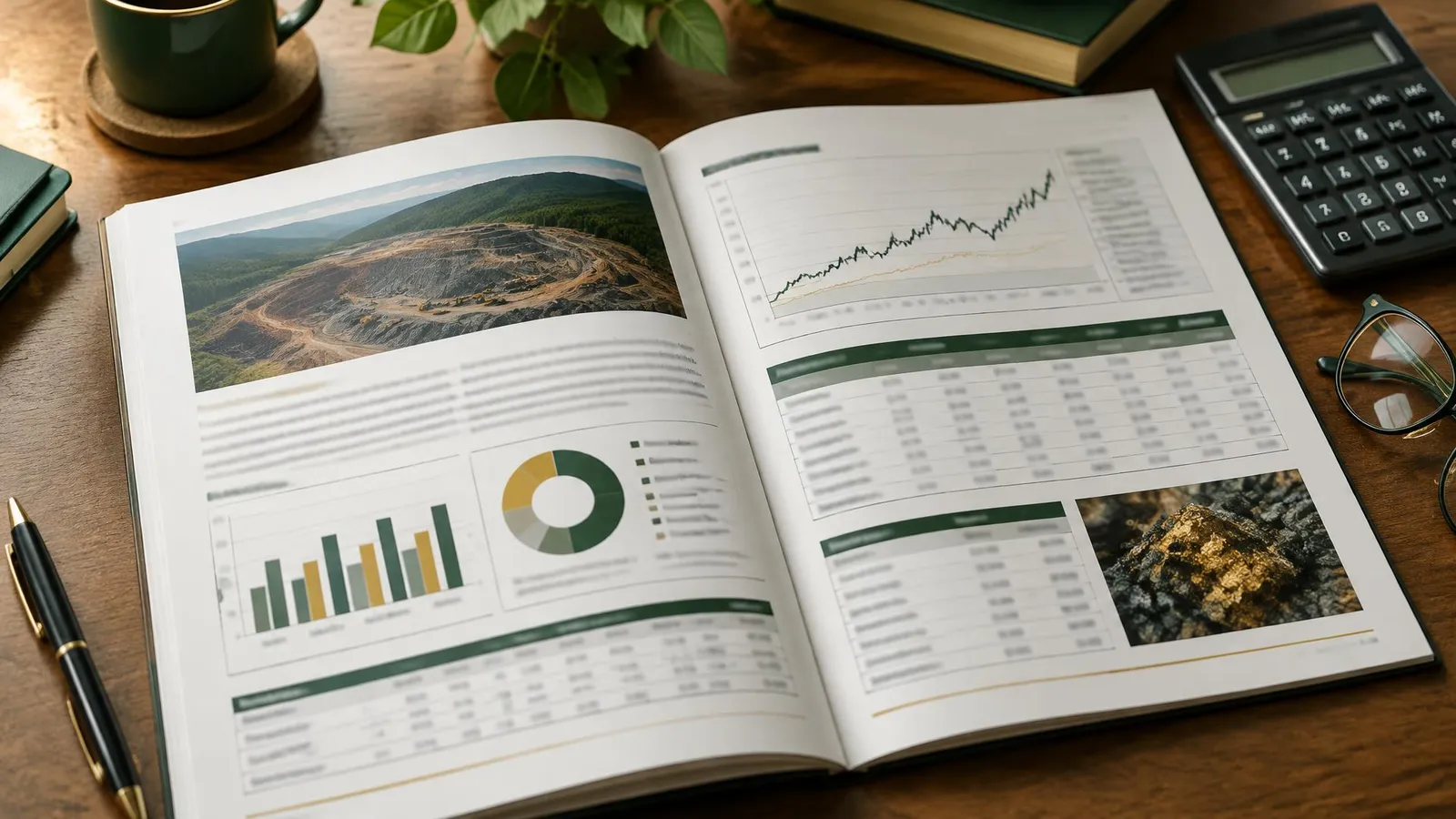
An operating gold mine is valued with three approaches, as recognised by the CIMVal Code (2019) and the VALMIN Code (2015): the income approach, the market approach and the cost approach. For a producing mine with reserves, the income approach carries most of the weight, and the market approach is used to test it.
| Approach | What it does | Best suited to |
|---|---|---|
| Income | Projects the mine's cash flows over its life and discounts them to today (net present value) | Producing mines and development projects with reserves and a mine plan |
| Market | Compares with prices paid for similar mines, often per ounce of reserves or resources | Cross-checking income results; projects with resources but no mine plan |
| Cost | Values what has been spent, or would be needed, to reach the current stage | Early exploration; rarely decisive for producing mines |
The codes also require that a valuation be done by a qualified, independent professional and that the inputs be supported by technical work, typically an NI 43-101 or JORC report for reserves and resources. That requirement is the reason a teaser's number is not a valuation: it has no named author, no stated inputs and no technical support.
§ 02 · Income approach
How does a discounted cash flow model value an operating gold mine?
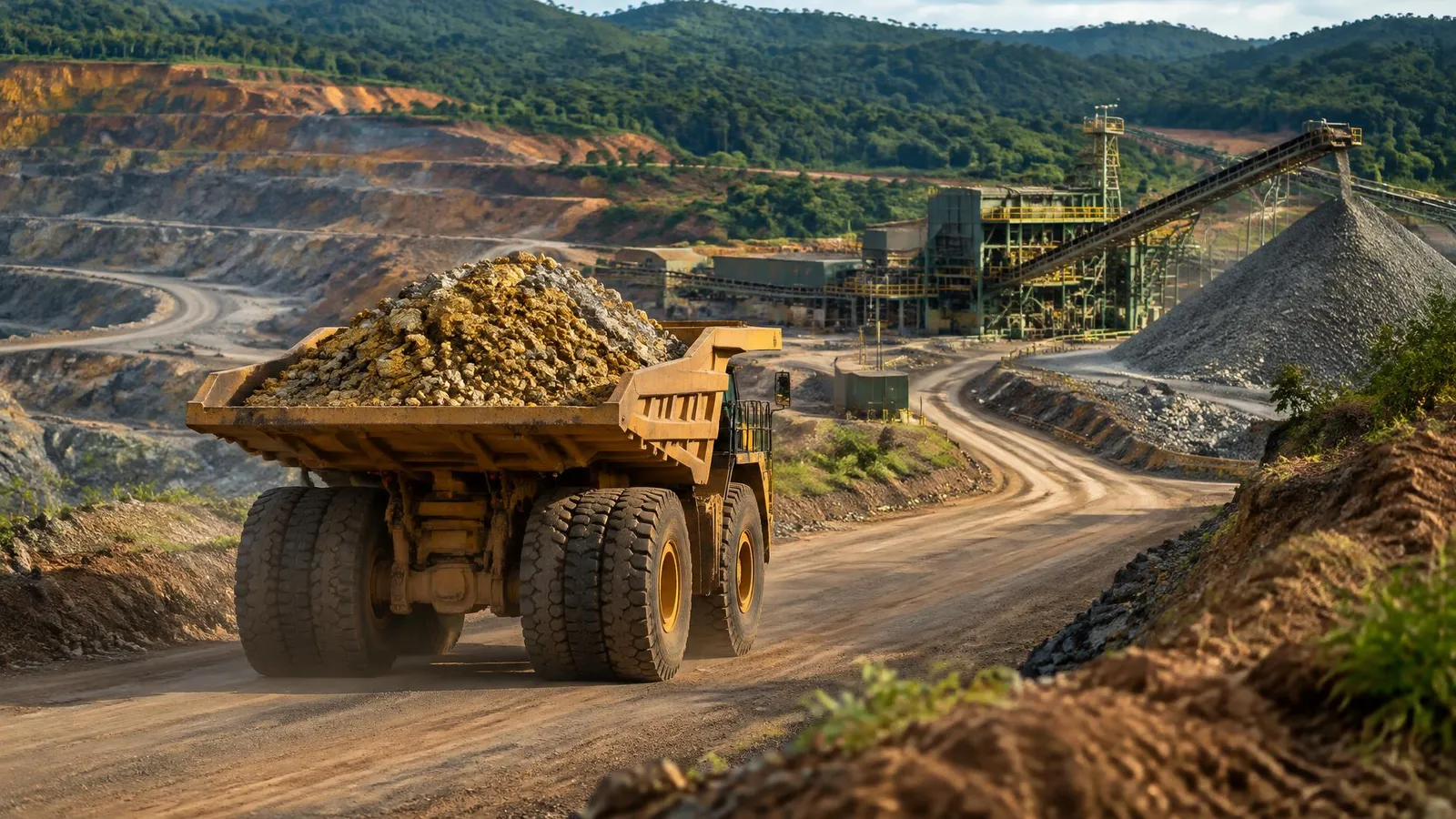
A discounted cash flow (DCF) model values an operating gold mine by projecting, year by year, the gold it will produce and sell, the costs, royalties, taxes and capital it will need, and then discounting the resulting cash flows to today. The sum is the net present value (NPV). Every line of the model should trace to a document.
- 01
Tonnes and grade
Ore to be mined each year and its gold grade, taken from the mine plan and the mineral reserves, not from total resources.
- 02
Recovery
The share of contained gold the plant actually recovers, from metallurgical testwork and, for an operating mine, from its own production history.
- 03
Gold price
A price deck chosen by the buyer, often below spot for conservatism, and tested with sensitivities.
- 04
Costs
Mining, processing and site administration costs, plus sustaining capital, consistent with what the mine has actually spent.
- 05
Royalties and taxes
CFEM at 1.5% of gross gold sales net of sales taxes, the landowner's share, any third-party royalties or streams, and corporate income taxes.
- 06
Capital and closure
Expansion capital if any, working capital, and the closure and rehabilitation cost at the end of mine life.
- 07
Discount rate
A rate that reflects the risk of the asset and the country, chosen by the buyer and disclosed.
Operating mines have one big advantage over projects: history. Past tonnes milled, grades, recoveries and costs are data, not forecasts. A good model starts from the last two or three years of actual performance and explains every difference between that history and the forecast. A forecast that suddenly shows higher grade, better recovery and lower costs than the mine has ever achieved needs a reason, in writing.
The model's results are sensitive to a handful of inputs. Gold price, grade and recovery move revenue directly; costs and discount rate move the margin and the present value. Run sensitivities on each and look at which assumptions the value depends on most. Those are where your due diligence should spend its time.
The discount rate deserves a conversation, not a default. Buyers typically start from a rate they use for producing gold mines and then ask whether this mine and this jurisdiction justify more. A private mine with a short operating history, a licence renewal pending or an unaudited reserve carries more risk than a listed producer, and the rate, or the price structure, should show it. Disclose the rate you used and show the value at rates above and below it, so that every party sees how much of the price depends on that one choice.
§ 03 · Costs
What is AISC, and why does it matter when valuing a gold mine?
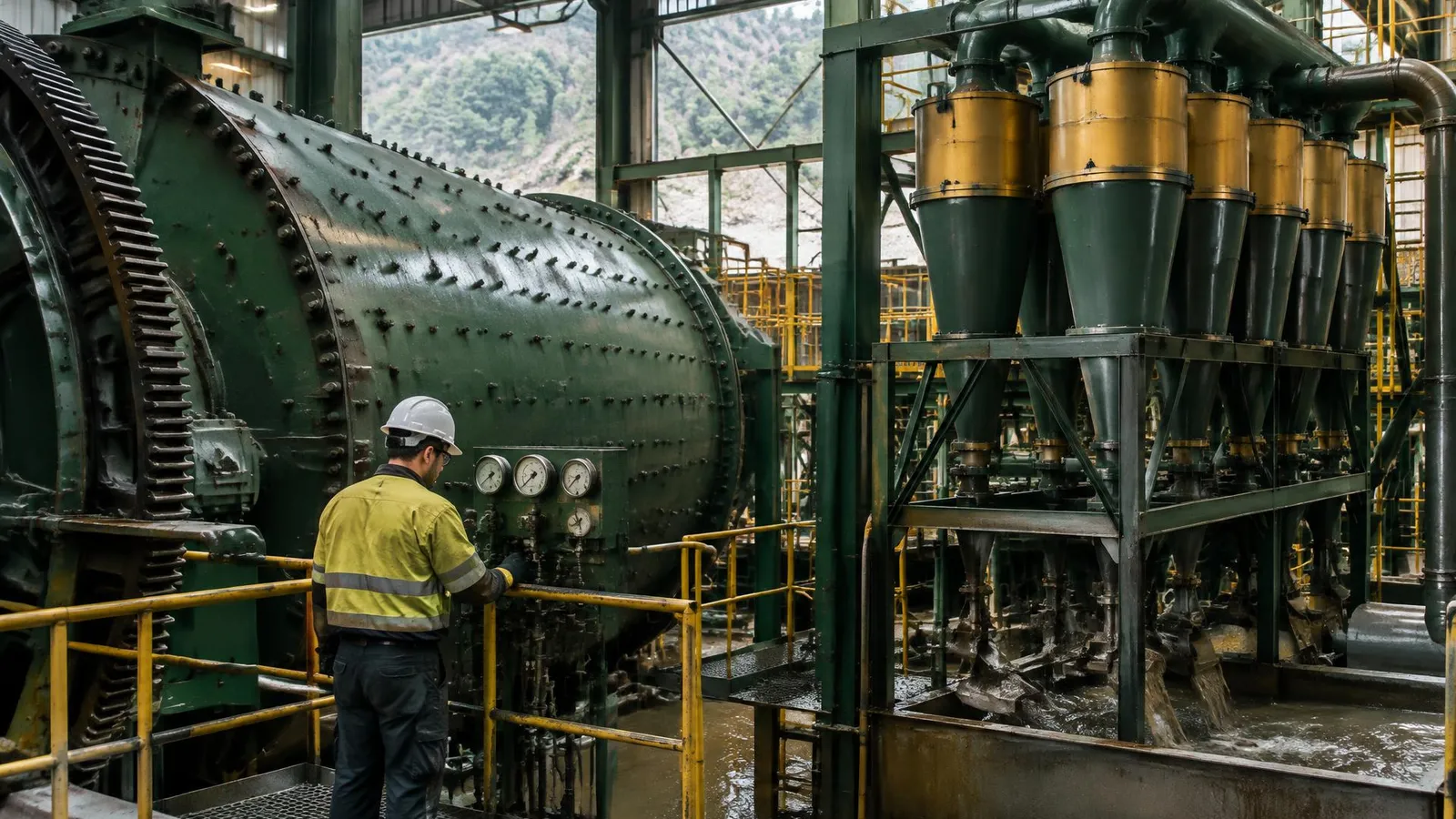
All-in sustaining cost (AISC) is a standard measure of what it costs to produce an ounce of gold and keep the mine running, introduced by the World Gold Council in 2013 and since updated. It matters because it is the figure buyers use to compare mines, and because the difference between AISC and the gold price is, roughly, the margin a mine earns before growth capital and taxes.
Included in AISC (WGC guidance)
- Site operating costs, net of by-product credits
- Royalties and production taxes
- Sustaining capital, including production-phase stripping
- Corporate general and administrative costs
- Lease payments and share-based pay supporting current operations
Excluded from AISC
- Capital for new mines or major expansions
- Acquisition and divestment costs
- Impairments and other special items
- Stream and other structured transactions
- Corporate income taxes
Private Brazilian mines rarely report AISC. Build it yourself from the accounts and plant records, using the World Gold Council's definitions, so that you can compare the mine with listed peers on equal terms. If the seller supplies an AISC figure, ask for the reconciliation to the financial statements, as the WGC guidance itself recommends.
§ 04 · Market approach
How do comparable deals help value an operating gold mine in Brazil?

Comparable deals anchor the valuation in what buyers have actually paid. Analysts often express them per ounce of reserves or resources, which allows a rough comparison between mines of different sizes. The figure is crude, because it ignores grade, cost and mine life, but it quickly shows whether an asking price is in the right universe.
| Transaction | Assets | Reported terms | Stage |
|---|---|---|---|
| CMOC – Equinox Gold (agreed December 2025) | Aurizona (MA), RDM (MG), Bahia complex (Fazenda and Santa Luz) | Up to US$1.015 bn: US$900 m upfront plus up to US$115 m contingent; about 3.9 Moz reserves, 5.0 Moz resources; 2024 output about 247,000 oz | Producing |
| G Mining Ventures – Eldorado Gold (2021) | Tocantinzinho (PA) | US$110 m, of which US$60 m deferred to the first anniversary of commercial production | Development project |
| Hochschild (2024) | Monte do Carmo (TO) | US$60 m | Development project |
A simple division illustrates the method, not a valuation: US$1.015 billion over about 3.9 million ounces of reserves is roughly US$260 per reserve ounce, or about US$200 per resource ounce. Those figures reflect three operating mines with a large, documented reserve base, an established operator and the gold price at the time. A small private mine with uncertain reserves and no audited history would not command the same multiple.
Development projects sell for less per ounce because the buyer still carries construction, financing and ramp-up risk. That is why the Tocantinzinho price was partly deferred until production began: the seller shared the risk that the mine might not be built on time.
§ 05 · Brazil
Which Brazil-specific factors change the value of an operating gold mine?
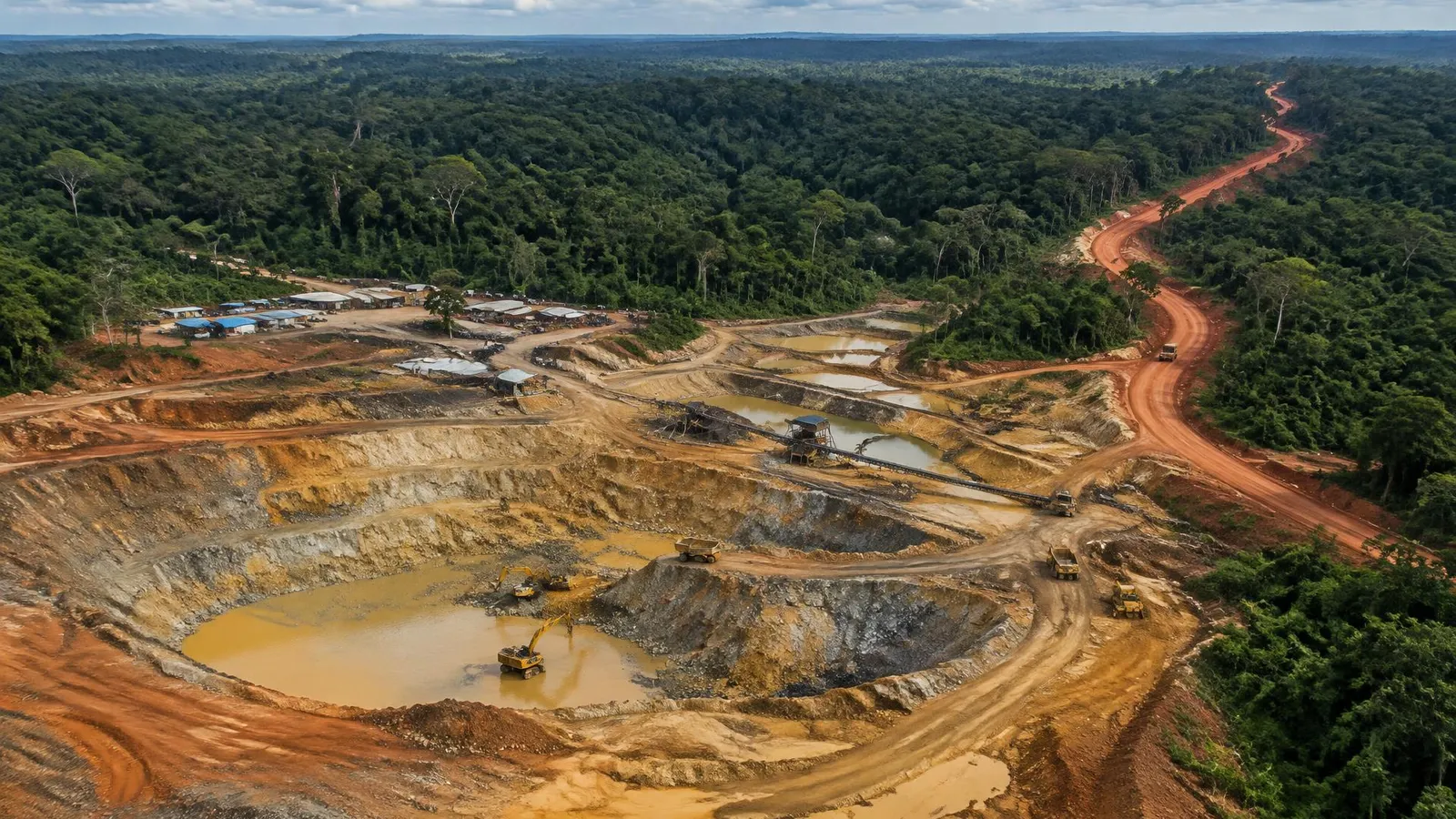
Brazil adds its own lines to the model: the CFEM royalty, the landowner's share, the corporate tax rate and available incentives, the real-dollar exchange rate, licence and dam status, and title risk. Each one can move the value of an operating gold mine materially, and foreign buyers sometimes model them generically.
- Royalties. CFEM on gold is 1.5%. The landowner is entitled to a share of the results by law, and some mines carry private royalties or streams on top.
- Taxes and incentives. The standard combined rate of IRPJ and CSLL is 34%. Projects in the SUDAM (Amazon) and SUDENE (Northeast) regions may qualify for a reduction of income tax on operating profit, subject to approval and time limits. Have a Brazilian tax adviser confirm eligibility.
- Currency. Gold is priced in dollars while most costs are in reais. A weaker real tends to widen the margin; a stronger real compresses it. Model both.
- Licences and dam. A licence close to expiry, conditions not being met or a dam classified as high risk add cost and delay. They belong in the model as capital and time, not only as a footnote.
- Title. A concession in good standing is the base case. Pending obligations, disputes or a PLG behind the story change the risk, and therefore the discount rate or the price structure.
Location matters, too. Power supply, road access in the rainy season, distance to a refinery or export route, and security in some Amazon districts all affect costs and continuity. For an overview of the legal structure a foreign buyer will use, see can foreigners buy a mine in Brazil.
§ 06 · Pitfalls
What do sellers most often overstate in a gold mine valuation?
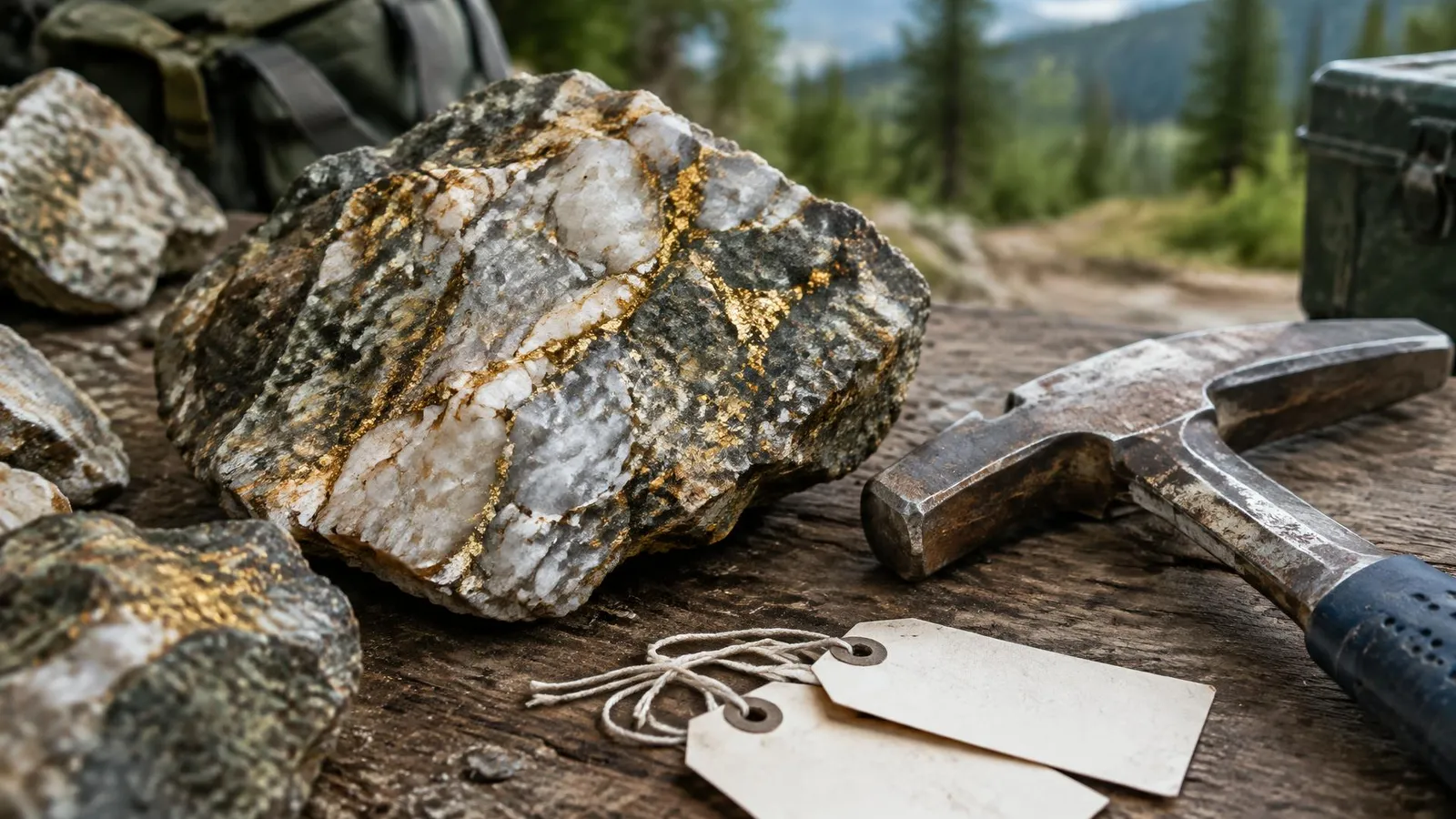
Sellers most often overstate four things: the ounces that count, the grade, the plant's real capacity and the gold price. Each one inflates the value in a way that a document review can detect.
Resources counted as reserves
Only reserves, with a mine plan, belong in the base case. Inferred resources are speculative, and historical estimates are not current resources.
Best samples, not the average
Spectacular assays from selected samples are not the grade the mill will see. Use the reserve grade and the plant's actual head grade.
Nameplate, not actual
A plant built for a given throughput may never have reached it. Value on demonstrated throughput and recovery.
Peak gold price
Using today's price for the whole mine life ignores the cycle. Buyers use a price deck and sensitivities.
The vocabulary problem matters here as well. NI 43-101 and JORC are reporting standards. A teaser that describes reserves as “certified” is usually quoting an old or partial report, or none at all. Before any reserve figure goes into a model, ask for the report, its date, its qualified or competent person and the gold price it assumed. Our articles on NI 43-101 and historical estimates and on JORC versus Brazilian ANM reports explain how to read them.
Gold in tailings is a special case. Old tailings can contain recoverable gold, and some Brazilian operations reprocess them profitably. But tailings gold needs its own sampling, metallurgical testing and licensing, and it should be modelled separately from the main ore body, never simply added to the reserve.
§ 07 · Data
What data do you need to value an operating gold mine?
To value an operating gold mine you need technical, operating, financial and legal data, organised so that each assumption in the model points to a source. The checklist below is what we expect to see in a data room before a buyer can price a Brazilian gold mine responsibly.
Valuation data room for a Brazilian gold mine
- Current NI 43-101 or JORC technical report, or the ANM research report and economic plan with an independent review
- Life-of-mine plan and schedule consistent with the reserves
- Monthly production data for at least three years: tonnes mined and milled, head grade, recovery, ounces poured
- Electronic gold invoices, CFEM receipts and buyer or refinery statements for the same period
- Audited or reviewed financial statements and a cost breakdown that allows AISC to be calculated
- Capital expenditure history and the sustaining capital forecast
- Operating licence, its conditions and compliance reports; tailings dam records
- Mine closure plan with cost estimate
- All royalty, stream, offtake, debt and guarantee agreements
- ANM concession file, corporate documents and tax and labour clearance certificates
Gaps in this list do not always kill a deal, but they change its structure. Where the evidence is thin, buyers protect themselves with deferred or contingent payments, as in the Tocantinzinho and CMOC–Equinox terms, with escrow, or with a lower upfront price and a royalty to the seller. A seller who wants the full price upfront should be able to fill the list.
§ 08 · Our method
How BRAZIL MINE supports the valuation of an operating gold mine

We do not sell valuations, and we do not replace an independent valuer or qualified person. What we do is make sure the inputs a valuer needs are real before a buyer spends money on them: the concession, the licence, the dam, the production paper trail and the corporate file. Our founder is a mathematician and land surveyor, and the title and boundary checks are done in-house.
- Verification before presentation: we present a gold mine as operating only when the documents support it.
- KYC and NDA before confidential information is shared.
- Structured data room following the checklist above.
- Buyer's own experts for valuation, technical, legal and tax work.
- No advance fees, and payments only through banks against signed documents.
Valuing an operating gold mine in Brazil?
Send us the asset's ANM process number or the teaser you received. We will tell you which documents exist, which are missing and what that means for the price.
Request a confidential reviewSee current opportunities on our gold mines for sale in Brazil page, and read how to verify a gold mining concession before you model anything.
§ FAQ
Frequently asked questions
How much is an operating gold mine in Brazil worth?
It depends on reserves, grade, recovery, costs, mine life, gold price and risk. Professionals value it by discounting its future cash flows and cross-checking with comparable transactions. Ounces multiplied by the spot price is not a valuation.
What is the price per ounce for gold mines in Brazil?
There is no fixed figure. As a reference, CMOC's agreed purchase of Equinox Gold's Brazilian operations implies roughly US$260 per reserve ounce by simple division. Smaller or less documented mines usually trade lower.
What is AISC?
All-in sustaining cost, a World Gold Council metric introduced in 2013. It adds sustaining capital, royalties and corporate costs to site operating costs, so that mines can be compared on a consistent basis.
Which valuation codes apply to mineral properties?
The CIMVal Code in Canada (2019 edition) and the VALMIN Code in Australia (2015 edition) are the main references. Both recognise the income, market and cost approaches.
What taxes affect a gold mine's value in Brazil?
The CFEM royalty of 1.5% on gold, the landowner's share, and corporate income taxes at a standard combined rate of 34% (IRPJ and CSLL). Projects in the SUDAM and SUDENE regions may qualify for income tax incentives, subject to approval.
Should inferred resources be included in a valuation?
Not in the base case. Inferred resources have low geological confidence. They can be shown as upside, separately, but the main valuation should rest on reserves and a mine plan.
Who should prepare the valuation?
An independent, qualified valuer working with a qualified or competent person for the technical inputs. The buyer should commission its own valuation rather than rely on one supplied by the seller.
How does the exchange rate affect a Brazilian gold mine?
Gold revenue is effectively in US dollars while most costs are in Brazilian reais. A weaker real usually improves margins and a stronger real reduces them, so the model should test both.

Mathematician, Land Surveyor and Licensed Real Estate Broker · CRECI-TO 4631
BRAZIL MINE — Mining & Minerals
Keep reading