Gold · Global · refiners, dealers, family offices
How to buy physical gold from Brazil: a compliance guide for international buyers

Few sentences move a buyer like “we have gold available in Brazil”. Few attract more fraud. The difference between a real trade and a write-off is not the price or the photo of the bars. It is three documents, one independent assay and one payment rule. This guide sets them out, together with the way we handle the gold lots we currently offer in São Paulo.
Key takeaways
- In Brazil, gold destined for the financial market is a financial asset from the moment it is extracted (Law 7,766/1989). Its trade is regulated and must carry an invoice and an identified origin.
- Since 3 July 2023, an electronic gold invoice has been mandatory for gold treated as a financial asset or exchange instrument (Normative Instruction RFB 2,138/2023).
- Since March 2025, buyers no longer benefit from a legal presumption of good faith in Brazil. They must verify where the gold comes from.
- A serious trade follows a fixed order: identification of the parties, letter of intent, inspection and independent assay, and payment against delivery through banks.
- We offer lots of up to 1,000 kg of refinery gold bars in São Paulo, with invoice, documented origin and spot payment against delivery.
In this article
Brazil is a significant gold producer and a steady exporter. A 2022 supply-chain study based on importing countries' records found that, in 2020, Brazilian gold went mainly to Canada (about 35% of the value), Switzerland (17%), the United Kingdom (16%), the United Arab Emirates (8%), Italy (8%), India (5%) and the United States (4%). Behind those figures are refiners, banks and bullion dealers that buy under contracts, audits and traceability rules.
Alongside that market sits another one: offers circulating on WhatsApp and email, with “tonnes of gold” available, impossible discounts and banking acronyms nobody explains. It has made many serious buyers wary of anything that comes from Brazil. This guide serves both purposes. It helps you recognise a genuine trade, and it helps you discard a false one in minutes.
Market-specific guides follow this one: for Dubai and the Gulf, for Switzerland, the UK and Europe and for Canada and the United States.
§ 01 · The offer
Lots of up to 1,000 kg in São Paulo: how we work
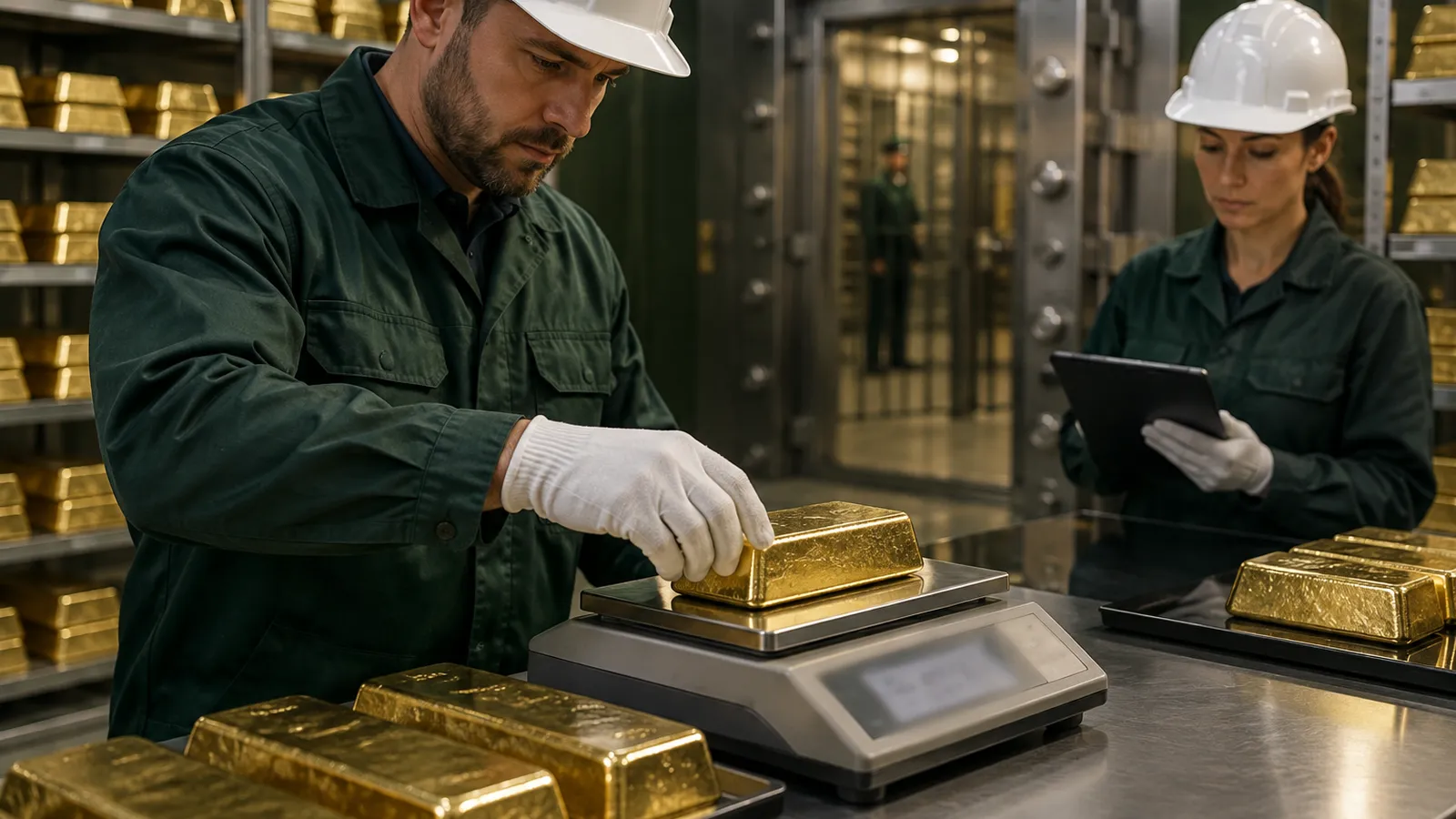
BRAZIL MINE represents physical gold lots of up to 1,000 kg, available for delivery in São Paulo, Brazil. We present them only to identified buyers and only under the procedure described in this guide, which is the same procedure we would demand if we were on the buy side.
Refinery bars
Refined gold in bars, each with a serial number and the refiner's assay certificate.
Invoice and origin
Brazilian electronic invoice and documented mine origin, with the mining title identified.
Formal seller
The gold is held by a formal Brazilian holder: a Central Bank-authorised institution or an incorporated company with a CNPJ tax number.
Spot, against delivery
Spot payment at delivery, always through banking channels. No physical cash and no advance fees.
Availability is confirmed transaction by transaction. What does not change is the procedure: nobody sees the gold before identifying themselves, nobody pays before inspection and nobody delivers without being paid through a bank.
§ 02 · The law
Brazil's gold rules in five minutes
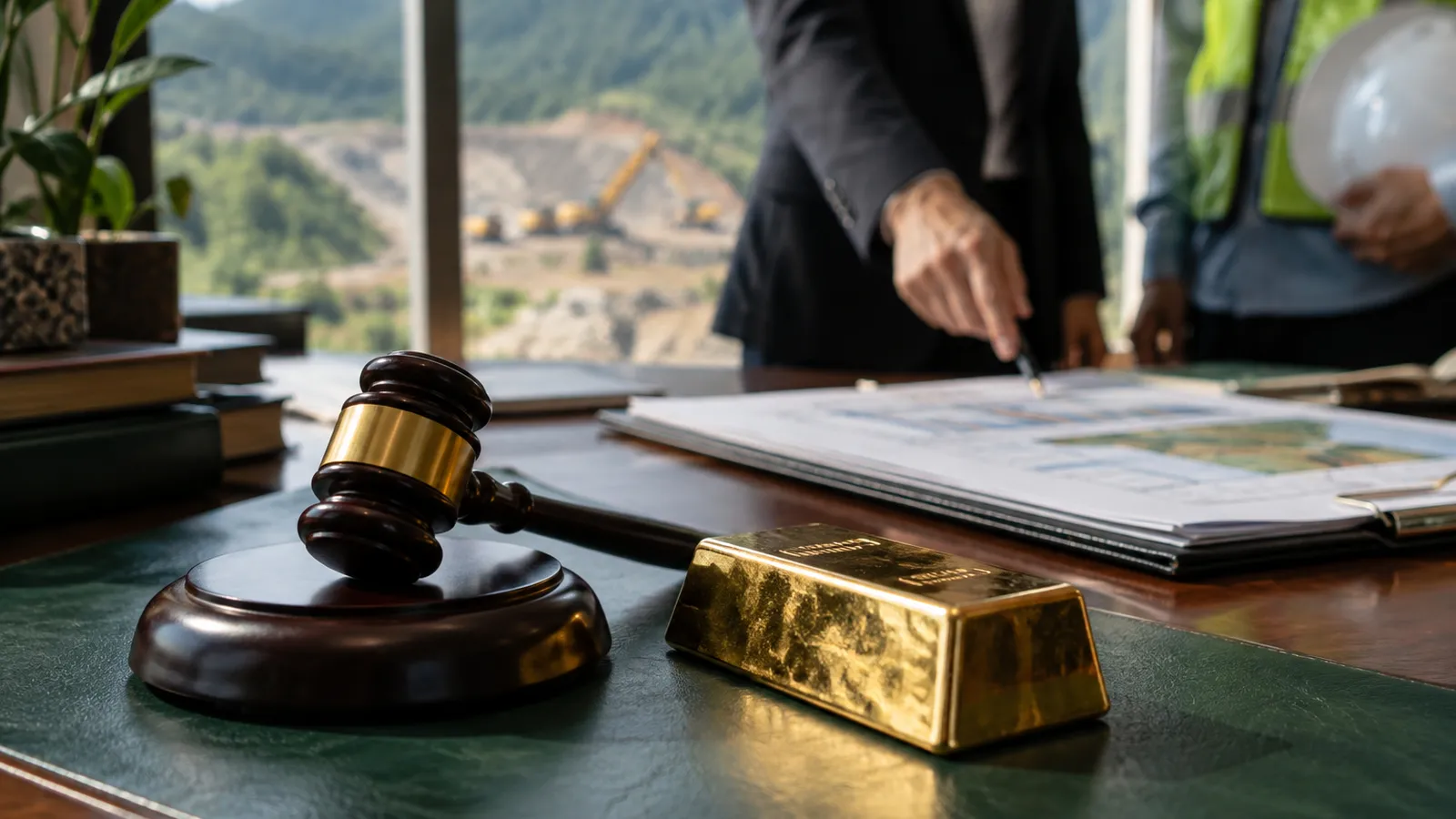
Brazil treats gold in a particular way. When destined for the financial market or exchange policy, gold is a financial asset from extraction onward, in any degree of purity, and it is traded through financial institutions authorised by the Central Bank of Brazil. The founding rule is Law 7,766/1989.
| Rule | What it establishes |
|---|---|
| Law 7,766/1989 | Gold for the financial market is a financial asset from extraction; its transport and transactions must be covered by invoices; the purchase invoice states the municipality and state of origin; IOF tax at 1% on the first acquisition |
| Normative Instruction RFB 2,138/2023 | Made the electronic gold invoice mandatory from 3 July 2023 for gold treated as a financial asset or exchange instrument |
| Law 12,844/2013, art. 39 | The seller must provide data on the mine, the municipality and the extraction title; the buying institution keeps the records for 10 years |
| Supreme Court, ADI 7,273 and 7,345 (24 March 2025) | Struck down the presumption that gold is legal and that the buyer acted in good faith. Buyers must verify origin |
| Law 9,613/1998 | Brazil's anti-money-laundering law; traders in precious metals have identification and reporting duties |
The practical consequence is simple. A gold lot without an invoice, without an identified origin or without a formal holder is not a discount. It is a problem. It can be seized, it can damage the buyer's standing with its refiner and its bank, and it can make the buyer part of an investigation.
Who may buy and sell gold in Brazil
When gold is handled as a financial asset, its first acquisition from the mine is made by an institution authorised by the Central Bank, which issues the purchase invoice and pays the IOF tax. Duly constituted garimpeiro cooperatives can also be authorised to buy at source. After that first acquisition, the gold circulates with its invoice. For a buyer, the question is not whether the seller is a bank, but whether the chain from the mine to the current holder is documented at every step.
§ 03 · The paperwork
The documents every gold lot must have
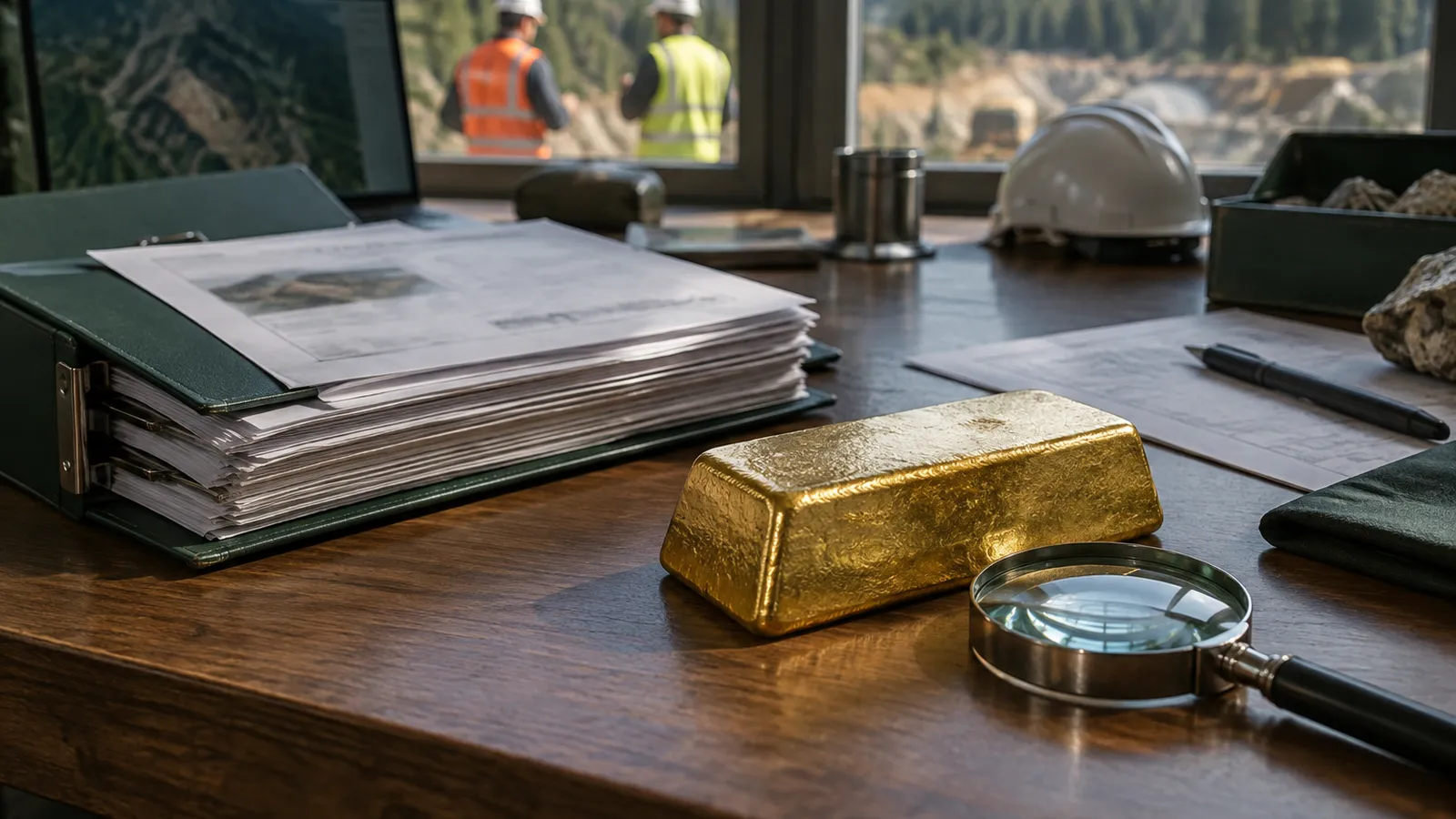
Ask for these documents before you discuss price. A genuine seller has them in order. An intermediary without access to the gold will start by asking for your proof of funds.
Minimum documentation for a lot
- Electronic invoice for the current holder's purchase of the gold
- Origin: the mine or mining titles of origin, with ANM process numbers and municipality
- Assay certificate from the refiner, with fineness, weight and serial number of each bar
- Holder identification: company name, CNPJ, standing with the Federal Revenue and, for a financial institution, its Central Bank authorisation
- Custody: the vault, refinery or institution where the gold sits, with its custody statement
- Mandate: a power of attorney signed by the holder if the offer comes through an intermediary
Refinery bars are not doré
Doré is the bar poured at the mine, containing gold, silver and other metals; its fineness varies and it always needs refining. A refinery bar carries certified fineness and a serial number. Many offers blur the two, quoting the price of one with the product of the other. Always ask which it is and request the matching certificate.
If your destination refiner or vault requires a specific delivery standard, such as LBMA Good Delivery, check in advance whether the bars offered meet it or whether they will need re-refining, with its cost and timing.
§ 04 · Red flags
The most common physical-gold frauds and how to spot them
Gold frauds follow well-known scripts. Knowing them is the cheapest protection available.
The release fee
You are asked to pay an “export tax”, insurance, a customs fee or a certificate before you see the metal. Another fee follows. The gold never appears.
The impossible discount
Gold offered far below the international price. Nobody holding legal, documented gold sells at a deep discount: any refiner would buy it at market.
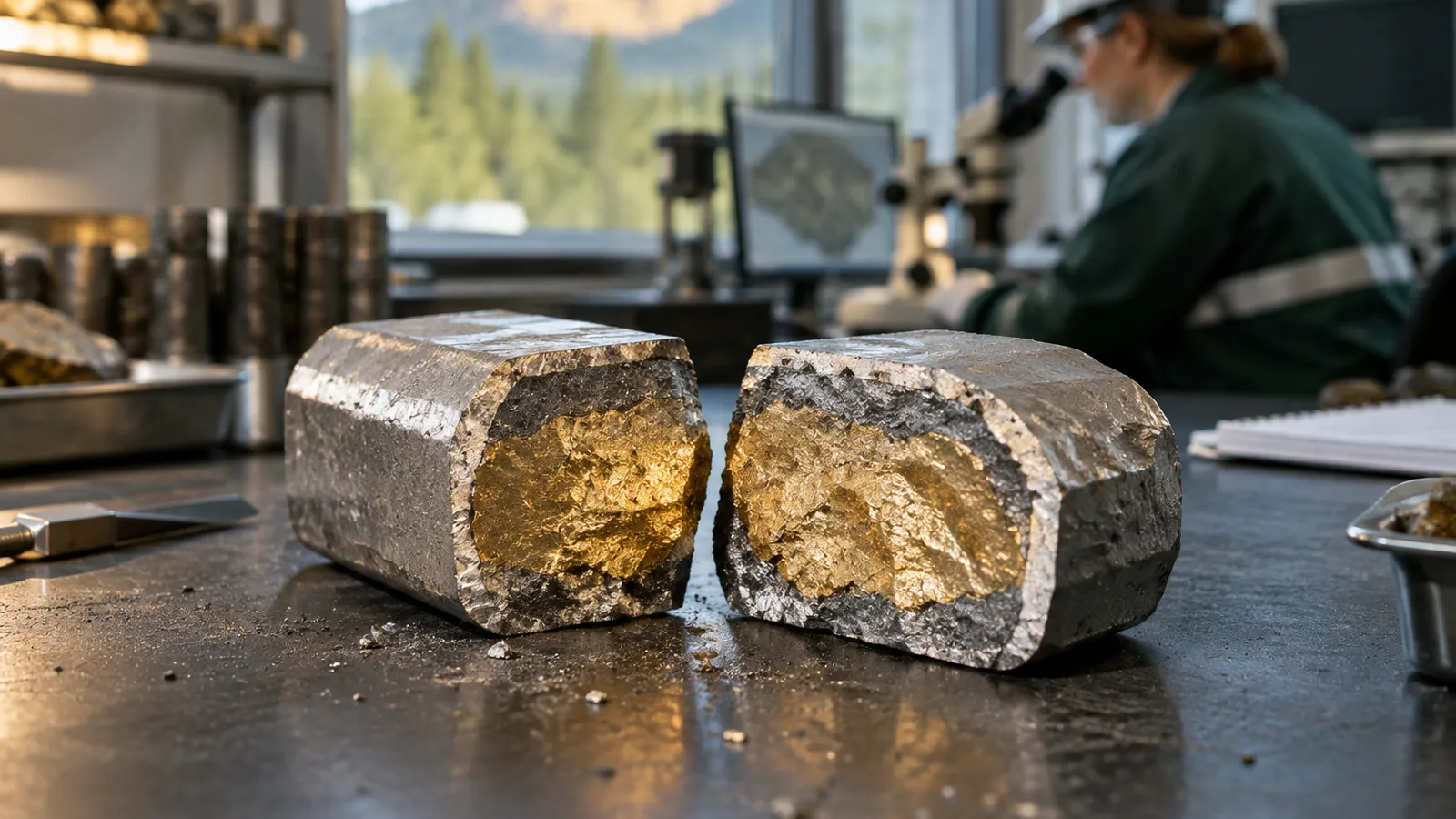
The filled bar
Bars with a tungsten core or another metal of similar density, plated with gold. Only destructive assay or specialist techniques reveal it.
Banking paperwork
Acronyms such as SKR, POF, MT103, NCNDA or IMFPA used to create the illusion of a formal market. Real gold trades do not close on these documents.
The fake certificate
Assay or custody certificates bearing well-known laboratory logos that the laboratory does not recognise. Always confirm with the issuer through an independent channel.
The endless chain
Ten intermediaries between you and the gold, none with a signed mandate. If nobody can show a power of attorney from the holder, the holder probably does not exist.
None of these signals proves fraud on its own. Two or more together justify walking away. In every case the answer is the same: insist on the procedure in the next section. A genuine seller accepts it; a fraudster disappears.
§ 05 · The method
The safe procedure, step by step
- 01
Identification of the parties (KYC)
Buyer and seller provide corporate documents, ultimate beneficial owners and licences. No sensitive information is exchanged before this.
- 02
Confidentiality and commission agreement
An NDA is signed and, where intermediaries are involved, an agreement setting out each group's commission in writing before the parties are introduced.
- 03
Letter of intent
The buyer states volume, payment method, delivery point and timetable. The seller replies with a formal offer and the lot's documentation.
- 04
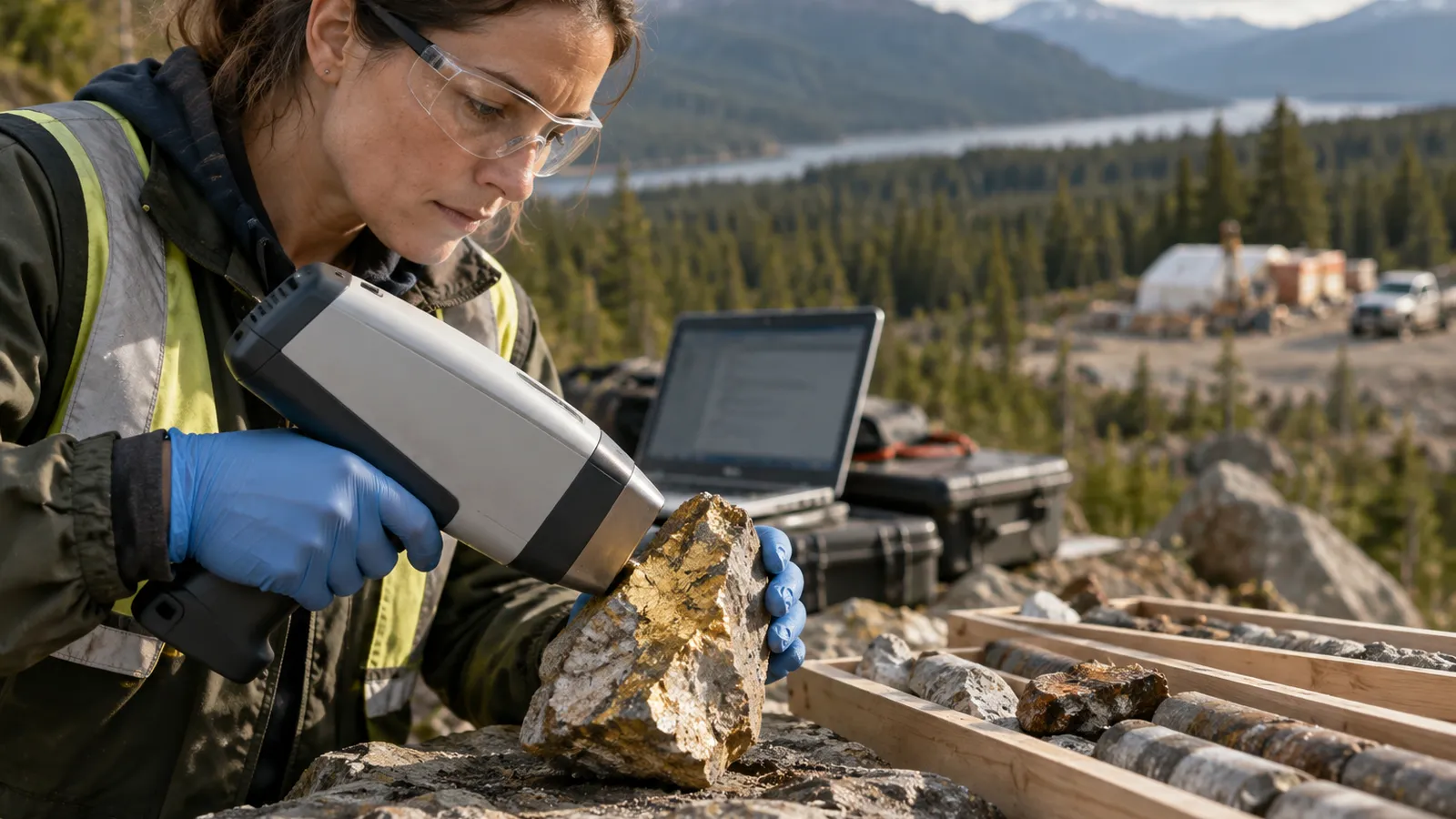
Inspection and independent assay
In São Paulo, at the custody location, a laboratory or refiner chosen by the buyer verifies weight, fineness and serial numbers. Who pays for the assay is agreed beforehand.
- 05
Sale and purchase agreement
Price, fineness adjustments, delivery terms, documents, liabilities and governing law.
- 06
Payment against delivery
Spot payment, through banks, at delivery, using escrow or delivery-versus-payment between institutions.
- 07
Post-trade documents
The sale invoice and, if the gold leaves Brazil, the corresponding export documentation.
In gold, the procedure does not slow the deal down. It is the deal. A seller who will not accept the procedure never had gold to sell.
Itanay Sabino, BRAZIL MINE
Most of the elapsed time in a gold transaction is compliance review on the buyer's side. We therefore send the origin file after KYC and the NDA, before any price commitment, so that review and negotiation run in parallel. Where intermediaries are involved, the commission agreement is signed at the same stage, so that nobody needs to hold back information to protect their position.
§ 06 · Logistics
Moving the gold out of Brazil
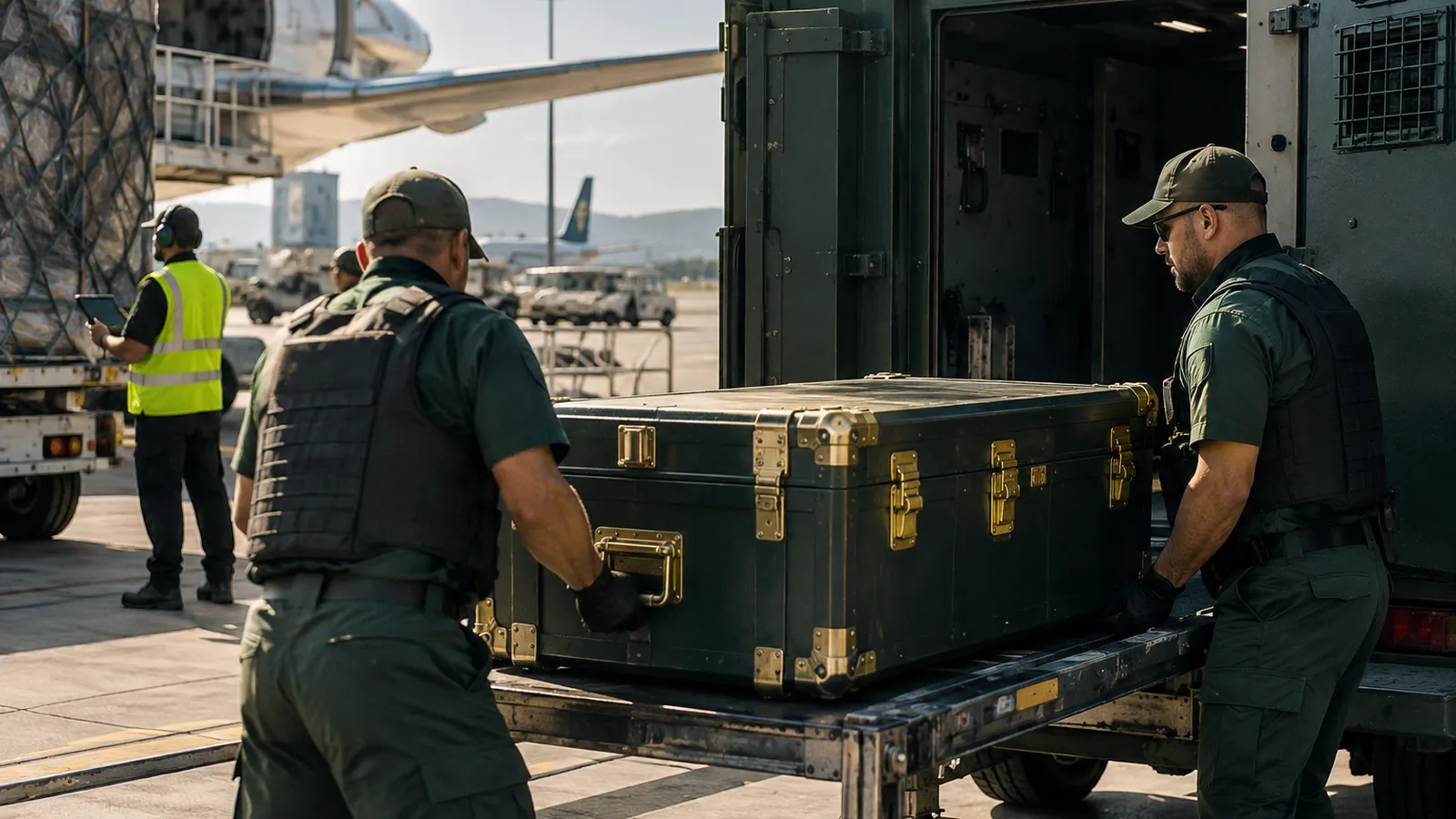
Buying in São Paulo is one step; landing the gold in Dubai, Zurich, London, Toronto or New York is another. Export must be carried out with Brazilian tax and customs documentation, by a specialist valuables carrier and with insurance to destination.
| Stage | Usually handled by |
|---|---|
| Invoice and origin documents | Seller or authorised institution |
| Export registration and customs clearance | Exporter, with its customs broker |
| Secure transport and insurance | Specialist valuables logistics company |
| Import at destination | Buyer, under its country's rules |
| Receiving assay | Buyer's refiner or laboratory |
Many buyers prefer to take delivery in Brazil and appoint their own logistics provider, so they control insurance and chain of custody. Others prefer delivered terms. Both are possible. What matters is that it is fixed in the letter of intent, not after payment.
§ 07 · The alternative
Buy the gold or buy the mine?

Buying physical gold
- Immediate, liquid and measurable asset
- Risk concentrated in origin and execution
- No exposure to future production
- Suits refiners, fabricators, reserves and resale
Buying a mine or project
- Exposure to years of production
- Title, licence, land and operating risks
- Longer timelines and deeper due diligence
- Suits mining companies, funds and industrial groups
Several of our buyers start with a physical-gold transaction and, once they know the Brazilian market, move on to projects and mines. For that path, read how to verify a mining concession and see our gold projects for sale in Brazil.
Looking for documented physical gold in Brazil?
Lots of up to 1,000 kg in São Paulo: refinery bars, invoice and origin documented, spot payment against delivery through banks. Tell us who is buying, how much and for what.
Request terms§ FAQ
Frequently asked questions
Can a foreign company buy physical gold in Brazil?
Yes, provided the transaction follows Brazilian rules: gold with an invoice, an identified origin and a formal seller, plus the proper export documentation if the gold leaves the country. The buyer's own import rules also apply.
How much gold does BRAZIL MINE offer?
Lots of up to 1,000 kg per transaction, in refinery bars, for delivery in São Paulo. Availability is confirmed for each transaction after the buyer has been identified.
How is payment made?
Spot, against delivery, always through banking channels. We do not work with physical cash or with advance payments from either side.
What is Brazil's electronic gold invoice?
It is the electronic tax document made mandatory from 3 July 2023 for transactions in gold treated as a financial asset or exchange instrument, created by Normative Instruction RFB 2,138/2023.
Can I inspect the gold before paying?
Yes, and you should. Inspection and an independent assay at the custody location in São Paulo come before the contract and before payment.
Are the bars LBMA Good Delivery?
That depends on the refiner of each lot and is confirmed with the documentation. If your vault or refiner requires Good Delivery bars, tell us at the start so we can confirm or price re-refining.
What changed with Brazil's 2025 Supreme Court decision?
On 24 March 2025, the Supreme Court struck down the presumption of legality of gold and of the buyer's good faith in Law 12,844/2013. Since then, buyers must actually verify the origin of the gold they buy.
Why distrust heavily discounted gold?
Because legal, documented gold has buyers at market price in any refinery. A deep discount usually means the gold does not exist, has no documents or has an origin the seller cannot show.

Mathematician, Land Surveyor and Licensed Real Estate Broker · CRECI-TO 4631
BRAZIL MINE — Mining & Minerals
Keep reading
Related insights

Brazilian gold for Dubai and the Gulf: what UAE responsible-sourcing rules mean for buyers
14 min read
Selling Brazilian gold into Switzerland, the UK and Europe: LBMA, OECD and the EU conflict-minerals rules
14 min read