Gold · Canada · United States · Australia
Brazilian gold for buyers in Canada and the United States: refinery acceptance, AML rules and logistics

Twenty years ago, Canada bought almost no Brazilian gold. By 2020 it was the single largest destination, taking about a third of the value of Brazil's exports. North American refiners, dealers and mints know Brazilian metal well, and they know its risks. This guide explains what they look for, what their anti-money-laundering rules require and how a documented lot moves from São Paulo to Toronto or New York.
Key takeaways
- According to importing-country data, Canada took about 35% and the United States about 4% of the value of Brazil's gold exports in 2020.
- Canadian dealers in precious metals report to FINTRAC; US dealers must keep a written anti-money-laundering programme under FinCEN rules.
- North American refiners apply OECD-based supply-chain due diligence and, where LBMA-accredited, the LBMA Responsible Gold Guidance.
- Brazil's electronic gold invoice and the 2025 end of the buyer's presumption of good faith mean compliant Brazilian sellers already hold the file North American buyers need.
- We offer lots of up to 1,000 kg of refinery bars in São Paulo with invoice and documented origin, against spot payment at delivery through banks.
In this article
A 2022 supply-chain study based on importing countries' records found that Canada's imports of Brazilian gold grew from practically nothing in 2000 to about 32 tonnes in 2020, making it the largest single destination, with roughly 35% of the value. The United States took about 4%. Canadian capital is also present at the source: Canadian-listed companies operate or develop several of Brazil's gold mines.
That closeness cuts both ways. North American refiners and dealers have the experience to buy Brazilian gold efficiently, and the experience to reject it quickly when the documents do not hold together. This guide is written for buyers who want the first outcome.
Brazilian rules and the general purchase procedure are covered in our compliance guide to buying physical gold from Brazil.
§ 01 · The market
Why Canada became the main buyer of Brazilian gold

Canada's role reflects its refining capacity, its bullion market and the presence of Canadian mining companies in Brazil. Gold produced by Canadian-listed operators in Brazil, and gold bought from Brazilian holders, can be refined, minted or traded through an established network of institutions.
The same study reported that some Canadian refiners said they do not source gold from Brazil, while others did not respond. The lesson for a buyer is not that Canada closes its doors, but that each refiner sets its own policy and applies it through due diligence. A well-documented lot widens the choice of refiners; a poorly documented one narrows it to none.
Canadian miners on the ground in Brazil
Canadian-listed companies have built, bought or advanced gold operations across several Brazilian provinces in the last two decades, from Minas Gerais to Goiás, Tocantins and Pará. That presence matters for buyers of metal too: Canadian refiners and dealers are used to Brazilian documents, Brazilian invoices and the ANM's mining registry, and many have compliance staff who read Portuguese records without difficulty.
It also means competition. Documented Brazilian gold already has buyers in Canada. A seller offering a lot to a new North American counterparty is effectively asking it to match terms that established refiners already offer. That is why speed of documentation, not price, is usually what wins the trade.
§ 02 · The rules
Anti-money-laundering duties for North American gold buyers
Canada · FINTRAC
- Dealers in precious metals and stones are reporting entities when they buy or sell precious metals worth CA$10,000 or more in a single transaction
- Compliance programme, client identification, record keeping and suspicious-transaction reporting
- Large cash transactions are reportable
United States · FinCEN
- Dealers in precious metals must keep a written AML programme approved by senior management
- Risk assessment covering products, customers, suppliers and geography
- A designated compliance officer, ongoing training and independent testing
Both regimes emphasise the same points: know who you are buying from, understand where the metal comes from, watch for unusual payment methods and secrecy, and be ready to refuse or end a transaction. US rules explicitly list reluctance to provide business information, unusual payment methods and requests for secrecy among the red flags dealers must watch for.
What these rules mean for the documents you request
Neither FINTRAC nor FinCEN prescribes a Brazilian document list. They require a risk-based programme, and Brazilian gold sits in a higher-risk category in most risk assessments because of illegal mining in the Amazon. A risk-based programme therefore expects more evidence for a Brazilian lot than for a lot from a long-standing domestic supplier: identification of the mine, the invoice chain, the seller's beneficial owners and confirmation that payment will move only between regulated banks.
For a buyer, the practical test is simple. If you could not hand the seller's file to your compliance officer, your bank and your auditor without explanation, the file is not complete yet.
§ 03 · The refinery
What a North American refiner will ask about a Brazilian lot
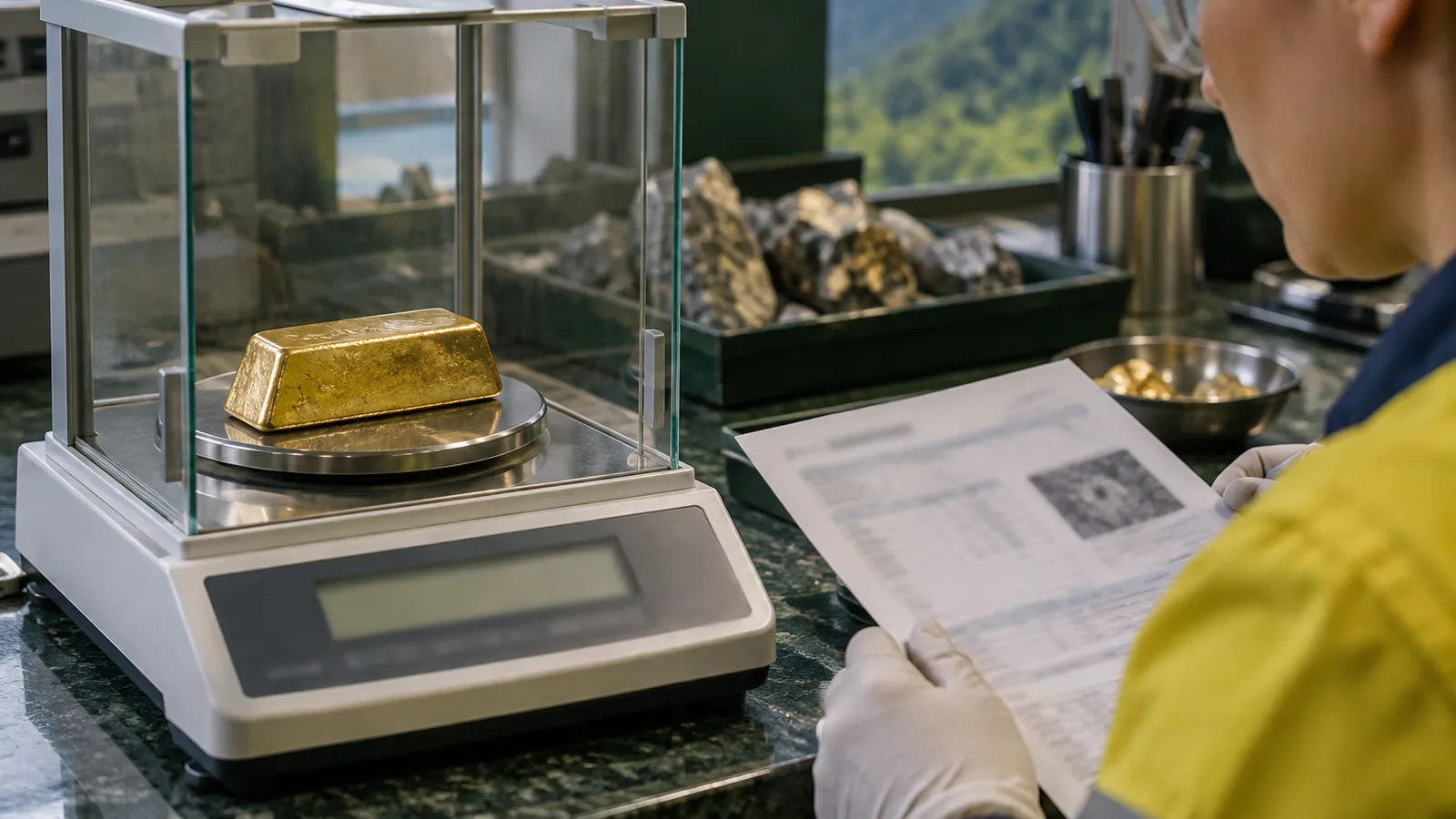
North American refiners apply OECD-based supply-chain due diligence, and those accredited by the LBMA also follow its Responsible Gold Guidance. For Brazilian gold, that translates into a predictable request list.
Typical refinery request list
- Seller: registration, tax number (CNPJ), directors and ultimate beneficial owners
- Licence to trade: Central Bank authorisation for a financial institution, or the company's corporate purpose and tax standing
- Origin: mine and mining titles with ANM process numbers, holder and location
- High-risk exclusion: evidence that origin is outside indigenous lands and protected areas
- Invoice trail: Brazilian electronic gold invoice and prior invoices back to the mine
- Product: refiner, fineness, weight and serial numbers, with assay certificates
- Export: Brazilian export registration and customs clearance
Brazil's domestic changes help a compliant seller answer this list. The electronic gold invoice has been mandatory since 3 July 2023 for gold treated as a financial asset, and since the Supreme Court decision of 24 March 2025 Brazilian buyers can no longer rely on a presumption of good faith. The documents a Brazilian holder must now keep are, broadly, the documents a North American refiner wants.
Doré versus refinery bars
North American refiners buy both doré, the impure bars poured at mines, and refined bars from other refiners. Doré always needs refining and is priced on its assayed gold and silver content, net of refining charges. Refined bars may be resold as they are if they meet the buyer's delivery standard, or re-refined into the buyer's own products if they do not.
Our São Paulo lots are refinery bars, not doré. Whether a given lot meets a specific standard, such as LBMA Good Delivery or a mint's own specification, depends on the refiner that produced it and is confirmed with the documentation.
§ 04 · The offer
Our São Paulo lots for Canadian and US buyers
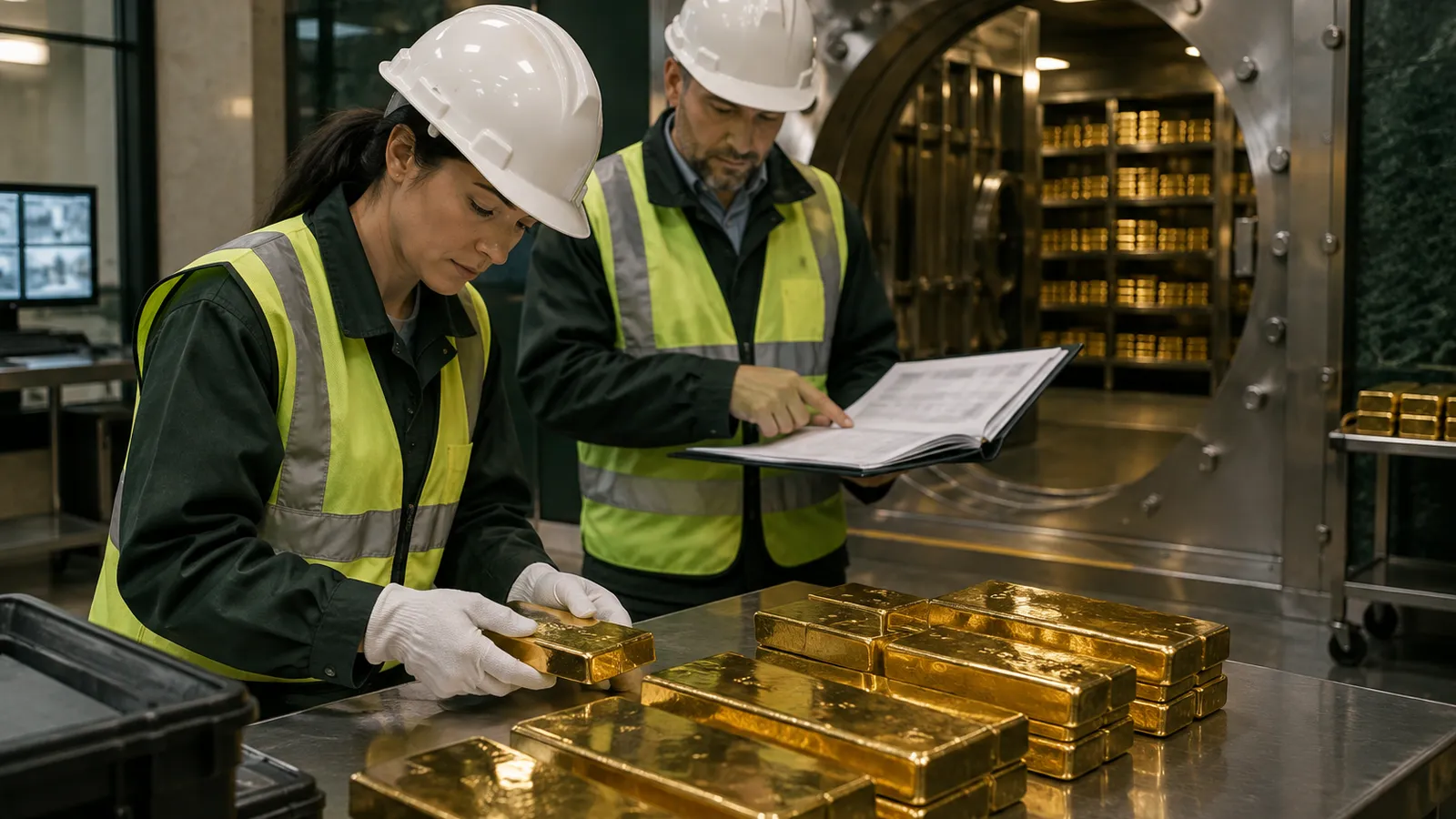
BRAZIL MINE represents lots of up to 1,000 kg of gold in refinery bars, for delivery in São Paulo.
| Requirement | What we provide |
|---|---|
| Know your supplier | Formal Brazilian holder: Central Bank-authorised institution or incorporated company with CNPJ |
| Origin due diligence | Mine of origin documented, with mining title identified |
| Tax and transport trail | Brazilian electronic invoice |
| Product verification | Refinery bars with serial numbers and assay certificates; independent assay in São Paulo before payment |
| Payment transparency | Spot payment against delivery, bank-to-bank only |
§ 05 · The route
From São Paulo to Toronto or New York: logistics and customs
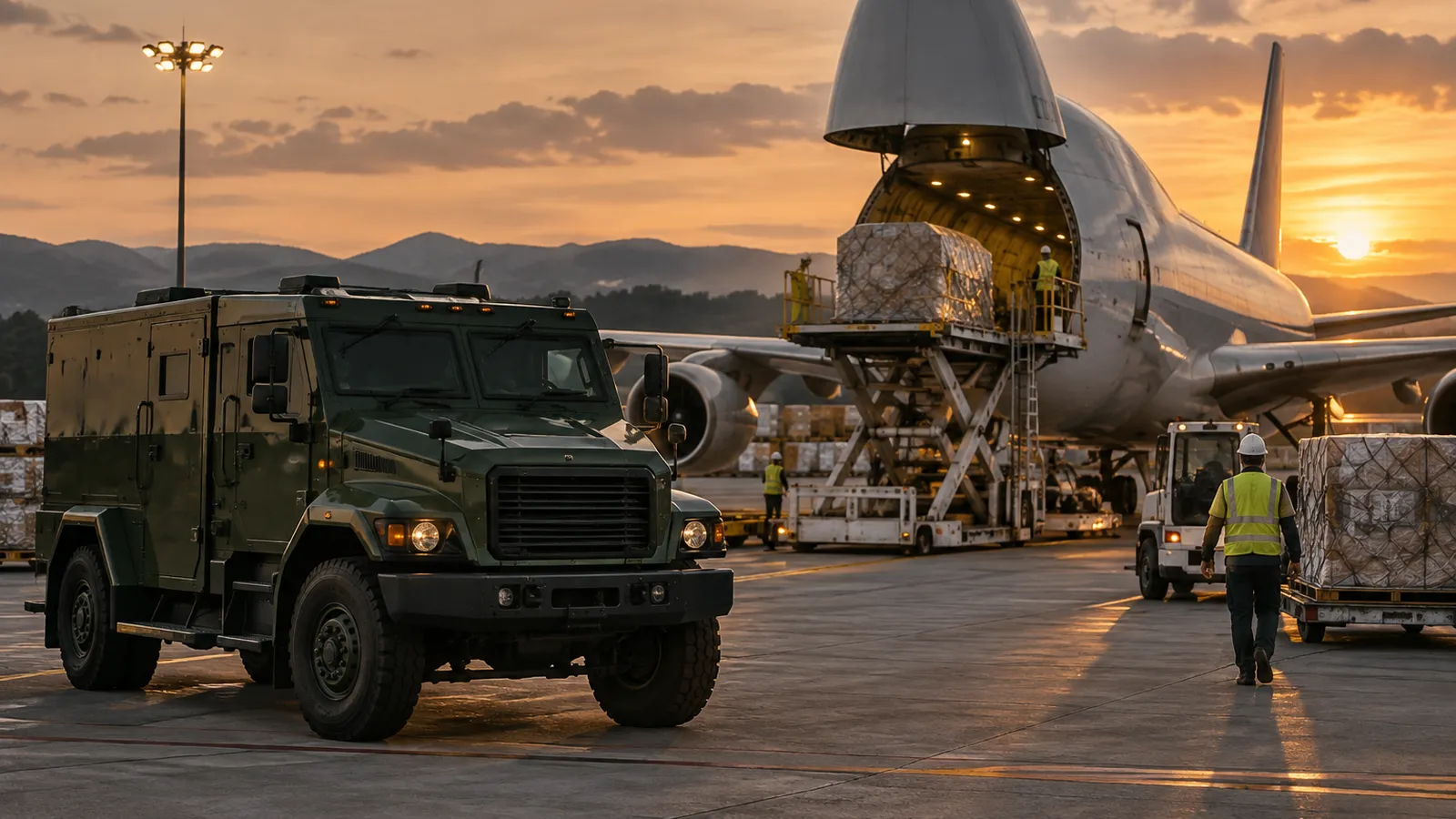
Gold travels from São Paulo to North America by secure air freight, handled end to end by specialist valuables carriers: collection from the vault, Brazilian export clearance, the flight, insurance and delivery to the receiving refinery or vault.
| Leg | Typically handled by |
|---|---|
| Collection at the São Paulo vault | Valuables carrier, with seller and buyer representatives |
| Brazilian export clearance | Exporter and its customs broker |
| Air freight and insurance | Valuables carrier and its underwriters |
| Import clearance in Canada or the US | Buyer, its customs broker and the carrier |
| Receiving assay | Receiving refiner or vault |
Buyers can take delivery in São Paulo and appoint their own carrier, or agree delivered terms. The choice belongs in the letter of intent. The receiving assay should be compared against the São Paulo assay under tolerances written into the contract.
Chain of custody does not stop at the vault door. Each container should be sealed in the presence of both parties' representatives in São Paulo, with seal numbers recorded on the shipping documents and checked again on arrival. Any discrepancy between seals, weights or serial numbers should stop the delivery until it is explained.
§ 06 · A note for Australia
Buyers in Australia
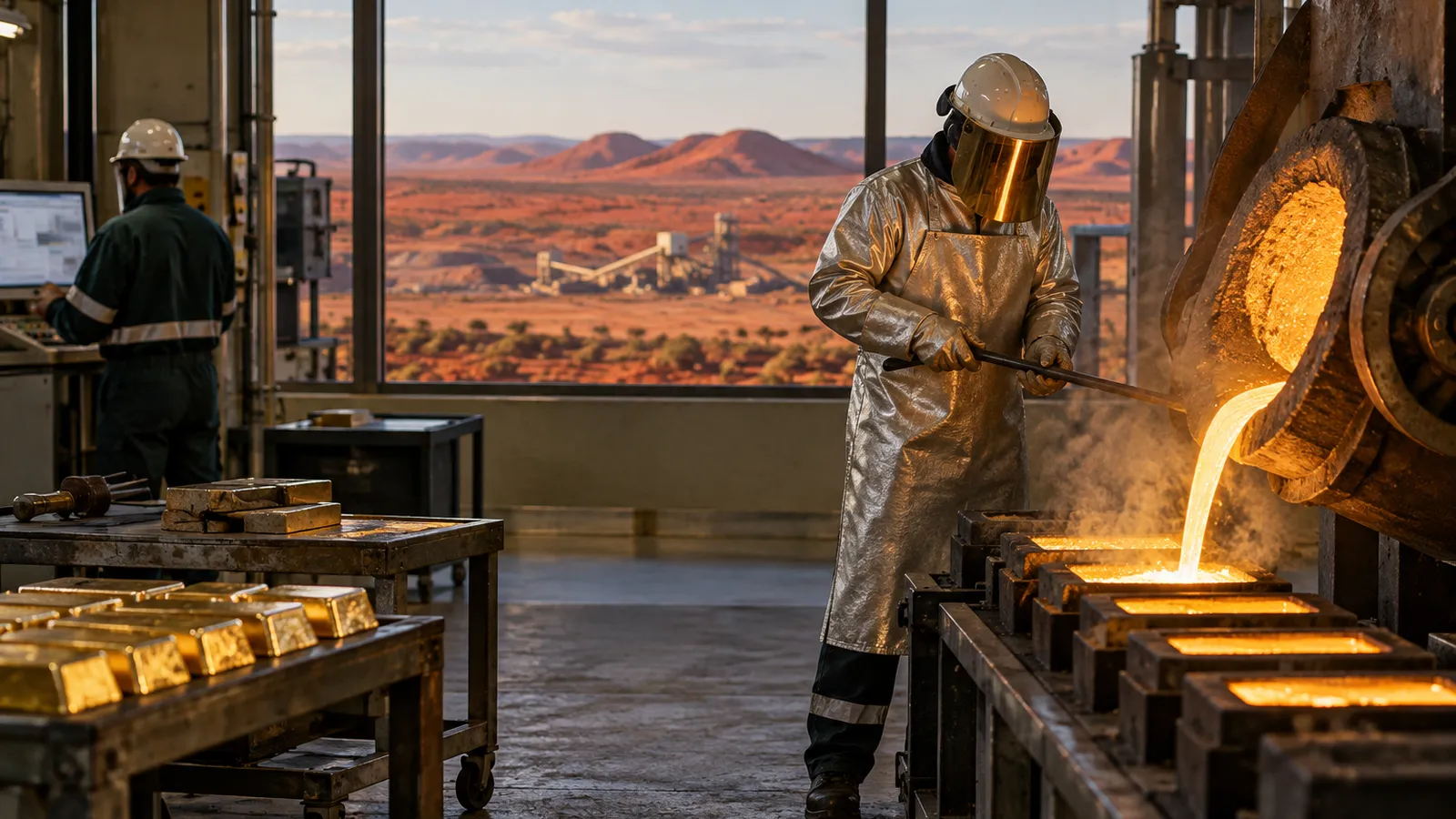
Australia is itself one of the world's largest gold producers and refiners, so Australian interest in Brazil is usually about mines and projects rather than bars. Bullion dealers in Australia are reporting entities under AUSTRAC's anti-money-laundering regime, and the same origin file described above applies to any physical purchase.
For Australian companies looking at Brazilian gold assets rather than metal, our guides on acquiring a gold project in Brazil and on JORC versus ANM reports are the better starting point.
§ 07 · The method
The procedure, start to finish

- 01
KYC on both sides
Corporate documents, beneficial owners and licences.
- 02
NDA and commission agreement
Signed by all parties, with each group's commission in writing, before introductions.
- 03
Compliance review
The buyer's team reviews the origin file before price is fixed.
- 04
Letter of intent
Volume, delivery standard, delivery point, payment mechanism and timetable.
- 05
Inspection and assay in São Paulo
By a laboratory or refiner nominated by the buyer.
- 06
Contract
Price, fineness adjustments, delivery terms, liabilities and governing law.
- 07
Spot payment against delivery
Bank-to-bank, using escrow or delivery-versus-payment.
Timing depends mostly on the buyer's compliance review. When the origin file is complete and both sides' banks are ready, the steps from letter of intent to delivery can move quickly; when documents are missing, no amount of commercial goodwill will speed them up. We therefore send the file before discussing price, so that the buyer's compliance team can start immediately.
North American buyers already know Brazilian gold. What they need is a Brazilian seller whose file holds up on the first read.
Itanay Sabino, BRAZIL MINE
Buying documented gold for Canada or the United States?
Lots of up to 1,000 kg in São Paulo, refinery bars with invoice and documented origin, spot payment against delivery through banks. Tell us who is buying and how much.
Request terms§ FAQ
Frequently asked questions
Is Canada a major buyer of Brazilian gold?
Yes. According to importing-country data, Canada was the largest destination in 2020, with about 35% of the value of Brazil's gold exports and roughly 32 tonnes imported.
What AML rules apply to Canadian gold dealers?
Dealers in precious metals and stones are reporting entities under FINTRAC when they buy or sell precious metals worth CA$10,000 or more in a single transaction, with duties covering compliance programmes, client identification, record keeping and reporting.
What AML rules apply to US gold dealers?
Under FinCEN rules, dealers in precious metals must maintain a written, risk-based anti-money-laundering programme with a compliance officer, training and independent testing.
How much gold does BRAZIL MINE offer?
Lots of up to 1,000 kg per transaction, in refinery bars, for delivery in São Paulo, with Brazilian electronic invoice and documented origin. Availability is confirmed per transaction after KYC.
Are the bars LBMA Good Delivery?
That depends on the refiner of each lot and is confirmed with the documentation. Tell us your required standard at the start so we can confirm it or price re-refining.
Are there US tariffs on gold from Brazil?
US tariff measures affecting Brazil have changed several times since 2025. Confirm the current treatment of gold bullion of Brazilian origin with a licensed US customs broker before contracting.
How is payment made?
Spot, against delivery, bank-to-bank, using escrow or delivery-versus-payment. There are no advance fees and no cash at any stage.
Can delivery be made in Toronto or New York?
Delivery is in São Paulo. The buyer can appoint its own valuables carrier, or delivered terms can be negotiated in the letter of intent.
Do Canadian refiners accept Brazilian gold?
Refiners set their own policies. Some have said they do not source from Brazil; others accept Brazilian gold with complete origin documentation. A well-documented lot widens the choice of refiners.
Is the gold sold as doré or as refined bars?
Our São Paulo lots are refinery bars with serial numbers and assay certificates, not doré.
Mathematician, Land Surveyor and Licensed Real Estate Broker · CRECI-TO 4631
BRAZIL MINE — Mining & Minerals
Keep reading
Related insights

How to buy physical gold from Brazil: a compliance guide for international buyers
15 min read
Selling Brazilian gold into Switzerland, the UK and Europe: LBMA, OECD and the EU conflict-minerals rules
14 min read