Gold · Switzerland · United Kingdom · European Union
Selling Brazilian gold into Switzerland, the UK and Europe: LBMA, OECD and the EU conflict-minerals rules
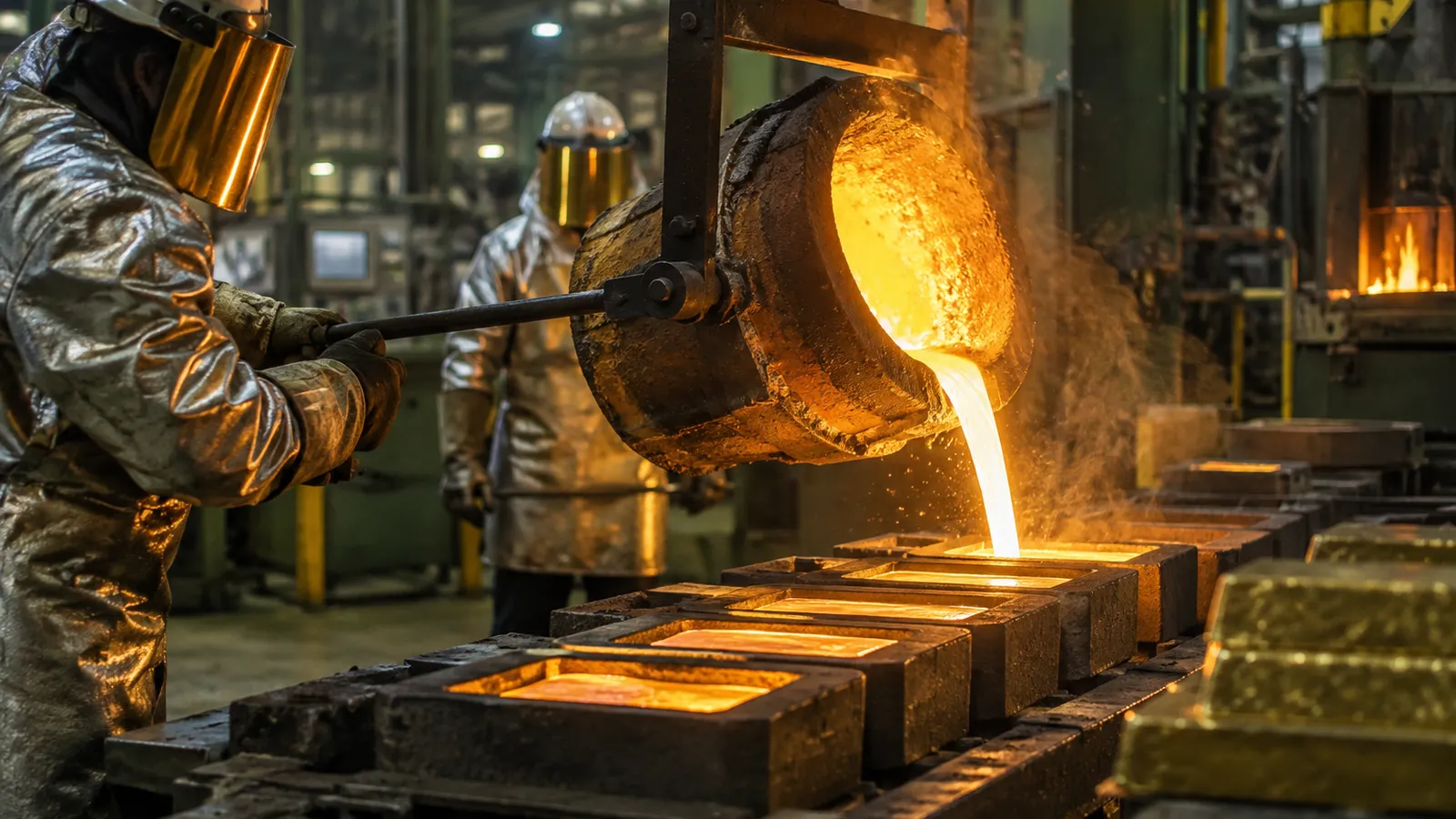
Europe's refiners helped build the modern gold market, and they now set much of its compliance standard. For a Brazilian lot to enter a Swiss, British or Italian refinery, the metal is the easy part. The hard part is a documented story that survives the refiner's due diligence, its auditor's review and, increasingly, public scrutiny. Here is what that story must contain.
Key takeaways
- In 2020, according to importing-country data, Switzerland took about 17%, the UK 16% and Italy 8% of the value of Brazil's gold exports.
- European refiners and importers work within OECD due diligence, and LBMA-accredited refiners also follow the LBMA Responsible Gold Guidance.
- Under EU Regulation 2017/821, applicable since 1 January 2021, importers bringing in 100 kg or more of refined gold a year must run OECD-based supply-chain due diligence and report on it.
- Several European refiners have publicly restricted Brazilian gold to industrial or mechanised mines, or stopped buying it. Documented mine origin is the price of entry.
- We offer lots of up to 1,000 kg of refinery bars in São Paulo with invoice and documented origin, against spot payment at delivery through banks.
In this article
A 2022 supply-chain study based on importing countries' records placed Switzerland, the United Kingdom and Italy among the main destinations of Brazilian gold in 2020, together with Canada, the UAE, India and the United States. The same study asked refiners in those countries about their Brazilian sourcing. Some said they buy Brazilian gold only from industrial or mechanised mines; others said they had stopped sourcing from Brazil altogether.
That is the European market in one line: open to Brazilian gold, closed to undocumented Brazilian gold. For a buyer, it means that a Brazilian lot is only worth the refiner's price if its origin can be proved to the refiner's standard.
Brazil's own rules and the general purchase procedure are in our compliance guide to buying physical gold from Brazil.
§ 01 · The market
Where Brazilian gold goes in Europe

| Destination | Share | Typical role |
|---|---|---|
| Canada | ≈35% | Refining and trading |
| Switzerland | ≈17% | Refining hub for global bullion |
| United Kingdom | ≈16% | London bullion market and vaulting |
| United Arab Emirates | ≈8% | Regional refining and trading hub |
| Italy | ≈8% | Refining for jewellery and industry |
| India | ≈5% | Jewellery and investment demand |
| United States | ≈4% | Refining and investment demand |
Each European market has its own character. Switzerland is the world's refining centre, where doré and bars from many countries are turned into investment-grade products. London is where much of the global wholesale market trades and stores bars. Italy's refiners serve one of the world's largest jewellery industries. All three share one feature: their refiners answer to auditors, banks and customers who ask where the gold came from.
Trade statistics cannot show the final destination of every bar, because gold is re-exported through hubs. The practical point for a seller is that a European buyer may be refining for customers elsewhere, and its due diligence will reflect their expectations too.
Italy, jewellery and the reputation question
Italy's refiners supply one of the largest jewellery industries in the world, and jewellery brands now publish sourcing policies of their own. A refiner selling to those brands must be able to show where its gold came from, and Brazilian police investigations into illegal gold supply chains in recent years have made that question sharper for Brazilian metal in particular. For a seller, the answer is the same as everywhere else in Europe: a named mine, an invoice trail and a formal holder.
§ 02 · The standards
OECD due diligence and the LBMA Responsible Gold Guidance

The common language of European gold compliance is the OECD Due Diligence Guidance for responsible supply chains of minerals. It organises due diligence in five steps, and both the EU regulation and the LBMA's own rules follow that structure.
- 01
Management system
Policy, responsibilities, internal controls and records.
- 02
Risk identification
Mapping the supply chain and identifying red flags in origin, transit and counterparties.
- 03
Risk response
A strategy to mitigate, suspend or end relationships according to the risk.
- 04
Independent audit
Third-party audit of the refiner's due diligence.
- 05
Reporting
Annual public reporting on policies and practices.
Refiners accredited by the London Bullion Market Association also apply the LBMA Responsible Gold Guidance, built on the same framework. In practice, an LBMA refiner receiving Brazilian gold will want to identify the mine, the seller and every intermediate holder, and to see evidence that the gold does not come from conflict, illegal mining, protected areas or indigenous lands.
What “high risk” means in practice
Under OECD-based frameworks, a high-risk flag does not prohibit a purchase. It triggers enhanced due diligence: more documents, more verification, sometimes on-site or third-party checks, and senior approval. A Brazilian seller who anticipates that, and arrives with the file already assembled, saves the refiner weeks of work and becomes a preferred supplier. A seller who answers questions one at a time usually loses the refiner's attention before the file is complete.
§ 03 · EU law
The EU conflict-minerals regulation and the 100 kg threshold
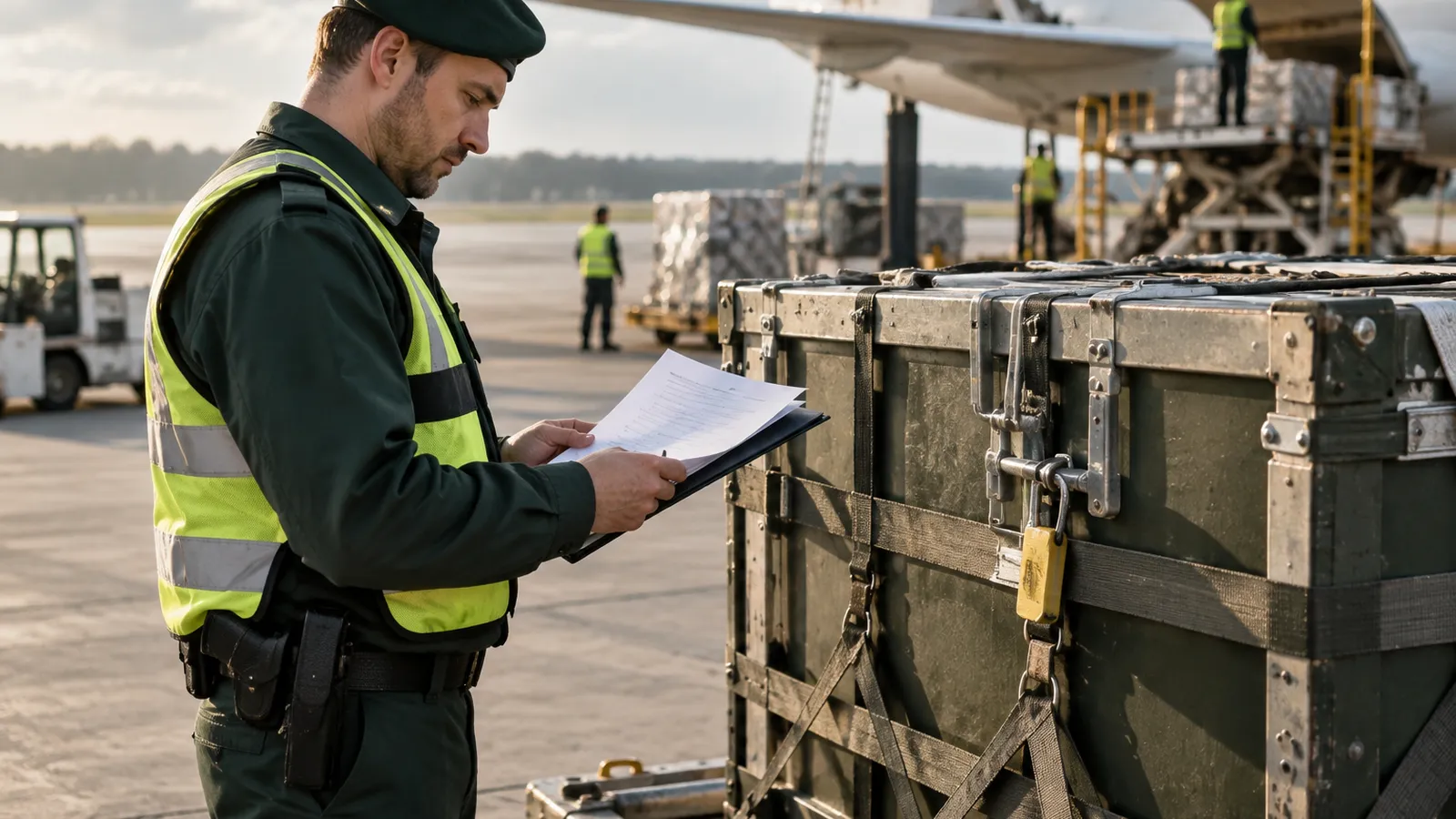
EU Regulation 2017/821, whose key provisions have applied since 1 January 2021, requires Union importers of tin, tantalum, tungsten and gold above set volumes to run supply-chain due diligence based on the OECD's five steps, to commission third-party audits and to report publicly each year.
A single 1,000 kg lot is ten times the annual threshold. Any EU importer of such a lot is therefore within the regulation and will need the documentation to support its due diligence. Reliance on an LBMA-accredited refiner can help the importer, but each importer remains individually responsible for meeting the requirements.
§ 04 · The file
The document file a European refiner will expect
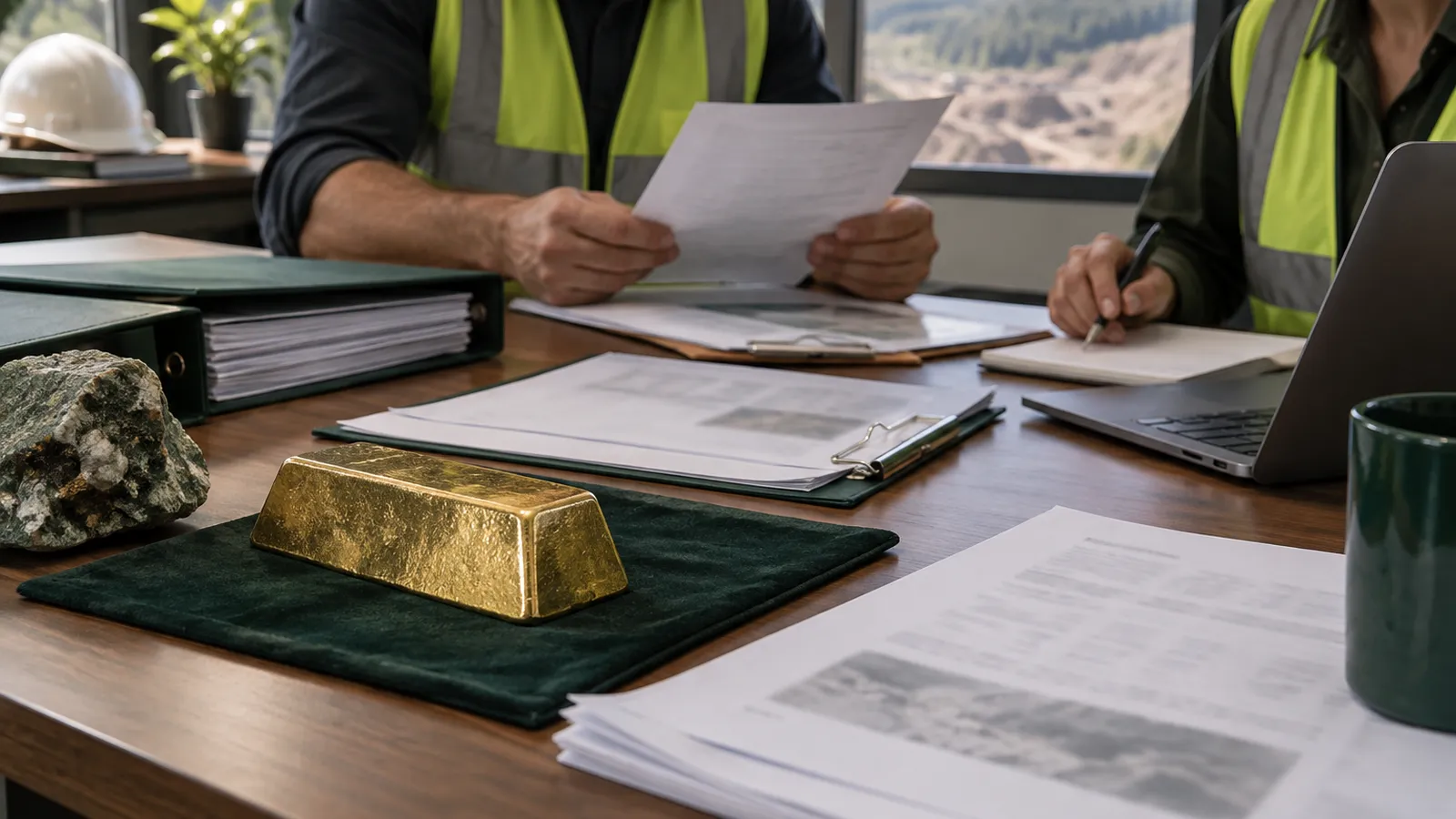
Supplier file for a Brazilian lot
- Seller: registration, tax number (CNPJ), directors, ultimate beneficial owners and licences
- Origin: mine or mining titles with ANM process numbers, holder, location and production records
- High-risk exclusion: evidence that the mine is outside indigenous lands and protected areas
- Invoice trail: Brazilian electronic gold invoice and the chain of invoices from the mine to the current holder
- Product: refiner, fineness, weight and serial numbers, with assay certificates
- Export: Brazilian export registration and customs clearance
- Payment trail: bank-to-bank payment only, with no cash at any stage
Brazil's domestic rules now make this file easier to build when the seller is compliant. The electronic gold invoice has been mandatory since 3 July 2023 for gold treated as a financial asset, Brazilian buyers must record mine and title data and keep it for ten years, and since the Supreme Court decision of 24 March 2025 they can no longer rely on a presumption of good faith.
Doré, refinery bars and Good Delivery
European refiners buy both doré from mines and refined bars. Refined bars from a refiner that is not on the LBMA Good Delivery List may still be bought, but typically for re-refining into Good Delivery or retail products, with the corresponding cost. Tell the seller at the start which product you need.
Fineness and weight tolerances should also be agreed in advance. A European refiner will run its own receiving assay; the contract should state which assay prevails, how differences are settled and who bears the cost of an umpire assay if the parties disagree.
§ 05 · The offer
Our São Paulo lots for European buyers
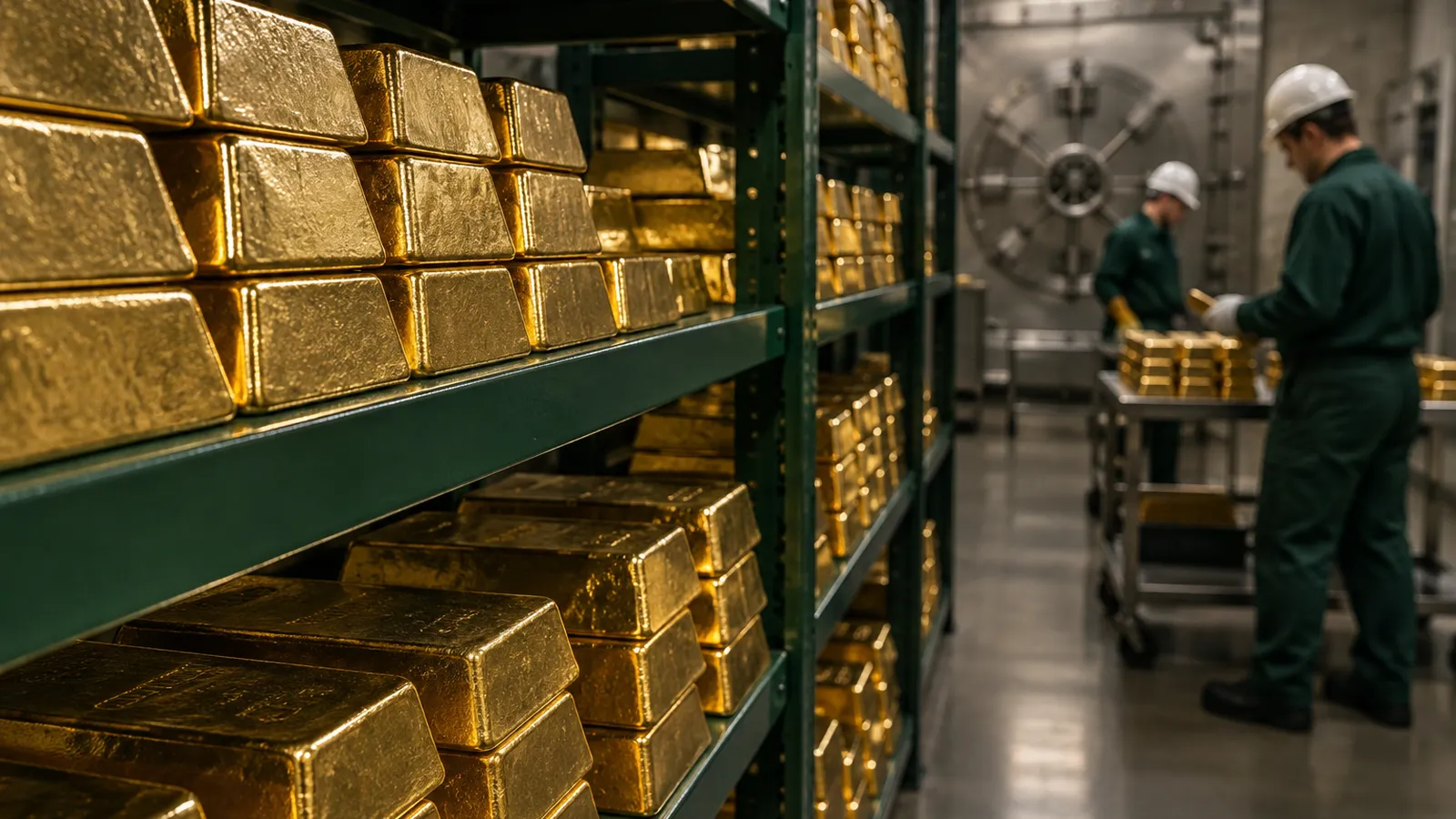
BRAZIL MINE represents lots of up to 1,000 kg of gold in refinery bars, for delivery in São Paulo, prepared for buyers who must satisfy European due diligence.
Refinery bars
Serial-numbered bars with the refiner's assay certificates. Delivery standard confirmed lot by lot.
Documented mine
Mine of origin and mining title identified, with Brazilian electronic invoice.
Formal Brazilian seller
Central Bank-authorised institution or incorporated company with CNPJ.
Spot against delivery
Bank-to-bank, at delivery, with escrow or delivery-versus-payment. No advance fees.
We share the documentation with the buyer's compliance team after KYC and the NDA, before any price commitment, so that the refiner's due diligence can be completed while commercial terms are negotiated.
§ 06 · Red flags
Red flags European compliance teams look for in Brazilian offers
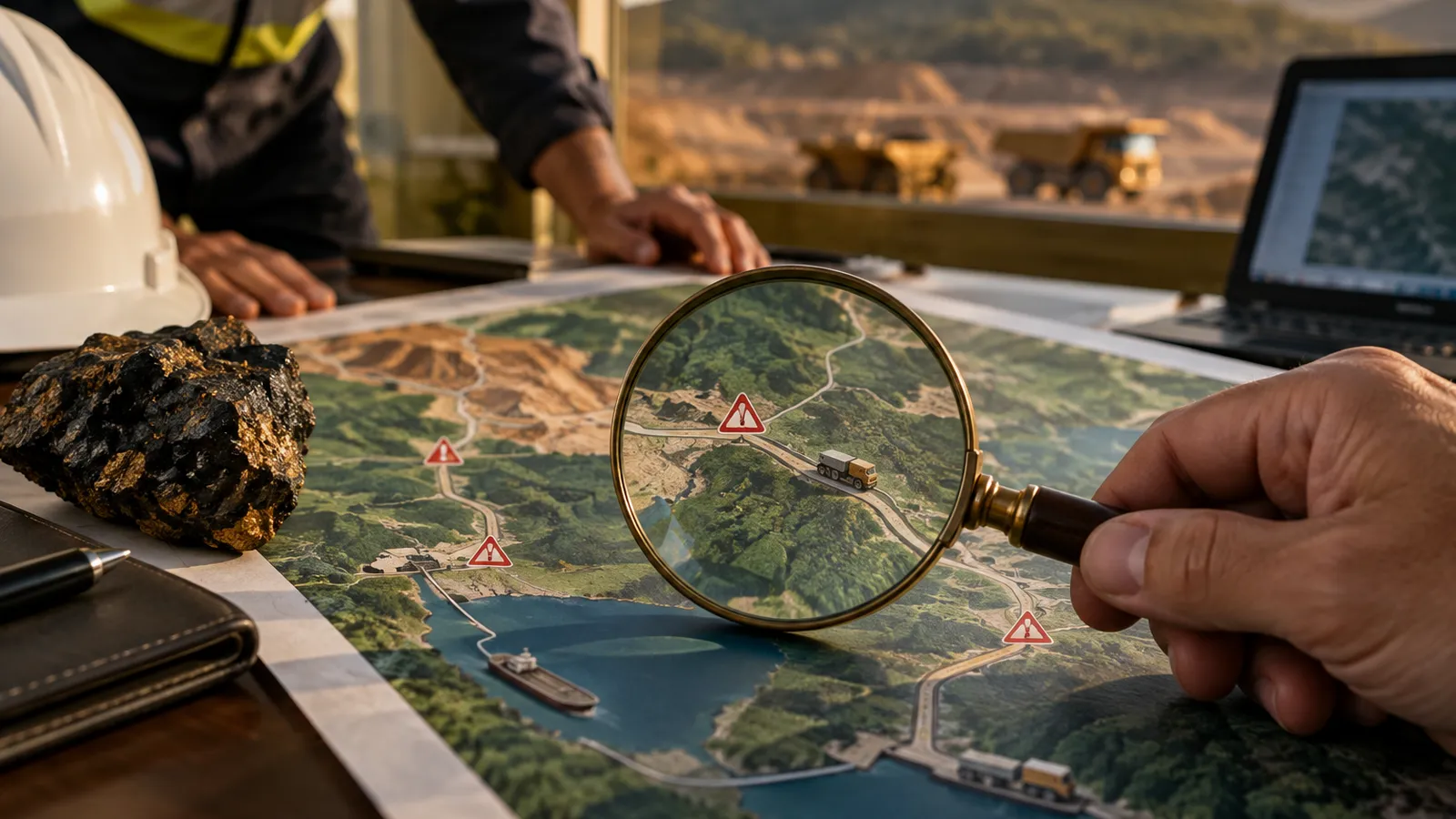
“Amazon gold” with no mine
Origin given only as a state or region, or as many small garimpo invoices aggregated into one lot.
Long broker chains
Several intermediaries in Europe, Dubai or Brazil, none holding a mandate from the actual holder.
Deep discounts
Documented gold sells at market to any refiner. A large discount signals a problem with the gold or its papers.
Advance fees and cash
Requests for export fees, insurance or certificates before inspection; any mention of cash settlement.
Reputation matters as much as legality in Europe. A refiner that accepts a doubtful Brazilian lot risks its accreditation, its banking relationships and its customers. That is why the strongest European buyers are also the most demanding, and why a well-documented Brazilian seller has a competitive advantage with them.
European compliance teams also look at the people. Directors and beneficial owners of the Brazilian holder are screened against sanctions lists, politically exposed person databases and adverse media. A seller whose ownership is opaque, or whose directors appear in reports on illegal mining, will be declined however good the documents look.
§ 07 · The method
Procedure and logistics from São Paulo to Europe
- 01
KYC and NDA
Identification of both sides and confidentiality, plus a written commission agreement where intermediaries are involved.
- 02
Compliance review
The buyer's team reviews the origin file before price is fixed.
- 03
Letter of intent
Volume, delivery standard, delivery point, payment mechanism and timetable.
- 04
Inspection and assay in São Paulo
By a laboratory or refiner nominated by the buyer.
- 05
Contract and payment
Spot payment against delivery through banks.
- 06
Export and transport
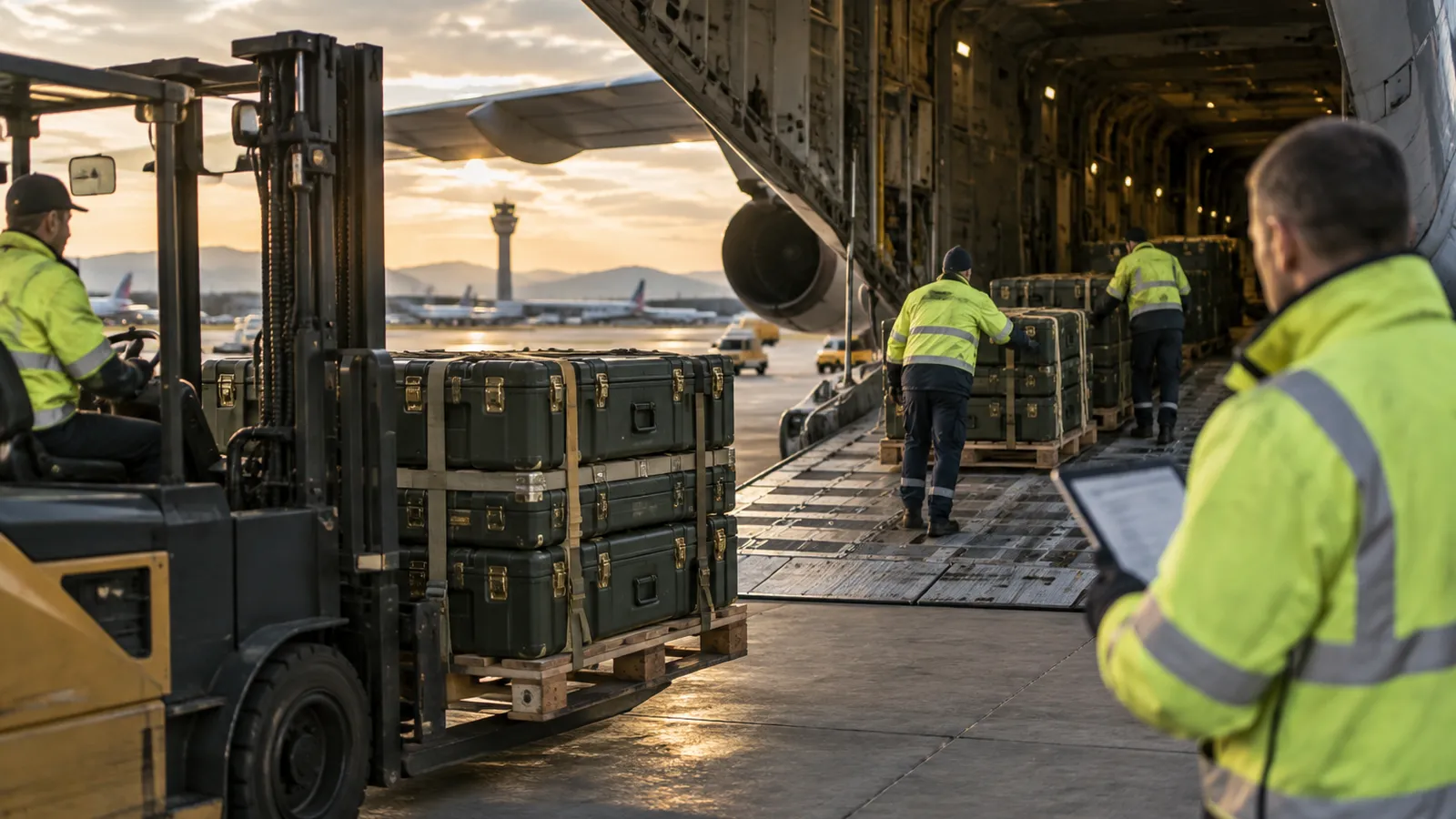
Brazilian export clearance and secure air freight to Zurich, London, Milan or another destination, insured to the receiving vault.
- 07
Receiving assay
Compared with the São Paulo assay under the contract's tolerances.
Most of the elapsed time in a European transaction is compliance review, not logistics. Secure air freight from São Paulo to Zurich, London or Milan is routine for specialist carriers. Sending the origin file first, before price is discussed, is the single most effective way to shorten the timetable.
European refiners do not ask whether gold is Brazilian. They ask whether it can be traced. Ours can.
Itanay Sabino, BRAZIL MINE
Sourcing documented gold for a European refinery or vault?
Lots of up to 1,000 kg in São Paulo, refinery bars with invoice and documented origin, spot payment against delivery. Tell us your volume and delivery standard.
Request terms§ FAQ
Frequently asked questions
Do European refiners buy Brazilian gold?
Yes, but selectively. Some have stated that they source Brazilian gold only from industrial or mechanised mines, and others have stopped. Documented mine origin and a clean invoice trail are essential.
Does the EU conflict-minerals regulation apply to Brazilian gold?
It applies to EU importers of gold above the annual thresholds, regardless of origin. For refined gold, the threshold is 100 kg a year, so a 1,000 kg lot is within scope.
What is the LBMA Responsible Gold Guidance?
It is the LBMA's responsible-sourcing standard for accredited refiners, based on the OECD's five-step due diligence framework, with independent audits and public reporting.
Are Switzerland and the UK covered by the EU regulation?
No, but their refiners and bullion banks apply OECD-based and LBMA standards and their own anti-money-laundering rules, so the documentation they request is very similar.
How much gold does BRAZIL MINE offer?
Lots of up to 1,000 kg per transaction, in refinery bars, for delivery in São Paulo, with Brazilian electronic invoice and documented origin. Availability is confirmed per transaction after KYC.
Are the bars LBMA Good Delivery?
That depends on the refiner of each lot and is confirmed with the documentation. Non-Good Delivery bars can be bought for re-refining, with the corresponding cost.
How is payment made?
Spot, against delivery, bank-to-bank, using escrow or delivery-versus-payment. There are no advance fees and no cash at any stage.
Can the buyer's compliance team see the documents before agreeing a price?
Yes. After KYC and the NDA, we share the origin file so that due diligence can run in parallel with commercial negotiation.
Which European countries buy the most Brazilian gold?
According to importing-country data for 2020, Switzerland, the United Kingdom and Italy, with about 17%, 16% and 8% of the value of Brazil's gold exports respectively.

Mathematician, Land Surveyor and Licensed Real Estate Broker · CRECI-TO 4631
BRAZIL MINE — Mining & Minerals
Keep reading
Related insights
How to buy physical gold from Brazil: a compliance guide for international buyers
15 min read
Brazilian gold for Dubai and the Gulf: what UAE responsible-sourcing rules mean for buyers
14 min read