Gemstones · Foreign investors · gem dealers · family offices · Gulf, Africa, United States
How to buy a gemstone mine in Brazil: titles, garimpo permits and due diligence
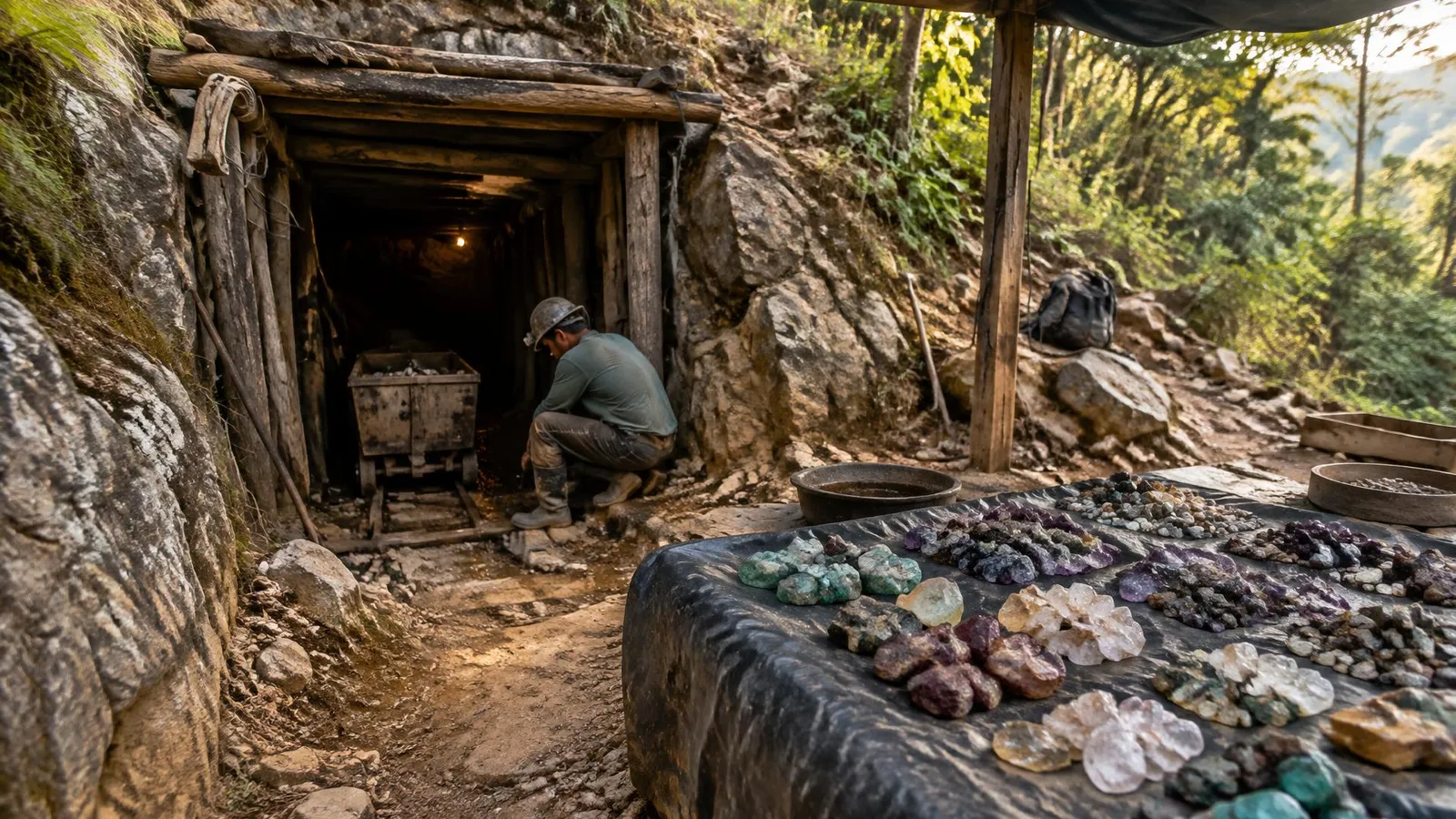
To buy a gemstone mine in Brazil, a foreign investor acquires a Brazilian company that holds an ANM mining title, or partners with a Brazilian title holder, after checking the title, the environmental licence, the surface rights and the production record. You cannot buy the gems in the ground, because they belong to the Federal Union, and you cannot simply take over a garimpo permit. This guide explains what you can buy, how to check it, and how deals are usually structured.
Key takeaways
- Mineral deposits in Brazil belong to the Federal Union. Investors acquire mining rights, granted by the ANM, not the minerals.
- Mining titles are held by Brazilians, cooperatives or companies incorporated in Brazil. A foreign group invests through a Brazilian company.
- Many gem workings run under PLG garimpo permits, which are limited to Brazilian individuals and cooperatives. Partnerships and offtake agreements are the usual route in.
- Transferring a mining title requires the ANM's prior consent. Land ownership is separate and has its own rules for foreigners.
- Gem deposits rarely support a formal resource estimate. Value rests on title quality, production evidence and laboratory-verified stones.
In this article
Brazil is one of the world's great sources of coloured gemstones. Minas Gerais produces tourmaline, aquamarine, topaz and emerald from its pegmatite fields around Governador Valadares and Teófilo Otoni. Bahia and Goiás have produced emerald for decades. The pegmatites of Paraíba and Rio Grande do Norte gave the world Paraíba tourmaline. Most of this production comes from small operations, many of them family garimpos, few of them structured for foreign investment.
That gap is the opportunity and the risk. Good deposits exist that have never had professional capital. They often sit behind informal paperwork, unclear land arrangements and production that nobody recorded. Buying well means fixing those things before money moves.
§ 01 · Ownership
Can a foreigner buy a gemstone mine in Brazil?

Yes, through a Brazilian company. Article 176 of the Brazilian Constitution separates mineral deposits from the land and assigns them to the Federal Union. Mining rights may be granted only to Brazilians or to a company incorporated under Brazilian law with its headquarters and management in Brazil. Nothing in that rule prevents the company's shareholders from being foreign.
In practice, a foreign investor either acquires the shares of a Brazilian company that already holds the title, or sets up a Brazilian subsidiary that applies for new titles or receives a title by assignment. Foreign capital is registered with the Central Bank, and the company needs a Brazilian legal representative and tax registration. Our article on whether foreigners can buy a mine in Brazil covers the structure in detail.
Buy the company
Acquire shares in the Brazilian company that holds the title. The title stays where it is; the risk is everything else the company carries.
Take an assignment
Your Brazilian subsidiary receives the title from the current holder. Cleaner on liabilities, but it needs the ANM's prior consent.
Partner the holder
Fund or buy production from a PLG holder or cooperative under a supply, offtake or joint-venture agreement.
Start from scratch
Apply for exploration permits on free ground and build towards a concession. Slowest, but you control the file from day one.
Plan the corporate steps early. Opening the Brazilian company, appointing a resident administrator, obtaining the tax number and registering the foreign investment with the Central Bank are routine, but they take time and need local professionals. Doing them in parallel with due diligence, rather than after it, avoids losing an exclusivity window because the buying vehicle is not ready.
§ 02 · Titles
Which mining titles can a gemstone mine in Brazil hold?
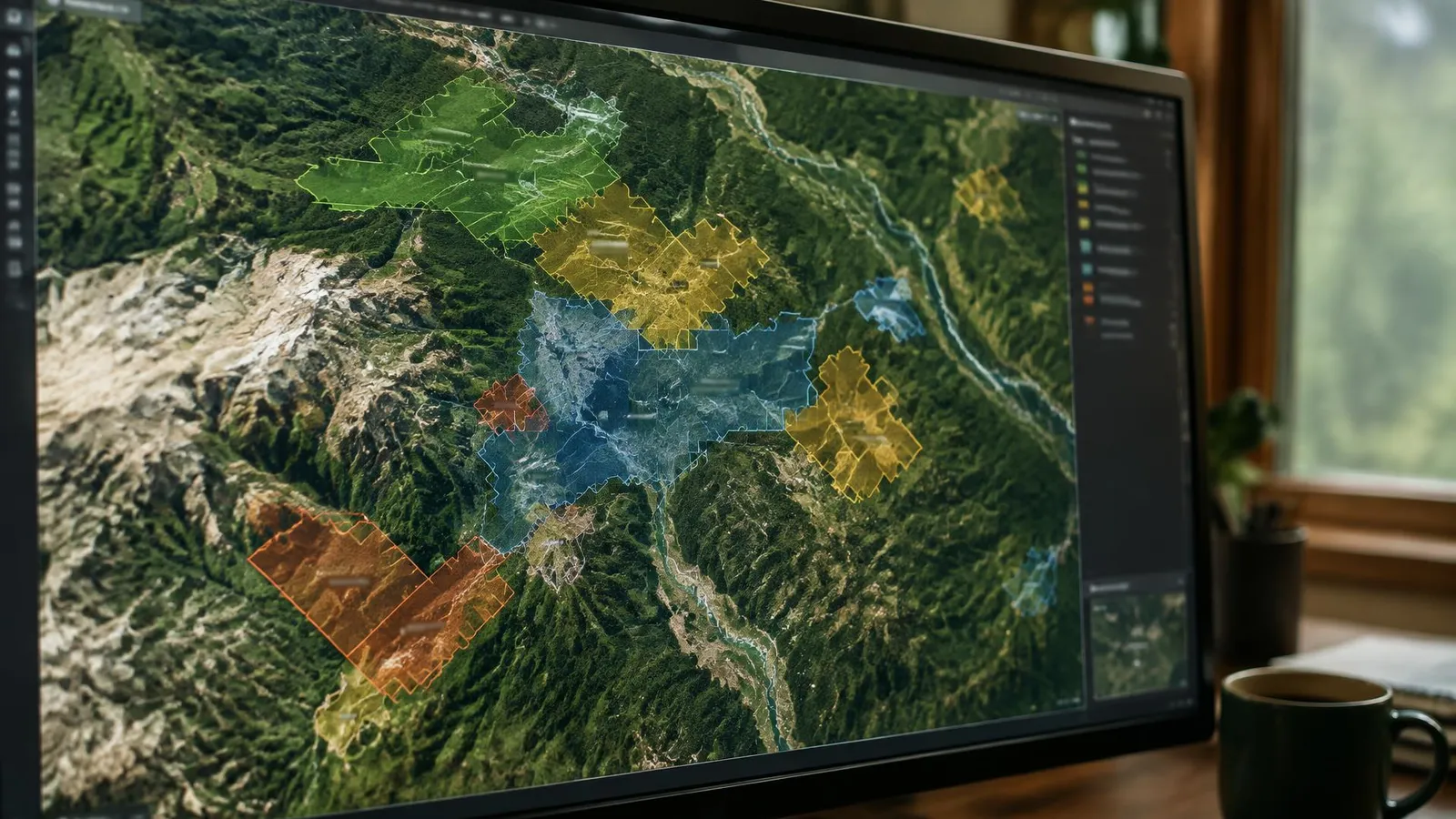
A gemstone mine in Brazil can operate under a garimpo permit, under a mining concession, or temporarily under an exploration permit with an extraction authorisation. Each one gives different rights, and the difference is often what separates the price a seller asks from the value a buyer should pay.
| Title | What it allows | Who can hold it | Key limits |
|---|---|---|---|
| PLG (Permissão de Lavra Garimpeira) | Small-scale extraction of garimpo minerals, which include gemstones under Law 7,805/1989 | Brazilian individuals and garimpeiro cooperatives | Up to 50 ha per individual permit; up to 5 years, renewable; prior environmental licence |
| Exploration authorisation (Autorização de Pesquisa) | Exploration work to define a deposit | Brazilians and Brazilian companies | Fixed term; ends with a final research report to the ANM |
| Guia de Utilização | Limited extraction during the exploration phase | Holder of the exploration authorisation | Temporary and capped; not a mining title |
| Mining concession (Concessão de Lavra) | Industrial mining for the life of the deposit | Companies incorporated in Brazil | Needs an approved research report, an economic plan (PAE) and environmental licences |
Garimpo permits deserve particular attention because they dominate gem production. A PLG is designed for individual miners and cooperatives working small, often secondary deposits by simple methods. It is a perfectly legal title, and many PLGs produce good stones. But it is personal to its holder, it is short-term, and an ordinary company, foreign-owned or not, cannot hold one. The PLG versus concession comparison we wrote for gold applies here almost word for word.
§ 03 · Verification
How do you check the mining title of a gemstone mine?
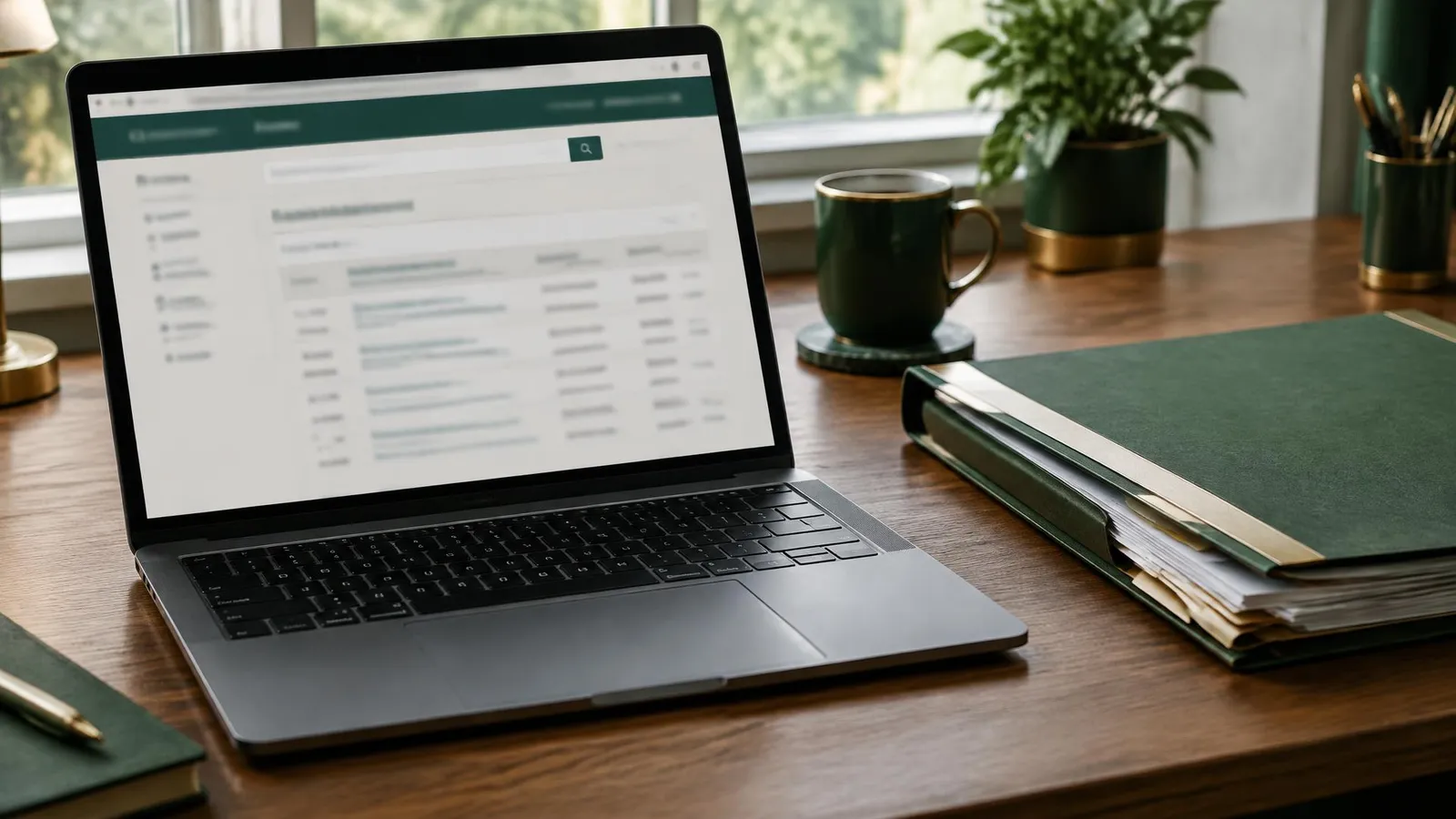
You check the title with its ANM process number. Every application, permit and concession in Brazil has one, and the ANM's public systems show who holds it, for which substance, in which phase, over which polygon, and what obligations are pending.
- 01
Get the process number
Ask for it in writing, with the holder's full name or company tax number (CNPJ). A seller who will not give it has nothing to show you.
- 02
Read the Cadastro Mineiro
The ANM's public process registry shows the holder, the substance, the phase and the history of filings and decisions.
- 03
Plot the polygon on SIGMINE
The ANM's public map shows the titled area. Compare it with satellite imagery and with the workings you are shown.
- 04
Check deadlines and obligations
Look for expired terms, unpaid annual fees, pending reports or requirements that, if missed, can cost the holder the title.
- 05
Confirm the substance
The title should cover the gemstone you are buying. A title for quartz or feldspar does not authorise gem extraction by default.
- 06
Have counsel confirm
A Brazilian mining lawyer should review the full process file, not only the public summary, before signing.
Do this before you travel. A title check costs hours, not weeks, and it ends most bad deals immediately. Our guide to verifying a mining concession shows the same process step by step for gold; the screens and the logic are identical for gemstones.
§ 04 · Land and licences
What land and environmental approvals does a gemstone mine need?
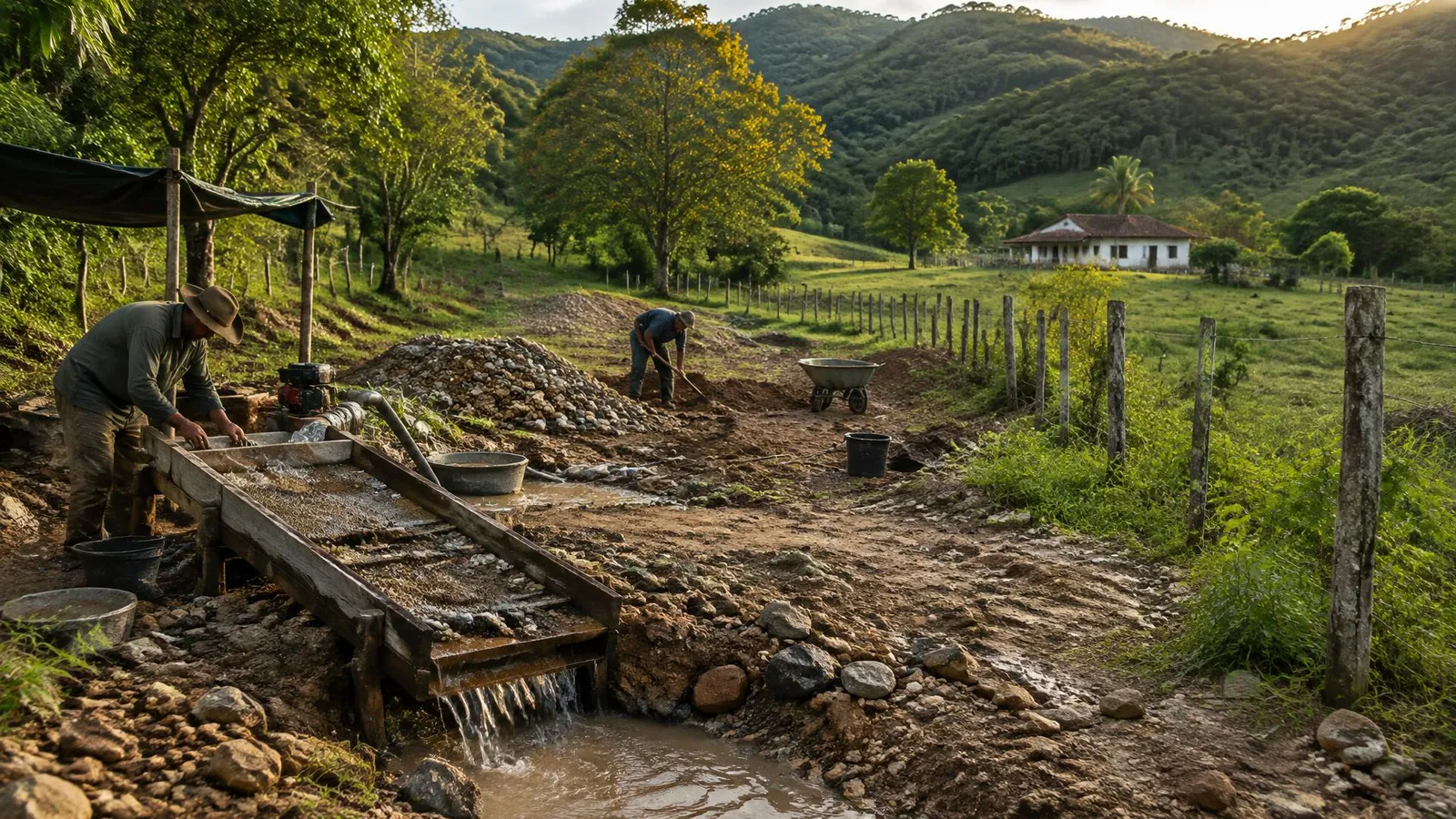
A gemstone mine needs an environmental licence from the competent agency and lawful access to the land. Neither comes with the mining title. A title without a licence cannot operate legally, and a licence without land access cannot be used.
State environmental agency
Licensing is usually by the state: SEMAD in Minas Gerais, INEMA in Bahia, SUDEMA in Paraíba, IDEMA in Rio Grande do Norte. A PLG needs a licence before it is granted.
Phases
Larger projects move through preliminary, installation and operating licences. Check which one exists, its conditions and its expiry date.
Landowner agreement
The surface owner is entitled to compensation for occupation and to a share of the mine's results. A written agreement avoids the disputes that stop many gem projects.
Property records
Check the property registration at the local land registry and whether the boundaries match. Overlapping claims to land are common in rural Brazil.
Water and other permits may also apply, for example for washing gravels or for tailings. Small gem workings often operate with minimal infrastructure, so the environmental file can be thin. Thin is acceptable if it is valid. Missing is not.
Land is also where the founder of BRAZIL MINE started: as a land surveyor, he spent years reading property registrations and boundary surveys in rural Brazil. The single most common problem we see in small mining projects is not geology. It is a title polygon, a land boundary and a set of workings that do not line up.
§ 05 · Value
How do you value a gemstone mine when there is no resource estimate?
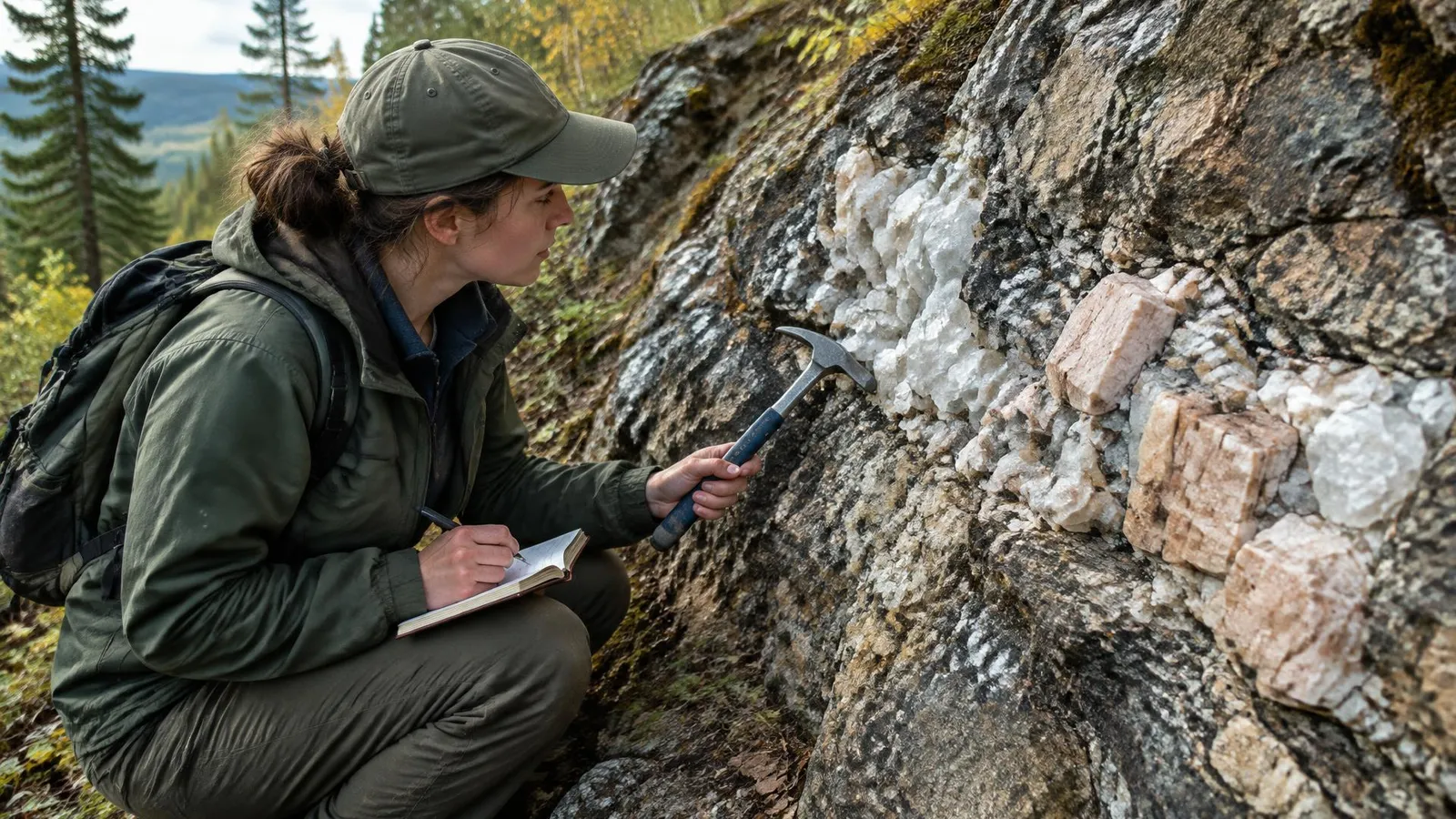
You value a gemstone mine on documented production, title quality and remaining geological potential, because most gem deposits never support a formal resource estimate. Gem crystals form in scattered pockets within pegmatites or are dispersed through gravels, and drill holes rarely sample them meaningfully. That is why NI 43-101 and JORC reports, standard for gold and copper, are uncommon for coloured gems.
What supports value
- Two or more years of production logs matched to invoices
- Royalty (CFEM) payments consistent with reported sales
- Laboratory reports on stones from this mine
- Mapped, unworked pegmatite or gravel within the title
- A valid title and licence with no pending defaults
What does not
- Photos and videos of exceptional stones
- Retail per-carat prices multiplied by guessed tonnage
- A “reserve” of gems stated in tonnes without method
- Reports on stones with no link to the mine
- Promises about what the next pocket will hold
Royalties and costs enter the model directly. The CFEM royalty on gemstones is generally 2% of gross sales revenue net of sales taxes, under Law 13,540/2017, and the landowner's share and compensation come on top. Labour, equipment, security and cutting or sorting costs complete the picture. Our discussion of JORC versus Brazilian ANM reports explains how to read the regulatory filings a seller may present as technical proof.
Remember the gap between rough and cut. Most stones leave a Brazilian mine as rough, sold by weight and by lot to cutters and dealers. Cutting removes a large share of the weight, and only part of any lot reaches top colour and clarity. A valuation that starts from the price of finished stones must walk all the way back through cutting losses, grading and dealer margins before it reaches the mine gate. A valuation that starts from documented sales of rough is shorter and far more reliable.
§ 06 · Structure
How are gemstone mine deals usually structured in Brazil?
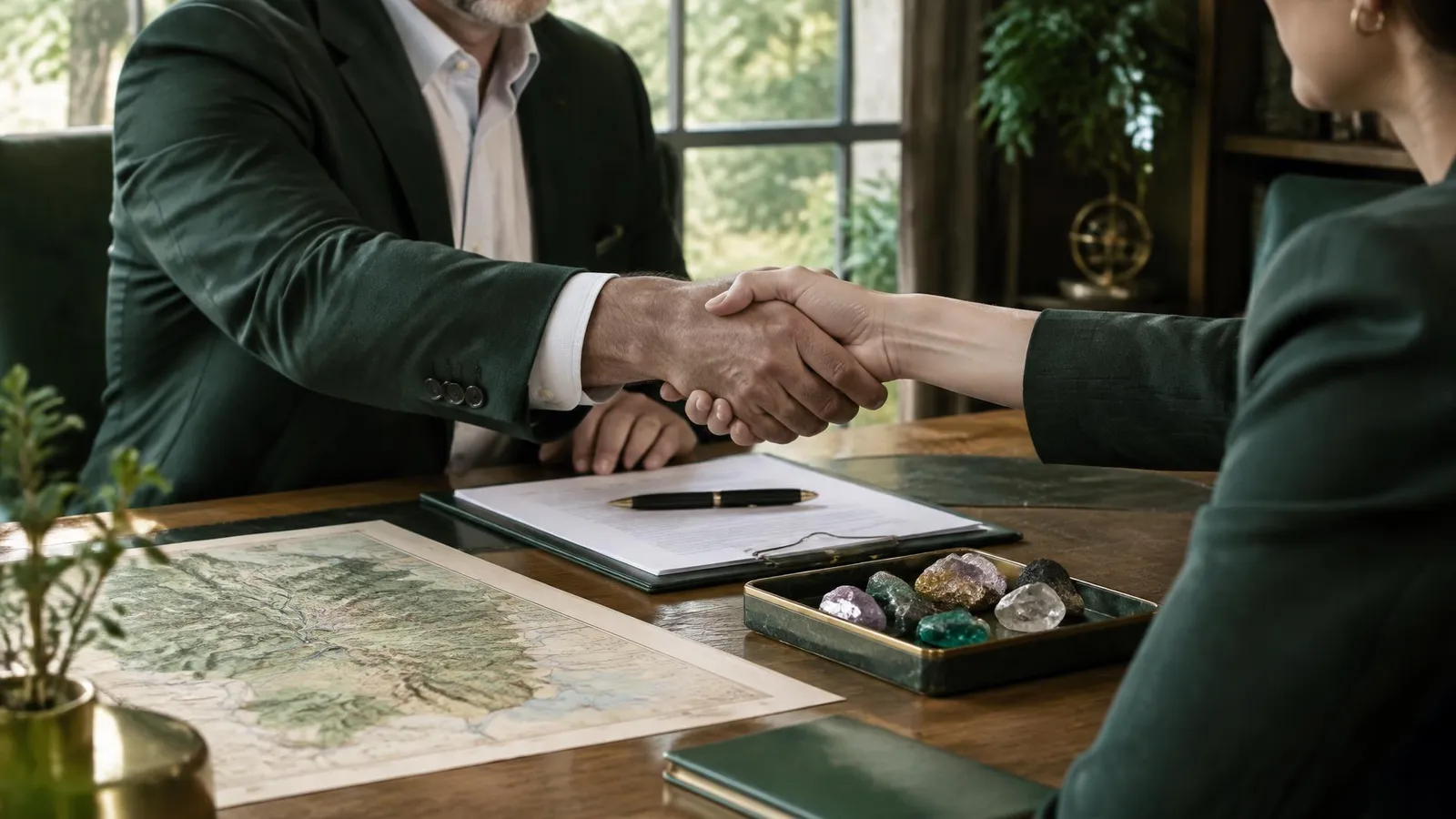
Gemstone mine deals in Brazil are usually staged: an option or exclusivity period for due diligence, a funded work programme, then the purchase of shares or the assignment of the title, with part of the price tied to production. Staging matches the money to what the deposit proves.
| Structure | How it works | Fits when |
|---|---|---|
| Option agreement | Buyer pays for exclusivity and access during due diligence and trial work, then decides | The deposit is promising but undocumented |
| Share purchase | Buyer acquires the Brazilian company holding the title | The company is clean and its title is a concession or advanced permit |
| Title assignment | Holder assigns the title to the buyer's Brazilian company, subject to ANM consent | The holding company carries liabilities you do not want |
| Earn-in joint venture | Buyer funds work to earn an increasing stake | The holder wants to stay involved and share the upside |
| Offtake or supply agreement | Buyer pre-finances or buys production at agreed terms | The title is a PLG or the holder will not sell |
| Royalty to the seller | Part of the price paid as a percentage of future sales | Seller and buyer disagree on what the deposit is worth |
Payments should move through Brazilian banks, into escrow where possible, against documents: the signed share transfer, the ANM's consent to an assignment, the registered contracts. Foreign capital entering Brazil is registered with the Central Bank, which matters when you later want to repatriate profits or sale proceeds.
Think about exit at the start. A buyer that intends to sell the mine later, list the company or bring in partners needs clean records from the first day: audited accounts, documented production, a title in good standing and contracts in Portuguese registered where required. Those same records make the asset more valuable to the next buyer.
§ 07 · Checklist
What should a gemstone mine due diligence checklist include?

A gemstone mine due diligence checklist covers six areas: the title, the company, the land, the environment, production and the stones themselves. Work through them in that order, because the early items are cheap to check and decisive.
Gemstone mine due diligence
- Title: ANM process number, holder, substance, phase, polygon, deadlines and pending obligations
- Company: articles, shareholders, managers, tax and labour clearance certificates, lawsuits and debts
- Land: property registration, owner identity, boundaries, access and compensation agreement
- Environment: licence, conditions, expiry, any infringement notices or fines
- Production: logs, invoices, CFEM receipts and buyer list for at least two years
- Stones: laboratory reports on mine production, verifiable online, plus witnessed sampling
- Geology: independent geologist's site visit, map of workings and unworked ground
- People: who works the mine, under what arrangement, and whether any garimpeiros claim rights
The last item is easy to overlook. In many gem districts, independent miners work alongside or inside titled areas under informal arrangements. Taking over a mine without understanding those relationships can lead to conflict, security problems and stoppages. Map who is on the ground before you sign.
Specific stones bring specific checks. For emerald, ask about treatment, since oil and resin filling are common and must be disclosed. For Paraíba tourmaline, origin is decisive; see our guide to Brazilian versus African Paraíba tourmaline. For aquamarine and topaz, heat treatment and colour stability matter.
§ 08 · Our method
How BRAZIL MINE works on gemstone mine acquisitions
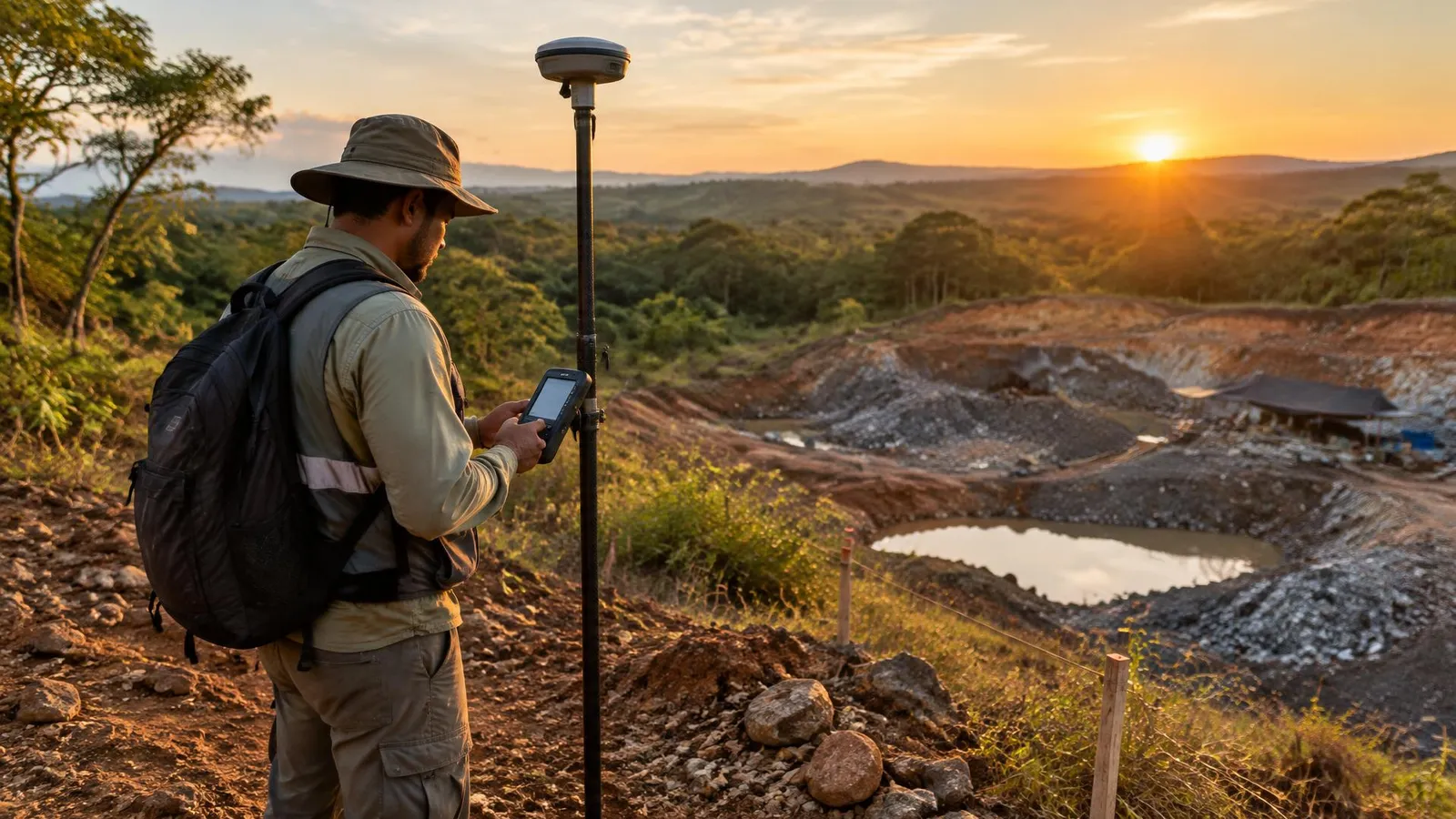
We verify before we offer. For gemstone assets that means reading the ANM process, checking the polygon against the ground and the land records, confirming the licence and the landowner, and testing the production story against invoices and royalty payments. Only then do we present an asset, and only to identified buyers.
- KYC and NDA before any confidential information is exchanged.
- Organised data room with title, company, land, environmental, production and laboratory documents.
- Buyer's own experts: we encourage independent geologists, laboratories and Brazilian counsel.
- No advance fees to see an asset, visit a site or open a negotiation.
- Clear role: we intermediate and verify; we do not own the assets we present and do not give legal or investment advice.
Looking for a gemstone mine in Brazil?
Tell us which gemstone, which region and what kind of deal you are considering, or send us the ANM process number of an offer you have received.
Request a confidential reviewGemstones sit alongside the other minerals we cover. For a broader view of where foreign capital is going in Brazilian mining, read Brazil's critical minerals and foreign capital.
§ FAQ
Frequently asked questions
Can a foreign company own a gemstone mine in Brazil?
A foreign group can own a Brazilian company that holds the mining title. The title itself must be held by a Brazilian individual, a cooperative or a company incorporated in Brazil with headquarters and management in the country.
Can I buy a garimpo permit (PLG)?
Not as an ordinary company. PLGs are limited to Brazilian individuals and garimpeiro cooperatives. Foreign investors usually partner with the holder through supply, offtake or joint-venture agreements.
Do I need to buy the land to own a gemstone mine?
No. Mining rights and land are separate in Brazil. Most projects use an agreement with the landowner for access and compensation. Buying rural land as a foreigner is restricted and should be reviewed by Brazilian counsel.
Which Brazilian states produce gemstones?
Minas Gerais is the largest producer of coloured gems, including tourmaline, aquamarine, topaz and emerald. Bahia and Goiás produce emerald, and Paraíba and Rio Grande do Norte are the source of Brazilian Paraíba tourmaline.
What royalty does a gemstone mine pay in Brazil?
The CFEM royalty, generally 2% of gross sales revenue net of sales taxes for gemstones under Law 13,540/2017. The landowner is also entitled to a share of the results.
Do gemstone mines have NI 43-101 or JORC reports?
Rarely. Gem deposits are too irregular for conventional resource estimation. Expect production records, geological reports and laboratory evidence, and be cautious with gem “reserves” stated without a method.
Does transferring a mining title need government approval?
Yes. An assignment of mining rights requires the ANM's prior consent. Buying the shares of the holding company avoids an assignment but brings the company's liabilities with it.
How long does due diligence on a gemstone mine take?
Title and company checks take days. Land, licence and production reviews take weeks. A witnessed sampling or trial-mining phase, which we recommend for undocumented deposits, can take several months.
Mathematician, Land Surveyor and Licensed Real Estate Broker · CRECI-TO 4631
BRAZIL MINE — Mining & Minerals
Keep reading