Gold · United States · Canada · Gulf · mid-tier producers, restart specialists, tailings investors
Gold mines with processing plants and tailings for sale in Brazil
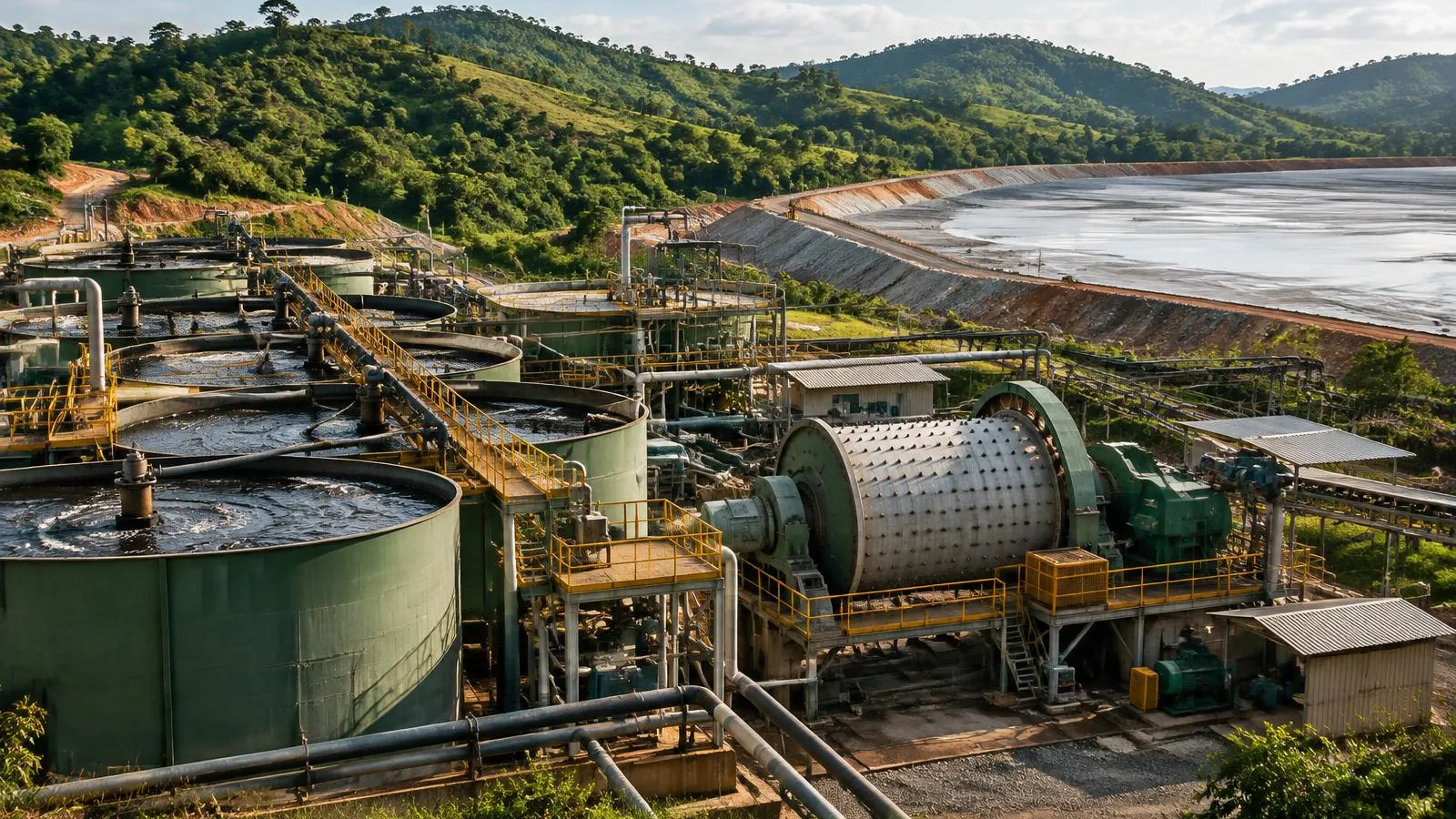
Gold mines with processing plants for sale in Brazil are worth a premium only when the plant can actually run at its stated capacity, holds a valid licence, and sits next to a tailings facility that complies with Brazil's post-2020 dam rules. Old tailings can add value too, because ANM Resolution 85/2021 lets title holders reprocess them under defined conditions. This guide shows how to judge the plant, the dam and the tailings before you pay for any of them.
Key takeaways
- A built plant can save a buyer years of permitting and construction, but only demonstrated throughput and recovery count in the price, not nameplate capacity.
- Tailings dams are the largest liability in many Brazilian mines. Check the dam in the ANM's public SIGBM registry and confirm it is not an upstream-raised structure.
- ANM Resolution 85/2021, in force since January 2022, regulates reuse of tailings and waste. Reuse is tied to a valid mining title and needs the economic plan and licence to cover it.
- Gold in old tailings needs its own sampling, metallurgical tests and licensing. It is a separate project, not an addition to the reserve.
- Restart and tailings projects suit staged deals with payments tied to performance.
In this article
Many buyers looking for a gold mine in Brazil are really looking for a plant. Building a processing plant in Brazil takes environmental licences, engineering, equipment, power and time, often years. A mine that already has a licensed, working plant can start producing far sooner. That is why offers often lead with the plant: the mills, the leach tanks, the gold room, the tonnes per hour.
The same offers often say less about the tailings. Every gold plant produces them, and in Brazil they are stored behind dams, in dry stacks or in pits. After the Mariana and Brumadinho disasters, the country rewrote its dam rules. Tailings can be a liability that outweighs the plant's value, or, in the right conditions, a second source of gold. Knowing which is the core of due diligence on these assets.
§ 01 · The plant
Why do gold mines with processing plants sell at a premium?
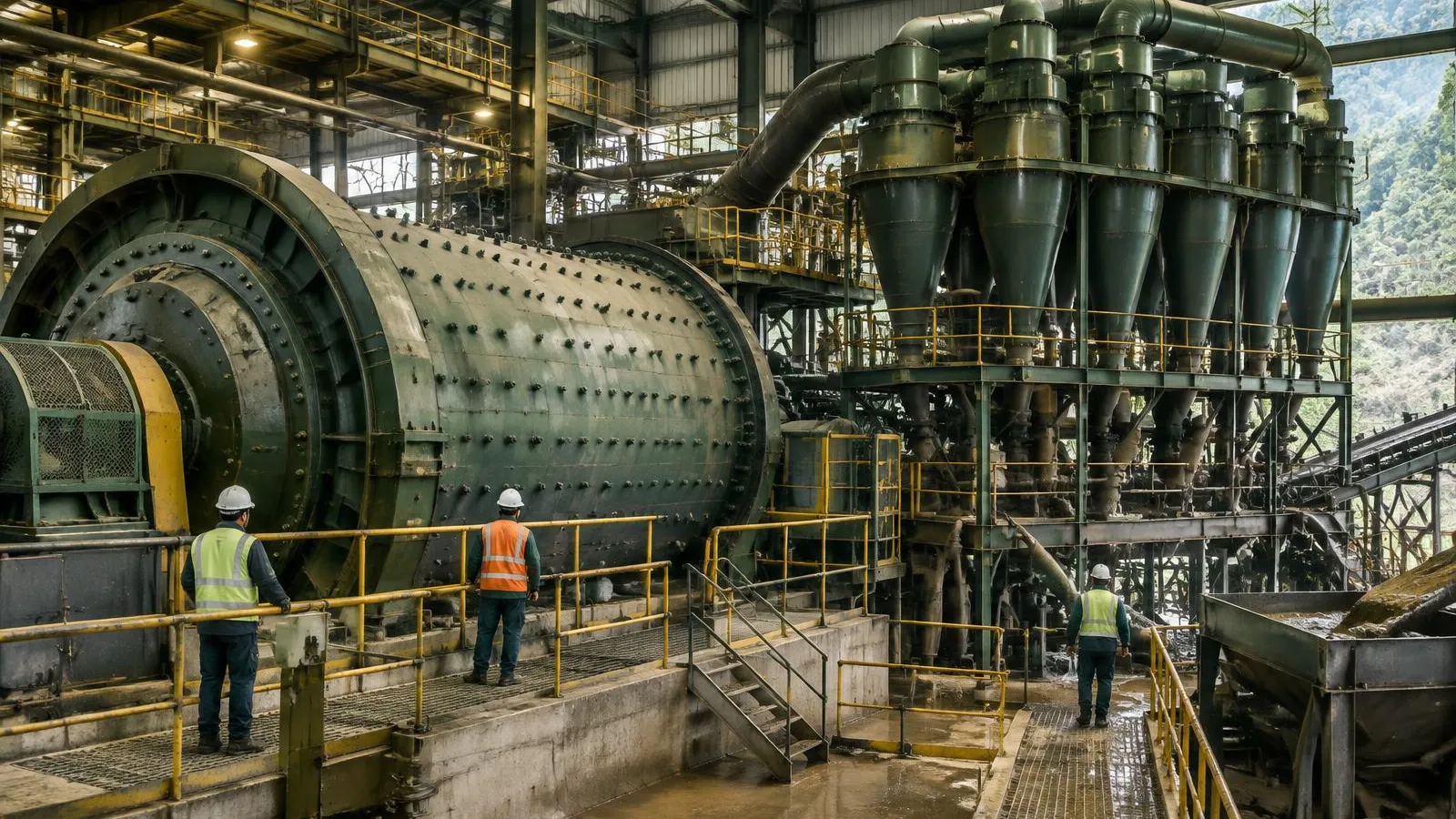
Gold mines with processing plants sell at a premium because the plant removes the slowest and most expensive steps between a deposit and gold: licensing, engineering and construction. A buyer pays for time saved and risk removed. But the premium is only justified if the plant works, fits the ore and is licensed.
Time
A licensed plant avoids years of installation licensing and construction. Production can start, or restart, much sooner.
Capital
Mills, crushers, leach tanks and a gold room represent a large share of a mine's initial capital. Buying them used costs less than building new.
Fit to the ore
A plant designed for oxide ore may not recover gold well from deeper sulphide ore. Metallurgy decides whether the plant fits the deposit.
Condition
Idle plants corrode, and spare parts disappear. A plant stopped for years may need major refurbishment.
Plants in Brazil range from simple gravity circuits, common in smaller operations, to carbon-in-leach (CIL) or carbon-in-pulp (CIP) plants, heap leach pads and flotation circuits for sulphide ores. Each suits different ore types and scales. The question for a buyer is not how impressive the plant looks but whether it can process the remaining ore economically.
Location also changes what a plant is worth. A plant close to the ore body, with a reliable grid connection and paved access, is worth far more than the same equipment at the end of a dirt road that closes in the rainy season. In remote parts of Mato Grosso, Pará or Amapá, diesel generation, spare-part logistics and staff accommodation can dominate operating costs. A buyer should look at the plant together with everything that keeps it running.
§ 02 · Assessment
How do you assess a gold processing plant before buying?
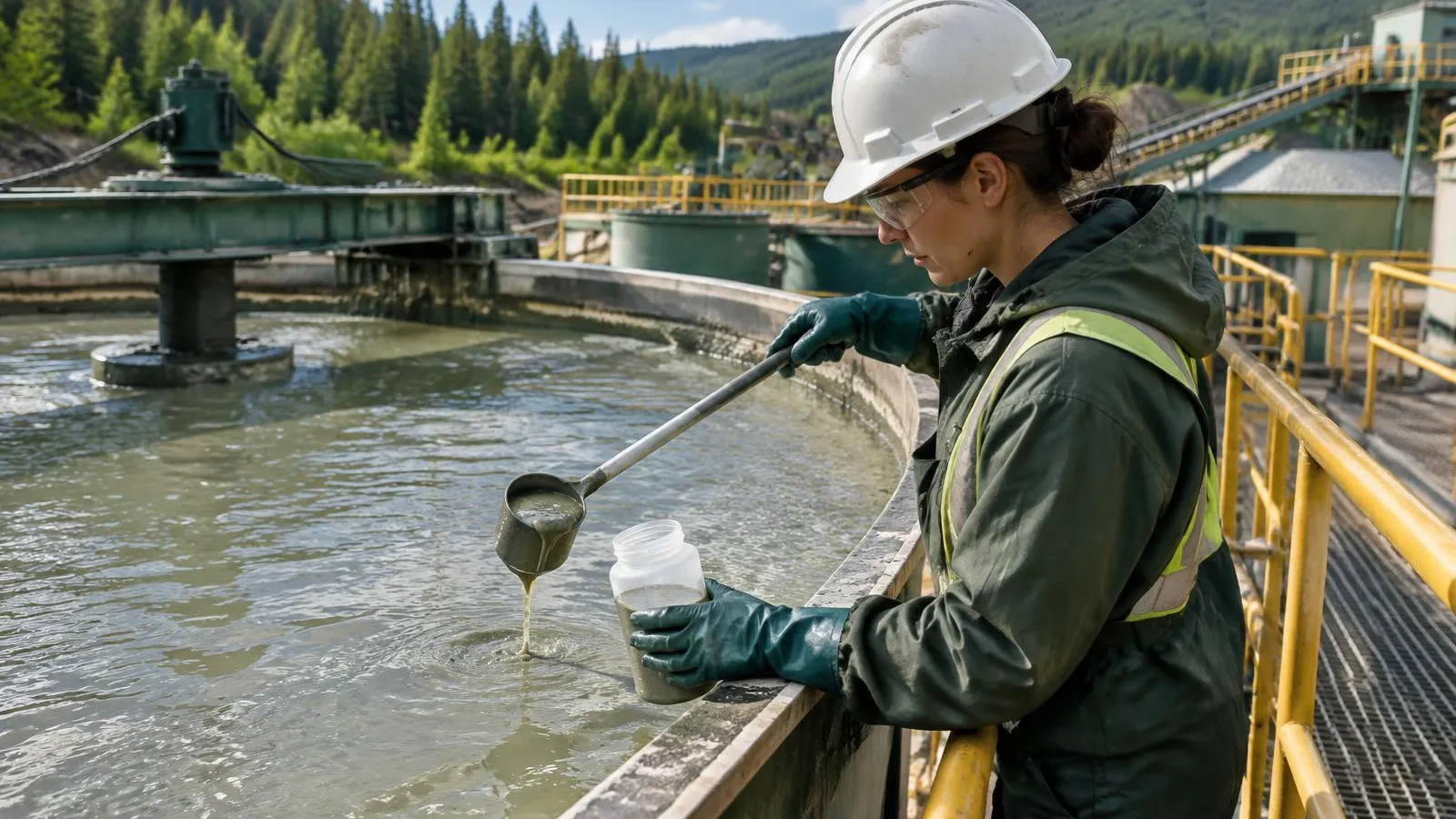
You assess a gold processing plant on four things: what it has produced, what condition it is in, whether it suits the remaining ore, and whether it is licensed to operate. A metallurgist and a plant engineer should do the technical work; the buyer should insist on documents for each point.
- 01
Production history
Monthly tonnes milled, head grade, recovery and gold poured for at least two or three years, reconciled with electronic gold invoices and CFEM royalty payments.
- 02
Physical condition
A site inspection of mills, crushers, pumps, tanks, electrical systems and the gold room. Note what is missing, worn or improvised.
- 03
Metallurgical fit
Testwork on samples of the remaining ore, especially if the mine is moving from oxide to sulphide or fresh rock, where recovery can fall sharply.
- 04
Ownership of equipment
Confirm the company owns the plant and mobile fleet, or identify leases, liens and equipment pledged to lenders.
- 05
Licences
The operating licence must cover the plant, its capacity and its processes, including cyanide use and tailings disposal.
- 06
Utilities
Power supply contracts, water-use grants and access roads. A plant without reliable power or water cannot run at capacity.
Reagents deserve their own check. Most modern gold plants use cyanide, and many operators follow the International Cyanide Management Code. Mercury has no place in an industrial plant; Brazil is a party to the Minamata Convention, and mercury use near gold operations is a serious legal and reputational issue. If the site visit shows mercury, the asset is not what the teaser described.
Explosives, if the mine blasts, require registration with the Brazilian Army for controlled products. Ask for it along with the licence. It is easy to overlook and can stop a restart for months.
Finally, look at the gold room and the assay laboratory. A well-run plant keeps chain-of-custody records from the elution circuit to the poured doré bar, weighs and assays every bar, and reconciles the result with the metallurgical balance. Weak gold-room controls are a theft risk and make production records harder to trust. Strong controls are one of the clearest signs of a professionally managed operation.
§ 03 · Dams
What should you check about a mine's tailings dam in Brazil?
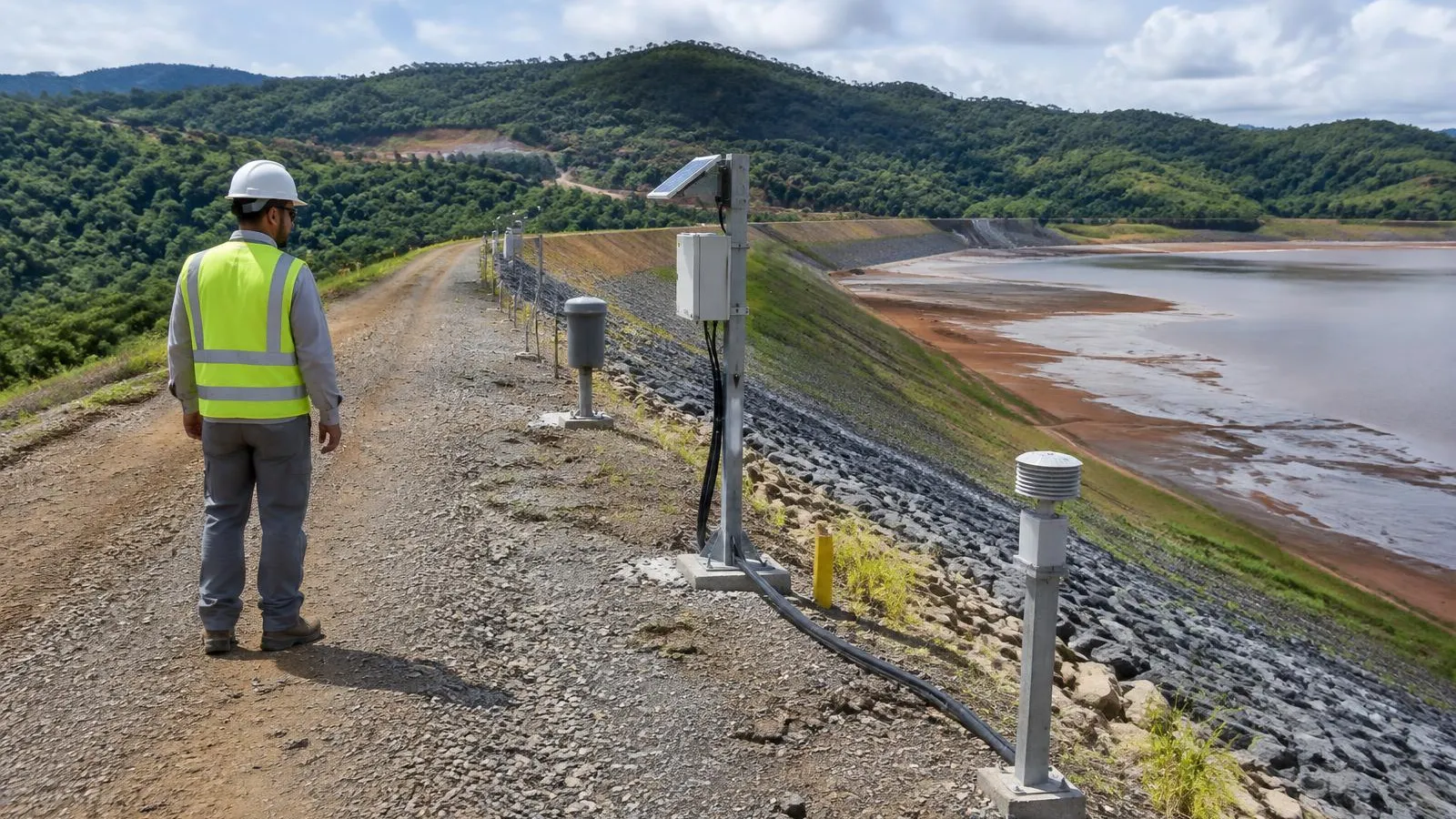
Check whether the dam is registered, how it was built, how it is classified and whether it is being inspected and maintained. Brazilian mining dams are registered in the ANM's SIGBM system, which has a public panel updated daily. Law 14,066/2020 amended the national dam safety policy, reinforced the ban on upstream-raised dams and set a deadline for decommissioning the ones that remain.
| Check | Where | Why it matters |
|---|---|---|
| Registration | ANM SIGBM public panel | An unregistered dam is a regulatory problem from day one |
| Construction method | Dam documents, SIGBM | Upstream-raised dams are banned and must be decommissioned, at the owner's cost |
| Risk and damage potential | SIGBM classification | Higher categories mean stricter obligations, inspections and emergency plans |
| Inspections and stability reports | Company records, ANM filings | Missing or adverse reports signal hidden liabilities |
| Emergency action plan | Company records | Required for dams in higher categories; tests the operator's seriousness |
| Remaining capacity | Engineering studies | A full dam limits production until a new facility is licensed and built |
ANM data show 50 dams on the national register still built by the upstream method as of April 2025, down from 74 in 2019. If the mine you are buying has one, decommissioning it is a cost and a timeline that belong in the price. Dry stacking and filtered tailings are increasingly used as alternatives, but switching takes capital and licensing.
§ 04 · The rules
Can you legally reprocess old gold tailings in Brazil?
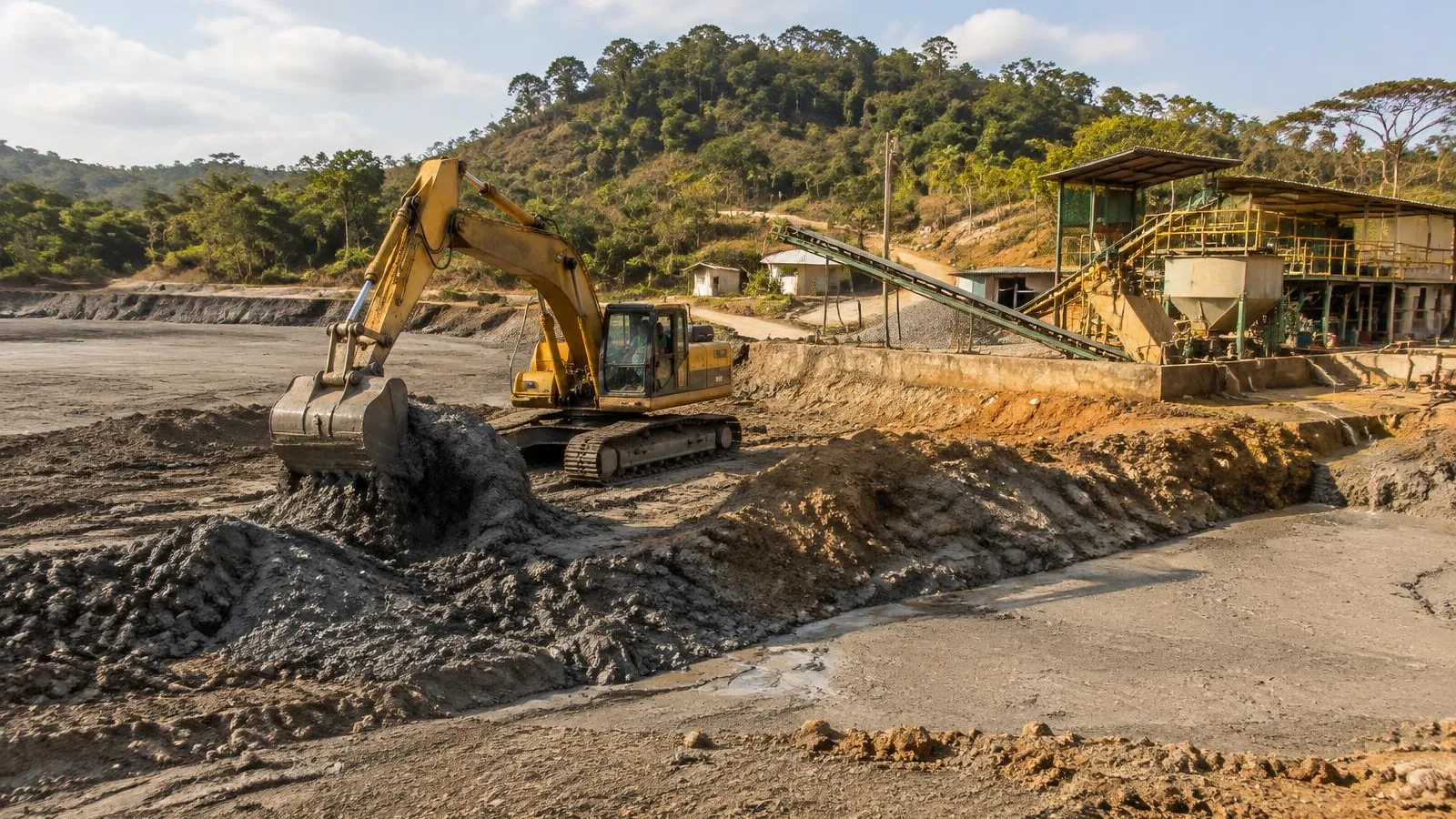
Yes, within the rules of ANM Resolution 85/2021, which took effect in January 2022. The resolution ties the right to reuse tailings and waste rock to a valid mining title: the holder of a title in force can reuse material from its own mine, even if it was deposited outside the mining area, provided the economic plan and the environmental licence cover the activity.
- Title in force. Reuse belongs to the holder of a valid title, including mining concessions and garimpo permits, among others. Material in areas with no title in force requires a new title.
- Economic plan. The mine's economic development plan (PAE) must include the reuse. If it does not, the holder files an amendment describing the process and production scale.
- Environmental licence. The existing licence must cover reprocessing; if not, a new licence or an amendment is needed from the environmental agency.
- Dams. Reusing material from a dam must comply with the national dam safety policy, with data on volume, grade, risk category and damage potential.
- Reporting. Annual mining reports filed with the ANM must include tailings and waste data.
- New substances. Recovering a substance not listed in the title requires a title amendment, supported by technical information rather than a full new research report.
Royalties apply. Gold recovered from tailings is gold, and the CFEM royalty of 1.5% on gross sales revenue net of sales taxes applies. Law 13,540/2017 allows a 50% CFEM reduction for associated substances recovered from tailings or waste and used in other production chains, when the holder identifies that chain in the title amendment. Confirm with Brazilian counsel whether any reduction applies to your case.
§ 05 · Value
How much is the gold in old tailings really worth?
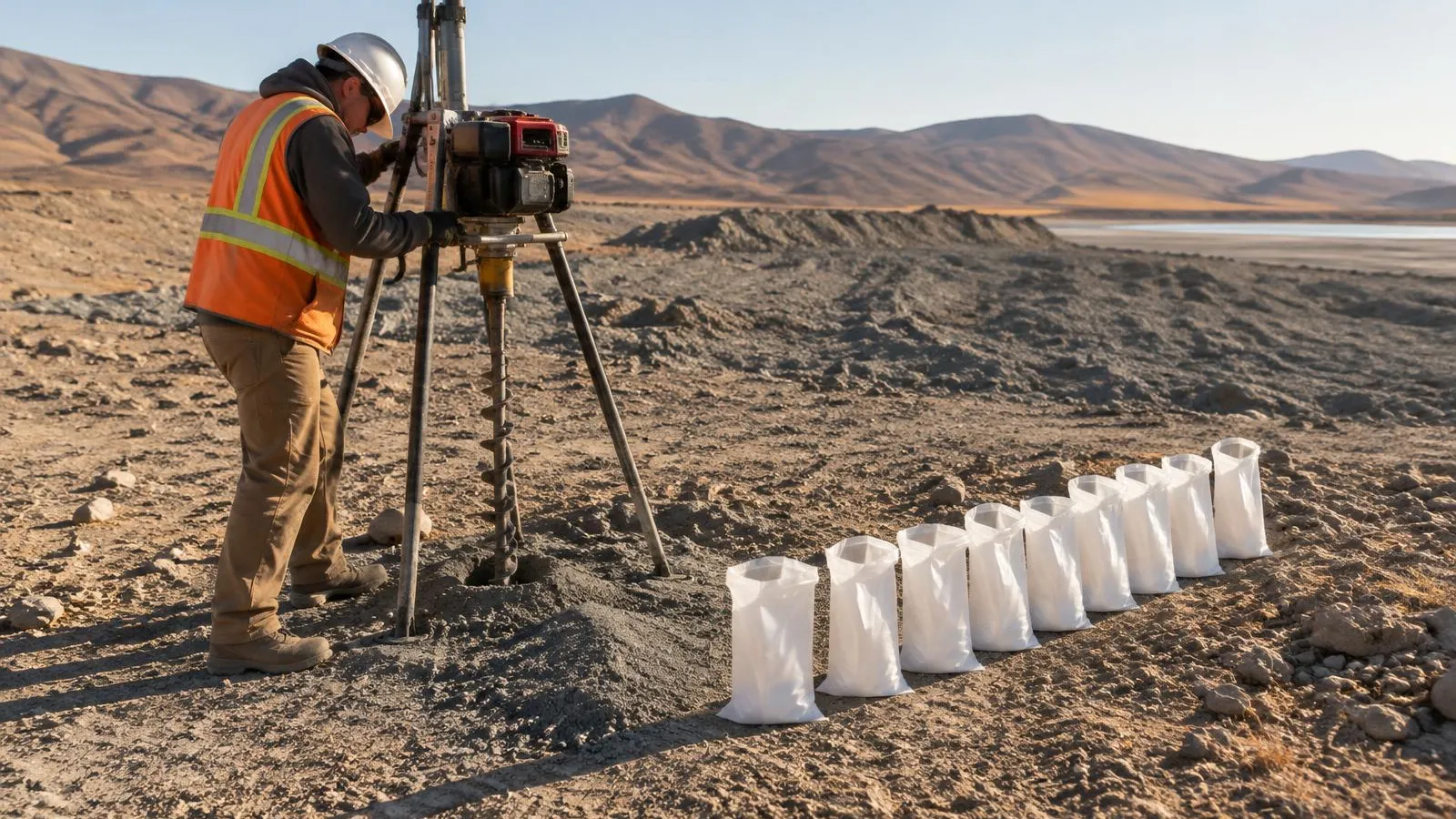
The gold in old tailings is worth what can be recovered from it at a profit, after the cost of moving, processing and redepositing the material, and after royalties and taxes. That is often much less than the contained gold suggests. Old plants left gold in the tailings for reasons, and many of those reasons still apply.
What makes tailings attractive
- Material already mined and crushed, so no blasting or haulage from a pit
- Old plants with poor recovery left meaningful grades behind
- Modern processes can recover gold that older circuits missed
- Reprocessing can help close or stabilise an old facility
What often disappoints
- Grades are uneven across the deposit; a few good samples are not the average
- Gold may be locked in sulphides or fine particles that resist recovery
- Moving and redepositing tailings needs licensed facilities and capital
- Old tailings can carry environmental liabilities that surface when disturbed
Treat tailings as a project of their own. Drill or auger them on a grid, assay the samples, run metallurgical tests on representative composites, and only then estimate a resource. If the project is presented with an NI 43-101 or JORC estimate, read it as a reporting standard, not a certificate. Our guide to how to value an operating gold mine in Brazil explains why a separate cash flow model is needed.
Consider a typical case, described as a hypothetical example. A seller offers a mine with a plant and a tailings dam said to contain a large amount of gold. Sampling shows the higher grades are near the old discharge point; most of the dam is far lower. Metallurgical tests recover only part of that gold with the existing plant. The tailings still have value, but as a modest, staged project, not as the windfall the teaser promised.
§ 06 · Restarts
How should you approach an idle gold mine with a plant?
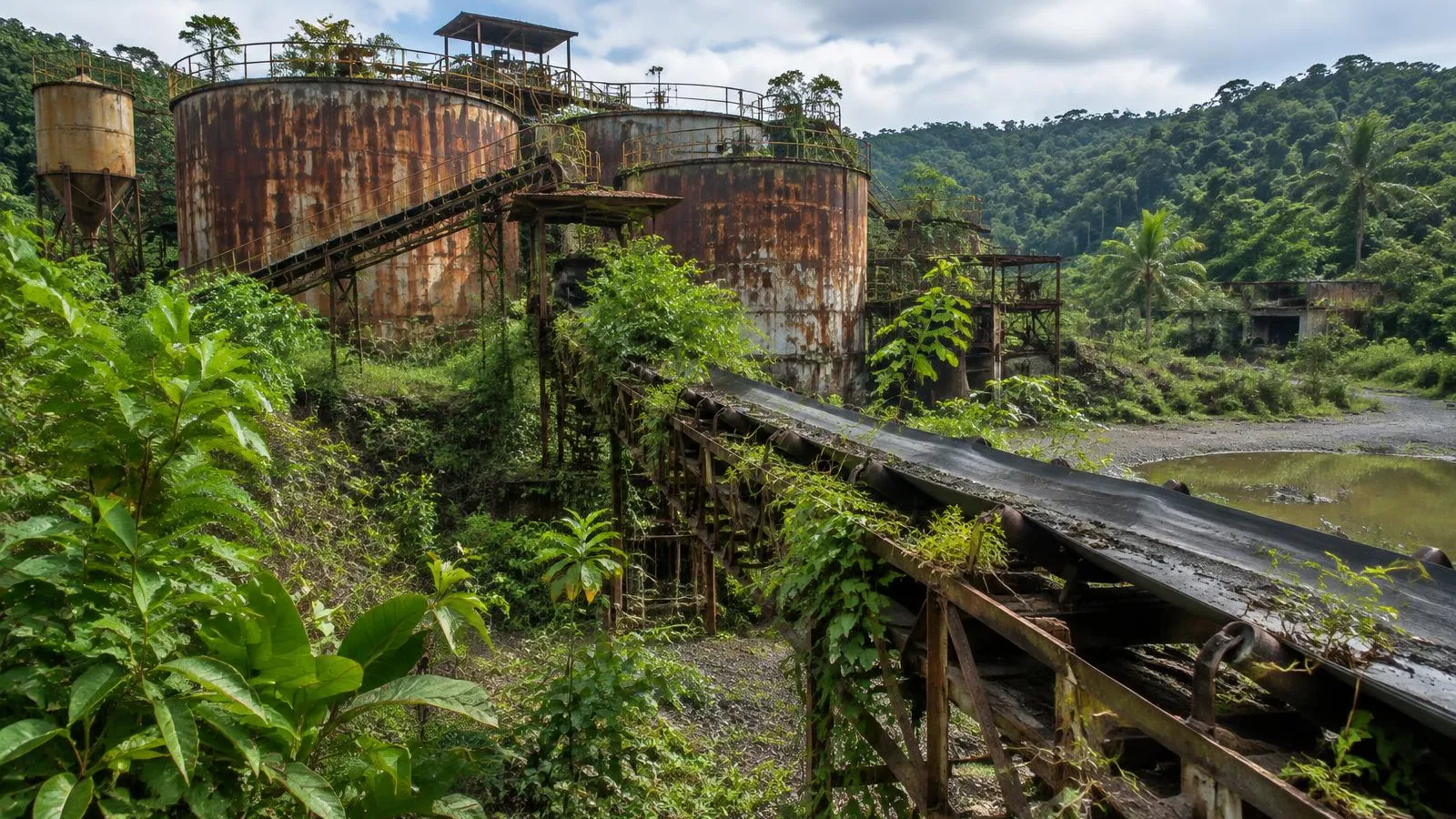
Approach an idle gold mine with a plant as a restart project: find out why it stopped, what it would cost to restart, and whether the licences and title survived the stoppage. Mines stop for reasons such as low grade, poor recovery, debt, disputes, licence problems or low gold prices. Some of those reasons go away; others do not.
Restart due diligence
- Why the mine stopped, documented, not only in the seller's words
- Status of the mining title and any ANM requirements missed during the stoppage
- Validity of the operating licence and whether it lapsed or was suspended
- Dam status, inspections and any upstream-raised structure
- Condition of the plant and the cost to refurbish, from an independent engineer
- Outstanding debts, labour claims, tax liabilities and liens on equipment
- Remaining ore, from a current technical report or a new estimate
- Power, water and access arrangements and whether they still exist
Restarts can be good business. A buyer with technical skill and capital can buy an idle asset at a fraction of the cost of building one and bring it back. But the price must reflect the work ahead. Staged structures help: a modest payment at signing, further payments when the licence is confirmed and the plant restarts, and a final payment or royalty linked to production.
Title first, always. A restart is worthless if the concession lapsed. Our guide on verifying a gold mining concession shows how to check it, and our article on PLG versus mining concession explains why many “mines with plants” are really small-scale permits with a plant beside them.
§ 07 · Red flags
What are the red flags in offers of gold mines with plants or tailings?
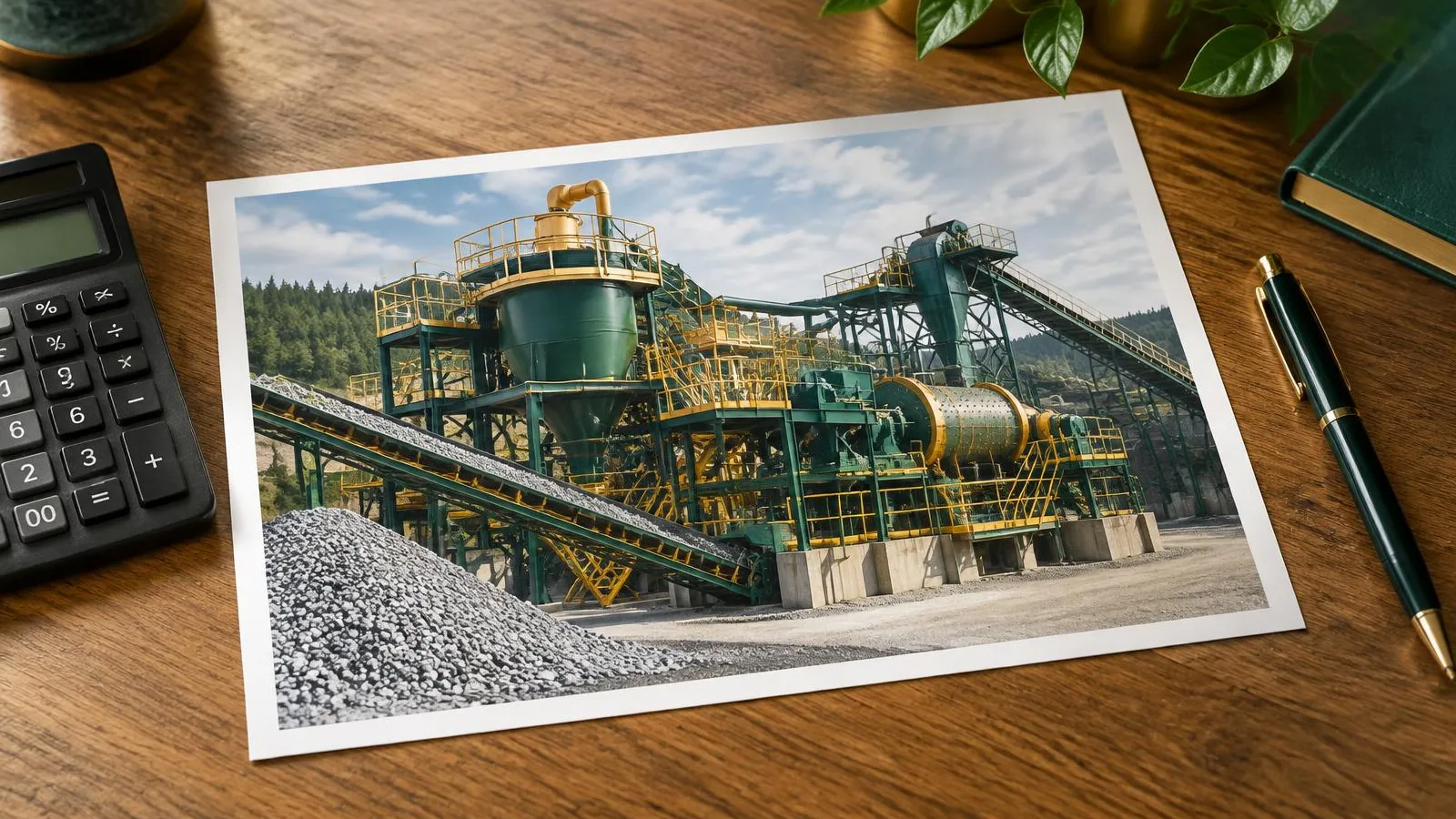
The red flags in these offers cluster around capacity, tailings grades and licences, because those are the numbers that drive the price and the hardest for a remote buyer to verify.
Impossible capacity
Plant capacities quoted in units or sizes that do not match the equipment shown. Ask for monthly throughput records.
Tailings grade from a few samples
A dam valued on its best samples. Ask for a sampling grid, assays and metallurgical tests.
No dam in the story
A plant with no mention of where its tailings go, or a dam missing from SIGBM.
Licence for something else
An operating licence that covers a smaller plant, a different process, or a garimpo, not the operation described.
Equipment not owned
Fleet and plant pledged to lenders or leased, presented as part of the sale.
Mercury on site
Signs of mercury use in an operation presented as industrial. It signals legal and reputational risk.
As with any Brazilian mining offer, ask the five basic questions in writing: the ANM process number, the holder, the operating licence, the last twelve months of gold sales with invoices, and the CFEM paid on them. For plants and tailings, add two: the dam's SIGBM record and the plant's monthly production log.
§ 08 · Our method
How BRAZIL MINE presents mines with plants and tailings projects
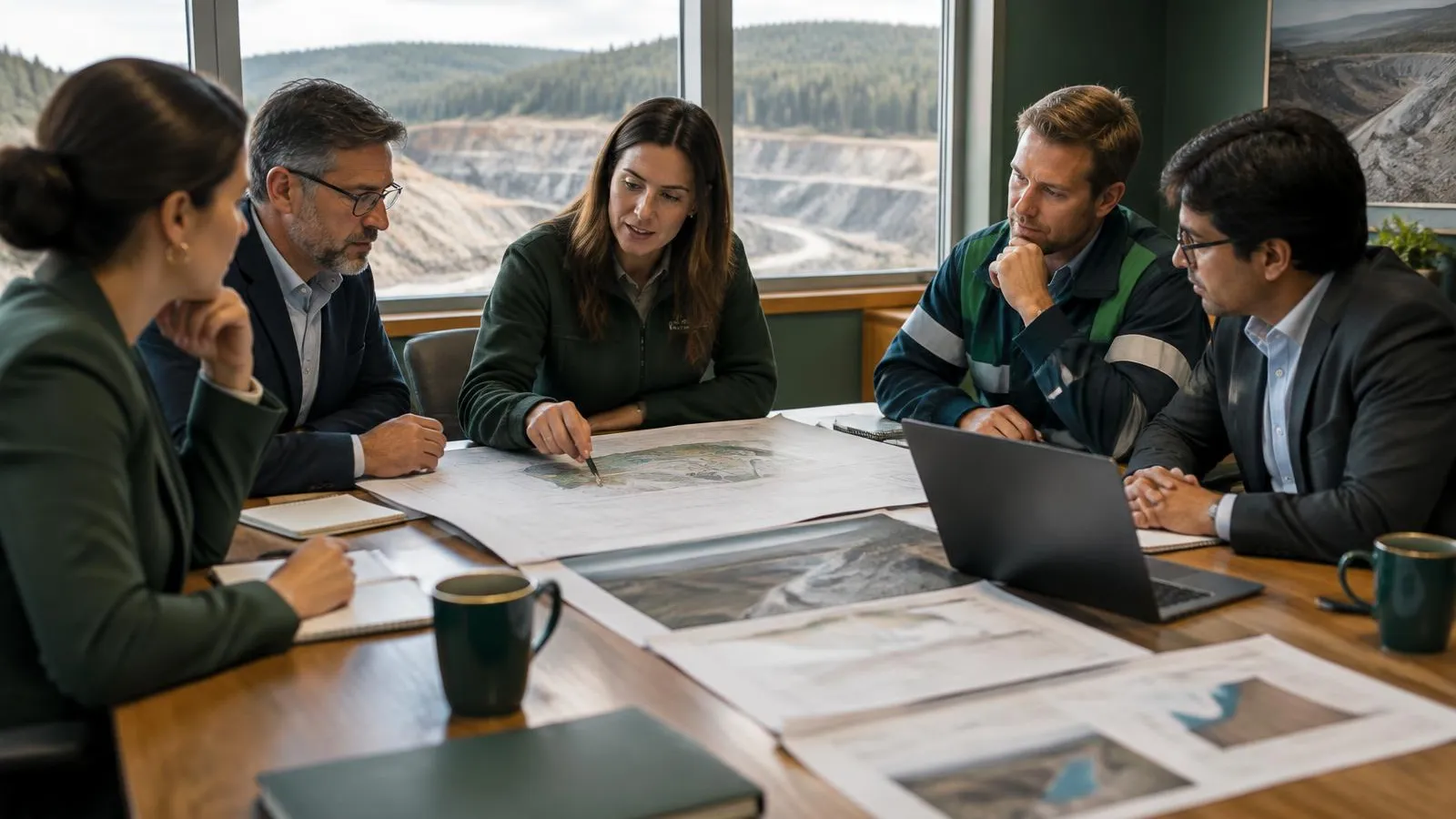
We present a gold mine with a plant only after we have seen the title, the operating licence, the dam record and the production history behind the plant. For tailings projects, we look for the title that covers them and the licence that allows reprocessing before we discuss gold content.
- KYC and NDA before confidential information is shared.
- Title and boundary verification in-house: our founder is a mathematician and land surveyor.
- Dam and licence checks against public records before any presentation.
- Independent engineers and metallurgists chosen by the buyer for plant and tailings work.
- No advance fees at any stage.
Looking at a gold mine with a plant, or a tailings project?
Send us the ANM process number, the plant details or the teaser you received. We will tell you what the documents show and what to test next.
Request a confidential reviewFor current opportunities, visit our gold mines for sale in Brazil page.
§ FAQ
Frequently asked questions
Are there gold mines with processing plants for sale in Brazil?
Yes. Producing and idle gold mines with existing plants change hands in Brazil, mostly in private transactions. Each needs verification of the title, the licence, the dam and the plant's actual production before it can be priced.
Can I reprocess old gold tailings in Brazil?
Yes, if you hold a valid mining title covering them and your economic plan and environmental licence allow it, under ANM Resolution 85/2021. Material in areas without a title in force requires a new title first.
Is CFEM due on gold recovered from tailings?
Yes. Gold from tailings pays the CFEM royalty of 1.5% of gross sales revenue net of sales taxes. Law 13,540/2017 allows a reduction for some associated substances from tailings used in other production chains; confirm your case with counsel.
How do I check a mining dam in Brazil?
Look it up in the ANM's SIGBM public panel, which shows registration, classification and status, and ask the seller for stability reports, inspections and the emergency action plan.
Are upstream tailings dams allowed in Brazil?
No. Law 14,066/2020 reinforced the ban on upstream-raised dams and set a deadline for decommissioning existing ones. ANM counted 50 such dams still registered in April 2025.
What type of gold plants are common in Brazil?
Gravity circuits in smaller operations, carbon-in-leach and carbon-in-pulp plants, heap leach pads, and flotation circuits for sulphide ores. The right plant depends on the ore type and scale.
Why did an idle gold mine stop, and does it matter?
It matters a great deal. Mines stop because of grade, recovery, debt, disputes, licences or gold prices. A restart price must reflect whether the original problem has been solved.
How should a restart or tailings deal be structured?
In stages: a modest payment at signing, further payments as licences are confirmed and production restarts, and a final payment or royalty linked to actual output.

Mathematician, Land Surveyor and Licensed Real Estate Broker · CRECI-TO 4631
BRAZIL MINE — Mining & Minerals